Introduction
Your IVF consultation covered the protocol, the injections, the monitoring appointments, and the costs. What it probably did not cover in detail is what you should be taking for the three months before your retrieval date. That gap matters more than most people realise.
The question of what supplements should you take before IVF has a real, evidence-based answer. Several compounds have been tested in IVF populations specifically, with measured outcomes for oocyte quality, fertilisation rate, blastocyst development, and live birth. This article goes through each one, what the data shows, and what a rational pre-IVF supplement plan looks like.
The 90-Day Rule: Why Timing Your Supplements Correctly Changes Everything
A follicle does not appear from nowhere on the day of your retrieval. The oocyte inside it has been developing for approximately 90 days, progressing through a process called folliculogenesis. During those three months, the egg is accumulating mitochondria, producing the ATP it needs for fertilisation and early cell division, and undergoing the meiotic divisions that determine its chromosomal integrity.
This is why what supplements should you take before IVF cannot be answered with “start a week before your trigger shot.” The nutrients and compounds that influence egg quality need to be present during the follicular development phase, not just at the end of it. Reproductive endocrinologists who recommend nutritional support consistently advise a minimum of 60 to 90 days before retrieval.
Most of the clinical trials measuring supplement effects on IVF outcomes also run for 8 to 12 weeks before retrieval. If a study found benefit over that period, starting a supplement two weeks before your cycle is unlikely to replicate those results.
Coenzyme Q10: The Most Studied IVF Supplement
When fertility specialists are asked what supplements should you take before IVF, Coenzyme Q10 is the compound that comes up most consistently across published literature and clinical guidelines.
The mechanism is specific. Oocytes contain more mitochondria than virtually any other cell in the human body, up to 100,000 per egg. Those mitochondria produce the ATP that powers the spindle apparatus during meiosis, the process that pulls chromosomes apart correctly during cell division. CoQ10 is a cofactor in the mitochondrial electron transport chain, the machinery that produces ATP. Without adequate CoQ10, energy output falls and chromosomal segregation errors become more likely.
A 2021 study in the Journal of Assisted Reproduction and Genetics found that CoQ10 pre-treatment significantly improved the proportion of top-quality embryos in women undergoing IVF. The effect was most pronounced in women over 35, whose mitochondrial CoQ10 concentrations decline with age.
A 2019 clinical trial in Fertility and Sterility documented improved oocyte maturation rates, fertilisation rates, and blastocyst formation in women with diminished ovarian reserve who received CoQ10 supplementation for 60 days before retrieval, compared to controls who did not. The dose used was 600 mg daily in divided doses.
Standard doses in IVF preparation literature range from 400 to 800 mg daily. The ubiquinol form (reduced CoQ10) has better absorption than ubiquinone in most adults over 30.
Myo-Inositol: What the Research Shows for Egg Quality and Ovarian Response
Myo-inositol is a naturally occurring compound that acts as a secondary messenger in the insulin signalling pathway inside the ovarian follicle. In women with PCOS or insulin resistance, that signalling pathway is disrupted, and follicle development becomes disorganised. Inositol restores it.
A 2022 meta-analysis in BMC Medicine reviewed data from multiple randomised controlled trials and found that myo-inositol supplementation before IVF significantly improved oocyte quality, reduced the proportion of degenerate eggs retrieved, and improved fertilisation rates in women with PCOS. Cycle cancellation rates due to poor response also dropped in the supplemented group.
Research in the International Journal of Molecular Sciences confirmed that inositol reduces the rate of meiotic errors in PCOS-affected oocytes by restoring the intracellular cascades that govern chromosome separation. Fewer meiotic errors mean fewer chromosomally abnormal embryos and fewer failed transfers.
For women with PCOS specifically, asking what supplements should you take before IVF gets myo-inositol as a clear answer in reproductive medicine guidelines from several European fertility societies. Typical doses used in trials range from 2,000 to 4,000 mg daily.
Folate: Non-Negotiable Before and During IVF
Folic acid or its active methylated form (5-MTHF) is prescribed by virtually every IVF clinic as part of the standard pre-cycle recommendation. The neural tube closes within 28 days of conception, often before a woman knows she is pregnant. Adequate folate before conception reduces neural tube defect risk by up to 70%.
But the role of folate in IVF goes beyond neural tube protection. Data published in Fertility and Sterility found that higher folate levels in follicular fluid were associated with better oocyte maturation, higher fertilisation rates, and improved blastocyst quality. Folate is necessary for DNA synthesis during rapid cell division in the early embryo. When it is depleted, that division becomes error-prone.
Women with the MTHFR gene variant cannot efficiently convert folic acid to its active form. For these women, pre-methylated folate (5-MTHF) is preferred over standard folic acid supplementation.
Vitamin D: The IVF Data Is Clearer Than Most People Know
Vitamin D receptors are expressed in the ovary, the uterine endometrium, and the corpus luteum. Deficiency in any of those tissues impairs their function in a measurable, documented way. Asking what supplements should you take before IVF without including Vitamin D misses one of the most consistently supported variables in IVF outcome research.
A 2020 review in Nutrients found that Vitamin D deficiency in women undergoing IVF was associated with lower oocyte retrieval rates, worse fertilisation rates, and reduced blastocyst formation. Adequate Vitamin D levels correlated with better endometrial receptivity, the ability of the uterine lining to accept an embryo.
A 2019 study in the Journal of Assisted Reproduction and Genetics found that women with Vitamin D levels above 30 ng/mL had significantly higher implantation and clinical pregnancy rates in fresh IVF cycles compared to women who were deficient. The difference in clinical pregnancy rate between the deficient and sufficient groups was approximately 35% in this cohort.
Testing serum 25-hydroxyvitamin D before starting your pre-IVF supplement regimen tells you whether you need a therapeutic loading dose or standard maintenance dosing. Deficiency (below 20 ng/mL) typically requires higher initial doses than insufficiency (20 to 29 ng/mL).
Antioxidants: Protecting Eggs from Oxidative Damage During Stimulation
IVF ovarian stimulation produces a higher number of follicles than a natural cycle. That benefit comes with a trade-off: the superphysiological gonadotropin doses used during stimulation generate increased oxidative stress inside the ovaries. Antioxidant supplementation before retrieval reduces that stress load in the follicular environment where eggs are developing.
Vitamins C and E
A 2020 review in Antioxidants confirmed that Vitamin C reduced oxidative damage markers in follicular fluid. It also protects the corpus luteum from oxidative deterioration after ovulation, which matters for progesterone output in the critical days after embryo transfer.
Research in Nutrients (2020) found that Vitamin E improved endometrial thickness and oocyte quality parameters in women undergoing fertility treatment. Vitamin E is fat-soluble and specifically protects phospholipid membranes, including the outer membrane of the oocyte, from lipid peroxidation.
A Reproductive BioMedicine Online review found that combined antioxidant supplementation produced greater improvements in follicular fluid oxidative status than single-antioxidant protocols. Vitamins C and E work together: C regenerates oxidised E, and together they provide broader free radical neutralisation than either compound alone.
Melatonin
A 2021 study in Human Reproduction found that melatonin supplementation before IVF retrieval reduced 8-OHdG (a marker of oxidative DNA damage) in follicular fluid and was associated with improved fertilisation rates. Melatonin is produced in the follicular cells themselves and acts as a local antioxidant in the follicular microenvironment. Levels decline with age, which partly explains age-related egg quality decline.
Zinc, Selenium, and B Vitamins: The Micronutrient Base That Most Supplement Plans Miss
Zinc
A 2020 paper in Frontiers in Nutrition found that zinc deficiency was associated with poor oocyte quality and reduced fertilisation rates. Zinc is concentrated in the ovaries and supports the enzyme activity that governs follicle maturation and the oocyte’s response to the LH surge. It also inhibits 5-alpha reductase, reducing the conversion of testosterone to dihydrotestosterone, which is relevant for women with androgen excess.
Selenium
Research in Nutrients (2020) found that selenium is incorporated into selenoproteins, antioxidant enzymes expressed specifically in ovarian granulosa cells. These enzymes protect the developing egg from oxidative damage during the final stages of follicle maturation. Women with adequate selenium status had better oocyte quality metrics and higher IVF success rates than deficient women in the studied cohort.
B Vitamins
A 2020 Nutrients review documented that B6 supports progesterone synthesis after retrieval and reduces elevated prolactin, which can suppress the luteal phase. B12 reduces homocysteine, which is elevated in women with poor methylation and correlates with worse endometrial receptivity. B1, B2, and B3 function as cofactors in mitochondrial energy production, supporting the same ATP pathway that CoQ10 works on, from a different point in the chain.
Iron and Iodine
A 2021 American Journal of Clinical Nutrition study linked adequate iron stores to improved ovulatory function. Women entering IVF with low ferritin levels are already starting from a compromised position. Iodine is the precursor to thyroid hormones T3 and T4. Even subclinical hypothyroidism reduces endometrial receptivity and implantation rates in IVF. Thyroid function should be assessed before an IVF cycle, and iodine status is part of that picture.
Herbal Compounds Worth Including in Your Pre-IVF Protocol
The herbal compounds below are less commonly discussed in IVF clinics but have published mechanistic evidence relevant to egg quality and the hormonal environment before retrieval.
- Vitex agnus-castus (chasteberry): corrects LH hypersecretion and improves the progesterone-to-estrogen ratio in the luteal phase. Short luteal phases are a common cause of failed implantation after IVF transfer. Vitex addresses that without introducing synthetic hormones.
- Red clover (Trifolium pratense): provides isoflavones that act as selective estrogen receptor modulators, supporting estrogen signalling in women with relative deficiency. Also supplies calcium and magnesium, which matter for uterine contractility and endometrial function.
- Ginkgo biloba: a vasodilator with published evidence for improved pelvic blood flow. Better circulation to the ovaries means better nutrient and gonadotropin delivery to developing follicles during stimulation.
- Eleuthero (Siberian ginseng): an adaptogen with documented effects on cortisol output. Elevated cortisol before an IVF cycle suppresses GnRH pulsatility and the downstream gonadotropin signals that stimulation protocols rely on.
- PABA (para-aminobenzoic acid): a B-complex compound that supports estrogen metabolism and protein synthesis pathways relevant to endocrine function. Historical clinical data document improved fertility outcomes with consistent use.
These are not replacements for the nutritional compounds above. They work on the hormonal and circulatory inputs that the ovarian environment depends on during the stimulation phase.
Two Products That Cover This Protocol Together
The list above spans mitochondrial support, antioxidant protection, micronutrient sufficiency, and hormonal signalling. Running each as a separate supplement is expensive and logistically difficult to sustain for three months. Two formulations cover most of the documented requirements when taken together.
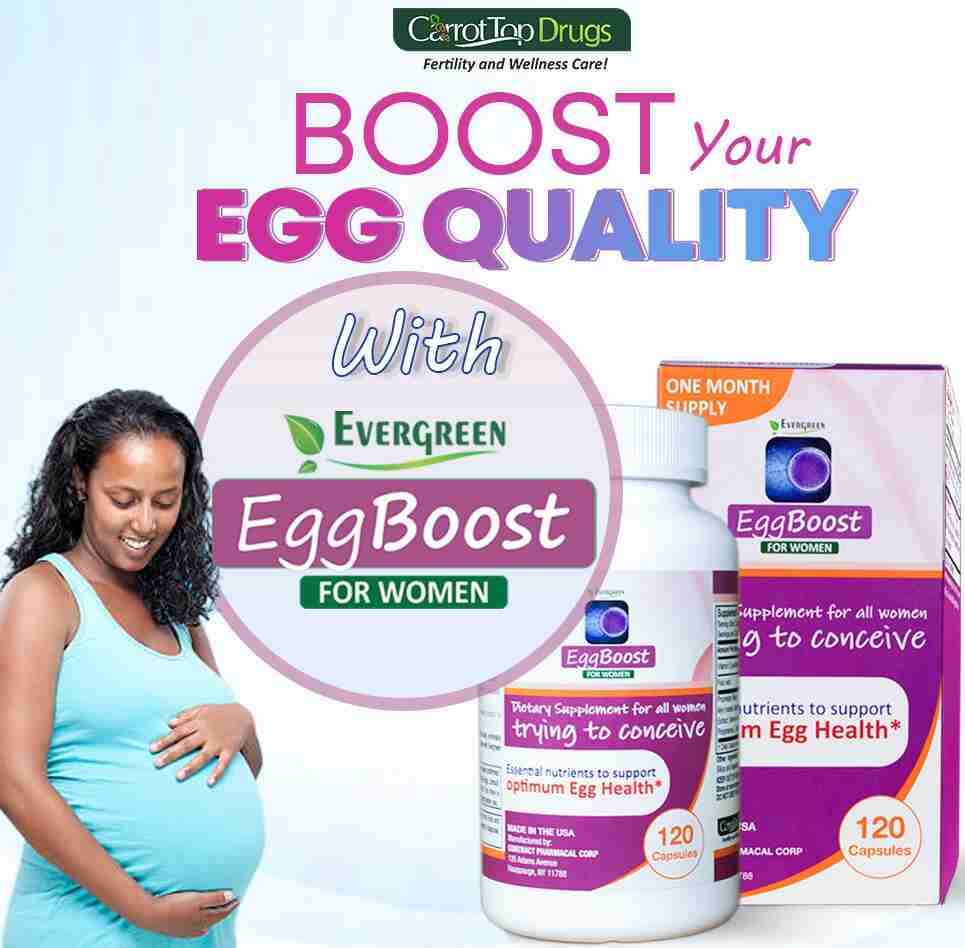
Evergreen EggBoost for Women
Evergreen EggBoost for Women targets the two mechanisms with the most consistent IVF outcome data: CoQ10 for mitochondrial ATP production in the oocyte, and myo-inositol for restoring follicular insulin signalling and reducing meiotic error rates. For women asking what supplements should you take before IVF, these are the two compounds that appear most frequently in IVF-specific trial literature, and EggBoost delivers both.
The recommended dose is two capsules twice daily with a meal, started at least 90 days before your scheduled retrieval.
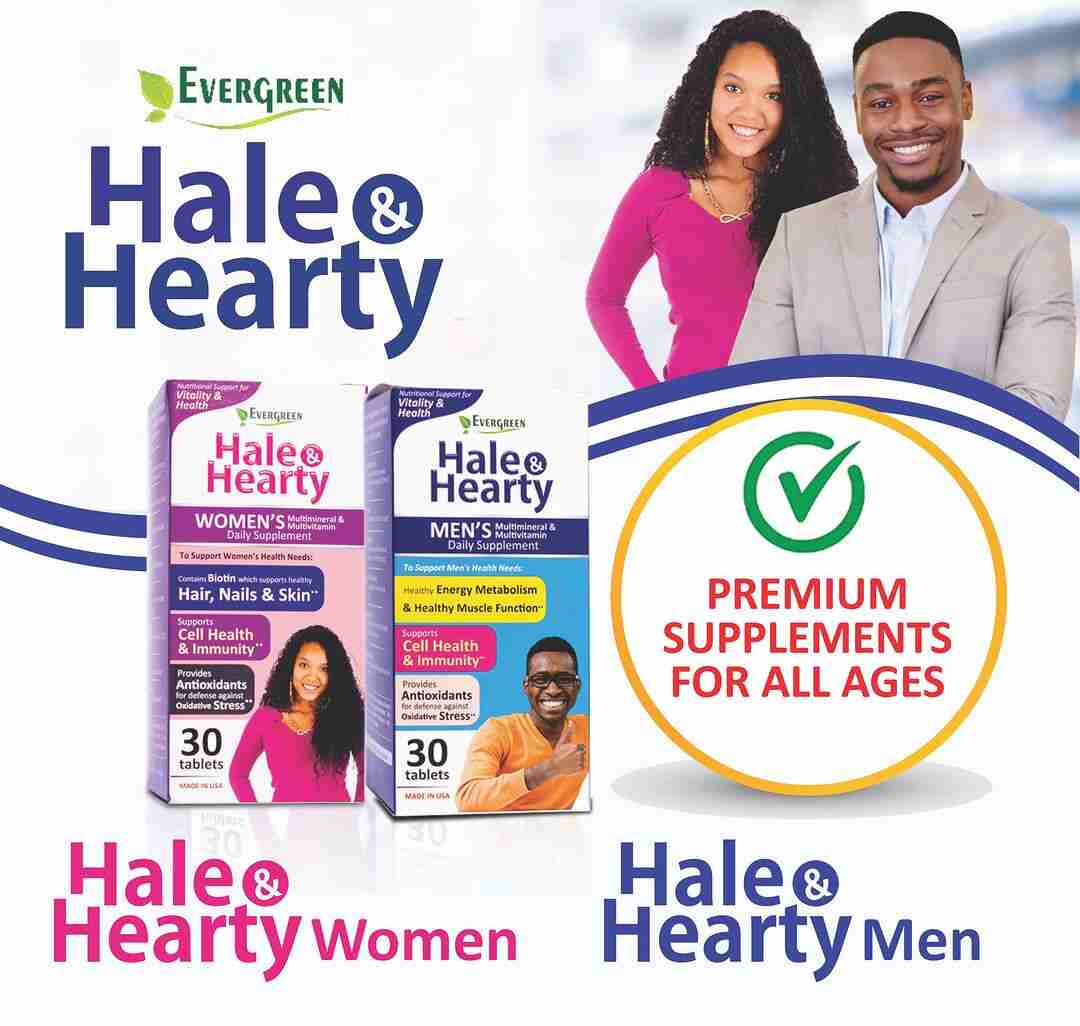
Evergreen Formula for Women
The broader nutritional base that IVF preparation requires, spanning B vitamins, antioxidants, trace minerals, and herbal compounds, is covered by Evergreen Formula for Women. It contains Vitamins A, C, B1, B2, B3, B6, B9, and B12, alongside iron, iodine, zinc, selenium, and copper. The herbal components include red clover extract (Trifolium pratense), chasteberry (Vitex) extract, PABA, eleuthero ginseng extract, and ginkgo biloba extract.
Each of those ingredients corresponds to a mechanism described in this article. The formulation is not positioned as an IVF-specific product. What it does is address the nutritional deficiencies and herbal inputs that published research links to better ovarian response, oocyte quality, and endometrial receptivity.
Taken together, EggBoost and Evergreen Formula for Women cover the question of what supplements should you take before IVF across the mitochondrial, antioxidant, hormonal, circulatory, and micronutrient dimensions that IVF outcome research has focused on.
Supplements to Avoid or Be Careful With Before IVF
Some commonly marketed fertility supplements either lack clinical evidence for IVF populations or carry risks worth knowing about.
- DHEA: widely used for poor ovarian responders based on early trial data, but the evidence base is inconsistent and the hormonal effects are real. Use only under the direct supervision of your reproductive endocrinologist, not independently.
- High-dose Vitamin A: fat-soluble and stored in the body. Doses significantly above the recommended daily amount are teratogenic in early pregnancy. Any supplement containing Vitamin A should be at a level that stays within established safe upper limits.
- Herbal supplements not listed above: St John’s Wort, for example, is a documented cytochrome P450 inducer that can reduce the blood levels of medications including some anaesthetics used during egg retrieval.
- Excessive antioxidant dosing: at very high individual doses, antioxidants can paradoxically become pro-oxidants. Combination products at research-backed doses are safer than stacking multiple high-dose individual supplements simultaneously.
Anything you plan to take in the 90 days before retrieval should be disclosed to your IVF clinic. Some clinics pause specific supplements during the stimulation phase or around retrieval. That is their clinical call to make, not a reason to hide what you are taking.
A Note on Male Partner Supplementation
IVF outcome is not determined by egg quality alone. Sperm DNA integrity, motility, and morphology all influence fertilisation rate and embryo development. Sperm take approximately 72 to 74 days to mature through spermatogenesis. The same 90-day pre-retrieval window that applies to egg quality interventions also applies to sperm quality interventions.
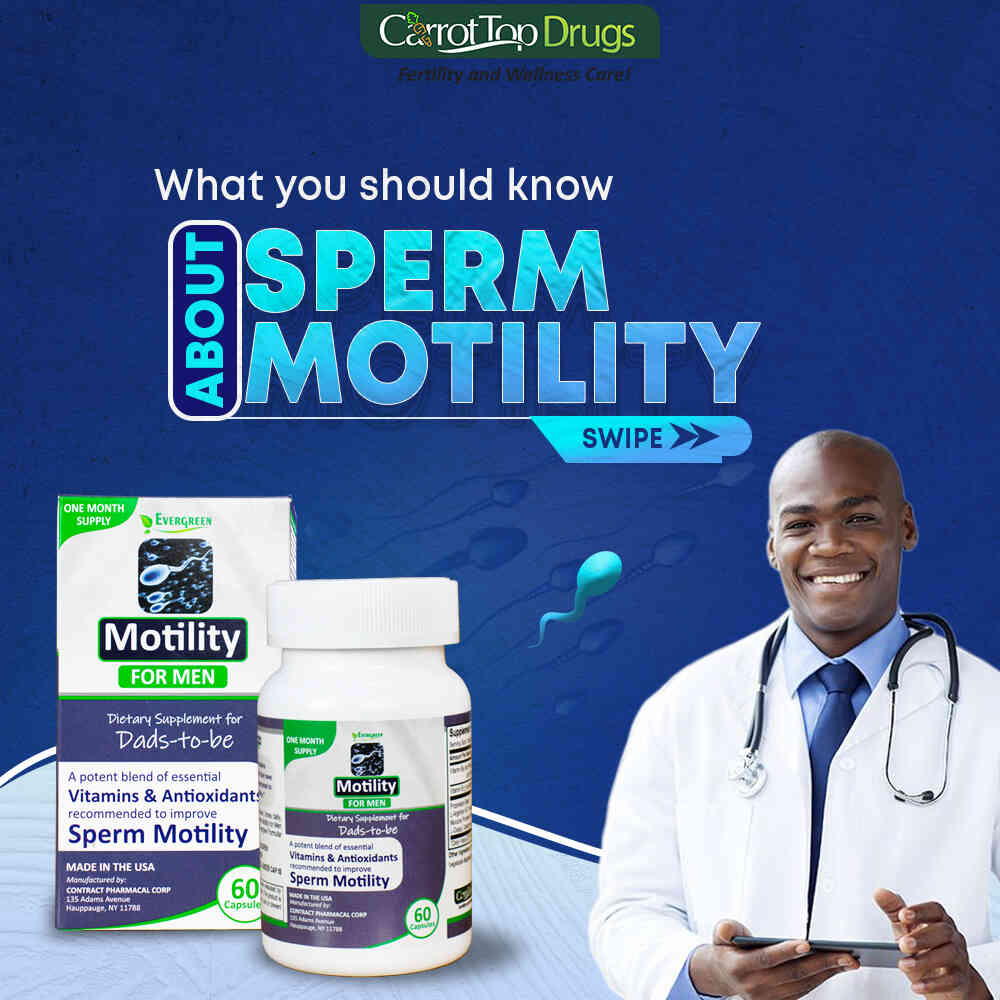
CoQ10, zinc, selenium, Vitamin C, and folate all have published data supporting improved sperm parameters. A male partner who starts supplementing at the same time as the female partner is investing in the same IVF cycle with compounds that address both sides of the equation.
Questions That Come Up Most Often
What supplements should you take before IVF if you have PCOS?
Myo-inositol gets the most IVF-specific evidence for PCOS. CoQ10 addresses the mitochondrial deficits that are common in PCOS-affected oocytes. Vitamin D is frequently deficient in women with PCOS and consistently associated with worse IVF outcomes when not corrected. All three together address the main mechanisms through which PCOS impairs IVF response.
What supplements should you take before IVF if you have poor ovarian reserve?
CoQ10 has the most direct evidence for poor ovarian reserve specifically, with published trials showing improved oocyte counts and quality at retrieval. DHEA is used in some clinics for this population but requires medical supervision. Vitamin D correction is always warranted if levels are low.
Can I start these supplements after my stimulation begins?
Starting during stimulation is better than not starting at all, but the biological window that matters is the 90 days before retrieval. Most of the mitochondrial and chromosomal changes that determine oocyte quality happen during folliculogenesis, well before the stimulation phase begins.
My clinic did not mention supplements. Should I tell them what I am taking?
Yes, always. Some supplements interact with medications used in IVF protocols. Some clinics pause certain products during the stimulation phase. Your clinic needs the full picture to make informed decisions about your protocol. Most will be supportive of evidence-based supplementation; some will have specific preferences about timing and dose.
Conclusion
The full answer to what supplements should you take before IVF comes down to a few well-supported compounds, taken consistently for at least 90 days before retrieval. CoQ10 for mitochondrial energy. Myo-inositol for follicular insulin signalling and meiotic accuracy. Folate for DNA synthesis and embryo development. Vitamin D for ovarian and endometrial function. Antioxidants for oxidative protection during stimulation. Zinc, selenium, and B vitamins for the enzymatic and cofactor roles that the above compounds depend on.
The herbal compounds add hormonal and circulatory support that the nutritional compounds alone do not cover. Vitex for luteal phase adequacy. Ginkgo for ovarian perfusion. Eleuthero for cortisol buffering. Red clover for estrogen receptor signalling.
None of this replaces your IVF protocol. What it does is improve the biological starting point that the protocol works with. The eggs that respond to stimulation were developing for 90 days before your retrieval date. Those 90 days are when what supplements should you take before IVF stops being an abstract question and starts being a concrete decision worth making well.