Introduction
Top fertility vitamins play a real role in reproductive health. Many women searching for vitamins to get pregnant fast want quick, safe options. The truth is that timing and nutrient quality both matter. This guide covers what vitamins help you get pregnant, backed by real research. We’ll also cover recommended doses, safety notes, and trusted supplement options. As a fertility-focused writer, I’ve reviewed clinical guidelines from ACOG, NIH, and peer-reviewed studies. This article breaks down the best vitamins to take when planning a pregnancy.
Many couples start this search after months of trying. Others start early, wanting to give conception the best possible chance. Either way, understanding what vitamins to take prior to conceiving helps. Some nutrients matter for every woman, regardless of age or history. Others matter more for specific groups, like women over 35. This guide separates the essentials from the optional extras. By the end, you’ll know which top fertility vitamins deserve a place in your routine.
Why Top Fertility Vitamins Matter Before Conception
Nutrient stores build up over months, not days. This is why top fertility vitamins should start early. Egg maturation takes about ninety days to complete. Nutrient deficiencies during this window can affect egg quality. Sperm also takes roughly three months to develop fully. That’s why couples benefit from starting supplements together. Research shows women who take prenatal vitamins before conceiving report better outcomes. A large study found earlier prenatal vitamin use shortened time to pregnancy. This supports starting vitamins before, not after, a positive test.
Folic Acid (Vitamin B9)
Folic acid tops nearly every list of top fertility vitamins. It’s essential for preventing neural tube defects in early pregnancy. ACOG recommends at least 400 mcg daily for most women. Women planning a pregnancy should start folic acid one to three months early. Some clinicians recommend up to 800 mcg for extra protection. Women with a prior neural tube defect pregnancy may need 4,000 mcg. Folic acid also supports healthy homocysteine levels linked to fertility. This makes it one of the vitamins you should take prior to conceiving.
Vitamin B6
Vitamin B6 is often paired with folic acid in fertility formulas. It supports hormone balance and healthy ovulation cycles. Research links B6 supplementation to improved luteal phase function. Low B6 levels have been associated with irregular cycles. The typical dose for women planning pregnancy is about 1.9 to 20 mg daily. Higher doses exist in some prenatal formulas for nausea relief. This nutrient is a key answer to what vitamins help you get pregnant.
Read more on Vitamin B6 for fertility.
Vitamin B12
Vitamin B12 works closely with folate to support healthy cell division. Deficiency in B12 has been linked to ovulatory infertility. Vegetarians and vegans face a higher risk of low B12 levels. Most prenatal formulas include 12 to 150 mcg of B12 daily. Adequate B12 also helps lower homocysteine, a marker tied to miscarriage risk. This is why many consider B12 among the best vitamins for planning pregnancy. Couples asking what vitamins to take prior to conceiving should not skip this one.
Myo-Inositol and D-Chiro-Inositol
Myo-inositol has become one of the most researched top fertility vitamins. It’s especially helpful for women with PCOS-related infertility. One study combined 4,000 mg of myo-inositol with 400 mcg folic acid daily. Ovulation occurred in 69.5% of women on this combination. Only 21% ovulated on folic acid alone. The typical effective range is 2,000 to 4,000 mg daily. D-chiro-inositol works alongside myo-inositol, but the ratio matters. Research suggests the natural body ratio is about forty to one. Too much D-chiro-inositol may actually reduce egg quality. IVF studies show myo-inositol can improve oocyte and embryo quality. This makes it a strong answer to vitamins to get pregnant fast.
For more information on Myo-inositol, read up: Myo-Inositol for Fertility: How It Boosts Egg Quality and Ovarian Function
Vitamin C
Vitamin C is a well-known antioxidant with fertility benefits. It helps protect eggs from oxidative stress damage. Vitamin C also supports iron absorption from food and supplements. Most prenatal formulas include 70 to 120 mg of vitamin C. Some fertility-specific blends include higher antioxidant doses. This nutrient remains a staple among the best vitamins to take when planning a pregnancy.
Vitamin D
Vitamin D receptors exist throughout the reproductive system. This includes the ovaries, uterus, and endometrium. Vitamin D-sufficient women undergoing IVF had higher pregnancy rates. A 2019 meta-analysis in Human Reproduction Update confirmed this. Most guidelines recommend 600 to 2,000 IU daily before conception. Blood testing can confirm whether higher doses are needed. Vitamin D deficiency is common, making it a key fertility vitamin. This is one reason it appears in nearly every top fertility vitamins list.
Read up: The Role of Vitamin D in Fertility
Vitamin E
Vitamin E is another antioxidant included in many fertility formulas. It helps protect cell membranes, including those in developing eggs. Most prenatal vitamins provide about 15 mg, or 22 IU, daily. Vitamin E is often paired with vitamin C for added antioxidant support. Together, they round out a well-formulated top fertility vitamins routine.
Read more on the role of Vitamin E in female fertility.
Coenzyme Q10 (CoQ10)
CoQ10 supports mitochondrial energy inside developing eggs. Energy production matters most for women over 35. Research shows CoQ10 may improve ovarian response during IVF. Typical doses range from 200 to 600 mg daily. Most specialists suggest starting eight to twelve weeks before trying to conceive. CoQ10 also appears to support sperm quality and motility. It’s frequently listed among vitamins to get pregnant fast for couples over 35.
Read more on Coenzyme Q10: Role of Coenzyme Q10 on ovulation and Increase Conception rate with Coenzyme Q10.
Omega-3 Fatty Acids (DHA)
Omega-3s, especially DHA, support hormone regulation and egg membrane health. They also reduce inflammation that can interfere with ovulation. Most guidelines suggest 200 to 1,000 mg of DHA daily. Fish oil and algae-based supplements are both common sources. Omega-3s are a core part of what vitamins help you get pregnant. They also prepare the body for healthy fetal brain development later.
Iron
Iron supports healthy ovulation and red blood cell production. Iron deficiency is linked to ovulatory infertility in several studies. Women trying to conceive need about 18 mg of iron daily. This need rises to 27 mg once pregnancy begins. Iron works best when paired with vitamin C for absorption. This mineral is essential among the best vitamins to take when planning a pregnancy.
Selenium
Selenium is a trace mineral that supports thyroid and reproductive health. It also helps protect eggs and sperm from oxidative damage. Most prenatal formulas contain 60 to 200 mcg of selenium. Selenium matters for both partners preparing to conceive. It’s a smaller player among top fertility vitamins, but still important.
Zinc
Zinc supports hormone production, egg maturation, and cell division. Low zinc levels have been linked to irregular ovulation. Most prenatal supplements include around 20 mg of zinc daily. Zinc also supports male fertility, including sperm quality. This makes it a useful addition when planning a pregnancy together.
N-Acetyl-Cysteine (NAC)
NAC is an antioxidant precursor that may support egg quality. It’s often discussed for women with PCOS-related fertility challenges. Some research suggests NAC may support ovulation alongside other treatments. Typical doses used in studies range from 600 to 1,200 mg daily. NAC is a newer addition to many top fertility vitamins formulas. Always check with your doctor before adding it to your routine.
L-Arginine and Acetyl L-Carnitine
L-arginine may support healthy blood flow to the uterus and ovaries. Better blood flow may support a healthier uterine lining. Acetyl L-carnitine supports mitochondrial energy, much like CoQ10. Both nutrients are less common but appear in advanced fertility blends. Typical doses range from 500 to 3,000 mg for L-arginine. Acetyl L-carnitine is often dosed between 500 and 1,000 mg daily. These are optional additions to a core top fertility vitamins routine.
Evergreen Formula for Women and Evergreen Eggboost for Women
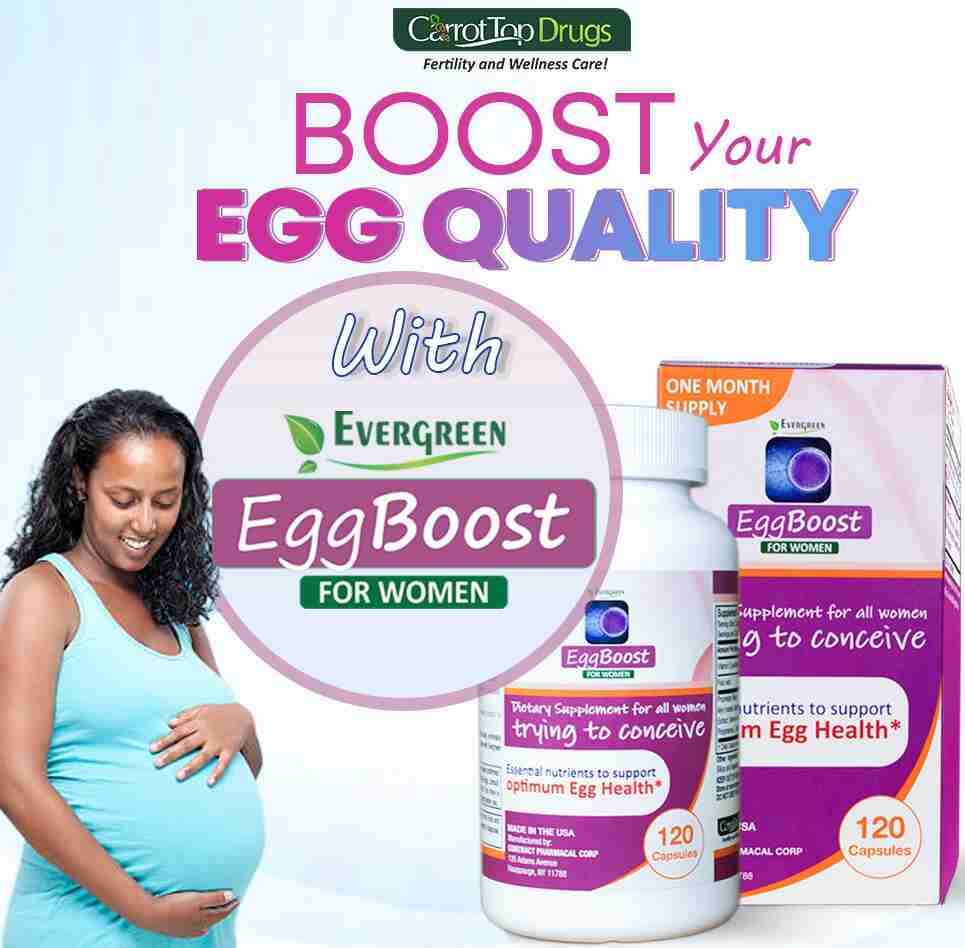
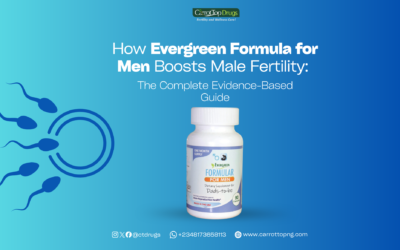
Choosing the right supplement can feel overwhelming with so many options. Evergreen Formula for Women is built around core preconception nutrients. It contains vitamin C, vitamin E, folic acid, vitamin B6, and vitamin B12. These are the same nutrients highlighted throughout ACOG and NIH preconception guidance. Evergreen Eggboost for Women takes a different, egg-quality-focused approach instead. It contains coenzyme Q10, myo-inositol, and other supporting nutrients. Together, these two formulas reflect much of the research reviewed in this article. Many women pair a core prenatal with an egg-quality formula like this one. If you’re comparing options, check that doses match the ranges described above. Always confirm with your OBGYN before combining multiple supplements together. This helps you avoid excess intake of fat-soluble vitamins like A, D, and E. Evergreen’s two-formula approach mirrors current thinking on top fertility vitamins. Individual results vary, and no supplement can guarantee pregnancy for everyone.
Read up on the synergistic effect of Evergreen Formula and Evergreen Eggboost for Women.
How to Choose the Best Prenatal Supplement
Start by checking the folic acid or folate dose first. Then look for vitamin D, B12, iron, and omega-3 content. Women over 35 may want CoQ10 included as well. Women with PCOS may benefit more from added myo-inositol. Always choose third-party tested brands when possible. Discuss your full supplement list with your OBGYN before starting. This helps you avoid duplicate or excessive nutrient doses. A thoughtful approach beats simply buying the first top fertility vitamins bottle you see.
Food Sources That Support Top Fertility Vitamins
Supplements work best alongside a nutrient-rich diet. Leafy greens, lentils, and citrus fruits provide natural folate. Salmon, sardines, and eggs offer vitamin D and omega-3s together. Nuts and seeds are strong sources of vitamin E and zinc. Red meat, beans, and spinach help meet daily iron needs. Brazil nuts are famous for their high selenium content. Combining food and supplements is often the most reliable path. This pairing helps top fertility vitamins work as intended, not as a shortcut.
Lifestyle Habits That Support Fertility Vitamin Absorption
Vitamins work better when paired with healthy daily habits. Regular sleep helps regulate the hormones tied to ovulation. Limiting alcohol and quitting smoking both support nutrient absorption. Managing stress may also support hormone balance during this window. Moderate exercise supports blood flow to reproductive organs. Staying hydrated helps the body use water-soluble vitamins like B6 and B12. None of these habits replace medical care or targeted supplementation. Still, they help top fertility vitamins do their job more effectively.
Safety Notes Before Starting Any Fertility Supplement
Not every supplement is safe for every person. Fat-soluble vitamins like A, D, and E can build up in the body. Excess vitamin A intake during pregnancy carries specific risks. High-dose iron can cause stomach upset in some women. Some fertility supplements may interact with thyroid or diabetes medication. Always share your full supplement list with your OBGYN. This is especially important before combining several top fertility vitamins products at once. A quick blood panel can also confirm which nutrients you actually need.
Frequently Asked Questions
Can taking prenatal vitamins increase chances of getting pregnant?
Some research suggests yes, though results vary by individual. One large study linked early prenatal vitamin use to a shorter time to pregnancy. Prenatal vitamins support ovulation, egg quality, and hormone balance. They are not a guaranteed fix for infertility, though. Speak with your OBGYN about your personal fertility picture.
What vitamins should you take prior to conceiving?
Folic acid, vitamin D, B12, B6, and iron are core choices. CoQ10 and myo-inositol may help specific groups, like women over 35. A full prenatal multivitamin usually covers these baseline needs. Ask your doctor before adding extra standalone supplements.
What are the best vitamins to take when planning a pregnancy?
Folic acid remains the single most important vitamin before conception. Vitamin D, B12, iron, and omega-3s also play major roles. Women with PCOS may add myo-inositol for extra ovulation support. Together, these make up the top fertility vitamins most doctors recommend.
How long before conceiving should I start taking vitamins?
Most guidelines recommend starting one to three months early. This gives folic acid and other nutrients time to build up. Egg maturation takes about ninety days to complete fully. Starting early gives top fertility vitamins time to actually work.
Are vitamins to get pregnant fast actually effective?
No supplement can guarantee a fast pregnancy for every woman. Nutrient support can improve the conditions for conception, though. Correcting deficiencies in folic acid, vitamin D, or iron often helps. Results vary based on age, health history, and underlying fertility factors.
Can men benefit from fertility vitamins too?
Yes, several nutrients support male fertility as well. CoQ10 has been linked to better sperm quality and motility. Folic acid and zinc also support healthy sperm development. Couples trying to conceive often benefit from both partners supplementing.
Should You Test Nutrient Levels Before Supplementing?
Blood testing can reveal which nutrients you actually lack. This is especially useful for vitamin D, iron, and B12 levels. Testing helps avoid guessing with top fertility vitamins doses. Your OBGYN can order a simple preconception nutrient panel. Results guide whether you need standard or higher-dose supplements. This step is optional but genuinely useful for tailored planning. It also helps confirm progress after a few months of supplementation.
Final Thoughts
Top fertility vitamins won’t replace medical care, but they help. Folic acid, vitamin D, B12, iron, and CoQ10 form a strong foundation. Women with PCOS may add myo-inositol for extra support. Products like Evergreen Formula for Women and Evergreen Eggboost for Women simplify this process. Still, always loop in your OBGYN before starting anything new. The right top fertility vitamins routine is personal, evidence-based, and worth planning early.