Introduction
Understanding the relationship between PCOS, insulin resistance and infertility can change how you approach treatment. Millions of women face this trio of conditions every year. PCOS, or polycystic ovary syndrome, often hides a deeper problem underneath. That problem is insulin resistance, and it quietly fuels infertility.
This guide breaks the science down in plain language. You will learn the warning signs, the testing process, and proven treatment paths. We also cover natural strategies, a Nigeria friendly diet plan, and helpful supplements. By the end, you will know exactly how these conditions connect, and what to do next.
What Is PCOS and How Does It Affect Fertility?
Polycystic ovary syndrome, or PCOS, is one of the most common hormonal disorders in women. According to Johns Hopkins Medicine, it affects more than one in eight women of reproductive age worldwide.
Doctors diagnose PCOS when a woman shows at least two of three signs. These include irregular periods, high androgen levels, and ovarian cysts seen on ultrasound. Many women only discover they have PCOS while trying to conceive. That happens because PCOS often disrupts ovulation, the release of a mature egg.
Without regular ovulation, pregnancy becomes much harder to achieve naturally. However, PCOS rarely works alone. In most cases, insulin resistance sits quietly behind the scenes. Together, these two conditions create the relationship between PCOS, insulin resistance and infertility explored in this article.
Understanding Insulin Resistance in PCOS
Insulin is a hormone your pancreas releases after every meal. It helps move sugar from your blood into your cells for energy. In insulin resistance, your cells stop responding properly to insulin. Your pancreas then pumps out even more insulin to compensate.
Doctors call this extra output hyperinsulinemia, and it raises blood insulin levels significantly. According to the Cleveland Clinic, insulin resistance often shows no obvious symptoms at first.
For women with PCOS, the effects reach far beyond blood sugar. Excess insulin pushes the ovaries to produce more androgens, like testosterone. Higher androgen levels disrupt the hormonal signals that control your menstrual cycle. Research shows insulin resistance affects between fifty and eighty percent of women with PCOS. This makes it one of the most common, yet overlooked, drivers of PCOS symptoms.
How Does Insulin Resistance Lead to Infertility in Women With PCOS?
This question sits at the center of the relationship between PCOS, insulin resistance and infertility. Here is how the process unfolds, step by step.
First, excess insulin signals your ovaries to produce more androgens. These higher androgen levels interfere with normal follicle development. Follicles are tiny sacs that hold developing eggs. When androgens rise too high, follicles stop maturing correctly. As a result, ovulation becomes irregular or stops completely. Without ovulation, no egg is available for fertilization that month.
Additionally, high insulin levels lower a protein called sex hormone binding globulin. This protein normally controls how much testosterone circulates freely in your blood. When levels drop, even more free testosterone reaches your tissues. Over time, this cycle worsens both metabolic health and fertility.
Research published in PMC confirms that insulin resistance plays a central role in PCOS related infertility. The good news is that this cycle can often be interrupted. Lowering insulin levels frequently helps restore regular ovulation.
PCOS Hormonal Imbalance and Infertility: The Bigger Picture
PCOS hormonal imbalance and infertility rarely involve just one hormone. Insulin, androgens, luteinizing hormone, and follicle stimulating hormone all play a part.
Luteinizing hormone, often called LH, triggers ovulation in a healthy cycle. In PCOS, LH levels often rise too high compared to follicle stimulating hormone. This imbalance prevents follicles from releasing a mature egg on time. Meanwhile, insulin resistance keeps fueling excess androgen production in the ovaries.
The thyroid and adrenal glands can also influence this picture. That is why doctors often run several hormone tests together. Treating only one hormone rarely solves the whole problem. Instead, effective care addresses insulin, androgens, and ovulation as a connected system.
Insulin Resistance PCOS Symptoms Every Woman Should Watch For
Many insulin resistance PCOS symptoms develop slowly and quietly. You may notice weight gain, especially around your waist and abdomen. Some women develop dark, velvety patches of skin on their neck or underarms. Doctors call this acanthosis nigricans, and it signals high insulin levels. Skin tags often appear in the same areas as these patches.
Other common signs include intense sugar cravings and constant fatigue after meals. Irregular or missing periods are another major warning sign. Excess facial or body hair growth can also point to high androgens. Acne that appears suddenly in adulthood is another clue worth noting.
For Nigerian women with PCOS, these symptoms often go unnoticed for years. Limited awareness and limited access to testing can delay diagnosis significantly. If you notice several of these signs together, speak with a doctor soon. Early action gives you more options for protecting your fertility.
The Connection Between High Insulin Levels and Irregular Periods
High insulin levels and irregular periods are closely linked in PCOS. Insulin does not just manage blood sugar inside your body. It also acts as a signal to your ovaries and pituitary gland.
When insulin levels stay high, your ovaries produce extra androgens. These androgens interfere with the normal rise and fall of reproductive hormones. Your menstrual cycle depends on a careful hormonal rhythm each month. High insulin throws off that rhythm, delaying or blocking ovulation.
This often leads to cycles that arrive late, early, or not at all. Some women go months without a period because of this imbalance. Bringing insulin levels down often helps restore a more regular cycle over time.
Does Insulin Resistance Make It Harder to Get Pregnant With PCOS?
Yes, insulin resistance does make it harder to get pregnant with PCOS. Studies show women with insulin resistance ovulate less often than those without it. One study found that insulin resistant women had lower pregnancy rates during fertility treatment.
Even when ovulation does occur, high insulin can affect egg quality. It may also affect how well the uterine lining supports implantation. This does not mean pregnancy is impossible for these women. It simply means extra steps may be needed first.
Improving insulin sensitivity often improves the odds of a successful pregnancy. Many women see real progress within a few months of treatment. Patience and consistent care make a meaningful difference here.
Diagnosing PCOS and Insulin Resistance
A proper diagnosis combines several different tests and checks. Your doctor will likely start with a detailed medical history. They will ask about your periods, weight changes, and family history.
A pelvic ultrasound checks for the follicle pattern linked to PCOS. Blood tests measure hormones like testosterone, LH, and FSH. For insulin resistance, doctors often order a fasting glucose and insulin test. The HOMA IR score calculates insulin resistance from these two results.
Some clinics also check cholesterol, blood pressure, and waist size. These extra checks reveal how insulin resistance is affecting your metabolism. Getting tested early gives you a clearer treatment roadmap. It also helps your doctor track your progress over time.
PCOS Insulin Resistance Infertility Treatment Options in Nigeria
Several PCOS insulin resistance infertility treatment options in Nigeria exist today. Public and private fertility clinics across major cities now offer testing and care.
Clomiphene citrate remains a common first choice for inducing ovulation. A study from Niger State found it worked alone in many cases. However, combining clomiphene with metformin produced even better pregnancy rates. In that same study, the combination raised pregnancy rates close to fifty percent.
Letrozole is another medication doctors sometimes use to trigger ovulation. For more advanced cases, gonadotropin injections can stimulate the ovaries directly. In vitro fertilization, or IVF, remains an option when other treatments fail.
A survey in Enugu found PCOS present in nearly one in five infertile women. This shows the condition is far from rare in Nigeria. Seeking care from a gynecologist or fertility specialist marks the first step.
Metformin for PCOS and Infertility: What You Should Know
Metformin for PCOS and infertility is one of the most studied treatments available. Doctors originally designed this medication to manage type 2 diabetes. It works by improving how your cells respond to insulin.
Lower insulin levels often lead to lower androgen levels too. For many women, this helps restore more regular ovulation. Research from PMC shows metformin can trigger ovulation in some women with PCOS. However, evidence for higher live birth rates remains limited.
Doctors often pair metformin with clomiphene for stronger results. Common side effects include nausea, bloating, and mild stomach upset. These effects usually fade after a few weeks of use. Never start metformin without guidance from a qualified doctor, since dosing varies by person.
How to Reverse Insulin Resistance With PCOS to Restore Fertility
Many women ask how to reverse insulin resistance with PCOS naturally. The honest answer involves consistent, gradual lifestyle changes. Insulin resistance rarely improves overnight, but it can improve steadily.
Weight loss, even a modest amount, often makes a noticeable difference. Research shows that losing just five to ten percent of body weight helps. This small change can restore ovulation in many women with PCOS.
Regular physical activity also improves how your cells use insulin. Aim for at least thirty minutes of movement most days. Walking, dancing, swimming, and strength training all count toward this goal.
Better sleep plays a surprisingly large role in insulin sensitivity too. Poor sleep raises stress hormones, which worsen insulin resistance further. Reducing stress through simple daily habits supports this process as well.
While PCOS itself has no permanent cure, you can manage insulin resistance well. Managing it effectively often restores fertility for many women naturally.
Best Diet for PCOS and Insulin Resistance in Nigeria
Finding the best diet for PCOS and insulin resistance in Nigeria starts with simple swaps. You do not need expensive imported foods to eat well.
Focus on local foods with a low glycemic index. Beans, unripe plantain, brown rice, and whole grains digest more slowly. Slower digestion means smaller spikes in blood sugar and insulin. Vegetables like ugu, water leaf, and okra add fiber and nutrients. Fiber slows sugar absorption and supports healthy gut bacteria.
Try to limit white bread, white rice, and sugary pap. Sugary drinks, including soft drinks and sweetened juices, deserve special attention. These drinks cause rapid blood sugar spikes that worsen insulin resistance.
Healthy fats from groundnuts, avocado, and fish support hormone balance. Lean protein, like fish, chicken, and eggs, helps you feel full longer. Smaller, more frequent meals can also help stabilize blood sugar. Cooking at home gives you more control over portion sizes and ingredients. Small, steady changes work better than extreme, short term diets.
Natural Ways to Manage Insulin Resistance and PCOS for Conception
Many women search for natural ways to manage insulin resistance and PCOS for conception. Diet and exercise form the foundation of any natural approach. However, several other habits can support your hormones too.
Researchers have studied cinnamon for its possible effect on blood sugar. Some studies suggest it may modestly improve insulin sensitivity over time. Staying hydrated also supports healthy digestion and overall metabolic function.
Managing stress through prayer, meditation, or quiet time matters more than people realize. Chronic stress raises cortisol, and high cortisol can worsen insulin resistance. Getting seven to nine hours of sleep supports healthy hormone regulation.
Some women also explore supplements that support insulin sensitivity and egg quality. We cover specific supplement options in the next section. Always combine natural strategies with regular checkups from your doctor. Natural methods work best alongside, not instead of, medical care.
Supplements That Support Egg Quality and Hormonal Balance
Some women add targeted supplements to their PCOS care plan. These supplements do not replace medical treatment or a healthy diet. Instead, they aim to fill nutritional gaps that affect fertility.
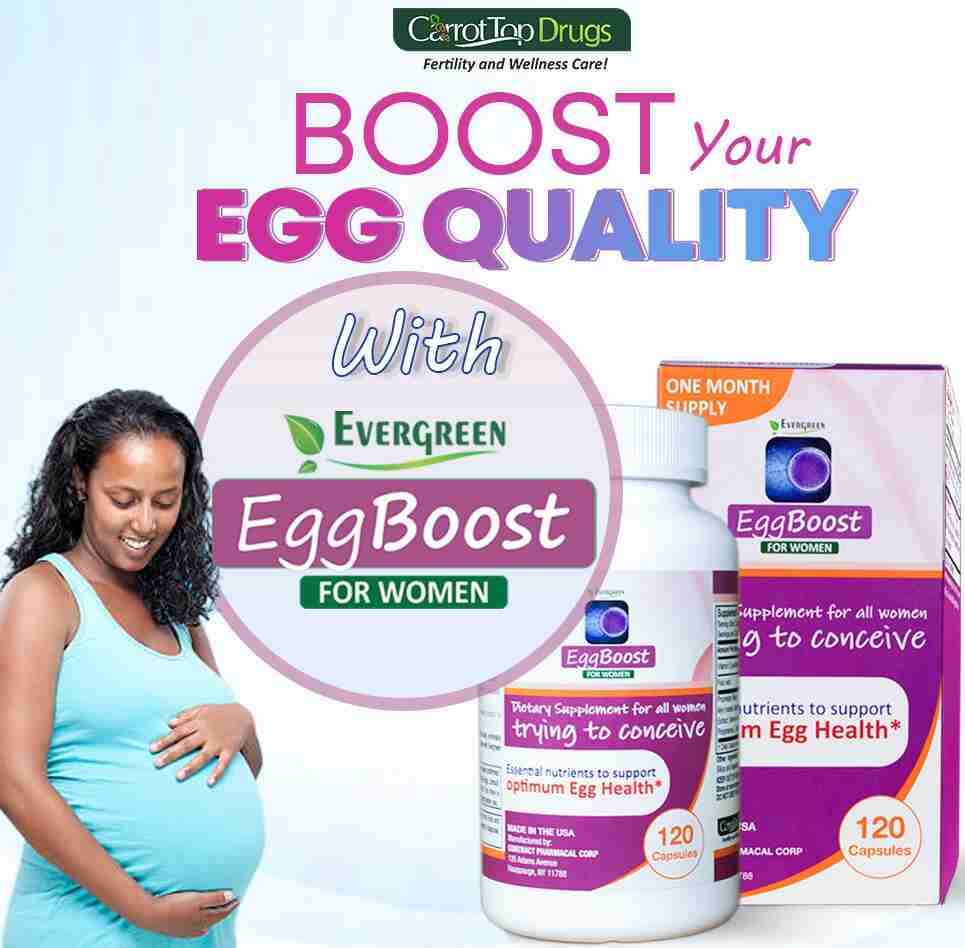
A supplement formulated for women actively trying to conceive. It promotes oocyte quality and ovarian function. Studies in PMC link myo-inositol to improved insulin sensitivity and more regular cycles in women with PCOS. Melatonin and vitamin E act as antioxidants that support healthy oocyte development. Grape seed extract provides similar antioxidant support for the ovaries. Folic acid supports healthy cell division during early pregnancy.
Key ingredients: Myo-inositol, folic acid, melato
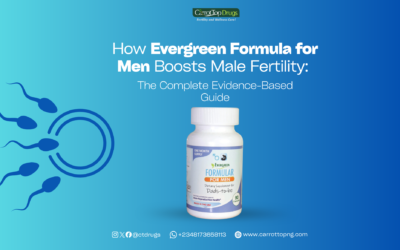
A fertility adjuvant for the dietetic management of idiopathic infertility in women. It takes a broader, whole body approach. Idiopathic infertility means no clear medical cause has been found. Micronutrient nin, vitamin E, grape seed extract
gaps can quietly affect ovulation, egg quality, and hormone balance. A broad spectrum formula like this aims to help close those gaps.
Key ingredients: Vitamins A, C, D3, E, B1, B2, B3, B6, folic acid, B12, pantothenic acid, iron, iodine, magnesium, zinc, selenium, copper
Before starting any supplement, talk to your doctor or pharmacist first. This step matters most if you already take metformin or other medications. Your doctor can confirm these supplements fit safely into your overall plan.
PCOS Now Has a New Name: What It Means for Your Fertility
In May 2026, a major global update changed how doctors describe PCOS. A consensus published in The Lancet renamed the condition polyendocrine metabolic ovarian syndrome, or PMOS.
More than fifty patient and medical groups took part in this decision. According to the Endocrine Society, the goal was to better reflect the condition’s hormonal and metabolic nature. The old name suggested the problem was only about ovarian cysts. In reality, many women with PCOS never develop ovarian cysts at all.
Mayo Clinic and other major health systems have already started using the new name. The underlying biology, including insulin resistance and its effect on fertility, has not changed at all. You may see both PCOS and PMOS used during this transition period.
If your doctor mentions PMOS, know that it refers to the same condition. The relationship between PCOS, insulin resistance and infertility remains exactly as important under either name.
When to See a Doctor
Do not wait too long if you suspect PCOS or insulin resistance. See a doctor if your periods are irregular or absent for months. Unexplained weight gain, especially around your midsection, is another reason to get checked.
Dark skin patches, skin tags, or sudden acne also deserve attention. If you have been trying to conceive for over a year without success, seek help. Women over thirty five should seek help after just six months of trying.
Early evaluation often leads to simpler, less invasive treatment options. A gynecologist, endocrinologist, or fertility specialist can guide your next steps. You do not have to manage this alone.
Frequently Asked Questions
How does insulin resistance lead to infertility in women with PCOS?
High insulin levels push the ovaries to make extra androgens. These androgens disrupt follicle growth and stop regular ovulation. Without ovulation, pregnancy cannot happen naturally that month.
Can treating insulin resistance cure PCOS infertility?
Treating insulin resistance often restores ovulation for many women. This significantly improves the chance of natural conception. However, PCOS itself remains a long term condition without a permanent cure.
What are the signs of insulin resistance in Nigerian women with PCOS?
Common signs include weight gain around the waist and dark skin patches. Irregular periods, fatigue, and strong sugar cravings are also frequent. Many women notice these signs years before seeking medical help.
Does metformin help PCOS and infertility in Nigeria?
Yes, metformin can improve insulin sensitivity and support more regular ovulation. Many Nigerian clinics combine it with clomiphene for stronger results. A doctor should always supervise its use and dosage.
Can a woman with PCOS and insulin resistance get pregnant naturally?
Yes, many women conceive naturally after improving insulin resistance. Weight loss, regular exercise, and dietary changes often restore ovulation. Some women need added support from medication or supplements as well.
What is the connection between high insulin levels and irregular periods?
High insulin levels raise androgen production in the ovaries. This disrupts the hormonal signals needed for regular ovulation. As a result, periods often become irregular, delayed, or absent.
How long does it take to reverse insulin resistance with PCOS?
Many women notice changes within three to six months of consistent effort. Diet, exercise, sleep, and stress management all contribute to progress. Results vary, so patience and consistency matter most.
Why is PCOS sometimes called PMOS now?
In May 2026, global health groups renamed PCOS to PMOS. PMOS stands for polyendocrine metabolic ovarian syndrome. The new name better reflects the hormonal and metabolic nature of the condition.
Final Thoughts
The relationship between PCOS, insulin resistance and infertility is complex, but it is not hopeless. Each piece of this puzzle responds to consistent care and attention. Diet, exercise, sleep, and stress management all support better insulin sensitivity.
Medications like metformin, clomiphene, or letrozole can help when lifestyle changes are not enough on their own. Supplements such as Evergreen Eggboost and Evergreen Formula for Women may offer extra support too. However, they work best alongside medical guidance, not in place of it.
Whether your doctor calls it PCOS or PMOS, the path forward looks similar. Get tested, understand your numbers, and build a plan that fits your life. Many Nigerian women have walked this path and gone on to conceive successfully. With the right support, you can too.