Introduction
Female fertility is a topic close to the hearts of millions of women worldwide. Whether a woman is just beginning her journey toward conception or has been trying for some time, understanding the biological foundations of reproductive health — and how to support them — can make a meaningful difference.
Infertility affects approximately one in six people globally, according to the World Health Organization. Among couples facing difficulties, female factors account for roughly 50% of cases. From hormonal imbalances and poor egg quality to nutritional deficiencies and lifestyle influences, the causes of reduced female fertility are varied and often interconnected. Against this backdrop, fertility-support supplements have grown in popularity as a practical, non-invasive option for women looking to optimise their reproductive health.
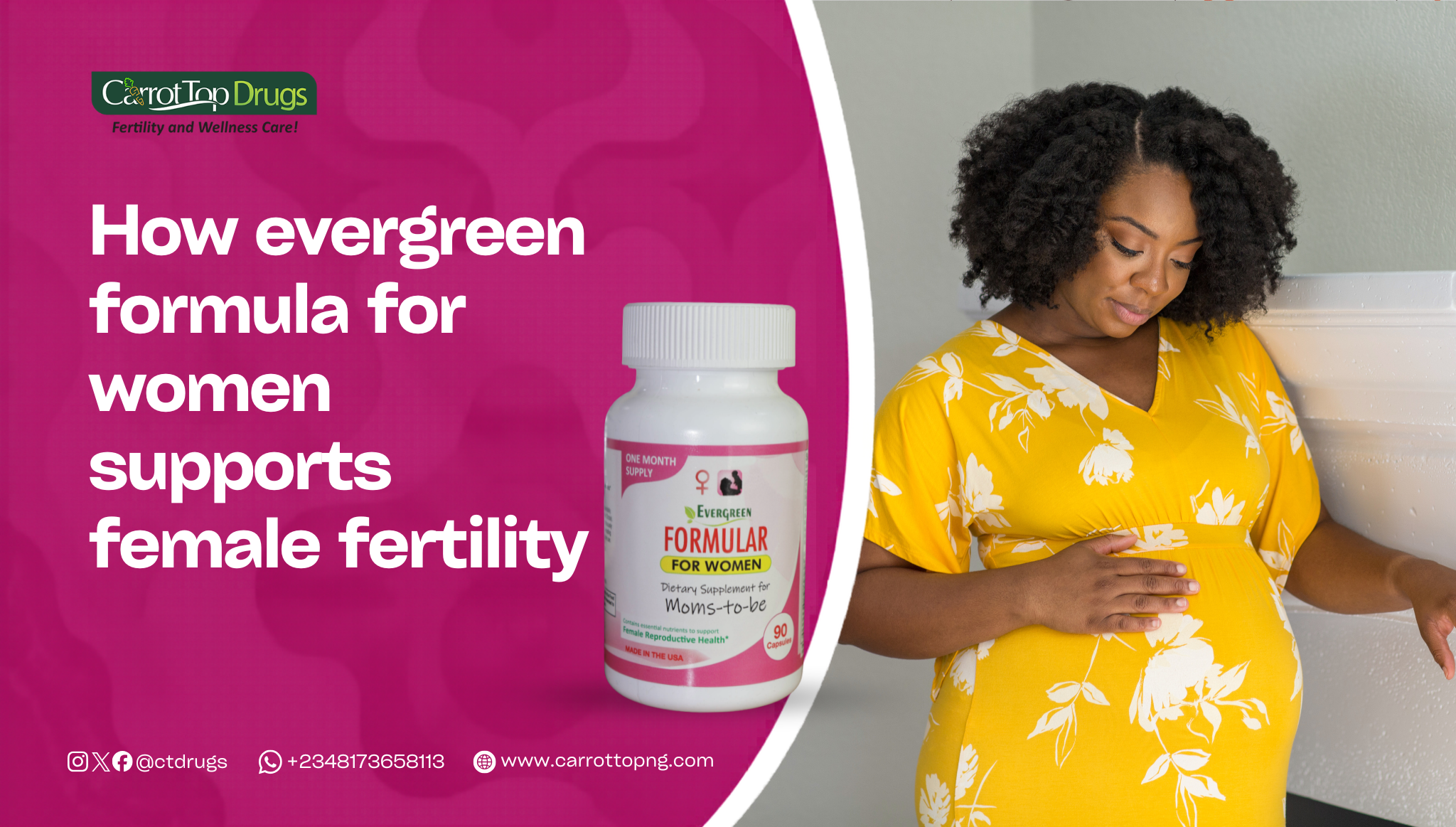
Evergreen Formula for Women is one such supplement. It provides a comprehensive blend of vitamins, minerals, herbal extracts, and antioxidants. These ingredients target the key physiological mechanisms that underlie female fertility. Unlike single-ingredient supplements, it takes a multi-pathway approach to reproductive support.
This article explains how Evergreen Formula for Women works, what fertility mechanisms it addresses, and which women are most likely to benefit from it.
Understanding Female Fertility
What Is Female Fertility?
Female fertility refers to a woman’s capacity to conceive and carry a pregnancy to term. This capacity depends on a carefully orchestrated series of biological processes — from the maturation and release of a healthy egg each cycle, to the successful implantation of a fertilised embryo in a well-prepared uterine lining.
At the centre of female fertility is the menstrual cycle, a monthly hormonal sequence regulated by the hypothalamus, pituitary gland, and ovaries. Disruption in any part of this system can delay or prevent ovulation, cause irregular cycles, and reduce the chances of natural conception.
Key Factors That Influence Female Fertility
Multiple factors determine a woman’s fertility at any given point in her reproductive life:
- Egg quality — the structural and chromosomal integrity of eggs available for fertilisation
- Ovulation — the timely and regular release of a mature egg each cycle
- Hormonal balance — appropriate levels of FSH, LH, oestrogen, and progesterone
- Ovarian function and reserve — the number and quality of eggs remaining in the ovaries
- Uterine health — a receptive endometrial lining capable of supporting implantation
- Age — fertility naturally declines with age, particularly after 35
- Lifestyle factors — including nutrition, stress, body weight, sleep, and toxic exposures
Common Causes of Reduced Female Fertility
Hormonal Imbalances
The reproductive hormones — including oestrogen, progesterone, FSH (follicle-stimulating hormone), and LH (luteinising hormone) — must rise and fall in precise patterns throughout the menstrual cycle. When these hormones fall out of balance, they may disrupt ovulation, shorten the luteal phase, or impair implantation. Conditions such as polycystic ovary syndrome (PCOS), thyroid disorders, and hyperprolactinaemia are common hormonal causes of female infertility.
Poor Egg Quality
Egg quality refers to the chromosomal and mitochondrial health of a woman’s eggs. Eggs with chromosomal abnormalities are far less likely to fertilise successfully or result in a continuing pregnancy. Age, oxidative stress, nutritional status, and ovarian blood supply all influence egg quality.
Oxidative Stress
Oxidative stress occurs when free radicals — unstable molecules generated by environmental toxins, inflammation, and normal metabolic processes — overwhelm the body’s antioxidant defences. A review published in Reproductive Biology and Endocrinology identified oxidative stress as a key driver of subfertility in women, contributing to reproductive disorders including PCOS, endometriosis, and unexplained infertility. Within the reproductive system, oxidative stress can damage egg DNA, impair follicular development, and disrupt hormonal signalling.
Irregular Ovulation
Without regular ovulation, there is no egg available for fertilisation. Irregular or absent ovulation (anovulation) is one of the most common causes of female infertility, affecting up to 40% of women with fertility difficulties. It can result from PCOS, extreme weight changes, thyroid dysfunction, excessive exercise, or stress.
Advanced Maternal Age
A woman is born with all the eggs she will ever have. As she ages, both the quantity and quality of these eggs decline. According to Fertility Answers, 35 is the average age at which a marked decline in natural fertility begins, and by age 40, natural conception rates fall to less than 5% per cycle.
Nutritional Deficiencies
The body requires specific vitamins and minerals to support hormone production, egg development, and uterine health. Deficiencies in folic acid, iron, iodine, zinc, selenium, vitamin D, and B vitamins are all associated with reduced fertility and an increased risk of pregnancy complications.
Lifestyle and Environmental Factors
Smoking, excessive alcohol consumption, obesity, sedentary behaviour, chronic stress, and exposure to environmental toxins and endocrine disruptors can all negatively affect female reproductive function. Addressing these factors is an important part of any comprehensive fertility plan.
How Evergreen Formula for Women Supports Female Fertility
Evergreen Formula for Women supports female fertility through six key physiological mechanisms. Each mechanism addresses a distinct aspect of reproductive function, and together they provide a comprehensive foundation for conception support.
Supports Healthy Ovulation
Ovulation is the cornerstone of natural conception. Without a regularly released, viable egg, fertilisation cannot occur. Healthy ovulation depends on proper hormonal signalling — particularly the appropriate surge of LH mid-cycle — as well as adequate nutrient availability to support follicular development.
Evergreen Formula for Women contains Vitex (Chasteberry), a well-researched herb. Clinical research published in integrative medicine literature indicates that Vitex modulates the pituitary-ovarian axis by binding to dopamine D2 receptors, suppressing prolactin, and thereby restoring normal ovulatory function. A 2006 randomised controlled trial found Vitex comparable to bromocriptine — a pharmaceutical dopamine agonist — for reducing prolactin and restoring ovulation, with fewer side effects.
Additionally, B vitamins and iodine within the formula play important roles in thyroid function and metabolic regulation; both of these processes are closely linked to ovulatory regularity.
Helps Maintain Hormonal Balance
Hormonal balance is essential throughout the menstrual cycle. In the follicular phase, oestrogen drives follicular growth and endometrial thickening. After ovulation, progesterone maintains the uterine lining in preparation for implantation. Deficiency or disproportion in either of these hormones can disrupt the entire cycle.
Vitex in Evergreen Formula for Women has been shown to normalise pituitary gland function and help restore the balance between progesterone and oestrogen — including lengthening a shortened luteal phase and improving mid-luteal progesterone concentrations. Red Clover, another key herbal ingredient, contains isoflavones — plant-based compounds classified as selective estrogen receptor modulators (SERMs). Research published in Fertility and Sterility confirms that red clover isoflavones bind and interact with oestrogen receptors to produce hormonal effects, functioning as agonists or antagonists depending on the underlying hormonal status — making them potentially useful in oestrogen-deficient states.
Supports Healthy Egg Development
Egg development (folliculogenesis) is a complex, nutrient-intensive process that begins months before ovulation. According to research on oocyte maturation, it takes 45–60 days from initial follicular recruitment to the secondary follicle stage, and a further 45–60 days for the egg to reach ovulation — a total window of 90 to 120 days during which nutritional support can meaningfully influence egg health.
Folic acid, included in Evergreen Formula for Women, is critical for DNA synthesis and repair within developing eggs. A study published in PMC found that women who received folic acid supplementation had better quality oocytes and a higher proportion of mature eggs compared to those who did not. Additional research in follicular fluid showed that folic acid supplementation reduces homocysteine concentrations in follicular fluid, correlating with improved oocyte quality following ovarian stimulation.
Zinc supports follicular fluid composition and egg maturation. Selenium, vitamin E, and vitamin C provide antioxidant protection to egg cells during this vulnerable developmental phase. By supplying these nutrients consistently, the formula helps create an internal environment more conducive to developing healthy, viable eggs.
Provides Antioxidant Support
Oxidative stress poses one of the most significant yet underappreciated threats to female fertility. A comprehensive review published in PMC established that oxidative stress and antioxidant status may influence the timing and maintenance of a viable pregnancy, and that conditions leading to excess free radical activity affect time-to-pregnancy and early pregnancy loss.
Evergreen Formula for Women contains vitamins C and E — two of the most well-established antioxidants in reproductive medicine. A Cochrane review on antioxidants in female subfertility identified their protective role against oxidative damage to reproductive cells. Vitamin C protects cellular membranes, while vitamin E shields fat-soluble structures within egg cells. Red Clover additionally contributes antioxidant activity through its isoflavone content, as documented in clinical research.
Selenium, a trace mineral in the formula, is a co-factor for glutathione peroxidase — one of the body’s most powerful internal antioxidant enzymes. Research published in the American Journal of Obstetrics and Gynecology found that selenium deficiency reduces glutathione peroxidase efficacy and is associated with increased miscarriage risk, while adequate selenium intake is linked to improved reproductive outcomes.
Supports Ovarian Function
The ovaries are responsible for producing eggs and sex hormones. Age naturally depletes ovarian reserve, but nutritional status and antioxidant protection can help sustain its health. A prospective cohort study published in Fertility and Sterility found that Ginkgo biloba extract improved endometrial thickness in women with reduced uterine blood flow. The study concluded that Ginkgo’s vasoregulatory properties may improve blood perfusion of the uterus and ovaries — enhancing nutrient and oxygen delivery to developing follicles.
Magnesium and zinc within the formula further support ovarian function by facilitating enzyme activity and hormone receptor sensitivity critical to follicular health.
Helps Correct Nutritional Deficiencies
Many women trying to conceive are unknowingly deficient in the very nutrients their reproductive system depends upon. Iron deficiency can impair ovulation. Iodine deficiency affects thyroid function, which in turn disrupts reproductive hormones. Zinc and selenium shortfalls compromise egg quality and immune function.
PABA (para-aminobenzoic acid), a B-complex compound included in Evergreen Formula for Women, has been studied for its role in female infertility and may support hormonal regulation through its action on cellular metabolism. Evergreen Formula for Women provides a broad-spectrum nutritional foundation — including vitamins A, C, D3, E, B1, B2, B3, B6, folic acid, and pantothenic acid, alongside iron, iodine, magnesium, zinc, selenium, and copper — that addresses common fertility-relevant nutritional gaps comprehensively.
Key Fertility-Supportive Nutrients Found in Evergreen Formula for Women
The following nutrient categories are represented in Evergreen Formula for Women. Each plays a distinct role in reproductive support:
Vitamins
The formula includes vitamins A, C, D3, E, B1, B2, B3, B6, folic acid, and pantothenic acid. Folic acid is essential for preventing neural tube defects and supporting DNA health in eggs. Vitamins C and E provide antioxidant protection. Vitamin D3 supports hormonal regulation and immune function relevant to implantation.
Minerals
Iron, iodine, magnesium, zinc, selenium, and copper form the mineral backbone of the formula. Zinc is critical for folliculogenesis; iodine supports thyroid-mediated hormonal balance; iron supports ovulatory function; and selenium provides antioxidant co-factor activity through glutathione peroxidase.
Antioxidants
Beyond vitamins C and E, Red Clover isoflavones contribute antioxidant and phytoestrogenic activity, and Ginkgo Biloba provides vasoregulatory and antioxidant properties — protecting reproductive cells from oxidative damage at multiple levels.
Herbal and Botanical Compounds
Vitex (Chasteberry), Red Clover, Siberian Ginseng, Ginkgo Biloba, and PABA provide complementary support for hormonal regulation, circulatory health, uterine function, and fertility-specific metabolic processes.
Which Women May Benefit Most from Evergreen Formula for Women?
While Evergreen Formula for Women is designed to support female fertility broadly, certain groups of women may find it particularly relevant:
- Women trying to conceive naturally who want to optimise their reproductive health before conception
- Women with irregular menstrual cycles, as the formula’s hormonal-support ingredients target ovulatory regularity
- Women with identified nutritional deficiencies who need targeted micronutrient support
- Women over age 35 seeking to support egg quality and ovarian function as natural fertility declines
- Women preparing for fertility treatments such as IVF or IUI, where baseline nutritional status influences outcomes
- Women seeking a holistic, natural approach to reproductive wellness as part of a broader preconception plan
Evergreen Formula for Women and Fertility Lifestyle Habits
Supplementation works best when paired with supportive lifestyle choices. Evergreen Formula for Women is designed to complement — not replace — healthy reproductive habits.
Healthy Diet
A diet rich in whole grains, leafy greens, lean proteins, healthy fats, and antioxidant-rich fruits and vegetables provides the nutritional co-factors that amplify the formula’s effects. A systematic review and meta-analysis published in the American Journal of Obstetrics & Gynecology including 103,204 women found that higher adherence to a Mediterranean-style dietary pattern was consistently associated with improved female reproductive outcomes.
Regular Physical Activity
Moderate exercise supports hormonal balance, healthy body weight, and insulin sensitivity — all of which are relevant to ovulatory function. Excessive or high-intensity exercise, however, can suppress ovulation, and women should balance it accordingly.
Stress Management
Chronic stress elevates cortisol, which can suppress reproductive hormone production and disrupt the menstrual cycle. Mind-body practices such as yoga, mindfulness, and adequate rest play an important role in maintaining the hormonal environment needed for conception.
Quality Sleep
Melatonin, produced during sleep, has antioxidant properties and directly influences the reproductive cycle. Poor or insufficient sleep disrupts circadian rhythms and hormonal patterns, affecting both ovulation and uterine receptivity.
Weight Management
Both underweight and overweight states can disrupt ovulation. Excess adipose tissue promotes the conversion of androgens to oestrogens, altering hormonal balance. Achieving a healthy BMI is one of the most impactful lifestyle steps a woman can take to support natural fertility.
Avoiding Smoking and Excess Alcohol
Smoking accelerates the loss of ovarian reserve and increases oxidative damage to eggs. Excessive alcohol interferes with hormonal regulation and nutrient absorption. Eliminating these habits while using Evergreen Formula for Women significantly enhances its potential benefit.
How Long Does It Take for Fertility Support Supplements to Work?
Why Fertility Improvement Takes Time
Fertility supplements are not quick-fix solutions. They work by improving the cellular and hormonal environment over weeks and months, not days. Realistic expectations and consistent use are essential.
Egg Development Timeline
A key biological fact often overlooked: the eggs that will be released in any given cycle began their final maturation process approximately 90 to 120 days earlier. Research on the oocyte maturation journey notes that this extended window is an opportunity to support egg health — through cellular energy production, antioxidant protection, and optimising the hormonal ovarian environment. Most fertility experts recommend a minimum of three to six months of supplementation before evaluating results.
Importance of Consistency
Evergreen Formula for Women is taken as one capsule three times daily (three capsules per day), providing sustained nutrient delivery throughout the day. Missing doses reduces the consistency of support and may delay results. Setting routine reminders and integrating the supplement into daily meal times can help maintain adherence.
Factors That Influence Results
The timeline for seeing benefits will vary depending on a woman’s baseline nutritional status, age, the underlying cause of any fertility concerns, and the consistency of lifestyle habits. Women who pair the supplement with a fertility-supportive diet and lifestyle are likely to see more meaningful results more quickly.
Important Considerations Before Using Evergreen Formula for Women
Follow Recommended Dosage
The recommended dosage of Evergreen Formula for Women is one capsule three times daily, giving a total of three capsules per day. Each bottle contains 90 capsules, representing a one-month supply. Do not exceed the stated dose without medical guidance.
Consult Your Healthcare Provider
Before starting any new supplement, particularly when trying to conceive, it is important to consult a qualified healthcare provider. This is especially true for women with pre-existing medical conditions, those taking prescription medications, and those already undergoing fertility investigations or treatment.
Combine Supplementation with Healthy Habits
Evergreen Formula for Women is most effective as part of a broader preconception health strategy. A balanced diet, active lifestyle, and stress management all contribute meaningfully to reproductive outcomes and enhance the formula’s impact.
Understand That Results Vary
Fertility is influenced by a wide range of individual factors. While Evergreen Formula for Women provides targeted nutritional support, it is not a guaranteed treatment for infertility. Women with specific medical diagnoses — such as severe PCOS, blocked fallopian tubes, or premature ovarian insufficiency — should seek specialist medical assessment in addition to supplementation.
Frequently Asked Questions
How does Evergreen Formula for Women support fertility?
It supports fertility through six key mechanisms: promoting healthy ovulation, maintaining hormonal balance, supporting egg development, providing antioxidant protection, supporting ovarian function, and correcting nutritional deficiencies linked to reduced fertility.
Can Evergreen Formula for Women improve egg quality?
The formula contains nutrients — including folic acid, zinc, selenium, and vitamins C and E — that support the cellular health of developing eggs. Evidence from IVF studies shows that women with adequate folic acid levels have higher-quality oocytes. By reducing oxidative stress and ensuring sufficient micronutrient availability, the formula may help support egg quality when taken consistently over at least three months.
Does Evergreen Formula for Women help with ovulation?
Yes. Vitex (Chasteberry), one of the formula’s core ingredients, has been shown to support ovulatory function, particularly in women with irregular cycles or mild hyperprolactinaemia. B vitamins and iodine in the formula also support thyroid health, which is closely tied to regular ovulation.
Can Evergreen Formula for Women balance hormones?
The formula includes ingredients specifically chosen for their hormonal effects: Vitex supports progesterone-oestrogen balance and Red Clover acts as a selective oestrogen receptor modulator. These may help restore hormonal equilibrium without the risks of synthetic hormone therapy.
How long does it take for Evergreen Formula for Women to work?
Because egg maturation takes approximately 90 to 120 days, it is generally recommended to take fertility supplements for at least three to six months before assessing their impact. Results will vary based on individual health status and consistency of use.
Can Evergreen Formula for Women help women over 35?
Yes. Women over 35 may particularly benefit from the antioxidant protection (vitamins C and E, selenium) and ovarian-support ingredients (Ginkgo Biloba, zinc) in the formula, which target age-related declines in egg quality and ovarian function.
Can Evergreen Formula for Women be used during IVF preparation?
Many women use fertility support supplements during the preconception period and while preparing for assisted reproduction. However, women undergoing IVF or other fertility treatments should always consult their reproductive specialist before introducing any new supplement.
Is Evergreen Formula for Women safe for long-term use?
The formula is designed for regular use as part of a fertility support plan. As with all supplements, it should be used as directed and under the guidance of a healthcare provider, particularly if taken for extended periods.
Can Evergreen Formula for Women help women with irregular periods?
Irregular periods are often linked to hormonal imbalances or ovulatory dysfunction — precisely the areas that Vitex and other ingredients in the formula target. Women with irregular cycles may find that consistent use over several months helps normalise their cycle patterns.
What lifestyle changes should be combined with Evergreen Formula for Women?
A fertility-supportive Mediterranean-style diet, regular moderate exercise, stress management practices, quality sleep, healthy weight maintenance, and avoidance of smoking and excess alcohol all complement the supplement’s action and improve overall reproductive outcomes.
Conclusion
Female fertility is a multi-dimensional biological process, and no single factor determines whether conception succeeds. It depends on the quality of the eggs released, the hormonal signals that guide each cycle, the nutritional environment that nourishes reproductive tissues, and the lifestyle choices that either protect or undermine these systems every day.
Evergreen Formula for Women takes a comprehensive approach to fertility support — addressing hormonal balance, egg quality, ovulation, antioxidant protection, ovarian function, and nutritional gaps through a carefully assembled blend of vitamins, minerals, and herbal extracts. Its ingredients are not chosen at random; they reflect a convergence of traditional use and emerging scientific understanding around what the female reproductive system needs to function optimally.
That said, fertility supplements are most powerful when used as part of a broader, consistent approach to reproductive health. Pairing Evergreen Formula for Women with a nutritious diet, active lifestyle, effective stress management, and regular healthcare guidance gives it the best possible platform to work from.
Most importantly, patience and consistency matter. Because egg development takes approximately 90 to 120 days, the nutritional investment made today will influence the eggs available for fertilisation later this season. A three-to-six-month commitment to the supplement — taken faithfully at the recommended dose of one capsule three times daily — is the foundation from which meaningful fertility support can be built.
Women who have specific fertility diagnoses or who have been trying to conceive for an extended period should not rely solely on supplementation but should seek evaluation by a qualified reproductive specialist. Evergreen Formula for Women is not a treatment for infertility — it is a tool for supporting the reproductive environment and giving conception the best possible chance.