Introduction
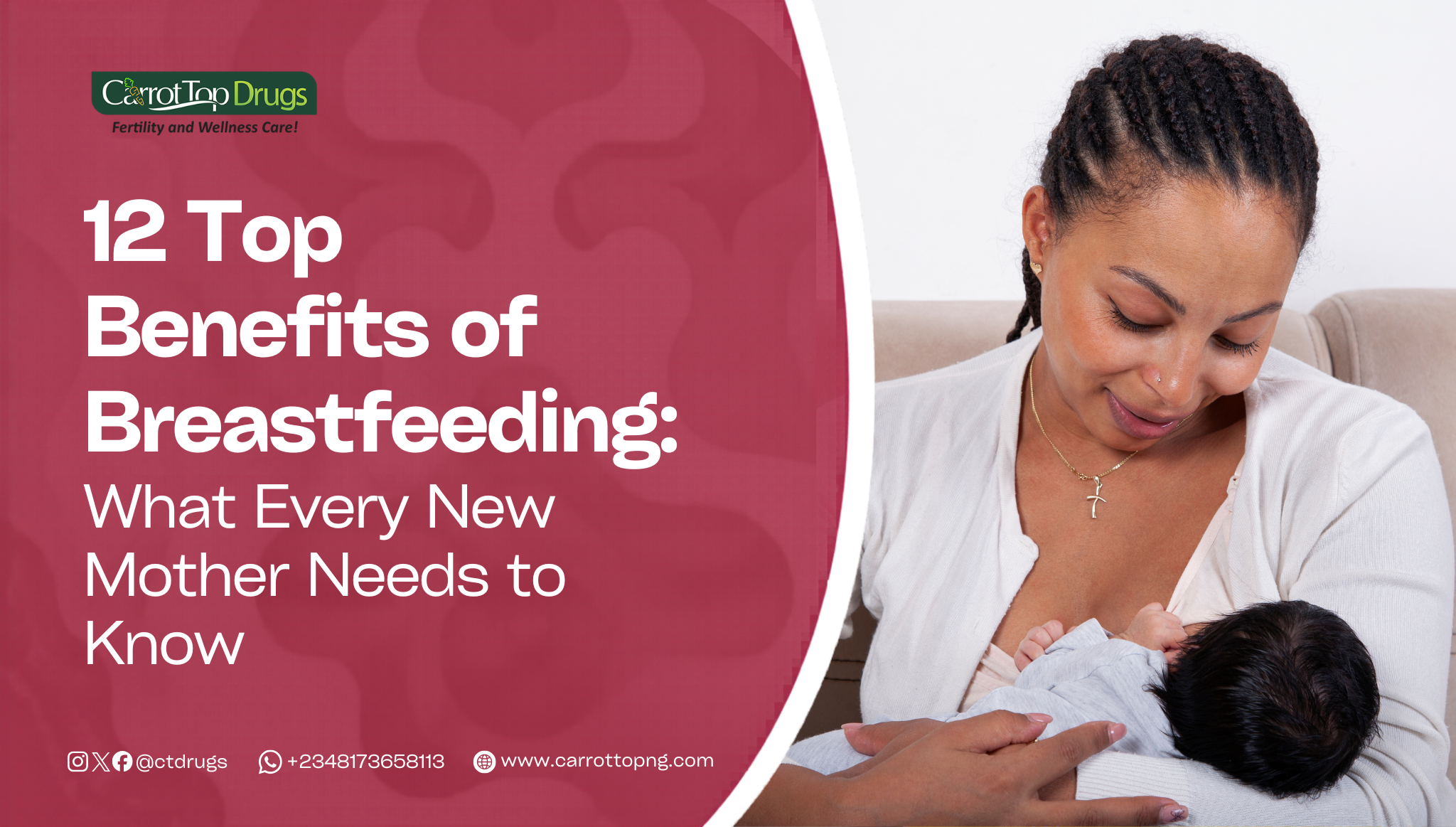
The benefits of breastfeeding are numerous. But, nobody tells you how much breastfeeding changes everything.
One feeding at 3 AM, and you realize this is bigger than you expected. It is not just food for your baby. It is one of the most powerful biological acts a human body can perform.
The benefits of breastfeeding reach further than most people realize. Science keeps confirming what mothers have instinctively known for centuries. From your baby’s brain to your own long-term heart health, the evidence is staggering.
This guide breaks it all down. No fluff. Just what the research actually shows, and what you can do to make the most of it.
What Happens in Your Baby’s Body During Breastfeeding
Breast milk is not a simple liquid. It is a living, dynamic fluid that changes by the hour.
Every feed delivers antibodies, hormones, and growth factors tailored to your baby. A landmark study confirmed that breast milk composition shifts based on the baby’s age and feeding needs. This adaptability is unmatched by any formula.
Colostrum, the milk produced in the first few days, is extraordinarily rich. It carries high concentrations of immunoglobulin A, protecting delicate newborn guts. Think of it as your baby’s first vaccine.
Top Benefits of Breastfeeding for Your Baby
1. Stronger Immune System
Breastfed babies get sick less often. Full stop. The antibodies in breast milk actively fight respiratory viruses, gut infections, and ear infections. Research from 2021 confirms this protective effect lasts well into early childhood.
Breastfed infants show lower rates of pneumonia globally. The difference is most dramatic in lower-income settings. But even in high-income countries, the immune advantage holds firmly.
2. Reduced Risk of SIDS
Sudden infant death syndrome is every parent’s deepest fear. Breastfeeding significantly lowers that risk. A major meta-analysis showed that any breastfeeding reduces SIDS risk by 36%.
Exclusive breastfeeding halves that risk even further. The protective mechanism likely involves improved arousal from sleep and respiratory regulation.
3. Lower Risk of Childhood Obesity
Breastfed babies learn to self-regulate hunger. They stop when full. Formula feeding may override that natural mechanism.
Studies show breastfed children have a 15 to 30 percent lower risk of overweight or obesity. A 2022 systematic review outlines the dose-response relationship clearly.
Duration matters. Longer breastfeeding is linked to stronger protective effects against excess weight gain.
4. Smarter Brain Development
Breast milk contains DHA, an omega-3 fatty acid critical for brain development. Formula cannot fully replicate its natural bioavailability.
Breastfed children score higher on cognitive assessments at age 3 and beyond. A 2023 cohort study reinforced the association between breastfeeding duration and IQ.
The benefit is greatest when exclusive breastfeeding continues for at least six months. Early introduction of formula reduces the cognitive edge.
5. Protection Against Allergies and Asthma
Breastfeeding trains the immune system. It promotes tolerance rather than overreaction.
Children breastfed for longer periods show lower rates of eczema, allergic rhinitis, and asthma. This 2019 review quantified the risk reduction across multiple allergy types.
The gut microbiome formed during breastfeeding appears central to this protection. Breast milk fosters diverse, healthy bacterial colonisation.
6. Reduced Risk of Type 1 Diabetes
Breastfeeding offers meaningful protection against early-onset diabetes. Research published in Nutrients shows breastfed infants have lower rates of type 1 diabetes.
Early exposure to cow’s milk proteins via formula may trigger immune responses in susceptible children. Exclusive breastfeeding reduces this risk significantly.
Benefits of Breastfeeding for the Mother
The benefits of breastfeeding flow in both directions. Mothers receive profound health advantages. These are not minor perks. They are life-altering protections.
1. Faster Postpartum Recovery
Oxytocin released during breastfeeding causes the uterus to contract. This reduces postpartum bleeding. It helps the uterus return to its pre-pregnancy size faster.
Mothers who breastfeed lose pregnancy weight more readily over time. A 2020 study linked breastfeeding to greater postpartum weight loss at 6 and 12 months.
2. Reduced Risk of Breast and Ovarian Cancer
This is one of the most compelling benefits of breastfeeding for mothers. Sustained lactation reduces lifetime exposure to estrogen.
Breastfeeding is associated with up to a 26% reduction in breast cancer risk. A large cohort study confirmed the dose-dependent protective relationship.
Ovarian cancer risk drops significantly too. Each month of breastfeeding reduces risk by approximately two percent.
3. Lower Risk of Type 2 Diabetes
Breastfeeding improves insulin sensitivity in the postpartum period. Gestational diabetes significantly raises a mother’s lifetime diabetes risk.
Women who breastfeed for longer periods show markedly lower rates of type 2 diabetes. A 2018 prospective study tracked over 1,200 women and confirmed the inverse relationship.
4. Better Mental Health Outcomes
Breastfeeding is not just physical. It profoundly shapes a mother’s emotional world.
Oxytocin released during feeding reduces stress and promotes calm. A 2019 study found breastfeeding mothers report lower rates of postpartum depression compared to those who formula-fed.
Skin-to-skin contact during feeding strengthens the maternal bond. This early attachment has lifelong consequences for child development.
5. Reduced Cardiovascular Disease Risk
The metabolic benefits of breastfeeding extend well beyond the postnatal year.
Women who breastfed have lower rates of hypertension, cardiovascular disease, and stroke later in life. A 2019 analysis of over 289,000 Chinese women linked breastfeeding to a 9% lower CVD risk.
The effect grows with breastfeeding duration. Each additional month adds measurable protection.
How Long Should You Breastfeed?
The World Health Organization recommends exclusive breastfeeding for six months. After that, continuing alongside complementary foods up to two years is advised.
Even partial breastfeeding offers benefits. One feed a day is better than none. The protective effects are dose-dependent, not binary.
Duration matters, but so does exclusivity in the early months. This WHO-supported study confirms that mixed feeding reduces immune protection in the first six months.
Why Nutritional Support During Breastfeeding Is Non-Negotiable
Here is the part many mothers miss entirely. Breastfeeding is nutritionally demanding. Your body prioritizes your baby’s needs above your own.
Producing breast milk requires significantly more energy than pregnancy itself. Your need for folate, iron, vitamin D, calcium, and iodine increases sharply.
A healthy diet alone often cannot cover these demands. The science is clear on this. Deficiencies in breastfeeding mothers are common and frequently undetected.
Fatigue, brain fog, hair loss, and low mood are classic signs of nutritional depletion. Many mothers normalize these symptoms. They should not.
The Supplement Clinically Designed for This Moment
This is where Evergreen Natal Care comes in. And it is worth talking about directly.
Evergreen Natal Care (90 Tablets) is a pregnancy and breastfeeding multivitamin formulated specifically for this high-demand period. It is not a generic supplement. It is built around what your body actually needs right now.
No pregnancy multivitamin contains more folic acid and iron than Evergreen Natal Care. That claim matters.
What Evergreen Natal Care Delivers
- High-dose folic acid significantly reduces neural tube defect risk in your baby.
- Therapeutic iron levels that prevent iron-deficiency anaemia during breastfeeding.
- A complete spectrum of vitamins and minerals matched to recommended daily intakes for pregnant and lactating women.
- Reduction in pregnancy-induced hypertension risk, a serious and underappreciated complication.
- Deficiency symptom prevention, including tiredness, mood dips, and feeling persistently “out of sorts”.
One tablet daily with a meal is all it takes. Simple. Consistent. Effective.
The standard dosing recommendation exists for a reason. Consistent supplementation outperforms occasional high-dose catch-up every time.
You can get Evergreen Natal Care directly here: Evergreen Natal Care on CarrotTop.
As always, discuss any supplements and medications with your doctor, especially during pregnancy and breastfeeding. This is a step worth taking, not skipping.
Common Questions About the Benefits of Breastfeeding
Does breastfeeding hurt?
Initial discomfort is normal in the first few days. Persistent pain signals a latch problem. A lactation consultant can resolve most issues quickly.
Pain beyond week two is not something to endure. It is something to fix. Most mothers who get proper support breastfeed successfully for months.
Can I breastfeed if I have low milk supply?
Low supply is rarely absolute. Frequent feeding stimulates production. Skin-to-skin contact, hydration, and proper nutrition all play a role.
Nutritional deficiency is an underrecognised contributor to supply issues. This is another reason maternal supplementation matters so much.
What if I cannot breastfeed exclusively?
Any breastfeeding is better than none. Even one or two feeds per day delivers immunological benefit. Do not let perfect be the enemy of good here.
Research supports partial breastfeeding as significantly better than formula alone. A 2020 review confirms partial breastfeeding still delivers meaningful immune protection.
Making the Most of This Window
The postpartum period closes faster than anyone expects. The benefits of breastfeeding are most powerful during this time. But so is the risk of depletion.
You cannot give what you do not have. Your body will sacrifice its own stores to protect milk quality. Bones lose density. Iron levels plummet. Fatigue deepens.
Supporting your body with the right nutrients is not optional. It is foundational. It is how you protect both yourself and the benefits you are working to give your baby.
Evergreen Natal Care is designed for exactly this purpose. It fills the nutritional gaps that diet alone misses. It supports the very mechanisms that make breastfeeding so powerful.
You are doing something extraordinary. Make sure your body has everything it needs to do it well.
Get Evergreen Natal Care here: https://carrottopng.com/product/evergreen-natal-care-90-tablets/