Introduction
The term physiological changes during pregnancy describes the remarkable and normal adaptations your body undergoes to support the incredible process of creating new life. According to the American College of Obstetricians and Gynecologists (ACOG), these are not signs of illness but rather a series of finely tuned, natural adjustments designed to ensure both you and your baby thrive. Understanding this distinction is the first step in appreciating your body’s strength and intelligence during this time.
From conception, your body initiates a complex symphony of transformations. Hormones like progesterone and estrogen surge, your blood volume increases by nearly 50%, your lung capacity adapts, and your metabolism shifts—all working in concert to create the ideal environment for fetal development. These body changes during pregnancy are a purposeful biological program, meticulously preparing you for labor, delivery, and breastfeeding.
It’s crucial to recognize that the physical changes are highly individualized. As the Office on Women’s Health highlights, while some common symptoms are widespread, every woman’s experience is unique. One person may have minimal nausea, while another experiences significant fatigue and back pain. This variation is normal and reflects how each body uniquely responds to the demands of pregnancy.
Understanding these changes also empowers you to be an active participant in your healthcare. For example, knowing that increased blood circulation is vital for supplying your baby with oxygen helps explain why you may feel warmer or have a faster pulse. Furthermore, this knowledge is key to distinguishing typical adaptations from potential concerns. While mild swelling (edema) is a common physiological change, the March of Dimes advises that sudden or severe swelling, particularly in the hands and face, warrants immediate medical consultation to rule out conditions like preeclampsia
In short, these transformations are your body’s powerful and innate way of nurturing your growing baby. By learning about them, you can navigate your pregnancy with greater confidence, manage symptoms more effectively, and build a informed partnership with your healthcare provider.
Hormonal Changes During Pregnancy
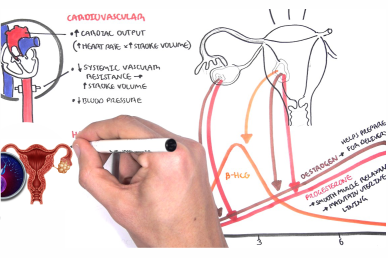
Hormones are the powerful, unseen force orchestrating your pregnancy. They are the chemical messengers responsible for the vast majority of physiological changes during pregnancy, governing everything from emotional shifts to profound body changes during pregnancy. As noted by the Society for Endocrinology, these chemical messengers coordinate complex bodily functions essential for sustaining pregnancy.
The Key Hormones and Their Roles
Human Chorionic Gonadotropin (hCG)
- The flagship “pregnancy hormone,” detected by home tests.
- Role: Supports early pregnancy by signaling the body to maintain progesterone production.
- What to Expect: High levels are famously linked to morning sickness and fatigue, as confirmed by ACOG’s research on early pregnancy symptoms.
Progesterone
- A crucial hormone for sustaining pregnancy.
- Role: Relaxes smooth muscle tissue to prevent early labor.
- What to Expect: This relaxation also slows digestion, leading to common pregnancy physical changes like bloating, constipation, and heartburn, which are documented by the Cleveland Clinic’s pregnancy guide.
Estrogen
- Levels rise steadily throughout pregnancy.
- Role: Drives uterine and breast growth, and regulates other key hormones.
- What to Expect: Contributes to heightened emotions, “that pregnancy glow,” or skin pigmentation changes, as explained by Johns Hopkins Medicine in their pregnancy hormone overview.
Relaxin
- True to its name, this hormone loosens and relaxes.
- Role: Softens ligaments and joints in the pelvis to prepare for childbirth.
- What to Expect: Can lead to back pain and a shifting center of gravity, affecting posture – a normal pregnancy change documented in NCBI’s research database.
Prolactin
- The milk-prep hormone.
- Role: Primarily prepares the breast tissue for lactation after delivery.
- What to Expect: Breasts may feel fuller and more tender as levels increase, a process detailed by the Office on Women’s Health.
These hormonal fluctuations are the driving force behind the normal pregnancy changes you experience daily. While symptoms like mood swings or fatigue can be challenging, they are often a testament to your body’s meticulous adaptation to nurture your growing baby, working in concert to create the optimal environment for fetal development.
Cardiovascular System Changes
Your cardiovascular system undergoes one of the most profound physiological changes during pregnancy, working tirelessly to create a lifeline for your growing baby. From the first trimester, your heart and blood vessels adapt dramatically to meet the increased metabolic demands, ensuring optimal oxygen and nutrient delivery. These essential body changes during pregnancy are vital for a healthy gestation, even if they sometimes cause noticeable symptoms.
Key Cardiovascular Adaptations
Increased Blood Volume and Cardiac Output
- Your blood volume expands by a remarkable 40-50%, and your cardiac output (the amount of blood your heart pumps per minute) increases by 30-50%.
- Why it happens: This ensures a rich supply of oxygen and nutrients reaches the placenta.
- What to expect: This can lead to a faster heart rate and is a primary reason behind the common fatigue of pregnancy.
Blood Pressure Fluctuations
- Blood pressure often dips in the first and second trimesters due to progesterone relaxing blood vessel walls, potentially causing dizziness.
- Why it happens: This vasodilation helps establish the low-resistance placental circulation.
- What to watch for: As noted by the American Heart Association, consistently high readings later in pregnancy warrant medical evaluation to rule out conditions like preeclampsia.
Circulatory Adjustments
- The growing uterus can compress major blood vessels, slowing blood return from the legs.
- Why it happens: This is a mechanical effect of your expanding uterus.
- What to expect: This can lead to normal pregnancy changes like mild swelling (edema) in the ankles and feet, as well as varicose veins.
Managing Cardiovascular Symptoms
While these pregnancy physical changes are natural, you can manage the symptoms:
- Stay hydrated to support healthy blood volume.
- Avoid standing for long periods and elevate your feet when resting.
- Sleep on your left side to improve circulation to your heart and baby.
- Report concerning signs like sudden, severe swelling, chest pain, or significant shortness of breath to your healthcare provider immediately.
These adaptations are a testament to your body’s incredible ability to nurture new life. By understanding these changes, you can appreciate the hard work your body is doing and partner with your provider to ensure a healthy pregnancy.
Respiratory System Changes
Your respiratory system undergoes significant physiological changes during pregnancy to meet the critical oxygen demands of your growing baby. While sensations like breathlessness can be unsettling, these body changes during pregnancy are a normal and vital part of creating a healthy environment for fetal development.
Key Respiratory Adaptations
Increased Oxygen Demand and Progesterone’s Role
- Your body’s oxygen consumption increases by approximately 15-20% to support your metabolism and your baby’s needs.
- The hormone progesterone acts as a powerful respiratory stimulant, causing you to breathe deeper and more frequently—a phenomenon known as the “hyperventilation of pregnancy“.
- What to expect: You may notice yourself sighing or yawning more often, or feeling mildly lightheaded.
Mechanical Shifts from the Growing Uterus
- In the third trimester, your expanding uterus elevates the diaphragm, which can slightly reduce lung capacity.
- What to expect: This leads to the very common sensation of shortness of breath, even without exertion. Good posture can help maximize your lung space.
Managing Respiratory Symptoms
These pregnancy physical changes are typically harmless, but you can manage them with a few tips:
- Practice good posture to give your lungs more room to expand.
- Sleep propped up with pillows to ease pressure on your diaphragm.
- Pace yourself and avoid overexertion.
When to Seek Help
While breathlessness is common, contact your healthcare provider immediately if you experience:
- Sudden or severe difficulty breathing
- Chest pain or palpitations
- Wheezing or a blue tint to your lips or fingers
These normal pregnancy changes are a testament to your body’s efficiency. By breathing deeper and faster, you are ensuring a steady supply of oxygen, powering one of the most incredible journeys of your life.
Digestive System Changes
Your digestive system is often where the most noticeable physiological changes during pregnancy first appear. From nausea to heartburn, these body changes during pregnancy are primarily driven by hormonal shifts and the physical pressure of your growing uterus. Understanding their cause is the first step toward effective management.
Common Digestive Adaptations & Relief Strategies
Morning Sickness
- Why it happens: Affecting up to 80% of pregnant women, nausea and vomiting are largely linked to rising levels of hCG and estrogen.
- Relief Tips:
- Eat small, frequent meals to avoid an empty stomach.
- Keep crackers at your bedside to eat before getting up.
- Try ginger-based foods or drinks, a remedy supported by ACOG for its anti-nausea properties.
Slower Digestion & Constipation
- Why it happens: Progesterone relaxes intestinal muscles, slowing digestion. Iron supplements can exacerbate this normal pregnancy change.
- Relief Tips:
- Increase high-fiber foods like pears, oats, and legumes.
- Drink plenty of water to help soften stools.
- Take short walks to stimulate bowel activity.
Heartburn and Acid Reflux
- Why it happens: Progesterone relaxes the valve separating the stomach from the esophagus, while the growing uterus increases abdominal pressure. This allows stomach acid to rise up easily.
- Relief Tips:
- Avoid large meals and spicy or acidic foods.
- Remain upright for at least an hour after eating.
- Sleep with your head and shoulders elevated.
Food Cravings and Aversions
- Why it happens: These are linked to hormonal fluctuations and heightened senses of smell and taste. While generally harmless, consistently craving non-food items (a condition called pica) should be discussed with a doctor.
While these pregnancy physical changes can be uncomfortable, they are typically manageable with simple dietary and lifestyle adjustments. By recognizing these symptoms as part of your body’s adaptation, you can take proactive steps to support your digestive health throughout your pregnancy.
Urinary System Changes
The urinary system undergoes some of the most immediately noticeable physiological changes during pregnancy. The frequent need to urinate is a hallmark sign for many, driven by a combination of hormonal shifts, a 50% increase in blood volume, and the physical pressure of the expanding uterus. These body changes during pregnancy, while often inconvenient, are a normal part of your body’s adaptation.
Key Urinary Adaptations & Management
Increased Kidney Function & Frequency
- Your kidney filtration rate (GFR) rises by 40-50% to manage the waste from both you and your baby, leading to more urine production.
- The growing uterus directly presses on the bladder, further increasing urinary frequency, especially in the first and third trimesters.
Increased Risk of Urinary Tract Infections (UTIs)
- Hormones like progesterone relax the ureters, slowing urine flow. This stagnation, combined with physiological glucose in the urine (glycosuria), creates an environment where bacteria can thrive.
- Warning Signs: Burning sensation, cloudy urine, pelvic pressure, or fever. Prompt treatment is essential to prevent complications.
Tips for Managing Urinary Changes
- Stay well-hydrated to help flush bacteria from the urinary tract.
- Practice good hygiene and empty your bladder before and after intercourse.
- Avoid delaying urination when you feel the urge.
- Seek medical advice for any signs of infection, pain, or blood in the urine.
While these pregnancy physical changes can be a nuisance, they are typically a sign of your body’s diligent work. Understanding the difference between normal frequency and symptoms of infection ensures you can stay healthy and proactive throughout your pregnancy.
Musculoskeletal Changes
Your bones, joints, and muscles adapt significantly to accommodate your growing baby. These physiological changes during pregnancy are essential for creating space and preparing for delivery, but they often bring about notable discomfort.
Key Musculoskeletal Adaptations & Management
Postural Shifts & Back Pain
- As your uterus expands, your center of gravity shifts forward, causing your spine to curve inward (lordosis). This “swayback” posture is a common normal pregnancy change that can lead to lower back pain for over half of all pregnant women.
Joint Laxity
- The hormone relaxin increases to soften and loosen ligaments, particularly in the pelvis, to prepare for childbirth. A side effect of this essential body change during pregnancy is reduced joint stability, which can contribute to hip, knee, or ankle pain.
Muscle Strain and Leg Cramps
- Carrying extra weight places strain on the leg and back muscles. Nocturnal leg cramps are also common, potentially linked to circulatory changes or mineral deficiencies.
Tips for Managing Musculoskeletal Discomfort
- Maintain good posture: Stand tall, with shoulders back and relaxed.
- Wear supportive, low-heeled shoes to improve stability.
- Use a maternity support belt to alleviate lower back and pelvic pressure.
- Engage in safe exercise like prenatal yoga or swimming to strengthen supporting muscles.
- Stretch calf muscles before bed to help prevent leg cramps.
These pregnancy physical changes are your body’s remarkable way of making room for new life. By adopting supportive habits, you can manage the associated discomfort and move more comfortably through your pregnancy journey.
Your bones, joints, and muscles adapt significantly to accommodate your growing baby. These physiological changes during pregnancy are essential for creating space and preparing for delivery, but they often bring about notable discomfort.
Integumentary System (Skin, Hair, and Nails) Changes
Pregnancy brings a host of visible physiological changes during pregnancy to your skin, hair, and nails, primarily driven by hormonal surges and increased blood volume. While some, like the “pregnancy glow,” are welcome, others can be a source of concern, though they are often harmless body changes during pregnancy.
Common Integumentary Adaptations
Pigmentation Changes
- Many women experience darkening of the areolas, the appearance of a linea nigra (a dark line on the abdomen), and melasma (dark patches on the face) due to increased melanocyte-stimulating hormone.
- Management: These normal pregnancy changes usually fade postpartum. Using a broad-spectrum sunscreen can help prevent melasma from worsening.
Stretch Marks (Striae Gravidarum)
- Affecting up to 90% of pregnant women, stretch marks occur as the skin stretches rapidly, causing the dermis to tear. They often appear as red or purple streaks on the abdomen, breasts, and thighs.
- Management: While no cream can completely prevent them, keeping the skin well-moisturized can improve elasticity and comfort.
Hair and Nail Changes
- Elevated estrogen levels prolong the growth phase of hair, leading to the appearance of thicker, fuller hair during pregnancy. A noticeable shed (telogen effluvium) often occurs 3-6 months after delivery as hormone levels normalize.
- Nails may grow faster but can also become more brittle.
When to Seek Help
- While mild itching is common, intense itching, especially on the palms and soles, could indicate Intrahepatic Cholestasis of Pregnancy (ICP), a liver condition that requires medical evaluation.
Immune System Adaptations
Your immune system undergoes a sophisticated recalibration, one of the most critical physiological changes during pregnancy. This shift allows your body to tolerate the fetus—which is genetically distinct—while maintaining defenses against pathogens. Understanding these body changes during pregnancy helps explain your altered susceptibility to illness.
Key Immune Adaptations
Immune Tolerance
- The immune system modulates its response to prevent rejecting the fetus. This involves a complex interplay where certain inflammatory pathways are suppressed while others remain active, a vital pregnancy physical change for a successful gestation.
Altered Susceptibility
- This immunomodulation can make pregnant women more susceptible to certain infections, like influenza, UTIs, and respiratory illnesses. Prompt attention to symptoms is important.
Supporting Your Immune Health
- Vaccination: The CDC strongly recommends the flu shot and Tdap vaccine during pregnancy to protect both mother and baby.
- Lifestyle: A nutrient-rich diet, adequate sleep, and good hygiene are fundamental to supporting your immune system during this normal pregnancy change.
These nuanced physiological changes during pregnancy ensure a safe environment for your baby to grow while keeping you protected, showcasing the incredible intelligence of the maternal body.
Breast and Reproductive System Changes
Pregnancy orchestrates some of its most dramatic physiological changes during pregnancy within the breast and reproductive organs. These body changes during pregnancy are fundamental, designed to support fetal development and prepare your body for childbirth and breastfeeding.
Breast Changes: Preparing for Lactation
- Enlargement and Tenderness: Hormones like estrogen and progesterone cause ductal and glandular tissue to grow, leading to increased size and sensitivity from the first trimester.
- Darkening of the Areola: This normal pregnancy change is believed to act as a visual target for the newborn, aiding the breastfeeding instinct.
- Colostrum Production: As early as the second trimester, you may notice small leaks of this nutrient-rich “first milk,” a key pregnancy physical change.
- Management: A well-fitted, supportive maternity bra can significantly improve comfort.
Uterine and Cervical Changes: Creating a Nurturing Environment
- Uterus Enlargement: The uterus undergoes an extraordinary expansion, growing from a pelvic organ to one that fills the abdominal cavity, increasing in weight from about 70 grams to over 1100 grams at term.
- Cervical Softening and the Mucus Plug: The cervix softens (Goodell’s sign) and forms a protective mucus plug, sealing the uterus from infection.
- Management: Report any bright red bleeding or foul-smelling discharge to your healthcare provider immediately.
These adaptations are a powerful testament to your body’s innate ability to create and sustain new life.
Nervous System and Psychological Changes
The impact of pregnancy extends deep into your brain and nervous system, resulting in significant physiological changes during pregnancy that affect mood, memory, and mental well-being. Understanding these body changes during pregnancy can help you navigate this emotional journey with greater self-compassion.
Cognitive and Emotional Adaptations
- “Pregnancy Brain”: Characterized by forgetfulness and poor concentration, this is linked to hormonal shifts, sleep disruption, and the mental load of pregnancy. Research suggests it may involve subtle changes in brain structure that enhance maternal attachment.
- Mood Swings and Anxiety: Fluctuations in estrogen and progesterone directly impact neurotransmitters, leading to emotional volatility. While mild anxiety is a normal pregnancy change, persistent feelings of sadness or worry could signal perinatal depression or anxiety and should be discussed with a provider.
Neurological Symptoms
- Carpal Tunnel Syndrome: Increased fluid retention can compress the median nerve in the wrist, causing tingling or numbness in the hands.
- Headaches: These can be related to hormonal changes or posture shifts but should be evaluated if severe or persistent.
Supporting Your Mental Well-being
- Prioritize Rest: Combat fatigue and brain fog with adequate sleep.
- Practice Stress Reduction: Techniques like mindfulness and prenatal yoga can be highly effective.
- Build a Support Network: Open communication with your partner, friends, or a therapist is vital.
Recognizing that these pregnancy physical changes are a normal part of the process allows you to seek support and practice self-care, nurturing your mind as your body nurtures your baby.
Hematological and Metabolic Changes
Pregnancy initiates profound physiological changes during pregnancy in your blood composition and metabolism. These body changes during pregnancy are essential for delivering oxygen and nutrients to your growing baby while ensuring you have the energy to support this incredible process.
Blood Volume and Composition
- Increased Blood Volume: Your blood volume expands by 30-50% to support the placenta and your growing baby. This normal pregnancy change can cause visible veins and contributes to the “pregnancy glow” but may also lead to feelings of lightheadedness.
- Physiological Anemia: The increase in plasma volume outpaces the production of red blood cells, leading to a dilutional anemia. This is why iron supplementation is often recommended to support red blood cell production.
- Hypercoagulable State: Your blood’s ability to clot increases to protect against hemorrhage during delivery. While protective, this pregnancy physical change necessitates moving regularly during long trips to reduce clot risk.
Metabolic Shifts
- Your basal metabolic rate rises, and your body becomes less sensitive to insulin to ensure a steady glucose supply for the fetus. This natural insulin resistance is a key body change during pregnancy that can, in some cases, lead to gestational diabetes, requiring monitoring.
Management Tips:
- Focus on iron-rich foods (lean red meat, lentils, spinach) and pair them with vitamin C to enhance absorption.
- Stay active with walking or swimming to support circulation and metabolic health.
- Attend all prenatal appointments for routine blood pressure and glucose monitoring.
Sensory System Changes (Vision, Smell, Taste)
Pregnancy can alter your perception of the world through significant physiological changes during pregnancy in your senses. Driven by hormones and fluid shifts, these body changes during pregnancy can affect everything from your eyesight to your favorite foods.
Vision, Smell, and Taste
- Vision Changes: Fluid retention can slightly change the cornea’s shape and thickness, leading to blurred vision or contact lens intolerance. These are usually normal pregnancy changes, but sudden vision loss, double vision, or seeing spots require immediate medical attention as they can signal preeclampsia.
- Heightened Smell (Hyperosmia): Increased estrogen levels often sharpen your sense of smell, which can trigger nausea and food aversions in the first trimester.
- Altered Taste: You may experience a metallic taste in your mouth (dysgeusia) or sudden cravings and aversions, all common pregnancy physical changes.
Management Tips:
- Use lubricating eye drops for dryness and discuss any vision changes with your eye doctor.
- Keep rooms well-ventilated and identify smell triggers to avoid.
- Sucking on sour candies or using a minty mouthwash can help manage metallic taste.
Sleep and Circadian Rhythm Changes
Restful sleep can become elusive due to the many physiological changes during pregnancy. Hormonal shifts, physical discomfort, and anxiety collaboratively reshape your sleep patterns, making this a nearly universal body change during pregnancy.
Causes of Sleep Disruption
- Hormonal Effects: While progesterone induces sleepiness, it also disrupts deep sleep cycles. Later, high estrogen levels can contribute to insomnia.
- Physical Discomfort: Back pain, heartburn, fetal movements, and the frequent need to urinate are major pregnancy physical changes that interrupt sleep, especially in the third trimester.
- Sleep Disorders: The risk of sleep apnea and restless legs syndrome increases, often related to weight gain and metabolic changes.
Management Tips:
- Sleep on Your Left Side: This improves circulation to your heart and baby. Use pillows for support.
- Establish a Routine: A calming pre-sleep ritual (e.g., a warm bath, reading) signals your body it’s time to wind down.
- Manage Discomfort: Address heartburn by avoiding large meals before bed and propping up your head with pillows.
Summary of Trimester-Specific Changes
Pregnancy is often divided into three trimesters, each bringing its own set of body changes during pregnancy. Understanding these pregnancy physical changes trimester by trimester can help women anticipate what to expect and manage symptoms effectively.
First Trimester (Weeks 1–12)
- Hormonal Changes: Rapid rise in hCG, progesterone, and estrogen triggers nausea, fatigue, and mood swings.
- Digestive Changes: Morning sickness, food aversions, and constipation are common.
- Breast Changes: Enlargement, tenderness, and darkening of areola occur early.
- Urinary System: Increased urination due to kidney adaptations begins.
- Sensory Changes: Heightened smell and taste sensitivity can trigger nausea.
Tip: Eat small, frequent meals, stay hydrated, and rest as needed.
Second Trimester (Weeks 13–26)
- Cardiovascular and Respiratory: Increased blood volume, faster heart rate, and deeper breathing.
- Digestive Changes: Heartburn and bloating may persist; constipation can continue.
- Musculoskeletal: Postural changes and mild back pain appear as the uterus grows.
- Skin Changes: Linea nigra, pigmentation changes, and stretch marks become more noticeable.
- Immune System: Adaptations continue to balance protection and tolerance.
Tip: Engage in gentle prenatal exercises and maintain good posture.
Third Trimester (Weeks 27–40)
- Breast and Reproductive System: Colostrum leakage, further breast enlargement, and cervical softening.
- Urinary System: Increased pressure on the bladder causes frequent urination and possible swelling.
- Musculoskeletal: Increased joint laxity and more pronounced back pain due to relaxin.
- Sleep Changes: Discomfort, frequent urination, and anxiety contribute to disrupted sleep.
- Metabolic and Hematological: Blood volume peaks, insulin resistance rises, and energy demands increase.
Tip: Sleep on your side, use support pillows, and maintain balanced nutrition.
Coping Strategies and Self-Care Tips During Pregnancy
Pregnancy brings numerous body changes during pregnancy, from hormonal shifts to musculoskeletal adjustments. While many are normal pregnancy changes, they can feel overwhelming without proper strategies for coping and self-care.
1. Nutrition and Hydration
- Eat a balanced diet rich in fruits, vegetables, whole grains, lean proteins, and healthy fats.
- Ensure sufficient intake of iron, calcium, vitamin D, and folic acid, which support hematological, musculoskeletal, and fetal development.
- Stay hydrated to help with blood volume expansion, digestion, and swelling.
- Take supplements like Evergreen Natal Care and Natal Care Plus
2. Physical Activity
- Engage in safe prenatal exercises such as walking, swimming, yoga, or prenatal Pilates.
- Physical activity supports cardiovascular, musculoskeletal, and metabolic physiological changes during pregnancy.
- Always consult a healthcare provider before starting new exercises.
3. Sleep and Rest
- Prioritize 7–9 hours of sleep each night.
- Use pillows to support the abdomen, back, and legs to ease musculoskeletal discomfort.
- Maintain a consistent sleep schedule to support circadian rhythm changes.
4. Stress Management and Mental Health
- Practice relaxation techniques such as deep breathing, meditation, or prenatal yoga.
- Maintain a strong support system through family, friends, or prenatal support groups.
- Seek professional help for persistent anxiety, depression, or mood swings.
5. Skin and Breast Care
- Keep skin moisturized to reduce itching and stretch mark formation.
- Wear supportive bras to manage breast tenderness and enlargement.
- Avoid harsh chemicals or strong fragrances that may irritate sensitive skin.
6. Monitoring and Medical Checkups
- Attend regular prenatal appointments to monitor blood pressure, weight, blood sugar, and fetal growth.
- Report unusual symptoms such as severe swelling, persistent headaches, abnormal bleeding, or sudden vision changes.
- Stay updated on recommended vaccinations and prenatal supplements.
7. Practical Tips for Daily Comfort
- Elevate feet to reduce swelling.
- Wear comfortable, supportive shoes.
- Break tasks into smaller steps to manage fatigue.
- Avoid standing for long periods and rest when needed.
By incorporating these strategies, women can better manage the wide array of pregnancy physical changes and improve overall well-being. Understanding which physiological changes during pregnancy are normal empowers women to enjoy a healthier and more comfortable pregnancy journey.
Conclusion
Pregnancy is a remarkable journey filled with profound physiological changes during pregnancy. From hormonal shifts to musculoskeletal adjustments, respiratory adaptations, and sensory changes, every system in the body undergoes transformation to support the growing baby. Understanding these body changes during pregnancy helps women recognize what is normal, anticipate discomforts, and adopt strategies for self-care.
Key Takeaways:
- Hormonal Changes: Affect mood, digestion, metabolism, and skin.
- Cardiovascular & Respiratory: Increased blood volume and oxygen demand are essential for fetal growth.
- Digestive & Urinary Systems: Nausea, heartburn, constipation, and frequent urination are common.
- Musculoskeletal System: Postural changes, back pain, and joint laxity prepare the body for labor.
- Integumentary System: Skin, hair, and nails undergo visible transformations, including stretch marks and pigmentation changes.
- Immune System: Balances tolerance for the fetus with protection against infections.
- Nervous System & Psychological: Mood swings, cognitive changes, and sleep disturbances are normal.
- Metabolic & Hematological: Increased blood volume, insulin resistance, and energy needs support both mother and baby.
- Sensory & Sleep Changes: Altered smell, taste, vision, and disrupted sleep patterns are common.
Frequently Asked Questions (FAQs)
- What are the most common physiological changes during pregnancy?
Common changes include breast enlargement, frequent urination, fatigue, nausea, back pain, skin changes, and mood swings.
- Why do pregnant women experience fatigue?
Fatigue occurs due to increased blood volume, hormonal changes, and higher energy demands to support fetal growth.
- Are mood swings normal during pregnancy?
Yes. Hormonal fluctuations and psychological stress make mood swings a typical pregnancy physical change.
- How does pregnancy affect digestion?
Pregnancy slows digestion, causing constipation, heartburn, and nausea, especially in the first and third trimesters.
- Why do pregnant women have swollen feet and hands?
Increased blood volume and fluid retention, combined with hormonal changes, often cause mild swelling.
- Can pregnancy affect sleep patterns?
Yes. Discomfort, hormonal changes, frequent urination, and anxiety can disrupt sleep and circadian rhythm.
- Why does skin and hair change during pregnancy?
Hormones increase pigmentation, cause stretch marks, and slow hair shedding, giving a thicker, sometimes glossier appearance.
- Are urinary changes during pregnancy normal?
Frequent urination and mild urinary discomfort are normal due to increased kidney function and pressure from the growing uterus.
- How does pregnancy affect the immune system?
The immune system adapts to tolerate the fetus while still protecting the mother, increasing susceptibility to certain infections.
- What self-care strategies help manage pregnancy changes?
Balanced nutrition, safe exercise, adequate sleep, stress management, hydration, and regular prenatal checkups help manage body changes during pregnancy.
- When should I consult a doctor about pregnancy changes?
Seek medical attention for severe pain, persistent bleeding, sudden swelling, high fever, vision changes, or unusual neurological symptoms.
- Do all pregnancy physical changes resolve after delivery?
Most changes, like fatigue, breast tenderness, and mood swings, resolve postpartum. Some, like stretch marks or pigmentation changes, may persist but often fade over time.
- Can exercise help with pregnancy changes?
Yes. Prenatal exercise supports cardiovascular health, musculoskeletal comfort, circulation, and mental well-being.
- How can I cope with morning sickness and nausea?
Eat small meals, stay hydrated, avoid strong odors, and consider ginger or vitamin B6 supplements under medical guidance.
- Are sleep disturbances normal in all trimesters?
Yes, but they are most pronounced in the third trimester due to discomfort, hormonal changes, and increased nighttime urination.