Introduction
Trying to conceive can be challenging. It can make you feel many things. You might feel confused. You might feel upset. One big part of having a baby is ovulation. Ovulation is when your body releases an egg. This needs to happen for pregnancy to begin. But sometimes, ovulation does not happen. This is a common problem. Many women face it. The good news is that you can often fix it. We need to know why you might not be ovulating, this is the first step.
This article will explain the top five reasons why you might not be ovulating. We will also talk about when you should see a doctor. This information is important. It is important if you want a baby. It is also important to understand your own body. Let us get started.
What is Ovulation? Let’s Keep It Simple
First, what is ovulation? It is a simple idea. Each month, your ovaries hold tiny eggs. One of these eggs grows inside a tiny sac called a follicle. When the egg is ready, the ovary lets it go. This is ovulation. The egg then moves into the fallopian tube. This is where it can meet sperm.
Your hormones control this entire process. Hormones are your body’s chemical messengers. They tell your body what to do. Key hormones for ovulation are:
- FSH (Follicle-Stimulating Hormone): This hormone tells the egg to start growing.
- LH (Luteinizing Hormone): This hormone tells the ovary to release the egg.
- Estrogen: This hormone gets your uterus ready for a baby.
- Progesterone: This hormone helps keep a pregnancy safe.
Your cycle is like a monthly schedule. A typical cycle is about 28 days long. Ovulation usually happens near the middle, around day 14. Your body gives you signs that ovulation is coming. You might see wetter, clearer cervical mucus. You might feel a small pain on one side of your pelvis. Your body temperature might go up a little in the morning.
Regular ovulation is very important for having a baby. It means your body is working correctly. It means you have a good chance each month. If ovulation is irregular or absent, getting pregnant becomes much harder.
The Top 5 Reasons Why You Might Not Be Ovulating
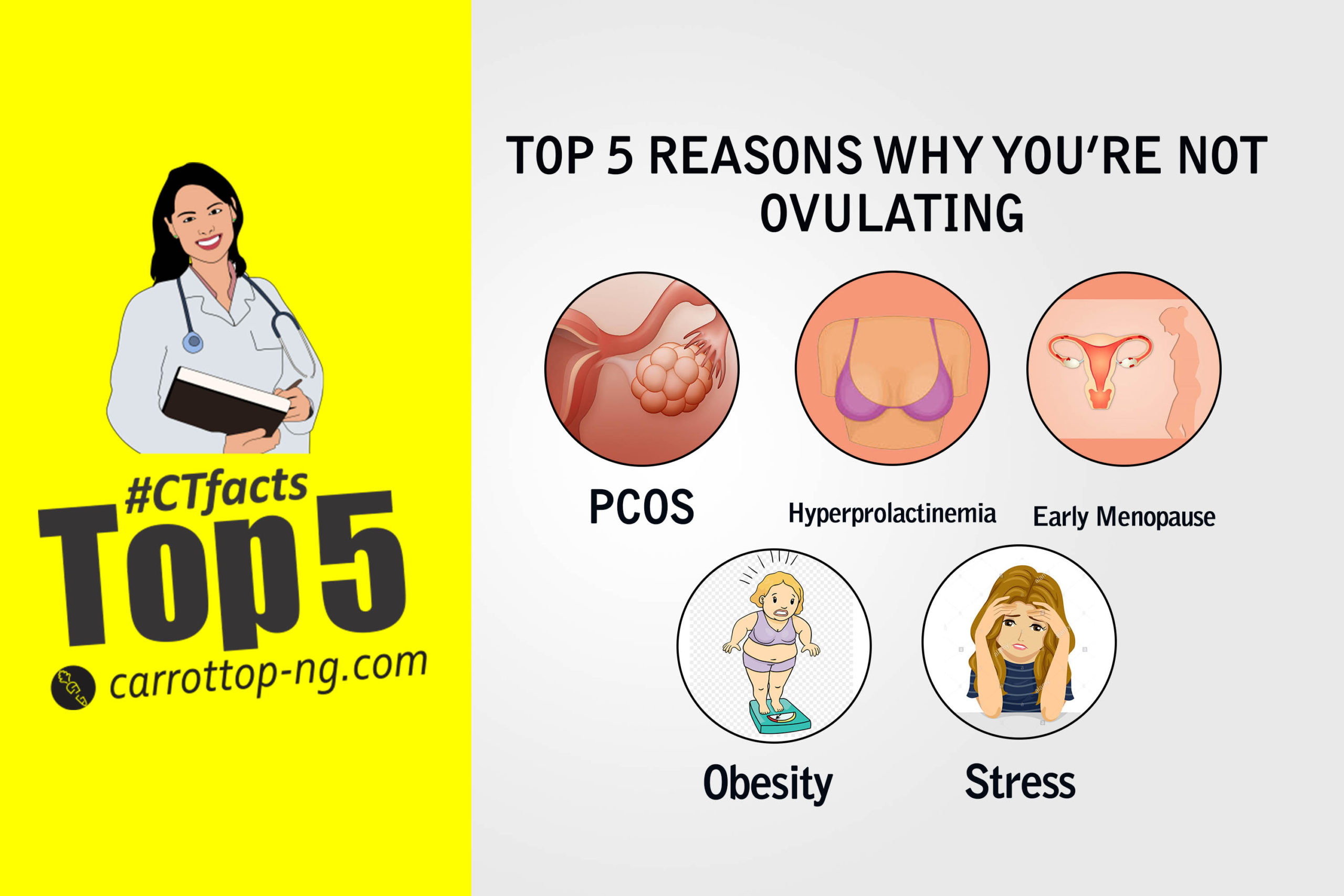
1. Your Hormones Are Out of Balance
Think of your hormones like a team. The team must work together to win. If one player is off, the whole game can be lost. Your hormonal team must be balanced for ovulation to happen.
If your hormones are not balanced, your body gets confused. It might not grow an egg. It might not release an egg. A very common cause of this is PCOS. PCOS stands for Polycystic Ovary Syndrome. Women with PCOS often have small cysts on their ovaries. Their hormones are out of balance. This stops ovulation.
Thyroid problems are another cause. Your thyroid is a gland in your neck. It controls your metabolism. If it is too slow (hypothyroidism) or too fast (hyperthyroidism), it can mess up your hormones. This could be a reason why you might not be ovulating.
When your hormones are not right, your periods become irregular. They might even stop. Fixing the hormone problem often helps ovulation start again.
2. You Have Too Much Stress
Another reason why you might not be ovulating is stress. Stress is a powerful thing. It does not just affect your mind. It affects your body too. High stress changes your hormone levels.
Your body has a special system for stress. It is called the HPA axis. When you are very stressed, this system takes over. It can tell your reproductive system to shut down. Your body thinks it is not a safe time to have a baby. This is called stress-induced amenorrhea. Amenorrhea means no periods.
This means you can miss periods. You will not ovulate. Finding ways to lower stress is very important. This can include yoga, walking, talking to a friend, or seeing a therapist.
3. Your Weight Is Too High or Too Low
Your weight is closely tied to your hormones. Body fat actually makes estrogen. Estrogen is one of the key hormones for ovulation.
If you have too much body fat, you make too much estrogen. This confuses your body. It can stop the ovulation process. Being overweight can be a reason why you might not be ovulating regularly.
If you have too little body fat, you cannot make enough estrogen. Your body needs a certain amount of estrogen to ovulate. If you are underweight, your body may stop ovulating. It does this because it thinks it cannot support a pregnancy.
Losing weight or gaining weight to reach a healthy middle point can often help. It can restart your ovulation.
4. Other Health Problems
Some sicknesses and health conditions can stop ovulation. We already talked about PCOS and thyroid issues. But there are others.
One is called hyperprolactinemia. This means your body makes too much of a hormone called prolactin. Prolactin is the hormone that helps make breast milk. High levels can stop ovulation.
Diabetes is another condition that can cause problems. Diabetes affects how your body uses sugar. This can disrupt your delicate hormone balance.
Managing these health problems is key. Seeing a doctor for treatment can often help your ovulation return.
5. Your Daily Habits and Medicines
The way you live your life matters. Your daily choices impact your ovulation.
Some medicines can cause problems. Some antidepressants can affect hormones. Some antipsychotic medicines can too. Even coming off of birth control pills can make your cycle irregular for a while.
Too much exercise is a common problem. Exercise is good, but too much is hard on the body. It can use up energy you need to ovulate. It can lower your body fat too much.
Not getting enough sleep is another habit that causes issues. Your body needs sleep to balance hormones.
Smoking, drinking too much alcohol, and using drugs are also bad for ovulation. Making healthy choices helps your body work its best.
When Should You Talk to a Doctor?
You should talk to a doctor if your periods are not regular. You should talk to a doctor if you have no periods. See a doctor if you have been trying to get pregnant for a year without success. If you are over 35, see a doctor after six months of trying.
The doctor will do tests. They might test your blood to check your hormones. They might do an ultrasound to look at your ovaries. These tests help find the reason you are not ovulating.
Treatment depends on the cause. The doctor might give you medicine to help your ovaries release an egg. They might suggest changing your diet or exercise. They might treat another health problem first.
Getting help is a strong thing to do. It is the best step for your health.
How to Help Your Body Ovulate
You can do things to help your body ovulate. It is about being good to your body.
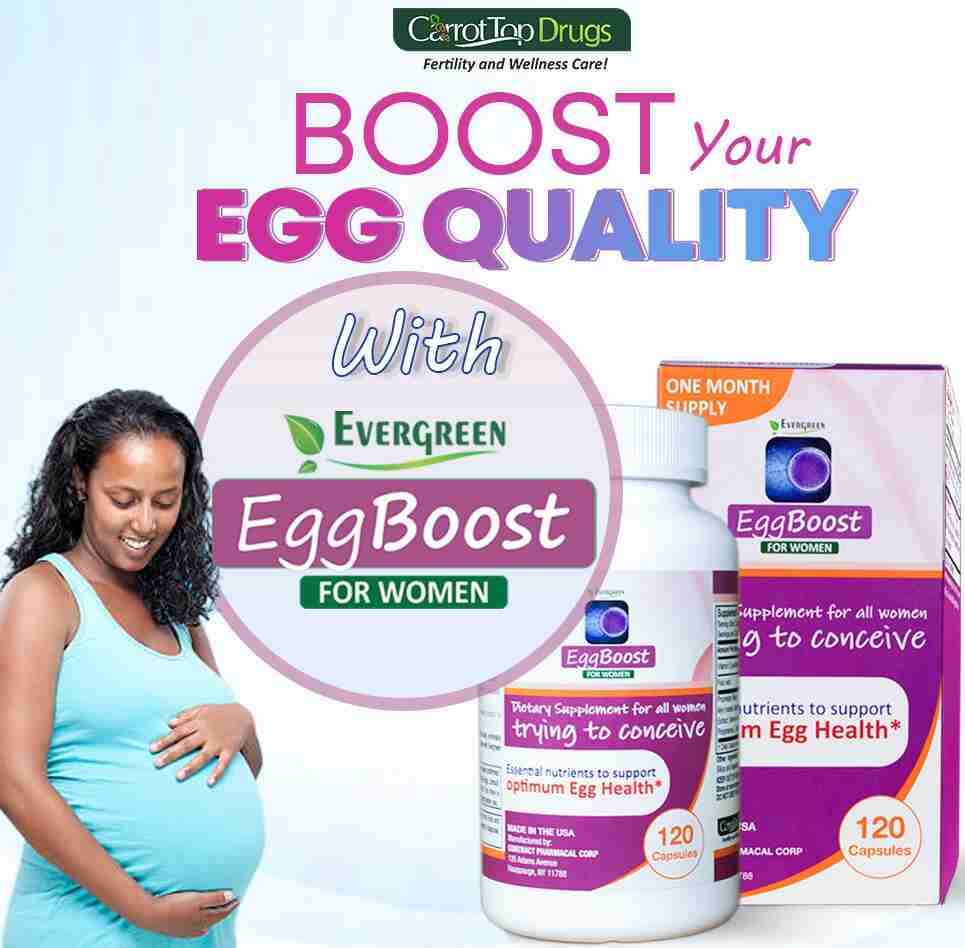
- Eat Good Food: Eat lots of fruits and vegetables. Eat whole grains and lean proteins. This helps you get to a healthy weight. Some supplements like Evergreen Formular for Women and Evergreen Eggboost would do a lot of good to the quality of eggs.
- Manage Stress: Find what calms you down. Maybe it is reading, listening to music, or spending time outside.
- Exercise the Right Amount: Move your body every day. But do not overdo it. Walking, swimming, and yoga are great choices.
- Sleep Well: Try to get 7-8 hours of sleep each night. This helps your hormones stay balanced.
- Track Your Cycle: Use an app or a calendar. Write down when your period starts and ends. Look for signs of ovulation. This information helps you and your doctor.
Conclusion
Not ovulating is a common problem. It is often caused by hormone issues, stress, weight problems, other sicknesses, or daily habits. The important thing to know is that help is available.
Understanding your body is power. If you are worried, please see a doctor. They can help you find the cause. With the right help and some life changes, you can often get your cycles back on track. This gives you the best chance for a healthy pregnancy. You are not alone on this journey.
10 Frequently Asked Questions
- What does it mean if I’m not ovulating?
It means your ovaries are not releasing an egg each month. This is called anovulation. It is a common cause of fertility problems because without an egg, pregnancy cannot happen.
- Can I still have a period if I’m not ovulating?
Yes, you can. This is called an anovulatory cycle. Your body may still build up the lining of your uterus from estrogen. If the lining builds enough or your estrogen level drops, you can still have bleeding that seems like a period, even though no egg was released.
- How do I know if I’m not ovulating?
The most common sign is having irregular periods or no periods at all. Other signs include not seeing any changes in your cervical mucus, not feeling any ovulation pain, and not seeing a sustained rise in your basal body temperature when you chart it.
- Is not ovulating a serious health problem?
It can be. While it directly affects fertility, it is often a sign of an underlying health issue. This could be a hormonal imbalance, PCOS, or a thyroid problem. It’s important to find the cause to protect your overall health.
- Can stress really stop me from ovulating?
Yes, absolutely. High levels of physical or emotional stress can disrupt the hormones that trigger ovulation. Your body may temporarily “shut down” reproduction because it doesn’t think it’s a safe time to support a pregnancy.
- How does weight affect ovulation?
Your body fat produces estrogen. Too much body fat (being overweight) can lead to too much estrogen, which can stop ovulation. Too little body fat (being underweight) can lead to too little estrogen, which also stops ovulation. A healthy weight is key for balance.
- Can I start ovulating again naturally?
Often, yes. For many people, making changes can help restart ovulation. This can include reaching a healthy weight, managing stress better, improving diet, reducing intense exercise, and treating underlying health conditions like thyroid issues.