Introduction
What to avoid when taking fertility supplements matters as much as what to take. More is not always better, and a few common habits can work against you. This guide covers seven mistakes, from vitamin A overload to unverified herbal blends. It also looks at how three CarrotTop Drugs products, Evergreen EggBoost for Women, Evergreen Formula for Women, and Evergreen Formula for Men, fit into a careful routine.
1. Excess Preformed Vitamin A
This is the biggest one to know. Excessive preformed vitamin A during pregnancy can cause birth defects involving the eye, skull, lungs, and heart. For that reason, women who are or might be pregnant should not take high doses of supplements containing it. The upper limit for adults is 3,000 mcg of preformed vitamin A. Beta-carotene and other provitamin A carotenoids have no upper limit. Excess intake is more common where multivitamins are widely available and loosely regulated. When you read about what to avoid when taking fertility supplements, check the vitamin A form and dose first.
2. Stacking Overlapping Supplements
Taking a prenatal, a fertility blend, and a few single vitamins can quietly double up. One fertility clinic guide warns about iron, zinc above 40 mg, selenium above 400 mcg, and vitamin D above 4,000 IU in particular. It also advises against mixing fertility supplements without a doctor’s approval because ingredients overlap. Too many products can also disrupt hormone balance or cause toxicity. Write down every ingredient and dose before adding anything new.
3. Unverified Brands and Herbal Blends
Most fertility supplements are not tightly overseen. A reproductive endocrinologist has noted that no government body controls dosing or effectiveness for many of them. The Cochrane male review makes a similar point, noting most antioxidants are uncontrolled by regulation. Look for third-party certifications such as USP, NSF International, or Informed Choice. Be wary of unverified herbal blends and products with unnamed hormones.
4. Testosterone-Boosting Products for Men
Men sometimes take testosterone-type products to boost libido. Doctors warn this can harm male fertility. A urologist can tell you which nutrients are worth adding, without adding hormones. If you are using a booster and trying to conceive, tell a urologist before the next semen test.
5. Herbs You Have Not Cleared With Your Doctor
Herbal supplements such as vitex, maca, and ashwagandha vary in evidence, and interactions are possible. Overusing vitex can interfere with menstrual cycles. Chasteberry acts on the pituitary gland and lowers prolactin, which is why hormone-related medication matters here. Saint John’s wort is another one flagged for interfering with fertility medications. A quick chat with your doctor is cheap insurance.
6. Unproven Add-Ons Like DHEA
DHEA is heavily marketed for poor responders, yet the UK fertility regulator rates the evidence as grey, meaning there is not enough high-quality data to say it works. Antioxidant combinations are also hard to rank, because few Cochrane trials compared one antioxidant against another directly. Skip add-ons that promise a lot and cite one small study.
7. Replacing a Prenatal or Skipping the Doctor
A prenatal vitamin remains the foundation, and supplements are add-ons, not replacements. Supplements can also interact with thyroid, diabetes, antidepressant, and blood-thinner medications. A baseline blood test and a medication review turn guesswork into a plan.
What to Avoid When Taking Fertility Supplements: Where Evergreen Fits
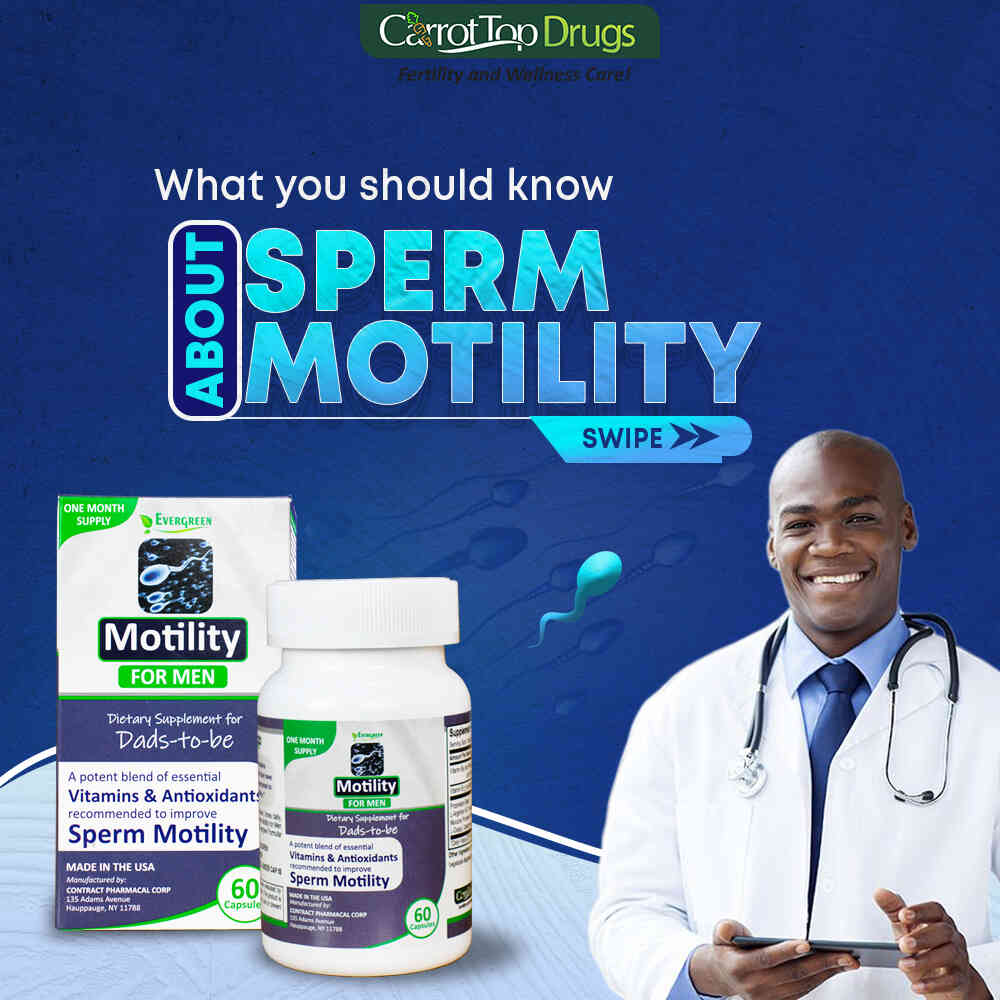
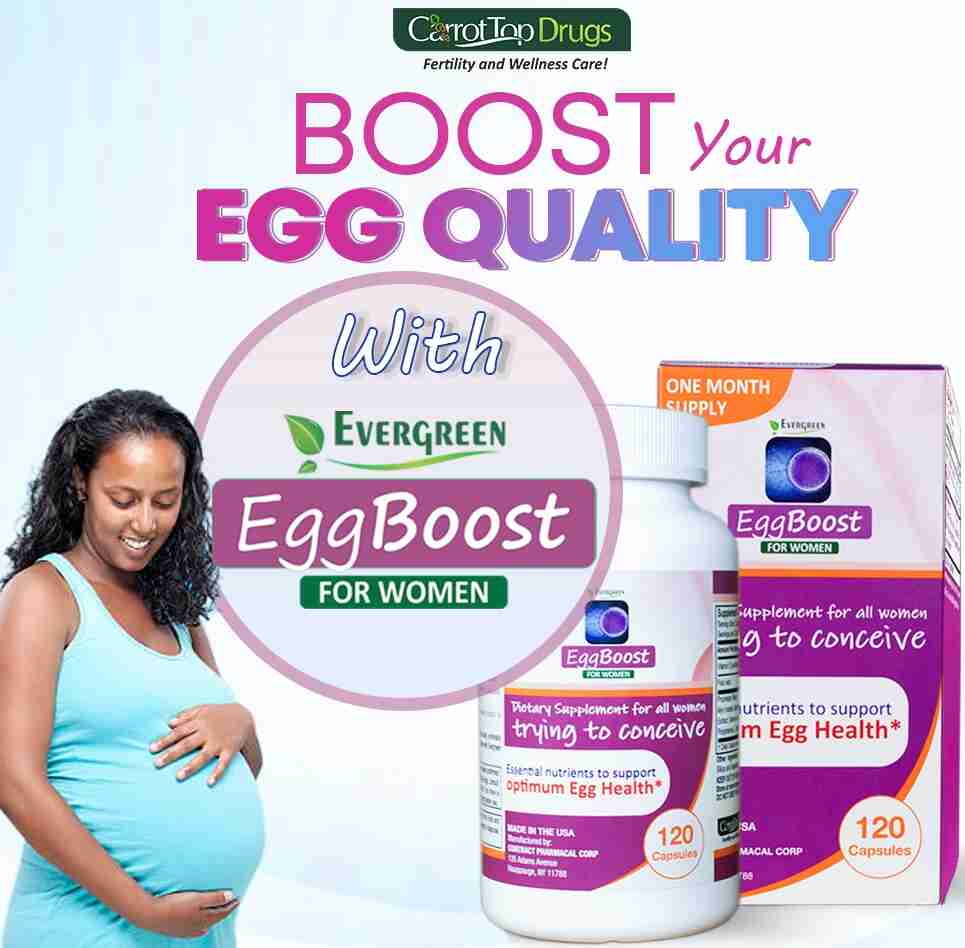
CarrotTop Drugs designs its Evergreen formulas around egg and sperm support. Evergreen EggBoost for Women contains coenzyme Q10 and myo-inositol, along with melatonin, vitamin E, grapeseed extract, alpha-lipoic acid, and folate. Evergreen Formula for Women adds vitamins C and E, folic acid, chasteberry, and red clover. CarrotTop Drugs designed the two to be taken together. For men, Evergreen Formula for Men is a complex antioxidant formula with vitamins C, E, A, and selenium, plus L-carnitine, zinc, maca root, and Asian ginseng. CarrotTop Drugs explains its antioxidant reasoning for sperm quality on its blog.
Apply the same rules to these as to anything else. Both the Women and Men formulas list vitamin A, so check the form and dose on the label and tell your doctor, especially once you could be pregnant. Formula for Women also contains chasteberry, so mention it if you take hormonal medication. None of them guarantees pregnancy, and none replaces a prenatal or medical advice.
Frequently Asked Questions
What to avoid when taking fertility supplements if I’m already pregnant?
Do not take high doses of preformed vitamin A, and review every supplement with your obstetrician. Some fertility formulas are meant for the trying-to-conceive stage, not for pregnancy.
Is it safe to take a prenatal and a fertility blend together?
Often yes, but check for overlaps. Doubling vitamin A, iron, or selenium is the usual problem. Your doctor or pharmacist can compare labels in a few minutes.
Should both partners avoid the same things?
Mostly. Both should avoid unverified products and megadoses. Men should also steer clear of testosterone-type boosters.
Do fertility supplements need to be stopped before tests?
Ask your clinic. Some products can affect lab results or interact with treatment, so give your care team a full list.
Final Thoughts on What to Avoid When Taking Fertility Supplements
The short list on what to avoid when taking fertility supplements is simple. Skip preformed vitamin A megadoses, stacked duplicates, unverified brands, hormone-type boosters for men, uncleared herbs, and unproven add-ons. Choose products with clear labels and tell your doctor everything you take. Evergreen EggBoost, Evergreen Formula for Women, and Evergreen Formula for Men from CarrotTop Drugs are options to review with your provider.