Introduction
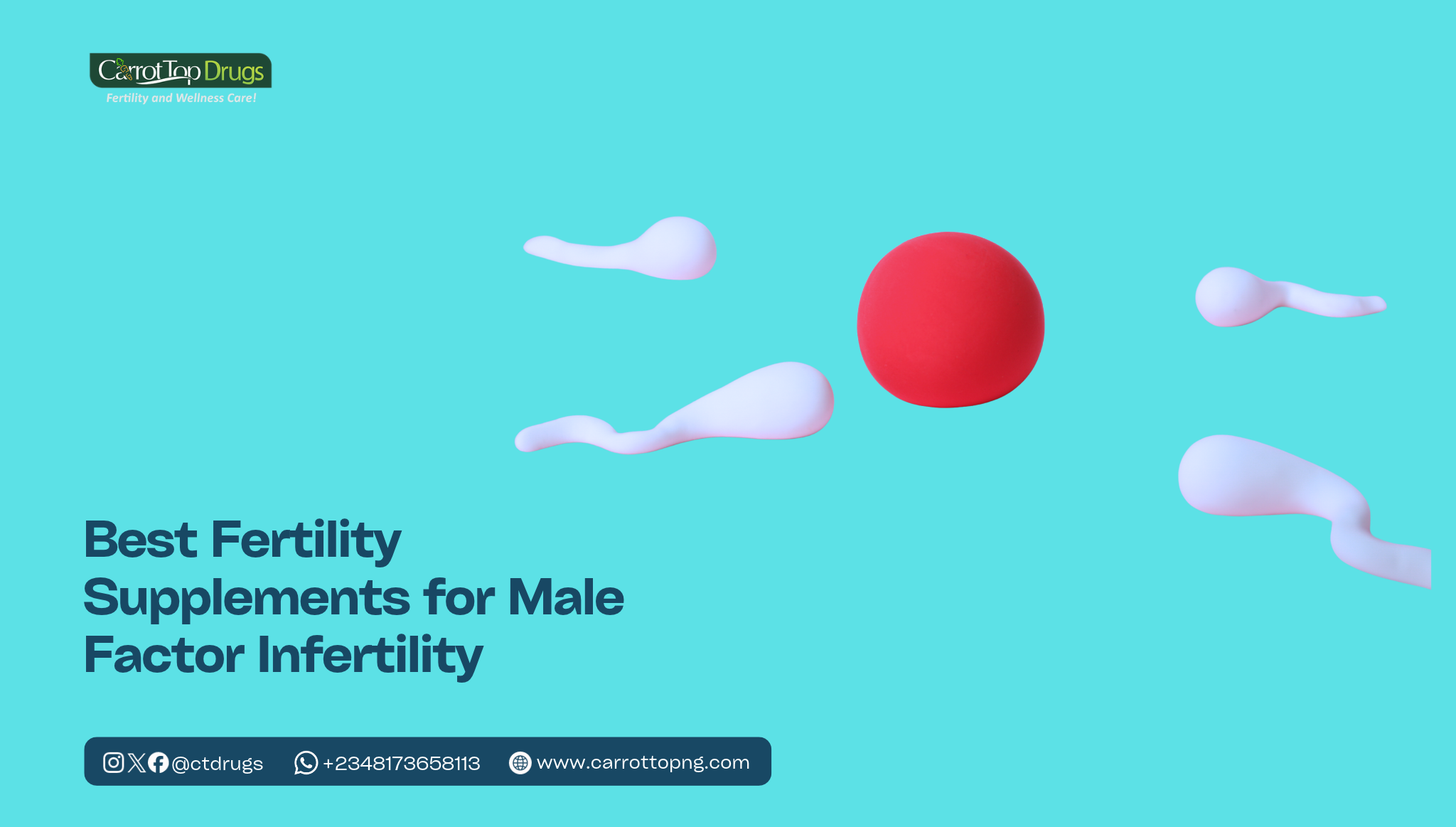
Male factor infertility accounts for roughly half of all infertility cases worldwide. That number has been consistent across decades of research. Yet the conversation in most fertility clinics, most online communities, and most households still centres almost entirely on the woman. The man gets a semen analysis, maybe a referral, and a shrug. Nutritional support for male reproductive health has more clinical evidence behind it than that shrug suggests. The best fertility supplements for male factor infertility work on specific, well-characterised mechanisms: oxidative stress in the testicular environment, mitochondrial energy in sperm, micronutrient cofactors for testosterone synthesis, and herbal compounds that directly influence sperm production. This article covers each one with the evidence it deserves.
Male Infertility Is More Common Than Most Men Know
The WHO estimates that infertility affects approximately 17.5% of adults globally, and that male factor is either the sole cause or a contributing cause in approximately half of all cases. Despite this, male reproductive health receives a fraction of the research funding and clinical attention directed at female infertility.
Sperm quality has also declined measurably over the past several decades. Sperm count, motility, and morphology have all trended downward in studies from North America, Europe, and Australia. Environmental toxins, sedentary lifestyles, poor diet quality, obesity, and chronic psychological stress are among the documented contributors.
The good news is that sperm are produced continuously through a process called spermatogenesis, with a full cycle taking approximately 72 to 74 days. Unlike egg quality, which is constrained by a woman’s fixed oocyte pool, sperm quality can genuinely improve within a single spermatogenesis cycle when the testicular environment is optimised. That is why male reproductive nutrition supplements have a legitimate and measurable role to play.
Why Oxidative Stress Is the Central Problem in Male Infertility
Before getting into specific compounds, the mechanism worth understanding is oxidative stress. Sperm cells are uniquely vulnerable to free radical damage because of two structural features: they have very high concentrations of polyunsaturated fatty acids in their cell membranes, which free radicals attack readily, and they carry almost no cytoplasm, which means they have minimal internal antioxidant defences of their own.
A review published in Reproductive BioMedicine Online found that oxidative stress is a primary cause of poor sperm function in 30 to 80% of infertile men. Free radicals damage the sperm cell membrane, impair motility, reduce the fertilising capacity of the sperm, and cause DNA strand breaks inside the sperm nucleus.
A Human Reproduction Update review on sperm DNA fragmentation confirmed that elevated DNA fragmentation in sperm is associated with reduced IVF success rates, higher miscarriage rates, and poorer embryo development. Antioxidant supplementation that reduces free radical load in the testicular environment directly reduces DNA fragmentation.
This is the foundation on which the best sperm health supplements work. They are not generic vitamins. They are targeted antioxidants and cofactors that address the specific vulnerability of sperm cells.
Antioxidants: The Backbone of Evidence-Based Male Fertility Supplementation
Vitamin C
A 2020 review in Antioxidants confirmed that Vitamin C is one of the most abundant antioxidants in seminal plasma, reaching concentrations eight to ten times higher than in blood plasma. This concentration reflects the specific role it plays in protecting sperm from oxidative damage in the reproductive tract. Supplementation with Vitamin C has been shown to reduce sperm DNA damage and improve motility in men with elevated oxidative stress markers.
Vitamin E
Research in Nutrients (2020) found that Vitamin E is a fat-soluble antioxidant that specifically protects the polyunsaturated fatty acids in sperm cell membranes from lipid peroxidation. Without adequate Vitamin E, those membranes become rigid, which impairs the motility and fertilising ability of the sperm. Clinical trials combining Vitamin E with Vitamin C consistently show greater improvements in sperm parameters than either compound alone.
Selenium
A 2020 Nutrients study on selenium documented that selenium is incorporated into selenoproteins, including glutathione peroxidase, which is the primary antioxidant enzyme inside the sperm cell and in seminal fluid. Selenium deficiency is directly associated with reduced sperm motility and morphology. Adequate selenium status supports both the structural integrity of sperm and their movement capacity.
Selenium also plays a role in testosterone synthesis. Its relationship with the hypothalamic-pituitary-gonadal axis means that deficiency can reduce the hormonal drive for sperm production at the level of the testis itself.
Zinc: Testosterone, Sperm Formation, and Motility
Zinc is one of the most studied micronutrients in male reproductive health, and the evidence base is consistent. It is concentrated in the prostate gland and in seminal fluid at levels much higher than in blood serum, indicating a specific reproductive function.
Research in Frontiers in Nutrition found that zinc supplementation significantly improved sperm count, motility, and morphology in zinc-deficient men. Zinc is a cofactor for over 300 enzymes, several of which are directly involved in testosterone biosynthesis and the cell division process of spermatogenesis.
A Nutrients study confirmed that zinc deficiency reduces serum testosterone, and that supplementation in deficient men restores testosterone levels toward normal. Low testosterone drives reduced libido, impaired sperm production, and poor sperm quality. Correcting the zinc deficit corrects part of the hormonal environment that sperm production depends on.
Zinc is depleted by alcohol, chronic stress, certain medications including some antibiotics, and diets high in refined grain products that contain phytates, which bind zinc and prevent its absorption. Men who eat predominantly processed food are at meaningful risk of suboptimal zinc status even without overt deficiency.
L-Carnitine: Sperm Energy, Maturation, and Motility
Sperm require large amounts of energy to power their motility. The energy source is primarily fatty acid oxidation inside sperm mitochondria, and L-carnitine is the molecule that transports long-chain fatty acids across the mitochondrial membrane for that oxidation to occur. Without adequate L-carnitine, sperm cannot fuel their movement efficiently.
A clinical trial published in Fertility and Sterility found that L-carnitine supplementation significantly improved sperm motility and morphology in men with asthenospermia (poor motility) and oligospermia (low count). The effect was particularly pronounced in men with mitochondrial dysfunction as the underlying cause of their poor sperm function.
L-carnitine also plays a role in sperm maturation in the epididymis, the structure where sperm gain their motility capacity after leaving the testis. The epididymis has very high L-carnitine concentrations, reflecting the compound’s importance in the final stages of sperm development before ejaculation.
For men whose semen analysis shows poor motility as the primary abnormality, L-carnitine is one of the most directly targeted male fertility nutrients available. It addresses the energy system that motility depends on rather than providing general antioxidant support.
Herbal Compounds with Published Evidence for Sperm Quality
Maca Root
A clinical trial published in BMC Complementary and Alternative Medicine found that maca root supplementation over four months significantly increased sperm count and motility in healthy adult men. Maca is a Peruvian root plant that has been used for centuries for reproductive vitality, and this trial was among the first to quantify the effect on semen parameters in a controlled study. The mechanism is not fully characterised but appears to involve the hypothalamic-pituitary axis rather than direct androgenic activity.
Maca does not raise testosterone levels, which distinguishes it from compounds that carry hormonal risks. It appears to improve sperm production through a different signalling pathway, making it appropriate for men who cannot or should not take testosterone-modulating supplements.
Asian Ginseng (Panax ginseng)
Research in the Journal of Ethnopharmacology (2021) documented Asian ginseng’s role in improving sperm motility, sperm count, and testosterone levels in men with idiopathic oligospermia. Ginsenosides, the active compounds in Panax ginseng, appear to act on the hypothalamic-pituitary-gonadal axis and also exert direct antioxidant effects on testicular tissue.
Asian ginseng also reduces cortisol output. Chronic psychological stress elevates cortisol, which suppresses testosterone production through a well-documented neuroendocrine mechanism. For men whose infertility is compounding an already stressful fertility journey, the cortisol-buffering effect of ginseng is clinically relevant, not just a wellness claim.
Two More Compounds Worth Adding to a Complete Male Fertility Protocol
Folate
Published data in Biochemistry and Molecular Biology Education confirmed that folate is necessary for DNA synthesis during spermatogenesis. Sperm are produced through rapid cell division, each division requiring accurate DNA replication. Folate deficiency increases the rate of errors in that replication, producing sperm with chromosomal abnormalities or elevated DNA fragmentation. For couples pursuing IVF or ICSI, elevated paternal DNA fragmentation is associated with poorer embryo quality and higher miscarriage rates.
Coenzyme Q10
A 2019 clinical study in Fertility and Sterility found that CoQ10 supplementation improved sperm count, motility, and morphology in infertile men. CoQ10 is a cofactor in the mitochondrial electron transport chain, the machinery that produces ATP. Sperm mitochondria ring the midpiece of the sperm, providing the energy for the flagellar movement that drives motility. Reduced CoQ10 in seminal plasma is a documented finding in infertile men compared to fertile controls.
What Supplements Cannot Fix on Their Own
Nutritional support for male fertility works within a physiological context. If the contextual factors are severely against sperm production, no combination of male reproductive health vitamins will overcome them.
A Human Reproduction study on lifestyle and fertility confirmed that obesity, smoking, alcohol above 14 units per week, and heat exposure to the testicles (from laptops, hot baths, or tight clothing) all independently impair sperm parameters. Addressing these factors alongside supplementation produces significantly better outcomes than supplementation alone.
Scrotal temperature is particularly underappreciated. The testes are housed outside the body precisely because spermatogenesis requires a temperature approximately 2 degrees Celsius below core body temperature. Prolonged heat exposure disrupts that environment directly. Men who sit for long periods with a laptop on their lap, or who use hot tubs frequently while trying to conceive, are working against the biology that supplements are trying to support.
A Fertility and Sterility paper on varicocele and oxidative stress also noted that varicocele, a dilation of the veins draining the testicle, is the most common correctable cause of male infertility. Surgical correction of varicocele significantly improves semen parameters in most men who have it. Supplementation is not a substitute for that intervention in men with clinically significant varicocele.
A Formulation That Covers the Full Protocol
Most men who are serious about addressing male factor infertility nutritionally end up tracking and sourcing six to ten separate compounds. The logistics are real: different dosing schedules, different storage requirements, and a supplement spend that can climb quickly.
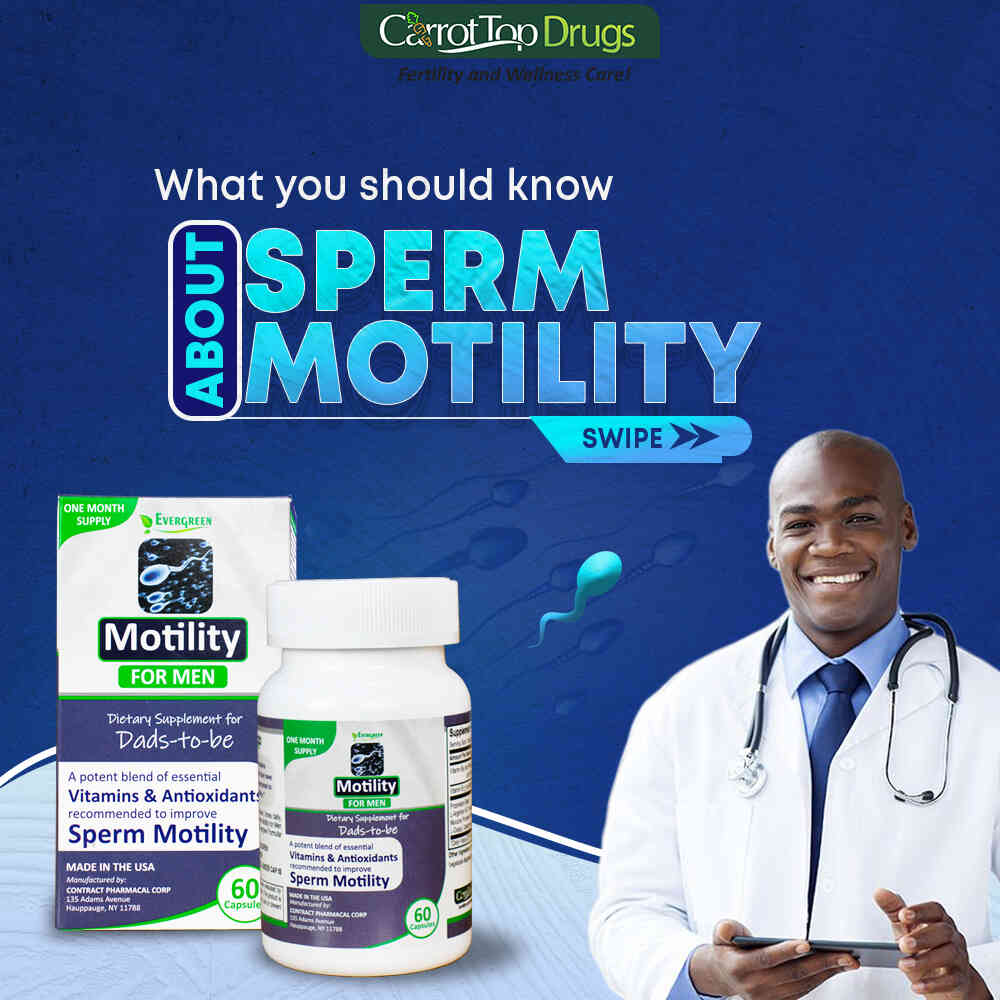
Evergreen Formula for Men brings the key evidence-backed compounds together in one formulation. It contains L-carnitine for sperm maturation and motility energy, Vitamins C and E as synergistic antioxidants targeting sperm membrane and seminal plasma oxidative load, Vitamin A and selenium as additional antioxidant and selenoprotein support, and zinc for testosterone metabolism, sperm formation, and motility. The herbal side includes maca root and Asian ginseng, both with published data for sperm count and motility improvements.
For couples navigating male factor infertility, this covers the mechanisms that published research has identified as modifiable through nutrition: oxidative stress, sperm energy production, micronutrient cofactors for testosterone and spermatogenesis, and the herbal inputs that influence sperm production through the HPG axis.
It does not replace a semen analysis, a hormonal workup, or a urological evaluation. What it does is address the nutritional environment that sperm quality develops within, and that environment is modifiable in ways that a 74-day spermatogenesis cycle can respond to.
How Long Before Supplements Show Results in Semen Parameters
Spermatogenesis takes 72 to 74 days from start to finish. That is the minimum biological timeline for any intervention that works at the level of sperm production to produce measurable changes in a semen analysis.
Most clinical trials measuring the effects of male fertility nutrients on semen parameters run for 12 to 26 weeks. Men who start a supplement protocol and retest at four weeks are not working within the biology. The relevant retest window is three to six months after starting a consistent regimen.
Interim improvements in motility may be detectable earlier because motility is partly an energy and antioxidant function that can respond faster than production-level changes. But count and morphology, which reflect the full spermatogenesis cycle, require the full 74-day window before meaningful change is possible.
Common Questions
Are the best fertility supplements for male factor infertility safe long-term?
The supplements discussed here include L-carnitine, zinc, selenium, vitamins C and E, folate, CoQ10, maca, and ginseng. They are generally considered safe when taken at recommended doses. However, excessive doses can cause side effects. Selenium has a narrower therapeutic window than most. The tolerable upper intake level is 400 micrograms per day for adults; amounts well above that cause selenosis. Most combination products keep selenium within the safe range. If you are also taking other supplements, check for overlap.
Can male fertility supplements improve results for IVF or ICSI?
Yes, with caveats.Studies involving couples undergoing IVF suggest that antioxidants may reduce sperm DNA damage in men. Lower DNA damage has been linked to better fertilisation rates and embryo quality. ICSI bypasses some of the motility barriers but does not bypass DNA integrity. An embryo formed from sperm with damaged DNA has a higher risk of failing to develop properly. This risk may remain regardless of the fertilisation method used.
Do male sperm quality supplements interact with fertility medications?
Most do not, but always disclose what you are taking to your treating urologist or reproductive endocrinologist before starting. Ginseng has some documented interactions with anticoagulants. High-dose zinc can reduce copper absorption if taken long-term without co-supplementation. These are manageable, but your clinical team should know your full supplement list.
My semen analysis is normal. Could supplements still help?
A standard semen analysis measures count, motility, and morphology. It does not measure sperm DNA fragmentation, oxidative stress in seminal plasma, or mitochondrial function. Men with “normal” semen analyses can still have elevated DNA fragmentation that impairs fertility. If a couple has unexplained infertility and the semen analysis is normal, a sperm DNA fragmentation test may help. It can identify sperm DNA damage that a standard semen analysis might miss. This can help determine whether male factors are contributing to the infertility.
The Bottom Line
The best fertility supplements for male factor infertility are not a substitute for medical evaluation. A semen analysis checks sperm quality. A hormonal panel checks hormone levels. A urologist can help identify the cause of fertility problems. These are the first steps for men with confirmed fertility challenges. What nutrition and supplementation do is address the modifiable biochemical environment that sperm develop in.
Research has studied oxidative stress, L-carnitine, zinc, selenium, and antioxidant vitamins. Studies have also examined the effects of maca and ginseng on male fertility. They work over a 74-day spermatogenesis cycle. They require consistency. And they work best alongside the lifestyle corrections that no capsule can replicate.
For men who want to act on the evidence, the compound list in this article provides the framework. A formulation that consolidates them saves time and complexity. Start three months before trying to conceive or beginning IVF. After three months, repeat the semen test to see if the treatment is working.