Introduction
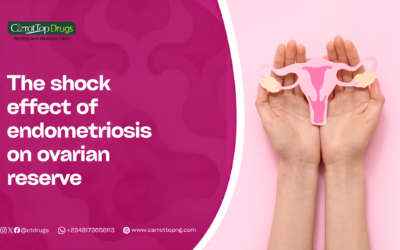
The effect of endometriosis on ovarian reserve is one of the most damaging and most overlooked threats to female fertility in Nigeria. Endometriosis affects roughly 10 to 15 percent of women of reproductive age globally. In Nigeria, many women live with undiagnosed endometriosis for years. By the time doctors discover it, the disease has already done serious damage to the ovaries.
This guide explains how endometriosis destroys ovarian tissue, drives down AMH levels, and reduces your chances of conceiving naturally or through IVF. More importantly, it shows you what you can do today to protect your fertility.
What Is Ovarian Reserve and Why Does It Matter?
Ovarian reserve refers to the number and quality of eggs remaining in your ovaries. You are born with all the eggs you will ever have. Over time, that number drops naturally. But for women with endometriosis, the decline happens far faster than it should.
Doctors measure ovarian reserve using two main tools. The first is a blood test called Anti-Müllerian Hormone (AMH). AMH comes from small follicles inside the ovaries. The higher your AMH, the more eggs you likely have. The second tool is antral follicle count (AFC), which uses ultrasound to count developing follicles.
A low AMH or low AFC reading signals diminished ovarian reserve. This makes conception harder and reduces your response to IVF stimulation drugs.
How Endometriosis Attacks Ovarian Reserve
Endometriosis grows tissue outside the uterus. When it attacks the ovaries, it causes what doctors call endometriomas, also known as chocolate cysts. These cysts release toxic compounds that poison surrounding ovarian tissue and destroy follicles.
Research published in the International Journal of Women’s Health confirms that endometriosis significantly lowers both AMH levels and antral follicle count compared to healthy women. Several mechanisms drive this destruction.
1. Chronic Inflammation
Endometriosis triggers a constant state of low-grade inflammation inside the pelvis. Pro-inflammatory cytokines flood the ovaries, disturbing follicle development and oocyte maturation. This hostile environment stops eggs from growing properly.
2. Oxidative Stress
Reactive oxygen species (free radicals) accumulate inside endometriomas. These molecules damage DNA inside egg cells, reducing egg quality and increasing chromosomal errors. Poor egg quality directly lowers fertilization and pregnancy rates.
3. Mechanical Pressure
Endometriomas stretch ovarian tissue from the inside. This sustained pressure compresses and destroys primordial follicles, the earliest and most important form of egg reserve. Researchers at Wiley BJOG confirm that free iron from cyst walls also seeps into ovarian tissue, causing further damage.
4. Reduced Blood Flow
Fibrosis from endometriosis scars ovarian tissue and cuts off normal blood supply. Less blood means fewer nutrients reach developing follicles. The follicles that do develop often produce lower-quality eggs.
Endometriosis and AMH Levels: The Hard Numbers
AMH levels are significantly lower in women with endometriosis than in healthy women of the same age. Studies comparing endometrioma patients to controls found AMH values of 2.8 versus 4.2 ng/mL—a meaningful gap that affects treatment decisions.
Moreover, this drop in AMH is not just caused by surgery. Endometriomas lower AMH even before any operation. The disease itself destroys follicles silently and steadily over time.
For Nigerian women who discover endometriosis late—often at stage 3 or 4—the damage to ovarian reserve may already be severe. Early testing matters. If you have pelvic pain, painful periods, or difficulty conceiving, request an AMH test immediately.
Does Endometriosis Surgery Reduce Ovarian Reserve?
Surgery for endometriosis, especially endometrioma cystectomy, carries a well-documented risk. Removing a chocolate cyst also removes healthy ovarian tissue around it. This is almost unavoidable, even in experienced hands.
A systematic review published in MDPI Journal of Clinical Medicine shows that AMH drops significantly after cystectomy. In women with bilateral cysts, AMH can fall by up to 57 percent. This decline is often permanent.
However, the picture is more complex than simple harm. Surgery can also improve fertility outcomes by reducing toxic cyst fluid, correcting anatomy, and improving access to follicles during IVF egg retrieval.
What Happens to AMH After Surgery?
AMH typically falls sharply in the first three to six months after ovarian cystectomy. Evidence reviewed in MDPI (2025) shows that AMH may partially recover within 12 months. But women whose AMH does not recover within that window face a much harder fertility journey.
This is why many specialists now recommend proceeding to IVF without surgery first. Avoiding unnecessary surgery protects what little ovarian reserve remains, especially in women over 35 or those with already-low AMH.
Less Destructive Surgical Alternatives
Ablative techniques—including laser vaporization and sclerotherapy—damage less ovarian tissue than full cystectomy. Research shows they preserve more AMH postoperatively. Ask your surgeon which approach makes sense for your specific case and cyst size.
Signs of Poor Ovarian Reserve in Women with Endometriosis
Not every woman with endometriosis will develop poor ovarian reserve. But you should watch for these warning signs:
- AMH below 1.0 ng/mL on blood testing
- Antral follicle count of 5 or fewer on ultrasound
- Irregular or very short menstrual cycles
- Poor response to fertility medications during IVF
- Repeated IVF cycle cancellations due to few follicles
- Difficulty conceiving despite regular unprotected sex for 12 months
If you notice several of these signs, see a reproductive endocrinologist immediately. Time matters. Every month of waiting shrinks your remaining reserve further.
Can You Get Pregnant with Endometriosis and Low Ovarian Reserve?
Yes—pregnancy remains possible. But it is harder, and the route may differ from what you expect. A retrospective study from Brazil found that women with endometriosis and normal ovarian reserve achieved live birth rates comparable to women without the disease. Low reserve, however, significantly reduced those rates.
Key facts to know:
- IVF remains the most effective treatment for endometriosis-related infertility
- Women with stage 3 to 4 endometriosis and good AMH can still achieve good IVF results
- Donor eggs offer a strong alternative when ovarian reserve is very low
- Freeze embryos early if you are diagnosed with endometriosis but not yet ready to conceive
Your age at diagnosis matters enormously. Women under 35 with endometriosis and low AMH have more time to pursue treatment than those over 38.
Endometriosis and IVF Success Rates in Nigeria
IVF remains the most recommended path for women with endometriosis and diminished ovarian reserve. Yet endometriosis does reduce IVF success compared to tubal factor infertility.
Data published in the PMC database shows that women with endometriosis consistently show lower live birth rates in IVF than women with tubal-factor infertility. The clinical pregnancy rate in the endometrioma group sits around 26 to 27 percent per cycle.
Still, IVF works. The key is optimizing your body before each cycle. Nigerian fertility clinics increasingly offer long GnRH agonist protocols before IVF for women with endometriosis. Research shows this approach can significantly improve clinical pregnancy odds.
Furthermore, women with low AMH heading into IVF should prioritize egg quality as much as egg quantity. Fewer, better-quality eggs produce better embryos. This is where targeted supplementation makes a real difference.
How to Preserve Ovarian Reserve with Endometriosis in Nigeria
Whether or not you plan to conceive right now, protecting your ovarian reserve is critical. Here is a practical framework for Nigerian women:
1. Test Early and Repeatedly
Run an AMH blood test at diagnosis and every six to twelve months thereafter. Track the trend. A falling AMH signals worsening reserve even before you notice symptoms.
2. Avoid Unnecessary Surgery
Do not rush into ovarian surgery unless cysts are large (above 4 cm), growing fast, or causing severe pain. ESHRE guidelines recommend measuring AMH before any ovarian surgery. If your reserve is already low, expectant management or direct IVF is often safer.
3. Manage Inflammation
Reduce whole-body inflammation through diet. Cut ultra-processed foods, refined sugar, and trans fats. These drive systemic inflammation that accelerates follicle loss.
4. Fertility Preservation
If you are not ready to conceive but have endometriosis, freeze your eggs now. Cryopreservation locks in the eggs you have today before the disease destroys more.
5. Targeted Nutritional Support
Certain nutrients directly support oocyte quality and ovarian function. This is where Evergreen Eggboost and Evergreen Formula for Women become important tools for Nigerian women managing endometriosis-related infertility.
How Evergreen Eggboost and Evergreen Formula for Women Can Help
Endometriosis damages eggs through oxidative stress and inflammation. Targeted nutritional support directly counters both of these mechanisms.
Evergreen Eggboost
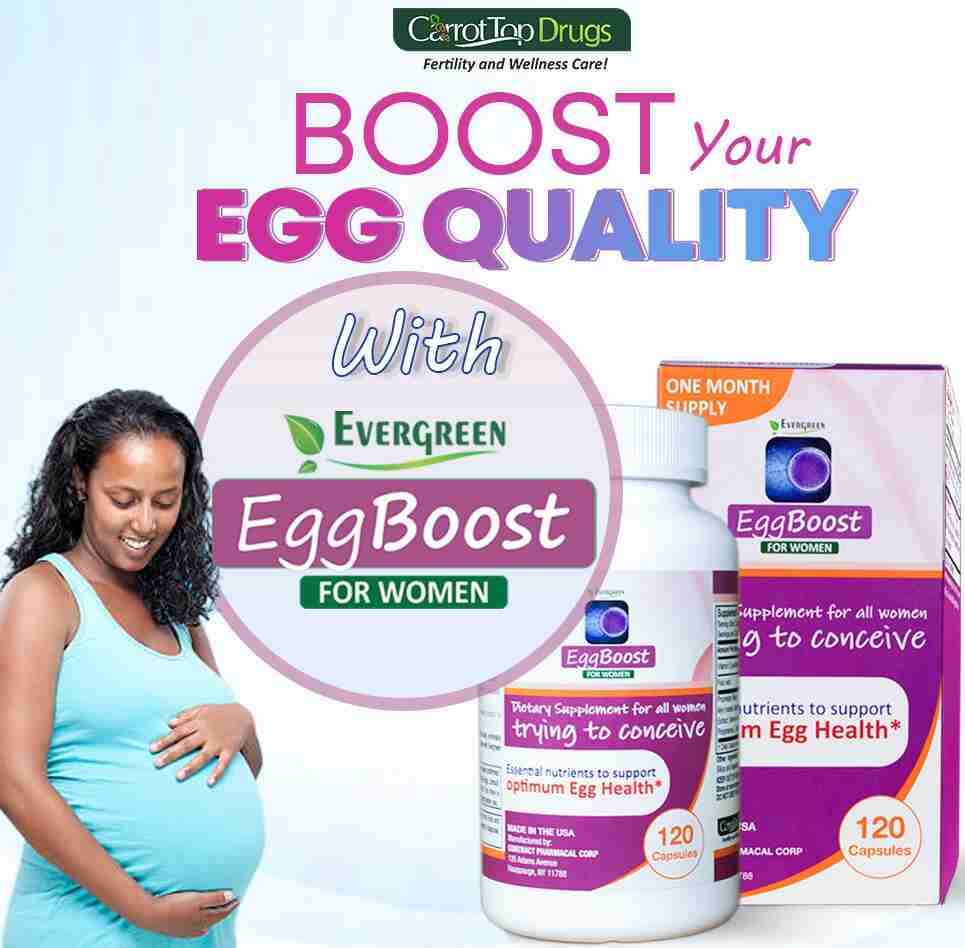
Evergreen Eggboost promotes oocyte quality and ovarian function in women who are actively trying to conceive. It combines several evidence-backed ingredients into one convenient supplement:
- Myo-inositol: Improves egg quality and hormonal balance in women with poor ovarian reserve
- Melatonin: A powerful antioxidant that protects developing eggs from oxidative stress inside endometriomas
- Vitamin E: Reduces inflammation and protects follicular cells from free radical damage
- Grape seed extract: A concentrated antioxidant that neutralizes reactive oxygen species in ovarian tissue
- Folic acid: Supports healthy cell division and reduces the risk of chromosomal errors in oocytes
For women with endometriosis preparing for IVF or trying naturally, Evergreen Eggboost addresses the core biological damage that the disease causes at the cellular level.
Evergreen Formula for Women
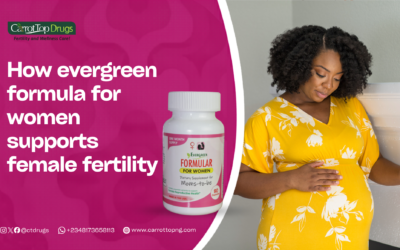
Evergreen Formula for Women is a complete fertility adjuvant for the dietetic management of idiopathic infertility. It fills the nutritional gaps that many Nigerian women carry due to dietary limitations and high physiological demand.
Its formula includes vitamins A, C, D3, E, B1, B2, B3, B6, B12, folic acid, and pantothenic acid, alongside essential minerals iron, iodine, magnesium, zinc, selenium, and copper. Together, these nutrients:
- Regulate hormonal pathways needed for follicle development
- Support thyroid function, which directly affects ovarian response
- Reduce oxidative damage to eggs and the uterine lining
- Strengthen immune regulation, which goes haywire in endometriosis
Used together, Evergreen Eggboost and Evergreen Formula for Women offer comprehensive support—addressing egg quality, hormonal balance, and whole-body nutritional status for women fighting both endometriosis and infertility.
Testing Your Ovarian Reserve: What to Ask Your Doctor
If you suspect endometriosis is affecting your fertility, ask your doctor for these specific tests:
- Serum AMH: Measures remaining egg reserve; ideal range is above 1.0 ng/mL
- Day 3 FSH and estradiol: High FSH signals reduced ovarian response
- Antral follicle count via transvaginal ultrasound: Counts developing follicles
- Transvaginal ultrasound to detect endometriomas in the ovaries
Run these tests before any surgery. Your results determine whether you should pursue IVF first, freeze eggs, or consider surgical intervention. Do not skip this step.
When to See a Fertility Specialist in Nigeria
See a reproductive endocrinologist immediately if any of these apply:
- You have a confirmed endometriosis diagnosis and want to conceive
- You have tried to conceive for 6 months without success and are over 35
- You have endometriomas on one or both ovaries
- Your AMH is below 1.0 ng/mL on blood testing
- You have had prior ovarian surgery
Nigerian fertility clinics in Lagos, Abuja, and Port Harcourt now offer full ovarian reserve panels and IVF services. Do not wait for symptoms to worsen before seeking help.
Frequently Asked Questions
Does endometriosis reduce ovarian reserve?
Yes. Endometriosis actively destroys follicles through inflammation, oxidative stress, and direct tissue damage. Research consistently shows lower AMH and fewer antral follicles in women with endometriosis compared to healthy controls.
Can endometriosis cause low AMH levels?
Yes. Endometriomas—chocolate cysts on the ovaries—release toxic compounds that destroy surrounding follicles. This directly lowers AMH production. The effect worsens with disease stage and cyst size.
How does endometriosis affect egg quality in Nigerian women?
Endometriosis creates a high-oxidative-stress environment inside the ovaries. Reactive oxygen species damage egg DNA, reducing egg quality. Poor egg quality leads to lower fertilization rates, fewer viable embryos, and higher miscarriage rates during IVF.
Can you get pregnant with endometriosis and low ovarian reserve?
Yes—but success depends on your age, the degree of reserve loss, and the treatments you use. IVF works best. Women with very low AMH may achieve pregnancy using donor eggs. Early diagnosis and intervention dramatically improve outcomes.
Does removing endometriosis cysts improve ovarian reserve?
Not directly. Removing cysts reduces toxic damage over time, but surgery itself removes healthy ovarian tissue and further lowers AMH immediately after the procedure. AMH may partially recover within 12 months. The decision to operate should weigh symptoms, cyst size, AMH level, and fertility goals.
Can AMH increase after endometriosis surgery?
In some women, AMH partially recovers 9 to 12 months after cystectomy—especially if surgery used non-thermal hemostasis techniques and preserved ovarian tissue. However, full recovery to pre-surgery levels rarely occurs. Women whose AMH does not improve within 12 months should move quickly to IVF or egg freezing.
What are the signs of poor ovarian reserve in endometriosis?
Key signs include low AMH (below 1.0 ng/mL), low antral follicle count (below 5 to 7), short menstrual cycles, poor response to ovarian stimulation during IVF, and failure to conceive after multiple treatment attempts.
What is the effect of endometriosis on AMH and ovarian reserve?
Endometriosis lowers AMH by destroying primordial follicles through inflammatory and oxidative mechanisms. Both the disease itself and its surgical treatment reduce ovarian reserve. Early testing, nutritional support, and timely fertility treatment are the best response.
Conclusion
The effect of endometriosis on ovarian reserve is real, progressive, and often silent. Nigerian women face a double burden: late diagnosis and limited access to early fertility screening. But knowledge is your first defense.
Test your AMH early. Monitor it regularly. Seek specialist care as soon as possible. Use targeted supplements like Evergreen Eggboost and Evergreen Formula for Women to support egg quality and hormonal health throughout your fertility journey.
Endometriosis does not mean infertility is inevitable. With the right information, the right team, and the right support, many women with endometriosis achieve pregnancy. Your window is now. Take action today.