Introduction
The relationship between nutrition and fertility is stronger than most people realise — poor diet contributes to up to 40% of female infertility cases worldwide. In Nigeria, where dietary habits are shifting rapidly toward processed foods, this connection deserves urgent attention. What you eat directly shapes your hormones, your egg quality, and your chances of conception.
How Nutrition Affects Fertility in Women
The relationship between nutrition and fertility operates through several interlocking biological pathways. Food choices directly regulate the hormones that govern ovulation, egg release, and the menstrual cycle. When a woman’s diet lacks essential nutrients, her hypothalamic-pituitary-ovarian axis — the hormonal command chain for reproduction — begins to malfunction.
Oxidative stress is one of the clearest mechanisms. Free radicals from poor diet damage oocytes at the cellular level. Consequently, egg quality drops even before conception is attempted. In Nigerian women, diets high in refined carbohydrates and low in antioxidants accelerate this damage considerably.
Nutrient deficiencies compound the problem further. Iron deficiency disrupts ovulation. Low folate impairs cell division during early embryo development. Vitamin D deficiency — extremely common in Nigerian urban populations despite abundant sunshine — weakens hormonal signalling to the ovaries. These are not marginal concerns; they are direct causes of anovulatory infertility.
However, two under-discussed pathways deserve attention. First, chronic dietary inflammation — driven by ultra-processed foods, excess sugar, and trans fats — elevates prostaglandins and cytokines that interfere with implantation. Second, the gut microbiome directly modulates oestrogen metabolism. A disrupted gut flora impairs the body’s ability to recycle and regulate oestrogen effectively. Therefore, how does poor nutrition cause infertility in Nigerian women is not a simple answer — it is a cascade of hormonal, oxidative, inflammatory, and microbial failures.
For Nigerian women navigating infertility, addressing diet is not optional — it is foundational.
Key Vitamins and Minerals That Improve Fertility in Women
Understanding which vitamins and minerals improve fertility in women allows for targeted, evidence-based action. Each micronutrient plays a distinct mechanical role in reproductive function.
Folic acid is non-negotiable. It supports DNA synthesis and cell division — both critical during early embryo development. Moreover, adequate folate before conception prevents neural tube defects in the developing fetus. The body cannot produce folate; it must come from food or supplementation.
Vitamin D3 activates receptors in the ovaries and regulates the expression of genes involved in follicle development. Research consistently links low D3 levels with poor IVF outcomes and irregular ovulation.
Zinc drives egg maturation. Without sufficient zinc, oocyte development stalls, and ovulation may not complete normally. Selenium acts as a powerful antioxidant that shields oocytes from oxidative damage at the point of fertilisation. Iron supports ovulatory function directly — women with iron deficiency are significantly more likely to experience anovulation.
Magnesium reduces systemic inflammation and supports progesterone production in the luteal phase. Iodine is essential for thyroid function, and thyroid dysfunction is among the most overlooked causes of infertility in Nigerian women. Vitamins B6 and B12 regulate homocysteine — a metabolic compound that, when elevated, impairs implantation and early pregnancy maintenance.
Additionally, vitamins A, C, and E provide antioxidant protection across the entire reproductive system, reducing oxidative load on eggs, the uterine lining, and hormonal pathways.
For women who struggle to obtain this full spectrum from diet alone, Evergreen Formula for Women provides a comprehensive fertility adjuvant containing vitamins A, C, D3, E, B1, B2, B3, B6, B12, folic acid, pantothenic acid, iron, iodine, magnesium, zinc, selenium, and copper — formulated specifically for the dietetic management of idiopathic infertility. Women who need focused folate and B12 support may also benefit from Evergreen Folic Acid + B12, which delivers these two critical nutrients in a targeted format. As always, consult a healthcare provider before starting any supplement regimen.
Best Nigerian Foods to Eat When Trying to Conceive
Most fertility diet advice online features avocado toast and salmon — foods that feel distant from Nigerian kitchens. However, Nigeria’s food landscape is remarkably rich in fertility-supportive options. Knowing the best Nigerian foods to eat when trying to conceive puts practical power back in your hands.
Oily fish — mackerel (titus) and sardines — deliver abundant omega-3 fatty acids. These reduce reproductive inflammation, support ovarian blood flow, and improve the quality of the uterine lining. Aim for at least two servings per week.
Eggs supply choline, a nutrient essential for embryo neural development, alongside high-quality complete protein. They also provide B12, selenium, and vitamin D — a remarkable fertility package in a single affordable food.
Beans and lentils — including black-eyed peas, brown beans, and ọ́bẹ̀ ẹ̀wà — provide plant-based protein, iron, and folate simultaneously. Research links plant protein intake with lower ovulatory infertility risk compared to diets high in animal protein. Therefore, beans are among the most powerful fertility foods in Nigeria.
Ugu (pumpkin leaf) and bitter leaf are nutritional powerhouses. Ugu is dense in iron, folate, calcium, and antioxidants — all directly relevant to ovulation and early embryo development. Bitter leaf contains flavonoids and phytochemicals that support hormonal balance and reduce oxidative stress in the reproductive system.
Tiger nuts (aya) are rich in zinc, healthy monounsaturated fats, and magnesium. Zinc drives egg maturation, and tiger nuts deliver it in a form widely available across Nigerian markets.
Ofada rice and other whole grains release glucose slowly, preventing the insulin spikes that disrupt ovulation — particularly important for women with polycystic ovary syndrome (PCOS). In contrast, refined white rice consumed in excess drives insulin resistance, a major barrier to conception.
Avocado provides folate and monounsaturated fats that support hormone production and endometrial health. Liver — consumed in moderation — is one of Nigeria’s richest sources of iron, B12, and vitamin A. However, avoid excessive liver intake during conception attempts due to high preformed vitamin A levels.
Groundnuts and walnuts supply selenium, vitamin E, and omega-3s. These nutrients collectively protect egg quality and support the antioxidant defenses of the ovarian environment. Citrus fruits — oranges, tangerines, and grape — provide vitamin C, which enhances iron absorption from plant foods and reduces oxidative damage to reproductive cells.
A fertility diet for women in Nigeria does not require expensive imports. It requires consistent choices from foods already found in local markets.
Nutrition for Male Fertility: What Nigerian Men Should Eat
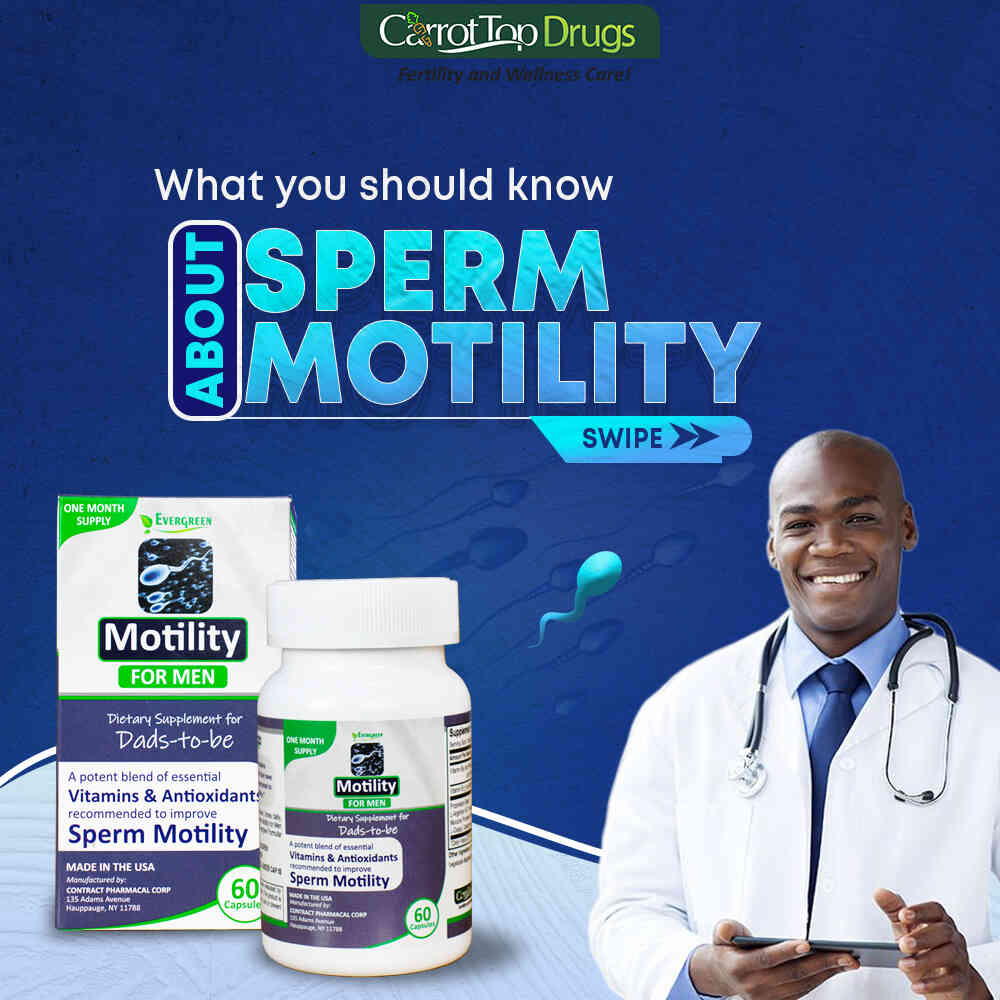
Fertility is not a female-only concern. Male factor infertility accounts for approximately 50% of all infertility cases globally. Nutrition for male fertility in Nigeria remains severely underaddressed — both in clinics and online. Diet directly affects sperm count, motility, morphology, and DNA integrity.
Zinc is the single most important mineral for sperm production. It supports testosterone synthesis and sperm cell development. Nigerian food sources rich in zinc include oysters, beef, crayfish, pumpkin seeds, and beans. Zinc deficiency produces low sperm counts and poor motility consistently across research populations.
Selenium protects sperm from oxidative damage and supports motility directly. Groundnuts, walnuts, and eggs are practical Nigerian sources. Moreover, selenium works synergistically with vitamin E — together, they form a key antioxidant defence within the testes.
Vitamin C prevents oxidative aggregation of sperm cells — a process called sperm clumping that reduces fertilisation potential. Citrus fruits, peppers, and tomatoes all supply strong amounts. Consequently, including these foods daily supports sperm quality at a cellular level.
Lycopene — found abundantly in cooked tomatoes — improves sperm morphology. Cooking tomatoes increases lycopene bioavailability significantly. Nigerian tomato-based stews are therefore an ideal vehicle for this fertility nutrient.
Omega-3 fatty acids maintain the structural integrity of the sperm cell membrane, which directly affects the sperm’s ability to penetrate an egg. Mackerel, titus fish, and sardines are affordable, widely available Nigerian sources. Men trying to conceive should eat oily fish at least twice weekly.
Folate reduces sperm DNA fragmentation — a common but underdiagnosed cause of repeated miscarriage and failed conception in couples. Beans, ugu, and liver supply folate alongside the B12 needed for sperm DNA synthesis. Vitamin E, found in groundnuts, avocado, and palm oil, provides direct antioxidant protection for sperm cells during their 74-day development cycle.
A practical fertility diet plan for couples in Nigeria, therefore, shares many of the same foods. When both partners eat nutrient-dense, antioxidant-rich meals consistently, they address the full spectrum of reproductive biology — not just one half of it.
The Role of Egg Quality in Female Fertility and How Diet Helps
Egg quality refers to the oocyte’s ability to be fertilised and develop into a healthy embryo. Poor oocyte quality remains one of the leading reasons for failed conception and early pregnancy loss. As a result, understanding what damages egg quality — and how to protect it — sits at the heart of the relationship between nutrition and fertility.
Oxidative stress is a key culprit. Free radicals attack the mitochondrial DNA inside oocytes, impairing energy production and chromosomal integrity. However, a diet rich in antioxidants — berries, leafy greens, tomatoes, and orange-fleshed fruits — neutralises these free radicals before they cause irreversible damage, Myo-inositol plays a particularly important role. It improves insulin signalling in ovarian cells, which matters greatly for women with PCOS — a condition affecting up to 15% of Nigerian women of reproductive age. Moreover, myo-inositol supports oocyte maturation by regulating the hormonal signals that trigger follicle development. Consequently, women with insulin-resistant PCOS who consume adequate myo-inositol show measurably better egg quality in clinical studies.
Melatonin is another critical nutrient. Follicular fluid naturally contains melatonin, where it acts as a direct antioxidant protecting the maturing oocyte. Additionally, grape seed extract and vitamin E provide layered oxidative protection, preserving the structural integrity of the oocyte membrane during the critical pre-ovulatory phase.
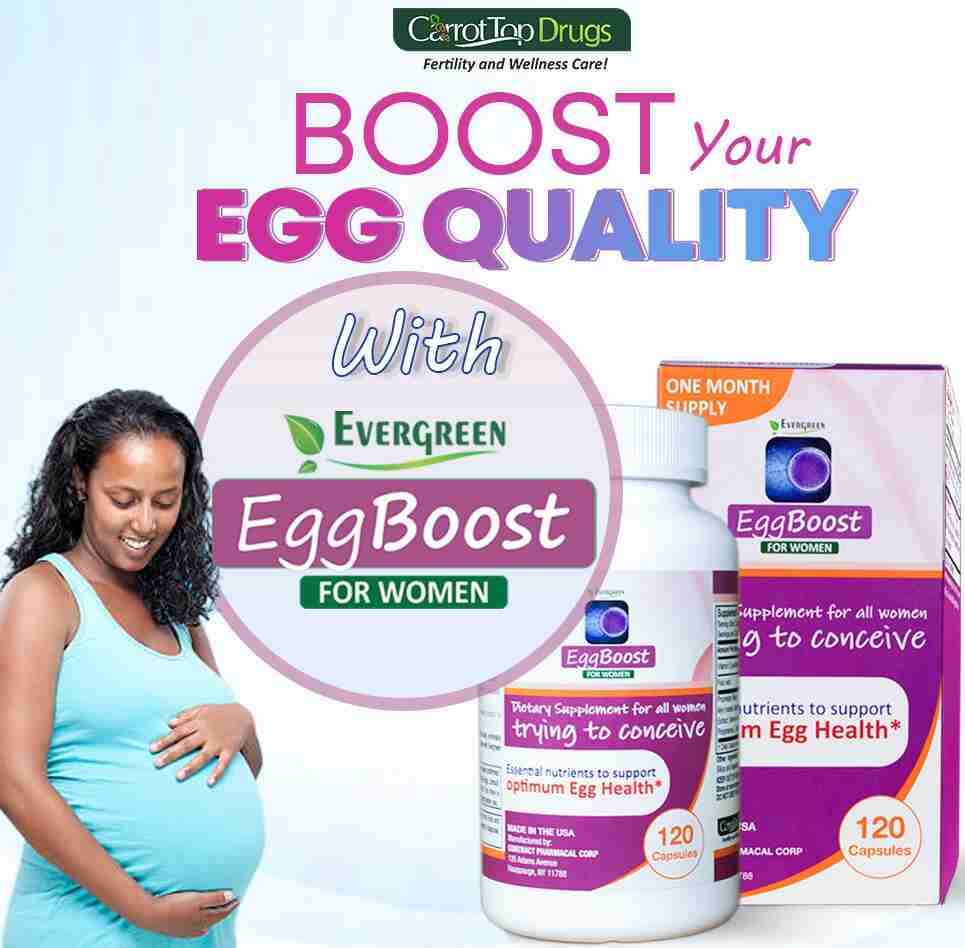
For women actively trying to conceive in Nigeria, obtaining therapeutic amounts of these nutrients through food alone can be challenging. Therefore, a targeted supplement can fill that gap. Evergreen Eggboost is specifically formulated to promote oocyte quality and ovarian function. It contains myo-inositol, folic acid, melatonin, vitamin E, and grape seed extract — precisely the compounds the evidence supports for egg quality improvement. It offers a practical, science-backed option for women who want a structured nutritional approach to conception. Always consult a healthcare provider or registered dietitian before starting any supplement.
Obesity, Weight, and Fertility: What Nigerian Women Need to Know
The relationship between obesity and infertility in Nigeria is increasingly urgent. Urban dietary shifts — more ultra-processed foods, refined carbohydrates, and sugary drinks — have driven rising obesity rates among Nigerian women of childbearing age. Consequently, clinicians are seeing more weight-related fertility challenges.
Excess adipose (fat) tissue converts androgens into oestrogen through a process called aromatisation. This raises circulating oestrogen levels, disrupts the hypothalamic-pituitary-ovarian axis, and suppresses normal ovulation. For women already managing PCOS, excess weight worsens insulin resistance and amplifies androgen excess. As a result, ovulation becomes irregular or absent entirely. Additionally, obesity significantly reduces IVF success rates, increasing miscarriage risk and lowering embryo implantation rates.
However, low body weight carries its own risks. Women with a BMI below 18.5 often develop hypothalamic amenorrhoea — the brain essentially shuts down the reproductive cycle to conserve energy. Anovulation follows, and conception becomes impossible without intervention.
The solution lies in whole-food dietary patterns. Reducing ultra-processed foods, refined grains, and sugary drinks while increasing vegetables, legumes, lean proteins, and healthy fats improves insulin sensitivity, restores hormonal balance, and supports a healthier BMI. Furthermore, achieving even a 5–10% reduction in body weight in overweight women can restore ovulation and significantly improve conception rates.
These same dietary improvements also ensure adequate intake of the vitamins and minerals covered throughout this article — confirming that weight management and micronutrient optimisation are two sides of the same fertility coin.
7-Day Nigerian Fertility Diet Plan for Couples Trying to Conceive
This fertility diet plan for couples in Nigeria uses locally available, affordable ingredients. Each day balances protein, whole grains, healthy fats, and colourful produce. Limit refined carbohydrates, trans fats, processed meats, alcohol, and sugary drinks throughout the week.
Day 1
Breakfast: Oats cooked in low-fat milk, topped with banana slices and a handful of groundnuts. Lunch: Ofada rice with ayamase sauce (green pepper-based), grilled mackerel, and sliced avocado. Dinner: Egusi soup with ugu leaves, served with pounded yam (moderate portion). Snack: Watermelon chunks and unsweetened zobo.
Day 2
Breakfast: Akara (bean cakes) with ogi (pap) made from sorghum. Lunch: Oha soup with stockfish, crayfish, and cocoyam thickener. Dinner: Grilled tilapia, brown rice, and steamed green beans. Snack: Boiled groundnuts and a fresh orange.
Day 3
Breakfast: Whole-grain bread with boiled eggs and sliced tomatoes. Lunch: Vegetable soup (uziza and bitterleaf) with lean beef and eba (reduced portion). Dinner: Moi moi made with brown beans, sardines, and onions. Snack: Pawpaw and tiger nuts.
Day 4
Breakfast: Smoothie — banana, spinach, ginger, low-fat yoghurt, and flaxseeds. Lunch: Jollof brown rice with chicken (grilled, skin removed), coleslaw. Dinner: Efo riro with tofu, crayfish, and red palm oil (one tablespoon). Snack: Garden eggs with groundnut paste.
Day 5
Breakfast: Millet porridge with dates and sesame seeds. Lunch: Catfish pepper soup with unripe plantain. Dinner: Beans and plantain pottage with spinach stirred in. Snack: Walnuts and a small bunch of grapes.
Day 6
Breakfast: Boiled yam with vegetable sauce (tomatoes, onions, sardines). Lunch: Okra soup with assorted lean meats, served with oat swallow. Dinner: Grilled salmon, steamed broccoli, and boiled sweet potato. Snack: Pineapple slices and unsalted cashews.
Day 7
Breakfast: Whole-grain akamu enriched with soy flour and topped with fresh fruit. Lunch: Ofe onugbu (bitterleaf soup) with goat meat and fufu (moderate). Dinner: Stir-fried vegetables (carrots, cabbage, bell peppers) with grilled chicken and brown rice. Snack: Baobab fruit drink (unsweetened) and groundnuts.
This plan deliberately rotates animal proteins, plant proteins, and oily fish to cover zinc, iron, omega-3s, and selenium across the week. Therefore, neither partner faces consistent nutrient gaps.
Foods and Habits That Harm Fertility
The relationship between nutrition and fertility works in both directions. Certain foods and habits actively damage reproductive health, and Nigerian diets are increasingly exposed to these risks.
Trans fats and ultra-processed foods drive systemic inflammation and worsen insulin resistance — both of which impair ovulation and sperm function. Fast foods, packaged snacks, and commercial frying oils are common sources.
High-glycaemic refined carbohydrates — white bread, white rice, consumed in excess, sugary drinks — spike insulin and disrupt the LH surge needed for ovulation. Consequently, regular high-glycaemic eating patterns are independently linked to ovulatory infertility.
Excess alcohol disrupts oestrogen metabolism in women and damages sperm DNA, reduces testosterone, and impairs sperm motility in men. Even moderate intake raises miscarriage risk in early pregnancy.
Excessive caffeine — more than 200–300mg daily — is associated with increased miscarriage risk at high doses. Additionally, it may impair fallopian tube contractions needed for egg transport.
Smoking and tobacco accelerate ovarian ageing, reduce egg reserve, damage sperm DNA, and increase the risk of ectopic pregnancy. There is no safe level of tobacco exposure for fertility.
Plastics and food additives in packaged foods contain endocrine-disrupting chemicals — BPA, phthalates — that interfere with oestrogen and testosterone signalling. Therefore, reducing reliance on plastic-packaged convenience foods protects hormonal health.
Frequently Asked Questions
How does nutrition affect fertility in women?
Nutrition directly regulates the hormones that control ovulation, egg quality, and uterine health. Micronutrients like folate, iron, zinc, and vitamin D support follicle development and implantation. Antioxidants protect oocytes from oxidative damage. Conversely, nutrient deficiencies and inflammatory diets disrupt the hormonal cascade needed for conception. The relationship between nutrition and fertility is therefore both direct and measurable.
What Nigerian foods are best for boosting egg quality and fertility?
Ugu (pumpkin leaves), spinach, and bitterleaf provide folate and iron for oocyte health. Oily fish like mackerel and sardines supply omega-3 fatty acids that reduce ovarian inflammation. Eggs, beans, and soybeans offer quality protein and zinc. Garden eggs and colourful peppers deliver antioxidants. Tiger nuts and walnuts provide healthy fats and vitamin E, which directly support oocyte membrane protection.
Can poor diet cause infertility in women?
Yes. Poor nutrition causes infertility through multiple pathways. Iron deficiency impairs ovulation. Folate deficiency increases neural tube defect risk and disrupts cell division in early embryos. Chronic energy restriction suppresses the hypothalamic signals that trigger ovulation. Moreover, diets high in ultra-processed foods promote insulin resistance and inflammation, both of which disrupt the menstrual cycle and reduce egg quality over time.
Which vitamins and minerals are most important for fertility in Nigeria?
Folate is essential for preventing neural tube defects and supporting early embryo development. Iron supports ovulation and prevents anaemia during pregnancy. Zinc regulates oestrogen and progesterone balance. Vitamin D modulates implantation and reduces miscarriage risk. Selenium protects eggs and sperm from oxidative damage. Iodine supports thyroid function, which governs overall hormonal health. For women who cannot meet these needs through diet alone, Evergreen Formula for Women provides a comprehensive blend covering vitamins A, C, D3, E, B-complex vitamins, iron, iodine, magnesium, zinc, selenium, and copper — formulated specifically for the dietetic management of idiopathic infertility. Additionally