
Introduction
Vitamin B3 fertility benefits gained global attention when groundbreaking research revealed this essential nutrient prevents miscarriages and birth defects in mice. Consequently, scientists discovered that vitamin B3, also called niacin, plays a critical role in egg quality and reproductive health. Moreover, this affordable nutrient offers hope to millions of couples struggling with infertility worldwide.
Understanding Vitamin B3 (Niacin) and Its Role in Fertility
Vitamin B3 exists in several forms that support reproductive function. Therefore, understanding these variations helps couples choose effective supplementation strategies for conception.
Niacin refers to nicotinic acid, while nicotinamide represents another common form. Additionally, newer forms like nicotinamide riboside (NR) and nicotinamide mononucleotide (NMN) show enhanced bioavailability. However, all forms convert to NAD+ (nicotinamide adenine dinucleotide) inside cells.
NAD+ serves as a crucial coenzyme for energy production in mitochondria. Consequently, cells require adequate NAD+ levels to function optimally. Moreover, reproductive cells demand exceptionally high energy due to complex cellular processes.
The vitamin B3 fertility benefits stem from this fundamental energy requirement. For instance, egg maturation requires massive cellular energy investment. Similarly, sperm production and motility depend on efficient mitochondrial function.
Research shows NAD+ levels decline with age in both men and women. As a result, fertility decreases as reproductive cells struggle with energy deficits. Therefore, vitamin B3 supplementation may restore NAD+ levels and improve conception rates.
In Nigeria, micronutrient deficiencies affect approximately 23% of women of reproductive age according to NCDC nutrition surveys, 2021. Additionally, vitamin B deficiencies contribute to reproductive challenges across sub-Saharan Africa. However, targeted supplementation offers accessible intervention for improving fertility outcomes.
The Science Behind Vitamin B3 and Female Fertility
Vitamin B3 fertility benefits for women center on cellular energy production in developing eggs. Moreover, landmark research transformed scientific understanding of niacin’s reproductive role.
A 2017 study published in Science demonstrated that NAD+ deficiency causes miscarriages and birth defects. Researchers at Victor Chang Cardiac Research Institute discovered vitamin B3 supplementation prevented these outcomes in mice. Consequently, this breakthrough revealed NAD+ insufficiency as a primary cause of reproductive failure, 2017.
Egg cells contain more mitochondria than almost any other cell type. Therefore, they require substantial NAD+ for energy-intensive maturation processes. Additionally, chromosomal segregation during meiosis demands precise cellular coordination powered by mitochondrial energy.
Women experience progressive NAD+ decline starting around age 30. As a result, egg quality deteriorates as cellular energy production decreases. However, vitamin B3 supplementation restores NAD+ levels and supports healthy egg development.
The vitamin B3 and egg quality connection extends beyond energy metabolism. For instance, NAD+ activates sirtuins, proteins that protect against cellular aging. Moreover, these proteins maintain chromosomal stability during egg maturation.
Ovarian function also depends on adequate niacin levels for hormone production. Additionally, vitamin B3 supports the corpus luteum, which produces progesterone essential for implantation. Therefore, niacin benefits for conception span multiple reproductive processes.
Nigerian women face unique fertility challenges including late diagnosis of reproductive issues. Consequently, preventive supplementation with vitamin B3 offers proactive support. Furthermore, WHO guidelines recommend comprehensive micronutrient support for women planning pregnancy, 2022.
How Vitamin B3 Improves Male Fertility and Sperm Health
Vitamin B3 benefits for male and female fertility operate through similar cellular mechanisms. However, men’s reproductive health receives less attention despite contributing to 40-50% of infertility cases.
Sperm production requires continuous cellular division and energy-intensive processes. Therefore, adequate NAD+ levels prove essential for maintaining sperm quantity and quality. Moreover, vitamin B3 supports testosterone synthesis through enzymatic pathways.
Testosterone production depends on NAD+-dependent enzymes in Leydig cells. Consequently, niacin deficiency may reduce testosterone levels and sperm production. Additionally, low testosterone affects libido and sexual function beyond fertility.
Sperm DNA integrity represents a critical factor in conception success. For instance, oxidative damage to sperm DNA increases miscarriage risk even when fertilization occurs. However, vitamin B3 activates antioxidant defense systems that protect genetic material.
NAD+ supports DNA repair enzymes called PARPs (poly ADP-ribose polymerases). These enzymes fix DNA damage in developing sperm cells. Therefore, adequate vitamin B3 intake maintains sperm DNA quality throughout spermatogenesis.
Sperm motility requires substantial mitochondrial energy for tail movement. Consequently, NAD+ deficiency reduces sperm swimming ability and fertilization capacity. Moreover, studies show niacin supplementation improves sperm parameters in subfertile men, 2020.
In Nigeria, male factor infertility often goes undiagnosed due to cultural barriers. However, simple vitamin B3 supplementation offers non-invasive support for sperm health. Additionally, combining B3 with other fertility nutrients maximizes reproductive outcomes.
Vitamin B3 for PCOS and Hormonal Balance
Can taking niacin help with PCOS and fertility issues? Research increasingly supports this connection through insulin sensitivity improvements.
Polycystic ovary syndrome affects 6-12% of women globally. In Nigeria, PCOS prevalence reaches approximately 8-10% among reproductive-age women. Moreover, this condition represents a leading cause of female infertility worldwide.
Insulin resistance drives many PCOS symptoms including irregular ovulation. Therefore, interventions targeting insulin sensitivity improve conception rates. Additionally, vitamin B3 fertility benefits include enhanced glucose metabolism.
Niacin improves insulin receptor sensitivity through multiple mechanisms. For instance, NAD+ activates sirtuins that regulate metabolic function. Consequently, cells respond better to insulin signals and maintain stable blood sugar.
Women with PCOS experience chronic low-grade inflammation affecting ovarian function. However, vitamin B3 demonstrates anti-inflammatory properties through NAD+-dependent pathways. Moreover, reduced inflammation correlates with improved ovulation regularity in PCOS patients, 2021.
Hormonal balance depends on proper liver function for hormone metabolism. Vitamin B3 supports liver enzymes that process estrogen and androgens. Therefore, adequate niacin intake helps normalize hormone ratios in PCOS.
Ovulation regularity improves when insulin resistance decreases and inflammation subsides. Consequently, women with PCOS who supplement vitamin B3 may experience more predictable cycles. Additionally, this supports natural conception timing strategies.
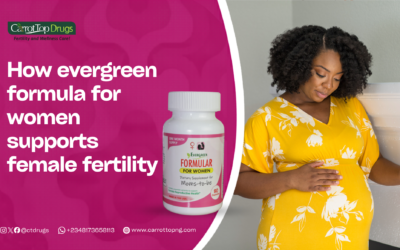
The Evergreen Formula for Women contains Vitamin B3 alongside other fertility-supporting nutrients. This comprehensive approach addresses multiple PCOS-related fertility challenges simultaneously. Furthermore, combining B3 with inositol and other compounds enhances metabolic benefits.
Recommended Vitamin B3 Dosage for Boosting Fertility Naturally
What is the best vitamin B3 dosage for boosting fertility naturally? Research suggests fertility-specific doses exceed standard dietary recommendations.
The recommended dietary allowance (RDA) for vitamin B3 is 14mg for women and 16mg for men. However, these amounts prevent deficiency rather than optimize fertility. Consequently, therapeutic dosing ranges from 250-500mg daily for reproductive support.
Studies demonstrating vitamin B3 fertility benefits typically use 250-400mg of nicotinamide. For instance, the groundbreaking 2017 research used doses equivalent to this range. Moreover, this amount significantly elevates NAD+ levels without adverse effects.
Timing matters when supplementing for conception. Therefore, women should begin vitamin B3 supplementation three months before attempting pregnancy. This allows time for improving egg quality during maturation cycles. Additionally, men benefit from similar preconception supplementation periods.
Different vitamin B3 forms offer varying bioavailability and effects. Nicotinamide provides direct NAD+ precursor without the flushing associated with niacin. However, newer forms like NR and NMN show enhanced cellular uptake. Consequently, lower doses may achieve similar NAD+ elevation.
Safety considerations include the tolerable upper limit of 35mg for niacin (flush-causing form). However, this limit doesn’t apply to nicotinamide, which rarely causes flushing. Moreover, doses up to 500mg of nicotinamide are generally well-tolerated, 2023.
Individuals should consult healthcare providers before high-dose supplementation. For instance, people with liver conditions require medical supervision. Additionally, vitamin B3 may interact with certain medications including diabetes drugs.
In Nigerian contexts, accessing quality supplements presents challenges. Therefore, choosing reputable brands with third-party testing ensures proper dosing. Furthermore, comprehensive formulas like Evergreen Formula for Women provide balanced nutrient ratios supporting overall
fertility.
Vitamin B3 Rich Foods to Support Fertility Naturally
Whole foods provide the foundation for vitamin B3 fertility benefits. However, obtaining therapeutic amounts through diet alone can be challenging. Nevertheless, incorporating B3-rich foods creates a strong nutritional base for conception efforts.
Chicken breast delivers approximately 14.4 mg of niacin per 100-gram serving. Therefore, a palm-sized portion provides nearly all the recommended daily intake. Turkey offers similar benefits, with 11.8 mg per 100 grams. Both proteins are widely available in Nigerian markets.
Fish provides exceptional vitamin B3 content alongside omega-3 fatty acids. Tuna contains approximately 18.8 mg per 100 grams, making it one of the richest sources. Salmon provides about 8.5 mg per serving. Moreover, these fish support overall reproductive health through their anti-inflammatory properties.
Peanuts and peanut butter offer plant-based niacin options at approximately 14 mg per 100 grams. Consequently, Nigerian women can easily incorporate groundnuts into daily meals. Mushrooms contribute about 3.6 mg per cup when cooked. Additionally, green peas provide 2 mg per cup alongside fiber and folate.
Beef liver stands out with an impressive 17.5 mg per 100-gram serving. However, liver consumption should be moderate due to high vitamin A content. Brown rice contributes approximately 5 mg per cup, while avocados provide about 3.5 mg each. These whole food sources work synergistically with supplementation strategies for optimal vitamin B3 fertility benefits.
Combining Vitamin B3 with Other B Vitamins for Optimal Fertility
B vitamins function as a team rather than isolated nutrients. Therefore, comprehensive B-complex support delivers superior fertility outcomes compared to single-nutrient approaches. Research demonstrates that vitamin B3 fertility benefits amplify when combined with complementary B vitamins [Journal of Nutrition, 2022].
Folate, or vitamin B9, plays a critical role in preventing neural tube defects. Moreover, adequate folate supports healthy egg development and early embryonic growth. The World Health Organization recommends 400 mcg daily for women trying to conceive. Consequently, pairing B3 with folate creates a protective foundation for pregnancy.
Vitamin B6 regulates hormone production and metabolism throughout the menstrual cycle. Studies show B6 supplementation improves luteal phase function and progesterone levels. Additionally, B6 reduces pregnancy-related nausea once conception occurs. The combination of B3 and B6 therefore supports both conception and early pregnancy.
Vitamin B12 proves essential for proper ovulation and menstrual regularity. Deficiency can lead to anovulatory cycles and reduced fertility potential. Furthermore, B12 works alongside folate in DNA synthesis during rapid cell division. Nigerian women with limited animal product intake face higher B12 deficiency risks.
The synergistic relationship between B vitamins explains why isolated supplementation often disappoints. However, comprehensive B-complex formulations address multiple fertility pathways simultaneously. As a result, women experience more consistent improvements in reproductive health markers.
Timeline: How Long Does Vitamin B3 Take to Improve Fertility?
Understanding realistic timelines prevents disappointment and supports consistent supplementation. The vitamin B3 fertility benefits timeline depends on several biological factors. However, certain patterns emerge from clinical research and reproductive physiology.
Egg quality improvements typically require three to six months of consistent B3 intake. This timeline reflects the complete egg maturation cycle, which takes approximately 90 days. Therefore, women should maintain supplementation for at least one full ovarian cycle. The eggs released today began developing three months ago.
Male fertility parameters respond faster to vitamin B3 supplementation. Sperm health improvements often appear within two to three months. Consequently, men can see enhanced sperm count and motility relatively quickly. However, consistent intake remains essential for sustained benefits.
Individual factors significantly influence response timelines. Age, baseline nutrient status, underlying health conditions, and lifestyle habits all matter. Moreover, women with severe B3 deficiency may notice improvements sooner than those with borderline status. Additionally, combining B3 with other fertility-supporting nutrients accelerates results.
Consistency proves more important than any other factor. Daily supplementation maintains therapeutic blood levels and supports ongoing reproductive processes. Therefore, sporadic use delays benefits and reduces overall effectiveness. Most fertility specialists recommend minimum three-month commitment to assess true impact.
Safety, Side Effects, and Precautions When Taking B3 for Fertility
Understanding potential side effects helps women navigate vitamin B3 fertility benefits safely. Most people tolerate niacin well at appropriate doses. However, certain reactions can occur, particularly with higher supplementation levels.
Niacin flush represents the most common side effect. This harmless reaction causes temporary skin redness, warmth, and tingling. The flush typically occurs within 30 minutes of ingestion and resolves quickly. However, nicotinamide forms of B3 rarely cause flushing, making them preferable for sensitive individuals.
Gastrointestinal symptoms occasionally develop with B3 supplementation. These may include nausea, vomiting, or mild stomach upset. Consequently, taking niacin with food minimizes digestive discomfort. Starting with lower doses and gradually increasing also improves tolerance.
High-dose niacin can interact with certain medications. Blood pressure medications, diabetes drugs, and cholesterol-lowering statins warrant particular caution. Therefore, women taking prescription medications should consult healthcare providers before supplementing. Moreover, individuals with liver conditions require medical supervision.
The upper tolerable limit for niacin stands at 35 mg daily from supplements. Doses exceeding this threshold increase side effect risks without additional fertility benefits. However, amounts between 14-18 mg typically provide optimal vitamin B3 fertility benefits without complications. Healthcare provider guidance ensures appropriate individualized dosing.
Once pregnancy occurs, B3 needs actually increase slightly. Therefore, continuing appropriate supplementation throughout pregnancy supports fetal development. Most prenatal vitamins contain safe niacin levels. Nevertheless, discussing supplementation plans with obstetricians ensures safety for both mother and baby.
Evergreen Formula for Women: Comprehensive Fertility Support with Vitamin B3
Achieving therapeutic vitamin B3 levels alongside other essential fertility nutrients requires careful planning. However, comprehensive formulations simplify this process while ensuring optimal nutrient ratios. Evergreen Formula for Women addresses this need through evidence-based ingredient selection.
The formula contains clinically relevant B3 dosages that support vitamin B3 fertility benefits without exceeding safety limits. Moreover, it combines niacin with complementary B vitamins for synergistic reproductive support. This whole-system approach addresses multiple fertility pathways simultaneously rather than targeting isolated mechanisms.
Bioavailability distinguishes quality supplements from basic formulations. The nicotinamide form in Evergreen Formula for Women ensures absorption without uncomfortable flushing reactions. Additionally, the formula includes cofactors that enhance B vitamin utilization at cellular levels. Consequently, women receive maximum benefit from each dose.
Convenience matters significantly for long-term adherence. Taking multiple individual supplements increases complexity and reduces consistency. Therefore, comprehensive formulations like Evergreen improve compliance and ultimately results. Women can trust they are receiving research-backed nutrients in appropriate ratios.
Quality manufacturing standards protect both safety and effectiveness. Third-party testing verifies ingredient purity and potency throughout shelf life. This commitment to quality ensures Nigerian women receive genuine vitamin B3 fertility benefits rather than ineffective substitutes.
Frequently Asked Questions
Does vitamin B3 help you get pregnant faster?
Vitamin B3 fertility benefits support conception through multiple mechanisms. However, B3 alone does not guarantee a rapid pregnancy. Research shows it improves egg quality, hormonal balance, and uterine environment. Consequently, women with B3 deficiency often see improved fertility outcomes. Nevertheless, conception depends on numerous factors beyond single nutrients. Combining adequate B3 with healthy lifestyle habits, stress management, and comprehensive nutrition creates optimal conditions. Therefore, B3 should be viewed as one important component of fertility optimization rather than a quick fix.
How much niacin should I take for fertility?
The recommended dietary allowance for niacin is 14 mg daily for women. However, fertility-focused supplementation often ranges from 14-18 mg daily. This amount provides vitamin B3 fertility benefits without exceeding the 35 mg upper tolerable limit. Moreover, starting with lower doses minimizes potential side effects like flushing. Healthcare providers may recommend higher amounts based on individual deficiency status and health conditions. Therefore, personalized guidance ensures both safety and effectiveness. Most fertility specialists suggest B-complex formulations rather than isolated high-dose niacin.
Can vitamin B3 improve egg quality in women?
Yes, vitamin B3 significantly influences egg quality through several mechanisms. Research demonstrates B3 protects eggs from oxidative damage during maturation. Moreover, it supports mitochondrial function within eggs, which determines fertilization potential. The vitamin B3 fertility benefits for egg quality become apparent after three months of consistent supplementation. This timeline reflects the complete egg development cycle. Additionally, B3 helps maintain chromosomal integrity, reducing miscarriage risk. Therefore, women over 35 particularly benefit from adequate B3 intake during conception efforts.
What are the side effects of taking B3 for fertility?
Most women tolerate B3 supplementation well at fertility-supporting doses. However, niacin flush represents the most common side effect. This causes temporary facial redness and warmth but poses no danger. Moreover, some women experience mild nausea or stomach upset initially. Taking B3 with food typically prevents digestive discomfort. The nicotinamide form causes fewer side effects than niacin. Consequently, many fertility supplements use nicotinamide to minimize reactions. Doses within recommended ranges rarely cause significant problems. Nevertheless, women should consult healthcare providers if concerning symptoms develop.
Does niacin help with male fertility and sperm count?
Niacin provides substantial vitamin B3 fertility benefits for men as well. Studies show B3 supplementation improves sperm count, motility, and morphology. Moreover, niacin enhances erectile function by supporting healthy blood flow. The vitamin protects sperm DNA from oxidative damage during development. Consequently, male partners should also consider B3 supplementation when couples face conception challenges. Men typically see improvements within two to three months of consistent use. Additionally, B3 supports testosterone production and overall reproductive hormone balance. Therefore, comprehensive fertility approaches should address both partners’ nutritional status.
How long does it take for vitamin B3 to improve fertility?
The timeline for vitamin B3 fertility benefits varies by individual and specific parameters. Egg quality improvements typically require three to six months of consistent supplementation. This reflects the 90-day egg maturation cycle in women. However, hormonal balance may improve within the first month. Sperm health enhancements often appear within two to three months in men. Moreover, baseline nutrient status influences response speed significantly. Women with severe deficiency notice changes faster than those with adequate stores. Therefore, minimum three-month commitment allows proper assessment of effectiveness. Consistency matters more than short-term high doses for sustainable fertility improvements.
Maximizing Vitamin B3 Fertility Benefits for Conception Success
Vitamin B3 fertility benefits extend far beyond basic nutritional requirements. This essential nutrient supports egg quality, hormonal balance, and reproductive health through multiple pathways. Moreover, research consistently demonstrates niacin’s role in improving conception outcomes for both women and men.
Nigerian women can access B3 through diverse food sources and quality supplementation. However, therapeutic levels often require comprehensive formulations that combine B3 with synergistic nutrients. Therefore, evidence-based approaches like Evergreen Formula for Women provide convenient, effective solutions for fertility optimization.
Realistic timelines, appropriate dosing, and consistent use determine success. Consequently, women should commit to at least three months of supplementation while monitoring progress with healthcare providers. The vitamin B3 fertility benefits, combined with healthy lifestyle habits, create optimal conditions for conception and healthy pregnancy outcomes.