Introduction
Losing weight with PCOS feels like climbing a hill with heavy stones in your pocket. Many women try diets, workouts, and supplements yet see slow or no results. PCOS affects hormones, metabolism, and insulin resistance. All these make weight loss harder than usual. This is where the role of inositol for PCOS weight loss comes in.
Inositol, a vitamin-like compound, is gaining attention in research and real-life stories. It is not a magic pill, but it may help regulate insulin, balance hormones, and support fat loss. When paired with lifestyle changes, it can bring real results.
In this article, we’ll break down the role of inositol for PCOS weight loss. We’ll explain what it is, how it works, the science behind it, and how to use it effectively.
Understanding PCOS and Weight Challenges
Polycystic Ovary Syndrome (PCOS) is one of the most common hormonal conditions in women of reproductive age. The World Health Organization (WHO) reports that it affects 6–13% of women worldwide.
PCOS brings many symptoms:
- irregular periods,
- Acne,
- excess hair growth, and
- weight gain.
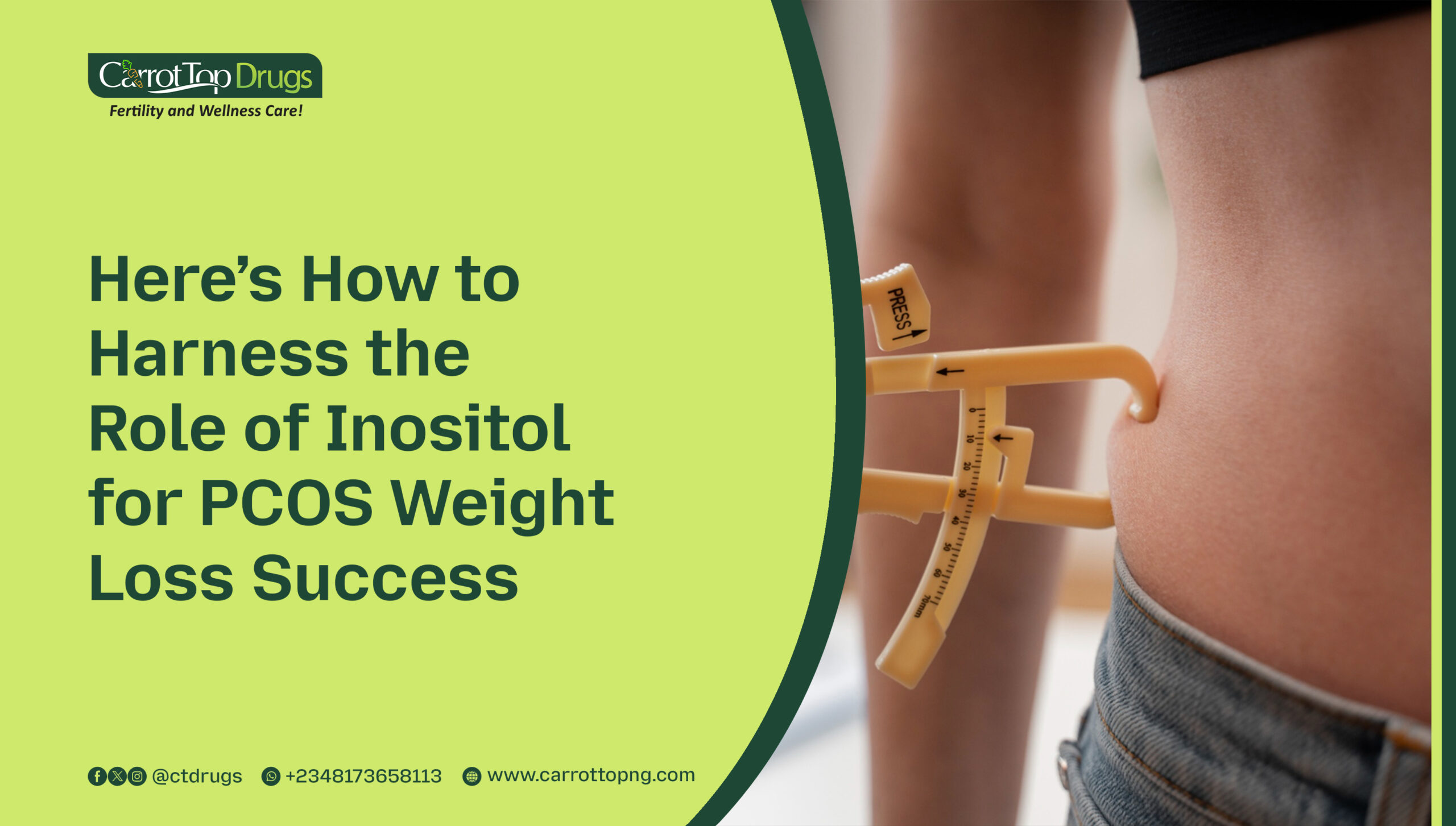
One of the biggest struggles is stubborn weight, especially around the belly. This is because PCOS is strongly linked to insulin resistance. High insulin levels push the body to store more fat.
Weight gain in PCOS is not just about looks. Extra weight increases the risk of type 2 diabetes, infertility, and heart disease. That is why experts search for safe solutions. Here, the role of inositol for PCOS weight loss is worth exploring.
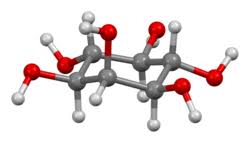
What is Inositol?
Inositol is a natural compound found in fruits, beans, nuts, and grains. It belongs to the B-vitamin family, though technically it is not a vitamin.
There are several forms, but two matter most in PCOS:
- Myo-inositol (MI) – the most common form in nature.
- D-chiro-inositol (DCI) – less common, but also important for insulin regulation.
The body uses both MI and DCI to manage cell signals and insulin action. Many supplements combine these two forms for better results.
Understanding the role of inositol for PCOS weight loss starts with knowing these two types. Each plays a unique part in improving metabolic and hormonal balance.
The Link Between PCOS, Insulin Resistance, and Weight Gain
Almost 70% of women with PCOS have insulin resistance. This means their body does not use insulin properly. As a result, the pancreas produces more insulin to keep blood sugar stable.
High insulin levels cause many issues:
- Increased fat storage, especially in the abdomen.
- Higher levels of androgens (male hormones), worsen PCOS symptoms.
- Strong sugar cravings, leading to overeating.
This cycle makes weight loss very hard. Breaking this cycle is key, and here is where the role of inositol for PCOS weight loss becomes powerful. By improving insulin sensitivity, inositol helps reduce these problems.
How Inositol Works in the Body
Inositol acts as a messenger in the body. It helps cells respond to signals from insulin and other hormones. When insulin sensitivity improves, the body manages glucose better. This reduces the need for high insulin levels.
With lower insulin, the body stores less fat and controls hunger better. Hormonal balance also improves, reducing symptoms like acne and irregular periods. This explains why many studies highlight the role of inositol for PCOS weight loss.
Role of Inositol for PCOS Weight Loss
Several studies show that inositol supplements help women with PCOS lose weight and improve health. For example:
- It also lowers androgen levels, which helps reduce belly fat.
A review in Gynecological Endocrinology (2018) confirmed that inositol improves metabolic and hormonal outcomes in PCOS. Women taking it reported better weight control, improved ovulation, and reduced cravings.
This evidence highlights the growing interest in the role of inositol for PCOS weight loss. Unlike strict diets or drugs, inositol works gently with the body’s natural processes.
Recommended Dosage and Supplementation Guidelines
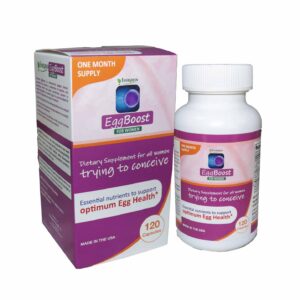
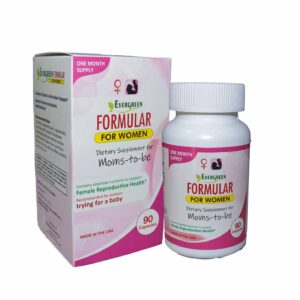
Most studies use 2 grams of Myo-inositol, taken twice daily. Some supplements also include a small amount of D-chiro-inositol in a 40:1 ratio with Myo-inositol. This combination mimics the body’s natural balance. Our Evergreen Formular for Women contain a natural blend of myo-inositol.
Results take time. Most women notice changes after 8–12 weeks. Some may need longer for visible weight loss.
Inositol is generally safe. Side effects are mild and may include nausea or dizziness in rare cases. Still, consult a doctor before starting, especially if you take other medications.
Knowing the right dose helps maximise the role of inositol for PCOS weight loss without unwanted risks.
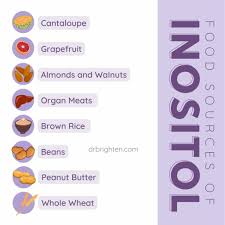
Natural Food Sources of Inositol
Inositol is also found in food. Rich sources include:
- Fruits like cantaloupe and oranges.
- Beans, peas, and lentils.
- Nuts such as almonds and walnuts.
- Whole grains and bran.
However, food sources alone may not provide enough for PCOS management. That is why supplements are often recommended to see real benefits in weight loss and hormone balance.
Eating these foods can still support the role of inositol for PCOS weight loss when combined with supplements.
Lifestyle Factors That Enhance Inositol’s Effect on Weight Loss
Inositol works best with healthy habits. To boost results, women with PCOS should:
- Follow a balanced diet – focus on low-GI foods, lean protein, and fiber.
- Exercise regularly – combine strength training with cardio to improve metabolism.
- Manage stress – chronic stress raises cortisol, which worsens insulin resistance.
- Sleep well – poor sleep disrupts hormones that regulate hunger and weight.
When combined, these lifestyle changes amplify the role of inositol for PCOS weight loss. It becomes a complete approach rather than a single solution.
Limitations and Considerations
While promising, inositol is not a miracle cure. Weight loss is influenced by several factors, including genetics, diet, and exercise. Some women may respond faster than others.
More long-term studies are still needed to understand the full impact. Women with other medical conditions should get medical advice before starting inositol.
This perspective helps set realistic expectations about the role of inositol for PCOS weight loss. It is a helpful tool, but part of a bigger plan.
Conclusion
The struggle with weight in PCOS is real, but inositol offers hope. Research shows that it improves insulin sensitivity, balances hormones, and supports weight control.
When used with diet, exercise, and lifestyle changes, inositol becomes a strong ally. It helps break the cycle of insulin resistance and stubborn fat.
The role of inositol for PCOS weight loss is not about quick fixes. It is about sustainable results and better health. For women with PCOS, this can mean improved confidence, fertility, and quality of life.
FAQs
1. Can inositol help with PCOS weight loss without diet and exercise?
It may help, but results are better with lifestyle changes.
2. What is the best type of inositol for PCOS weight loss?
Myo-inositol combined with D-chiro-inositol in a 40:1 ratio works best.
3. How long does it take for inositol to work in PCOS?
Most women see results after 8–12 weeks of use.
4. Are there any side effects of inositol?
It is usually safe. Rare side effects include nausea and dizziness.
5. Can inositol improve fertility in PCOS apart from weight loss?
Yes, it improves ovulation and egg quality.
6. Is inositol safe for long-term use?
Yes, most studies show it is safe for long-term use.
7. Can I get enough inositol from food instead of supplements?
Food contains some inositol, but supplements are usually needed for PCOS.
8. Should I combine inositol with metformin for better weight loss?
Some doctors combine both, but ask your healthcare provider first.
9. Can inositol help reduce belly fat in PCOS?
Yes, by improving insulin sensitivity and lowering androgens, it may reduce belly fat.
10. Who should avoid taking inositol supplements?
People with other health conditions should consult a doctor before use.