Introduction
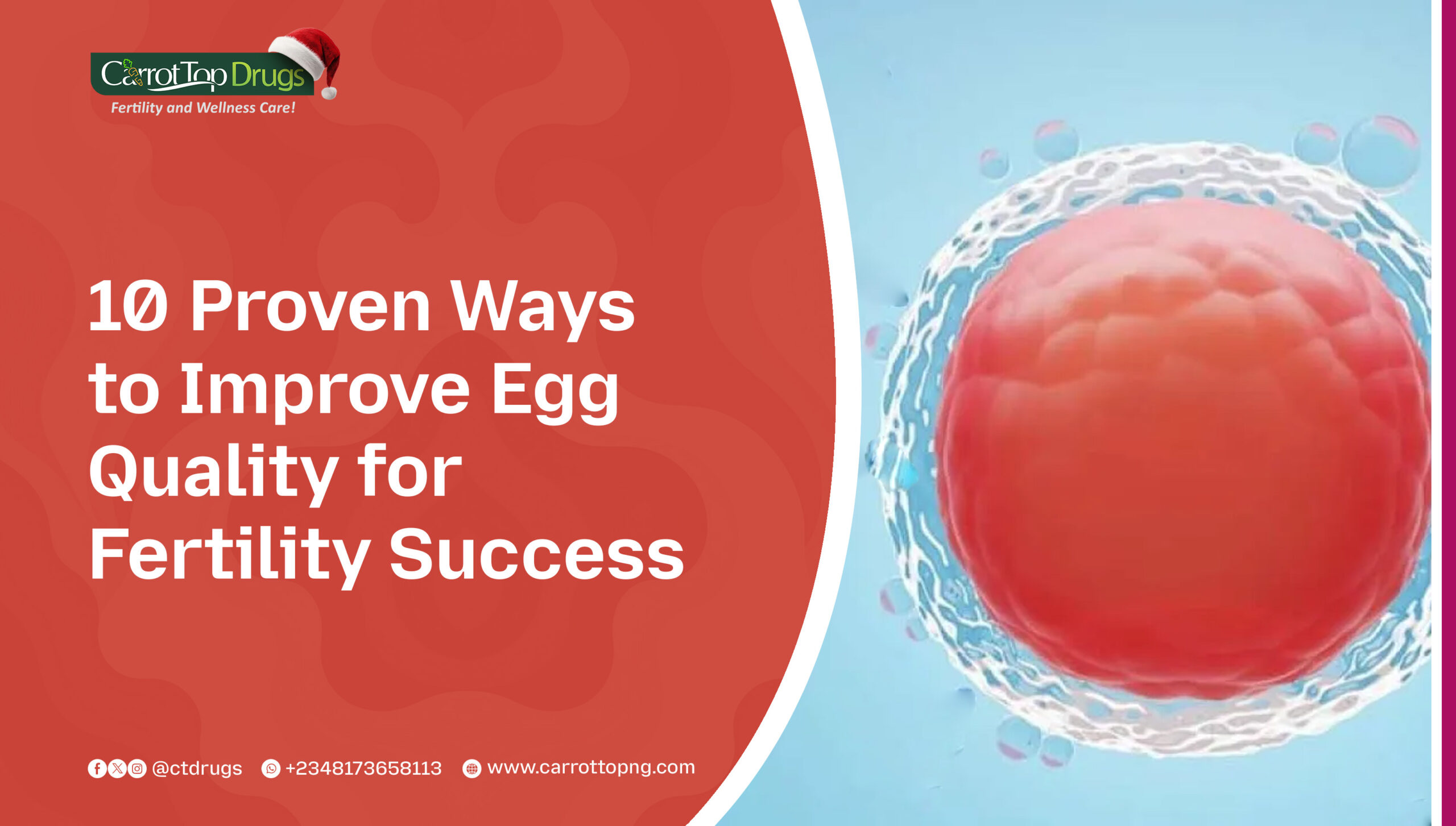
Egg quality plays a vital role in female fertility, as it determines a woman’s ability to conceive and carry a pregnancy to term. Poor egg quality is one of the leading causes of infertility, miscarriages, and other reproductive challenges. Fortunately, there are proven ways to improve egg quality for fertility success, supported by scientific research and medical practices. In this article, we will explore them.
Epidemiology of Poor Egg Quality Worldwide, West Africa, and Nigeria
Globally, poor egg quality is a significant factor in fertility challenges, particularly as women age. The decline in egg quality generally begins in a woman’s early 30s and accelerates after the age of 35. According to the American Society for Reproductive Medicine (ASRM), women over the age of 40 have only a 5% chance of conceiving naturally each month due to the reduction in both the number and quality of eggs. Worldwide, millions of couples face fertility issues linked to poor egg quality, which has become more prevalent with delayed childbearing in many regions.
In West Africa, fertility issues related to poor egg quality are also common, though underreported due to limited access to fertility clinics and healthcare data. Nigeria, being the most populous country in Africa, faces a rising number of fertility issues. A report by the Nigerian National Demographic and Health Survey (NDHS) indicates that infertility affects about 30% of couples, with a significant proportion of cases linked to poor egg quality, especially in older women. With increased awareness, more Nigerian women are seeking solutions to improve their egg quality for fertility success.
Causes of Poor Egg Quality
- Age-Related Decline
One of the primary causes of poor egg quality is age. Women are born with all the eggs they will ever have, and as they age, both the quantity and quality of these eggs decline. This natural process is called ovarian aging, and it accelerates significantly after age 35. Chromosomal abnormalities in eggs become more common with age, increasing the risk of infertility and miscarriage.
As women age, their eggs accumulate more damage due to oxidative stress and environmental factors. The aging process affects the mitochondria in egg cells, leading to a decline in energy production.
- Lifestyle Factors
Lifestyle choices significantly impact egg quality. Poor diet, lack of exercise, smoking, and excessive alcohol consumption all contribute to oxidative stress and inflammation, both of which can damage egg cells. Smoking, in particular, has been shown to have a direct negative effect on the ovaries, accelerating egg loss and reducing the overall quality of eggs.
- Hormonal Imbalances
Hormonal imbalances, particularly those involving estrogen, progesterone, and luteinizing hormone (LH), can significantly impact egg quality. Conditions like polycystic ovary syndrome (PCOS), where hormonal fluctuations disrupt regular ovulation, often lead to poor egg quality. The imbalance between reproductive hormones can affect the maturation of eggs, making it difficult for them to develop properly.
- Environmental Toxins
Exposure to environmental toxins and pollutants, such as pesticides, heavy metals, and endocrine-disrupting chemicals, can negatively impact egg quality. These toxins can interfere with the normal development of eggs and increase the risk of chromosomal abnormalities. Endocrine-disrupting chemicals like bisphenol A (BPA) are found in plastics and have been linked to reproductive issues, including poor egg quality.
Proven Ways to Improve Egg Quality
- Coenzyme Q10 (CoQ10) Supplementation
One of the scientifically backed methods to improve egg quality is through the supplementation of Coenzyme Q10 (CoQ10). CoQ10 is a naturally occurring antioxidant that plays a critical role in cellular energy production, particularly within the mitochondria of cells. As women age, CoQ10 levels decrease, leading to a decline in mitochondrial function within egg cells.
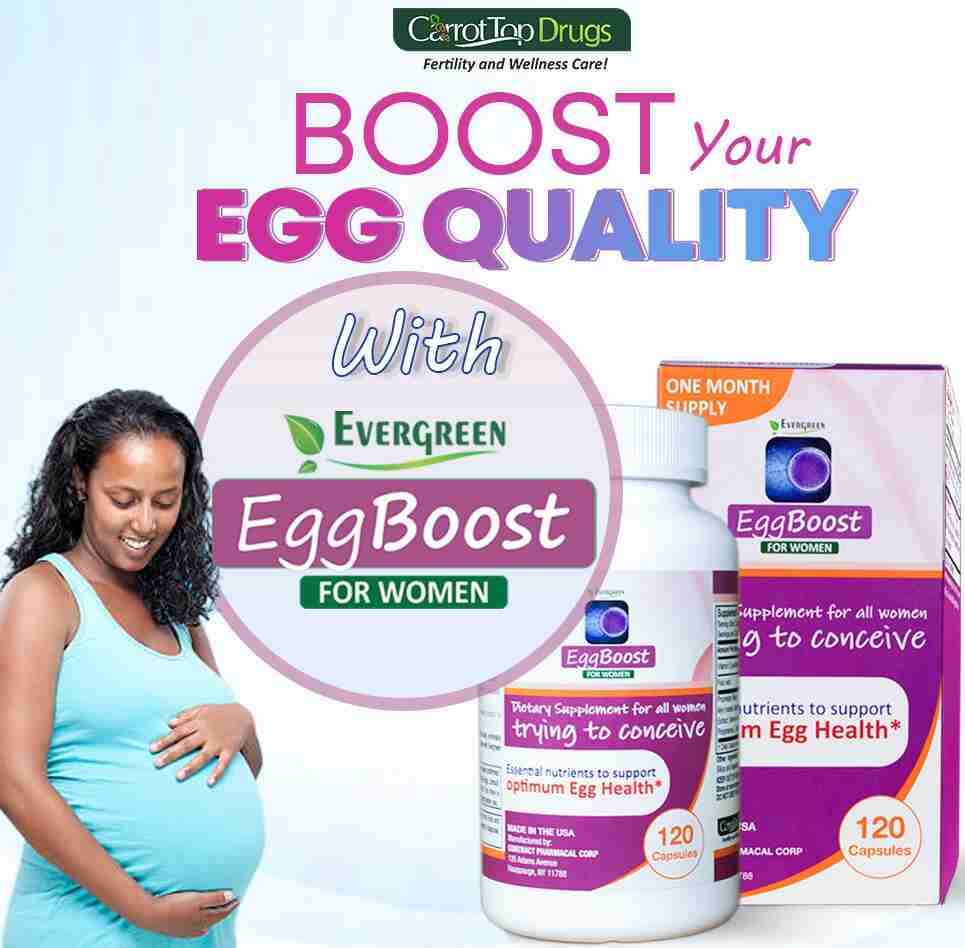
Several studies have demonstrated the effectiveness of CoQ10 in improving egg quality, particularly in older women or those with diminished ovarian reserve. For example, a 2018 study published in the journal Fertility and Sterility found that CoQ10 supplementation improved ovarian response and egg quality in women undergoing IVF treatments. Incorporating CoQ10 into a daily supplement routine like Evergreen EggBoost for Women is one of the proven ways to improve egg quality and increase the chances of conception.
- Antioxidant-Rich Diet
Oxidative stress is one of the leading causes of poor egg quality, as it damages cells at the molecular level. Consuming a diet rich in antioxidants helps to neutralize free radicals, reducing oxidative stress and improving the overall health of eggs. Antioxidants like vitamins C and E, as well as selenium, zinc, and folate, play essential roles in protecting egg cells from damage.
Leafy greens, berries, nuts, and seeds are excellent sources of antioxidants that can be incorporated into a fertility-boosting diet. Research has shown that women who consume antioxidant-rich diets are more likely to have better reproductive outcomes. Therefore, adopting an antioxidant-rich diet or taking supplements like Evergreen EggBoost for Women and Evergreen Formular for Women are some of the proven ways to improve egg quality for fertility success.
2. Lifestyle Modifications
Adopting a healthy lifestyle is essential for improving egg quality. Regular exercise, maintaining a healthy weight, and managing stress through mindfulness practices such as yoga or meditation can positively impact reproductive health. Exercise improves blood circulation to the reproductive organs, while weight management helps regulate hormonal balance.
3. Vitamin D Supplementation
Vitamin D is crucial for reproductive health and plays a significant role in improving egg quality. Studies have shown that women with sufficient vitamin D levels are more likely to produce high-quality eggs, leading to better fertility outcomes. This fat-soluble vitamin enhances the maturation of eggs and promotes ovarian follicle development. Additionally, vitamin D helps regulate reproductive hormones like estrogen and progesterone, essential for a healthy menstrual cycle and ovulation.
The simplest way to boost vitamin D levels is through exposure to sunlight, but supplements like Evergreen Formular for Women may be necessary for women living in regions with limited sunlight. Incorporating vitamin D supplementation into daily routines is one of the proven ways to improve egg quality.
4. Folate (Folic Acid)
Folate, or folic acid in its synthetic form, is essential for DNA synthesis and repair. This B-vitamin plays a crucial role in ensuring that eggs develop properly during the ovulation process. Women who are deficient in folate may produce eggs with chromosomal abnormalities, increasing the risk of miscarriage or infertility.
Research has consistently shown that folic acid supplementation not only improves egg quality but also boosts overall fertility. It helps prevent neural tube defects in early pregnancy, which makes it an essential nutrient for women trying to conceive. Leafy greens, legumes, and fortified grains are excellent dietary sources of folate, but supplementation like Evergreen Folic Acid + B12 is often recommended for optimal levels.
5. Healthy Fats: Omega-3 Fatty Acids
Omega-3 fatty acids, particularly those found in fish oil (DHA and EPA), are essential for reproductive health. They help reduce inflammation, improve blood flow to the ovaries, and support the healthy development of eggs. Omega-3 fatty acids are known to enhance the fluidity of cell membranes, which is important for the function of egg cells. These healthy fats also play a key role in regulating reproductive hormones.
A study by Gal et al found that women who had higher levels of omega-3s in their diets or through supplementation had better egg quality and higher pregnancy rates. The best sources of omega-3s are fatty fish like salmon, mackerel, and sardines, but they can also be obtained from plant-based sources like flaxseeds and walnuts. Adding omega-3 fatty acids to the diet is another one of the proven ways to improve egg quality.
6. Dehydroepiandrosterone (DHEA) Supplementation
Dehydroepiandrosterone (DHEA) is a hormone that acts as a precursor to both estrogen and testosterone. Supplementation with DHEA has been shown to improve ovarian function and egg quality, particularly in women with diminished ovarian reserve or those undergoing fertility treatments. DHEA helps to increase the number of follicles produced during ovulation, thereby enhancing the chances of retrieving high-quality eggs.
Research published by Yuan et al demonstrated that women who took DHEA for several months before fertility treatments had improved ovarian response and higher-quality eggs. However, DHEA should be taken under medical supervision, as excessive use can lead to hormonal imbalances. When used appropriately, DHEA is one of the proven ways to improve egg quality.
7. Melatonin
Melatonin is primarily known as a sleep-regulating hormone, but it also acts as a powerful antioxidant within the ovaries. It protects eggs from oxidative stress and free radical damage, which can impair their quality. Research has shown that melatonin supplementation can improve the maturation of eggs and enhance fertility outcomes, particularly in women undergoing IVF.
Yong et al., 2021, highlighted that melatonin can significantly improve the quality of eggs in women with poor ovarian response. It is commonly taken as a supplement, especially for women trying to conceive. Proper melatonin levels can support a good night’s sleep and, when combined with other strategies, is one of the proven ways to improve egg quality.
8. Reducing Caffeine and Alcohol Intake
Excessive consumption of caffeine and alcohol has been linked to poor egg quality and overall fertility issues. Caffeine, especially in high doses, can affect reproductive hormones and reduce the chances of successful conception. Similarly, alcohol can interfere with estrogen and progesterone levels, both of which are crucial for healthy ovulation and egg maturation.
Reducing or eliminating caffeine and alcohol from the diet is an important step in improving egg quality. While moderate consumption of caffeine (less than 200 mg per day) is generally considered safe, many fertility experts recommend cutting it out entirely during the period of trying to conceive. Abstaining from alcohol is also beneficial, especially as it may increase the chances of successful implantation and pregnancy.
9. Inositol Supplementation
Inositol, particularly myo-inositol and D-chiro-inositol, is a type of sugar that plays a critical role in cellular signaling and insulin regulation. For women with conditions like PCOS, which is often associated with poor egg quality and ovulatory dysfunction, inositol has been shown to improve insulin sensitivity and restore ovulation. This leads to better egg quality and improved chances of conception.
A study published by Pundir et al.,demonstrated that inositol supplementation improved ovarian function and increased the quality of eggs in women with PCOS. It also helped regulate menstrual cycles, further supporting fertility. Including inositol supplements like Evergreen EggBoost for Women in a fertility regimen is another one of the proven ways to improve egg quality.
10. Improving Sleep Quality
Quality sleep is essential for overall health, including reproductive health. Poor sleep disrupts hormonal balance, particularly the levels of melatonin and cortisol, which can interfere with egg maturation and ovulation. Women who experience chronic sleep disturbances are more likely to face fertility challenges, as disrupted sleep negatively impacts the delicate hormonal balance required for regular menstrual cycles and ovulation.
Conclusion
Improving egg quality is essential for women seeking fertility success, whether through natural conception or assisted reproductive technologies. By understanding the causes of poor egg quality, women can take proactive steps to enhance their reproductive health. Proven ways to improve egg quality include CoQ10 supplementation, adopting an antioxidant-rich diet, making lifestyle modifications and taking supplements like Evergreen Formular for Women and Evergreen EggBoost for Women. By incorporating these strategies, women can optimize their chances of successful conception and a healthy pregnancy.
FAQs
- Can egg quality be improved naturally?
Yes, egg quality can be improved naturally through lifestyle modifications, dietary changes, and the use of supplements like CoQ10.
- How does age affect egg quality?
Age significantly impacts egg quality, with a notable decline after 35. As women age, eggs are more likely to have chromosomal abnormalities, leading to fertility challenges.
- Are there any medical treatments to improve egg quality?
Yes, CoQ10 supplementation and certain fertility treatments, like ovarian stimulation, can help improve egg quality, especially in women undergoing ART.
- Does stress affect egg quality?
Chronic stress can negatively impact hormonal balance and egg quality, making stress management essential for improving reproductive health.
- Can diet alone improve egg quality?
Diet plays a crucial role in improving egg quality, particularly when it includes antioxidants, but it is most effective when combined with other lifestyle changes.
- What is the role of CoQ10 in improving egg quality?
CoQ10 enhances mitochondrial function in egg cells, improving their energy production and overall quality.
- How long does it take to see improvements in egg quality?
Improvements in egg quality can take several months, as it takes about 90 days for an egg to mature.