Introduction
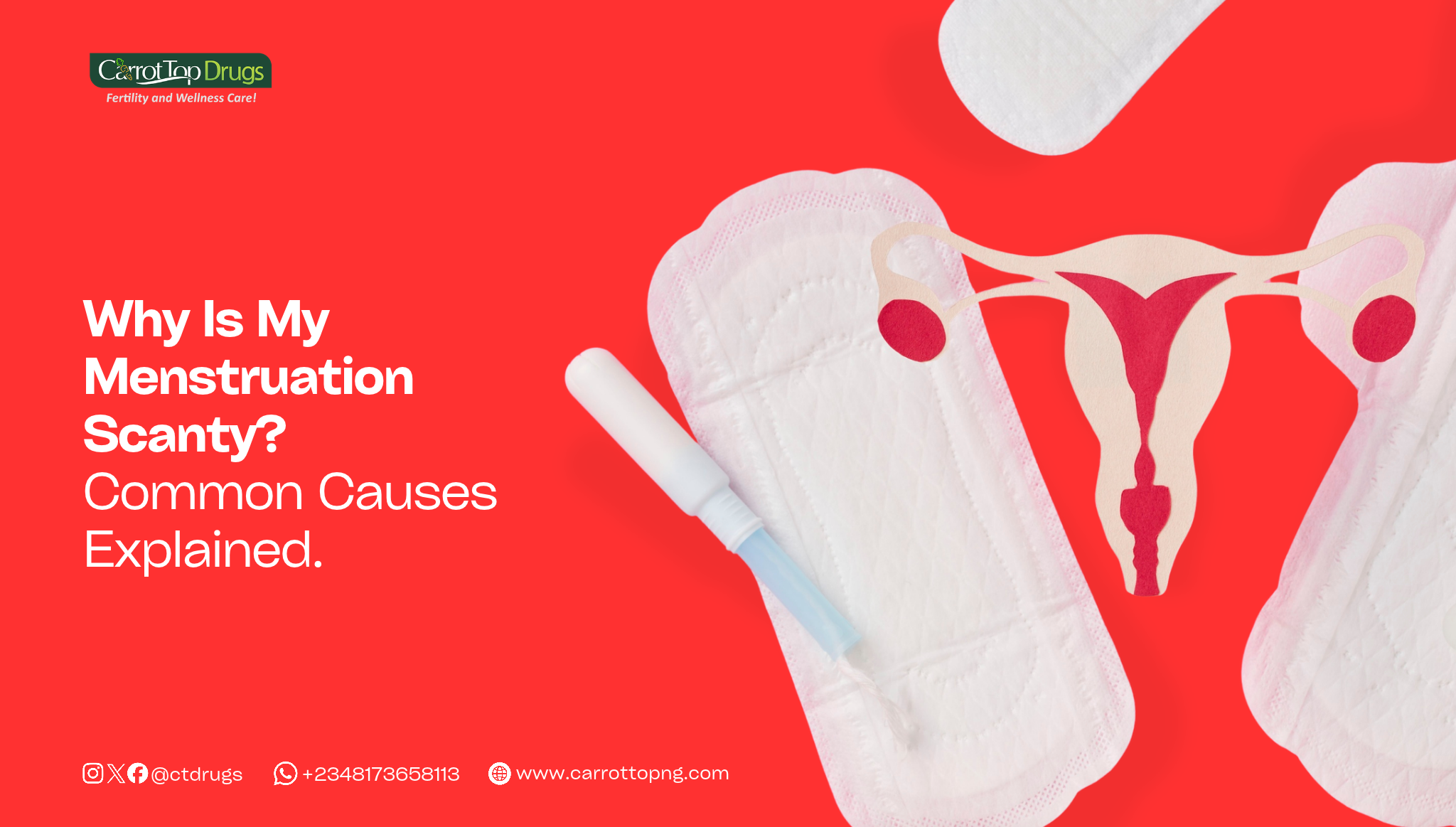
Why is my menstruation scanty? It’s one of the more common questions women ask a doctor. A light period usually means less blood, fewer pads, sometimes just a day or two of flow. Doctors call this hypomenorrhea. Occasional light periods can be normal. But light menses may be caused by stress, PCOS, perimenopause, or hyperthyroidism. This piece walks through the real causes, when a light period needs attention, and how to track your cycle with more than guesswork.
Why Is My Menstruation Scanty? A Quick Definition First
Doctors use the term hypomenorrhea for unusually light periods. A healthy period usually means losing 30 to 80 milliliters of blood over the cycle. Women with hypomenorrhea lose less than 30 milliliters. Some only need a pad or two for the entire cycle. Flow might last a day or two instead of the usual four to seven. Light bleeding once in a while is common and not automatically a problem. Three light cycles in a row is usually the point to check in with a provider.
Why Is My Menstruation Scanty? Normal, Age-Related Reasons
Age explains a lot of the answer to why is my menstruation scanty. Periods right after puberty are often very light, sometimes just spotting. Ovulation is irregular in those early years, and the uterine lining doesn’t build up much. The same pattern shows up again near menopause. Estrogen swings, cycles shorten, and flow gets lighter. Genetics play a role too. Some families just run light, and it isn’t linked to fertility problems at all. If your period has always been light, this might just be your normal.
Why Is My Menstruation Scanty? Hormonal Causes Worth Ruling Out
PCOS is one of the more common hormonal answers to why is my menstruation scanty. Hormone imbalance from PCOS can make periods light, irregular, or both. Thyroid problems point the same direction. Hypothyroidism and hyperthyroidism can both disrupt the cycle and lighten flow. High prolactin, high insulin, or elevated androgen levels can do the same thing. Birth control pills, IUDs, and hormonal therapy are common culprits too. These methods thin the uterine lining on purpose, so a lighter period is expected.
Why Is My Menstruation Scanty? Stress Matters More Than People Think
Stress changes hormones in ways that directly affect period volume. Cortisol made under stress can disrupt the connection between the hypothalamus, pituitary gland, and ovaries. That disruption can mean a delayed period, a lighter one, or none at all. A 2024 study followed 309 women after the earthquake in Turkey. Menstrual irregularities jumped from 14.3 percent to 44.8 percent of women after the disaster. Long-term, unmanaged stress raises the odds of irregular or light cycles more than one hard week does. If the past few months have been rough, that’s worth considering before anything else.
Why Is My Menstruation Scanty? Structural and Medical Causes
Sometimes the answer to why is my menstruation scanty isn’t hormonal at all. Fibroids, polyps, or scarring inside the uterus can physically block normal flow. Asherman’s syndrome, a type of uterine scarring, can cause very light periods or none. It’s often linked to prior surgery, D&C procedures, or infection. Genital tuberculosis and repeated pregnancy loss are less common causes, but they do happen. Anemia from low iron can thin out your flow over time too. None of these are things to self-diagnose. A doctor can check for them properly.
Why Is My Menstruation Scanty? What It Means for Fertility
A light period doesn’t automatically mean a fertility problem. Constitutionally light periods carry the same fertility odds as heavier ones. But if the cause is anovulation, meaning you aren’t consistently releasing an egg, pregnancy gets harder. PCOS, thyroid disease, and chronic stress are closely linked to ovulation problems, including infertility. This is where tracking ovulation directly helps more than guessing from flow alone. The Predicte Ovulation Test Kit checks for the LH surge that happens shortly before ovulation. Knowing whether you’re ovulating gives a clearer answer than counting pads. Daily hormone tracking can reveal anovulatory cycles that a single blood test might miss entirely.
Why Is My Menstruation Scanty? When to See a Doctor
Most of the time, a light period isn’t an emergency. Three cycles in a row of unusually light flow is a reasonable line for booking an appointment. Light periods paired with pelvic pain, missed periods, or trouble conceiving deserve a closer look. So does a light period following what you thought was implantation bleeding. A doctor can run bloodwork for thyroid function, prolactin, and other hormones. An ultrasound can rule out fibroids, polyps, or scarring. Getting a real diagnosis beats guessing why your period changed.
Frequently Asked Questions
Why is my menstruation scanty after starting birth control?
Hormonal birth control thins the uterine lining on purpose. Less lining means less to shed each cycle, so periods often get lighter. This is expected and usually not a cause for concern. Talk to your provider if the change feels extreme or comes with pain.
Can stress alone answer why is my menstruation scanty?
Yes, stress alone can lighten or delay a period. Cortisol interferes with the hormonal signals that control ovulation. One study found period irregularities nearly tripled after a major disaster. If stress has been constant, that’s a reasonable place to start looking.
Is a light period a sign of pregnancy?
Sometimes. Implantation bleeding can look like a very light period. A pregnancy test is the fastest way to rule this out. If the test is negative and periods stay light, other causes are more likely.
Why is my menstruation scanty if I’m not on birth control?
PCOS, thyroid issues, stress, and age are the most common reasons. Structural causes, like scarring or fibroids, are less common but possible. Tracking your cycle and ovulation can help narrow down what’s actually happening.
Final Thoughts on Why Is My Menstruation Scanty
Why is my menstruation scanty rarely has one simple answer. Age, genetics, stress, hormones, and structural issues can all play a part. Occasional light periods are usually nothing to worry about. A pattern that lasts three cycles or more is worth getting checked. Pairing a period tracker with an ovulation test, like the Predicte Ovulation Test Kit, gives you a fuller picture than flow alone. A doctor can turn that picture into an actual diagnosis, not just a guess.