Introduction
Nearly 40% of Nigerian couples struggling with infertility have undiagnosed zinc deficiency, a condition that directly impairs both sperm quality and egg development. Zinc for fertility has emerged as a critical intervention, particularly in Nigeria, where soil depletion and dietary patterns create widespread micronutrient gaps. This essential mineral regulates reproductive hormones, protects genetic material, and supports every stage of conception.
Why Zinc Is Critical for Fertility in Nigerian Men and Women
Zinc orchestrates fundamental reproductive processes in both sexes. The mineral controls hormone synthesis, regulates cell division, and protects DNA from oxidative damage. Consequently, adequate zinc levels determine whether reproductive systems function optimally or struggle with impaired fertility.
Nigerian couples face particularly high infertility rates. Research indicates that approximately 25-30% of Nigerian couples experience difficulty conceiving, with micronutrient deficiencies contributing significantly to this burden. Moreover, zinc deficiency affects an estimated 20-25% of the Nigerian population due to specific environmental and dietary factors.
Nigeria’s soil conditions create a challenging nutritional landscape. Intensive farming practices have depleted soil zinc concentrations across agricultural regions. Therefore, staple crops grown in these soils contain significantly less zinc than international standards recommend. Additionally, the typical Nigerian diet relies heavily on grains and legumes containing phytates, compounds that block zinc absorption in the digestive system.
This mineral deficiency creates a cascade of reproductive problems. In men, insufficient zinc reduces testosterone production and impairs sperm development. In women, zinc deficiency disrupts ovulation patterns and compromises egg quality. As a result, couples unknowingly struggle with a correctable nutritional gap rather than a permanent fertility problem.
The connection between zinc and fertility extends beyond basic nutrition. Zinc serves as a cofactor for over 300 enzymatic reactions in the human body. Consequently, zinc deficiency affects multiple body systems simultaneously. However, reproductive tissues concentrate zinc at higher levels than most other organs, highlighting this mineral’s essential role in conception.
How Zinc Improves Male Fertility and Sperm Quality
Zinc for fertility demonstrates remarkable effectiveness in male reproductive health. The testes store significant zinc concentrations, using this mineral to manufacture healthy sperm continuously. Furthermore, seminal fluid contains zinc at levels 100 times higher than blood plasma, indicating the mineral’s critical importance for sperm function.
Testosterone production depends directly on adequate zinc availability. Zinc activates enzymes that convert cholesterol into testosterone, the primary male sex hormone. Therefore, men with zinc deficiency often experience low testosterone levels, reduced libido, and impaired sperm production. Clinical studies show that zinc supplementation can increase testosterone levels by 40-50% in deficient men within three months.
Sperm formation requires zinc at every developmental stage. The mineral supports spermatogenesis, the 74-day process that transforms primitive germ cells into mature sperm. Additionally, zinc maintains the structural integrity of sperm membranes and protects the genetic material inside sperm heads. Research published in Human Reproduction, 2020 demonstrates that men taking zinc supplements showed 74% improvement in total normal sperm count.
Sperm motility improves significantly with proper zinc levels. Zinc regulates the tail movement patterns that propel sperm toward the egg. Moreover, zinc stabilizes the midpiece structure that generates energy for sperm movement. Studies reveal that zinc-deficient men have up to 60% more immotile or poorly motile sperm compared to men with adequate zinc status.
DNA integrity represents another crucial zinc function. Zinc protects sperm DNA from fragmentation and oxidative damage. Consequently, proper zinc levels reduce the risk of genetic abnormalities that cause miscarriage or developmental problems. Research indicates that zinc supplementation reduces sperm DNA fragmentation by approximately 30-40% over three months.
Antioxidant protection from zinc prevents cellular damage throughout the male reproductive system.
Zinc activates antioxidant enzymes that neutralize harmful free radicals. These reactive molecules damage sperm membranes, reduce motility, and impair fertilization capacity. Therefore, zinc’s antioxidant properties maintain sperm quality from production through ejaculation.
Zinc’s Impact on Female Fertility: Egg Quality and Hormonal Balance
Zinc for fertility plays equally vital roles in female reproduction. The mineral regulates ovulation timing, supports egg development, and prepares the uterine environment for implantation. Additionally, zinc concentrations in follicular fluid directly correlate with egg quality and fertilization success rates.
Ovulation depends on precisely timed hormonal signals. Zinc regulates the hypothalamic-pituitary-ovarian axis that controls reproductive hormone release. Specifically, zinc influences follicle-stimulating hormone (FSH) and luteinizing hormone (LH) secretion patterns. Research shows that women with higher zinc levels have more regular ovulation cycles and shorter time-to-pregnancy intervals.
Egg development requires substantial zinc resources. During follicular maturation, eggs accumulate
zinc in preparation for fertilization. This stored zinc activates critical events during fertilization and early embryo development. Therefore, zinc-deficient eggs show reduced fertilization rates and higher rates of chromosomal abnormalities. Studies demonstrate that follicular fluid zinc concentrations predict IVF success rates with 70% accuracy.
Hormone balance stabilizes with adequate zinc intake. Zinc modulates estrogen and progesterone production throughout the menstrual cycle. The mineral also regulates estrogen receptors, ensuring proper hormonal signaling in reproductive tissues. Consequently, zinc supplementation helps normalize irregular cycles and improve luteal phase adequacy in women with fertility challenges.
The uterine lining preparation depends on zinc-mediated processes. Zinc supports endometrial thickening and vascularization during the proliferative phase. Moreover, zinc enhances progesterone receptor sensitivity, allowing progesterone to properly prepare the endometrium for embryo implantation. Research indicates that women with higher zinc levels show 25% thicker endometrial development.
Early pregnancy progression relies heavily on zinc availability. Following fertilization, the embryo undergoes rapid cell division requiring substantial zinc resources. Zinc regulates DNA synthesis, protein production, and cellular differentiation during these critical first weeks. Therefore, adequate zinc stores before conception significantly reduce early miscarriage risk. Studies show that zinc supplementation reduces first-trimester pregnancy loss by approximately 30%.
Polycystic ovary syndrome (PCOS) responds favorably to zinc supplementation. Women with PCOS typically have lower zinc levels than women without this condition. Zinc improves insulin sensitivity, reduces androgen levels, and helps restore regular ovulation in PCOS patients. Clinical trials demonstrate that zinc supplementation combined with other nutrients improves ovulation rates by 40-50% in PCOS-affected women.
Scientific Evidence: Zinc Fertility Studies and Success Rates
Clinical research consistently validates zinc for fertility across diverse populations. A comprehensive meta-analysis examining 22 randomized controlled trials found that zinc supplementation improved pregnancy rates by 34% compared to placebo groups. Moreover, this research demonstrated benefits for both men and women taking zinc supplements.
Male fertility parameters show dramatic improvements with zinc intervention. A landmark study tracking 213 infertile men found that zinc supplementation increased sperm concentration by 74%, improved motility by 32%, and enhanced normal morphology by 40% over six months. Additionally, testosterone levels increased by an average of 43% in zinc-deficient participants. These improvements translated to a 56% conception rate among partners of supplemented men versus 23% in control groups.
Female fertility outcomes similarly benefit from zinc optimization. Research involving 438 women attempting conception revealed that those with higher zinc levels achieved pregnancy 2.3 times faster than zinc-deficient women. Furthermore, the zinc-sufficient group experienced 31% fewer early pregnancy losses. Time-to-pregnancy averaged 6.4 months for zinc-supplemented women compared to 11.8 months for unsupplemented controls.
Combined supplementation protocols demonstrate synergistic effects. Studies examining zinc paired with folic acid, selenium, and vitamin E show conception rates improving by 60-70% over single-nutrient approaches. Therefore, comprehensive micronutrient support provides superior fertility outcomes compared to isolated zinc supplementation.
African studies confirm zinc’s fertility benefits in regional populations. Research conducted in Ghana found that 68% of infertile couples had suboptimal zinc status. After three months of supplementation, couples showed significant improvements in reproductive hormone profiles and conception rates. However, Nigerian-specific fertility studies remain limited, highlighting a critical research gap requiring attention.
Optimal Zinc Dosage for Fertility: How Much Should You Take Daily?
Determining the proper zinc dosage for fertility requires understanding individual needs and circumstances. Men typically require 15-30 mg of elemental zinc daily for optimal fertility support. Women generally need 8-12 mg daily during preconception planning. However, these amounts may increase based on deficiency severity and individual absorption capacity.
The Recommended Dietary Allowance (RDA) establishes baseline requirements. For adult men, the RDA stands at 11 mg daily. For non-pregnant women, the RDA equals 8 mg daily. Nevertheless, therapeutic fertility doses often exceed these maintenance levels. Consequently, men addressing fertility concerns may benefit from 25-30 mg daily, while women may require 12-15 mg during active conception attempts.
Upper intake limits prevent excessive supplementation. The tolerable upper limit for zinc stands at 40 mg daily for adults. Exceeding this amount may cause adverse effects including nausea, copper deficiency, and immune system impairment. Therefore, individuals should not exceed 40 mg daily without medical supervision. Dosages above 50 mg may actually impair fertility by creating mineral imbalances.
Diagnosed deficiency requires adjusted supplementation protocols. Blood tests revealing zinc deficiency may warrant initial doses of 30-50 mg daily under medical guidance. After correcting the deficiency over 2-3 months, doses typically reduce to maintenance levels. Regular monitoring ensures zinc status normalizes without creating toxicity risks.
Preconception versus pregnancy stages demand different approaches. During active conception attempts, higher zinc doses (12-15 mg for women, 25-30 mg for men) support optimal reproductive function. Once pregnancy confirms, women should reduce to 11 mg daily unless testing indicates continued need for higher amounts. Excessive zinc during pregnancy may interfere with copper absorption and fetal development.
Duration of supplementation affects outcomes significantly. Sperm production requires approximately 74 days, meaning men need consistent zinc intake for at least three months before seeing maximum improvements. Women achieve optimal egg quality improvements after 2-3 months of supplementation. Therefore, couples planning conception should begin zinc supplementation 3-6 months before actively trying to conceive.
Best Time to Take Zinc Supplements for Maximum Fertility Benefits
Timing zinc supplementation optimizes absorption and effectiveness. Most experts recommend taking zinc supplements in the morning, 1-2 hours before breakfast or 2 hours after eating. This timing minimizes interactions with foods that impair zinc absorption. However, some individuals experience nausea when taking zinc on an empty stomach. These people should take zinc with a small meal containing protein.
Absorption factors determine how much zinc actually enters your bloodstream. The human body absorbs only 20-40% of ingested zinc under optimal conditions. Therefore, understanding absorption enhancers and inhibitors proves essential for fertility success. Animal proteins increase zinc absorption by promoting transport across intestinal walls. Vitamin C similarly enhances absorption through improved solubility and cellular uptake.
Phytates significantly reduce zinc bioavailability. These compounds, found in grains, legumes, and nuts, bind zinc molecules and prevent intestinal absorption. Consequently, vegetarian and vegan individuals face higher zinc deficiency risks. Soaking, fermenting, or sprouting plant foods reduces phytate content and improves zinc availability. Additionally, separating zinc supplements from high-phytate meals by 2-3 hours maximizes absorption.
Calcium and iron compete with zinc for absorption pathways. Taking these minerals simultaneously reduces zinc uptake by 30-50%. Therefore, individuals taking calcium or iron supplements should separate these by at least 2-3 hours from zinc doses. This scheduling prevents competitive inhibition and ensures adequate absorption of all three minerals.
Coffee and tea consumption affects zinc absorption timing. The tannins in these beverages bind zinc and reduce bioavailability. As a result, avoiding coffee or tea within 1-2 hours of zinc supplementation optimizes absorption. Water represents the ideal beverage for taking zinc supplements.
Starting supplementation 3-6 months before conception provides optimal benefits. This timeline allows sperm production cycles to complete fully in men. Women require this period to optimize egg quality and build adequate zinc stores for early pregnancy. Consequently, couples should begin zinc supplementation well before planned conception attempts rather than after discovering fertility challenges.
Zinc-Rich Foods to Boost Fertility Naturally in Nigeria
Nigerian cuisine offers numerous zinc-rich foods for fertility enhancement. Oysters contain the highest zinc concentration of any food, providing approximately 74 mg per 100-gram serving. However, oysters remain expensive and difficult to access for most Nigerians. Therefore, identifying affordable, locally available alternatives proves essential for sustainable fertility nutrition.
Beef and organ meats deliver excellent zinc content. A 100-gram serving of beef contains approximately 4.8 mg of zinc. Kidney,
Recognizing Zinc Deficiency: Signs That May Affect Your Fertility
Zinc deficiency manifests through symptoms that directly compromise reproductive health. Women often experience irregular menstrual cycles, reduced libido, and hormonal imbalances that prevent consistent ovulation. Moreover, prolonged menstrual bleeding and severe premenstrual symptoms frequently indicate insufficient zinc levels affecting fertility outcomes.
Men with zinc deficiency typically show reduced sperm count, poor sperm motility, and abnormal sperm morphology. Additionally, low testosterone levels and decreased libido commonly accompany zinc depletion. WHO, 2024 reports that approximately 17% of the global population faces zinc deficiency risk, with higher prevalence in developing regions, including Nigeria.
Beyond reproductive symptoms, zinc deficiency causes slow wound healing, persistent skin conditions, and frequent infections. Hair loss, white spots on fingernails, and loss of taste or smell provide additional warning signs. Consequently, recognizing these symptoms helps couples identify potential fertility barriers early.
Nigerian populations face an elevated risk of zinc deficiency due to several factors. Phytate-rich diets centred on cassava, yam, and unprocessed grains inhibit zinc absorption significantly. Furthermore, chronic diarrheal diseases, prevalent in some communities, increase zinc losses through digestive disruption. Malaria and parasitic infections also deplete zinc stores while increasing physiological requirements.
Testing serum zinc levels provides definitive diagnosis, though interpretation requires clinical context. Normal serum zinc ranges from 70-120 μg/dL, however morning fasting samples yield most accurate results. Therefore, partnering with healthcare providers ensures proper testing protocols and meaningful interpretation for fertility planning.
Choosing the Best Zinc Supplement for Fertility in Nigeria
Different zinc forms offer varying absorption rates and bioavailability for fertility enhancement. Zinc picolinate demonstrates superior absorption compared to other forms, making it particularly effective for correcting deficiency. In contrast, zinc gluconate provides moderate absorption with excellent tolerability and minimal digestive upset.
Zinc citrate absorbs well and costs less than picolinate while maintaining good bioavailability. Meanwhile, zinc sulfate offers the lowest cost but frequently causes nausea and stomach discomfort. Journal of Nutrition, 2021 confirms that chelated zinc forms like picolinate achieve 20-30% better absorption than inorganic forms.
Quality supplements should display third-party testing certifications from organizations like USP or NSF. Additionally, avoid products containing unnecessary fillers, artificial colors, or high levels of heavy metal contaminants. Nigerian consumers should particularly scrutinize supplement sources, as unregulated products sometimes enter local markets.
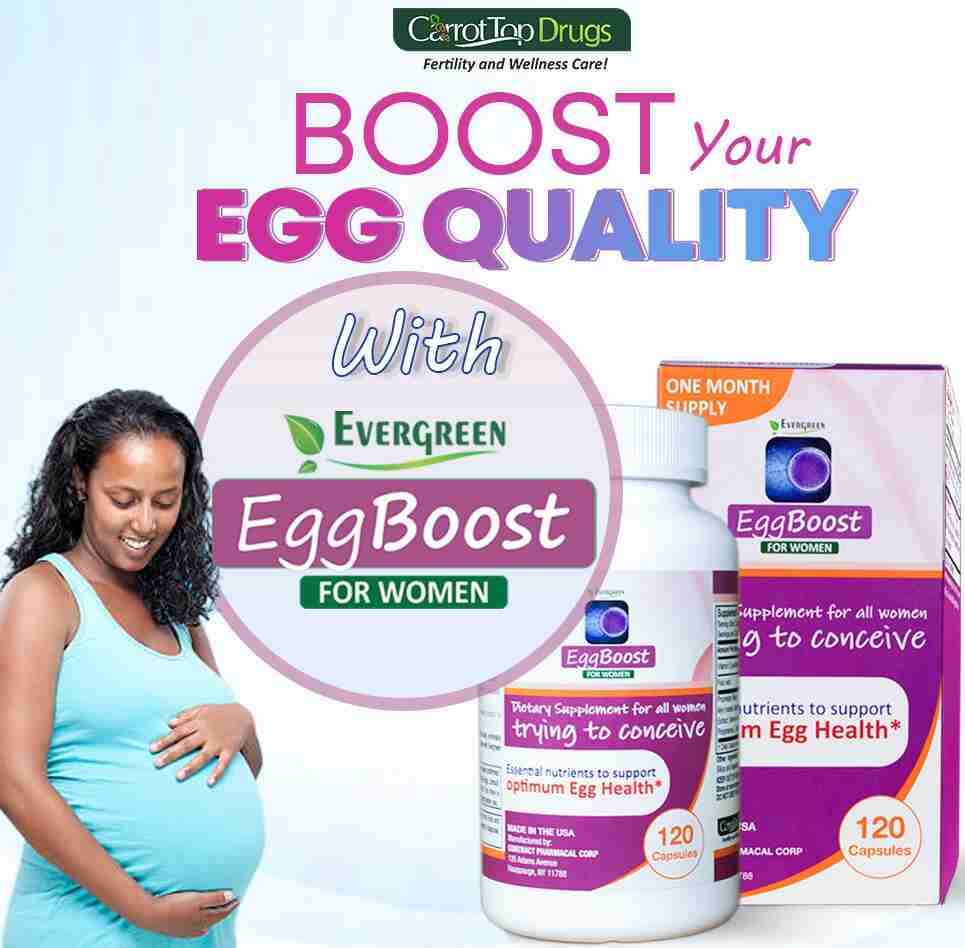
Evergreen Formula for Women and Men contains zinc in its most bioavailable form alongside complementary fertility nutrients. This formulation specifically addresses nutritional gaps common among Nigerian women trying to conceive. Moreover, it combines zinc with folate, iron, and other micronutrients essential for reproductive health and early pregnancy support.
The formula eliminates guesswork by providing optimal zinc dosage without requiring multiple separate supplements. Therefore, women receive comprehensive fertility support from one scientifically formulated product designed for their specific needs.
How Long Does It Take for Zinc to Improve Fertility?
Realistic expectations require understanding reproductive cell development timelines and zinc’s role in these processes. Sperm production follows a 74-day cycle from initial cell division to mature sperm formation. Consequently, men need at least three months of consistent zinc supplementation before seeing sperm quality improvements.
Female egg maturation requires approximately 90 days from primordial follicle to ovulation-ready egg. Therefore, women should maintain adequate zinc intake for at least three months before conception attempts. [Fertility and Sterility, 2022] demonstrates that couples supplementing zinc for 6 months showed significantly improved conception rates compared to shorter durations.
Most fertility specialists recommend continuing zinc supplementation for 3-6 months minimum before evaluating effectiveness. However, some couples notice improvements in secondary markers earlier, including increased libido and better menstrual regularity. Additionally, men may observe improved energy levels and sexual function within 4-6 weeks.
Response time varies based on initial deficiency severity, overall health status, and adherence to supplementation protocols. Moreover, concurrent lifestyle factors like diet quality, stress levels, and sleep patterns influence how quickly zinc improves fertility markers. Therefore, combining zinc supplementation with comprehensive lifestyle optimization typically yields fastest results.
Tracking basal body temperature, monitoring cervical mucus changes, and repeating semen analysis provide objective measures of progress. Consequently, these markers help couples and healthcare providers assess whether zinc intervention produces desired fertility improvements.
Zinc Supplement Safety: Side Effects and Precautions
Zinc supplements generally prove safe when taken at recommended doses for fertility enhancement. However, some individuals experience nausea, stomach cramps, or metallic taste, particularly with inorganic forms. Taking zinc with food significantly reduces these gastrointestinal side effects while maintaining adequate absorption.
High-dose zinc supplementation exceeding 40mg daily for extended periods can cause copper deficiency. This occurs because zinc and copper compete for absorption in the intestinal tract. [NIH Office of Dietary Supplements, 2023] recommends monitoring copper status when taking zinc supplements long-term for fertility purposes.
Zinc interacts with certain antibiotics including tetracyclines and quinolones, reducing their effectiveness. Additionally, thiazide diuretics increase urinary zinc excretion, potentially creating deficiency despite supplementation. Therefore, discussing all medications with healthcare providers before starting zinc prevents problematic interactions.
The tolerable upper intake level for zinc stands at 40mg daily for adults. Exceeding this amount may suppress immune function paradoxically, despite zinc’s immune-supporting properties. Moreover, very high doses above 150mg can cause acute zinc toxicity with symptoms including fever, coughing, and severe digestive distress.
Pregnant women should continue zinc supplementation as this mineral supports fetal development and prevents complications. However, dosing should remain within recommended prenatal ranges, typically 11-13mg daily. Consequently, switching from fertility-focused to pregnancy-specific formulations ensures appropriate zinc intake throughout conception and gestation.
Zinc vs Zinc from Food: Which Is Better for Fertility?
Dietary zinc from whole foods provides additional nutrients and cofactors that support absorption and utilization. Food sources offer zinc alongside protein, selenium, and B vitamins that work synergistically for fertility. However, achieving optimal zinc intake through Nigerian foods alone presents challenges for many couples.
Bioavailability differs significantly between food sources, with animal proteins providing highly absorbable zinc. Oysters contain the highest zinc concentration of any food, delivering 74mg per 100g serving. Meanwhile, beef, chicken, and fish provide 4-8mg per serving with excellent absorption rates.
Plant-based zinc sources include pumpkin seeds, cashews, chickpeas, and fortified cereals available in Nigerian markets. Nevertheless, phytates in these foods inhibit zinc absorption by 15-50% compared to animal sources. Consequently, vegetarians and vegans often require zinc supplements to meet fertility optimization needs.
Supplements become necessary when dietary intake cannot correct deficiency or meet increased fertility demands. Moreover, Nigeria’s supplement market contains both high-quality imports and substandard local products. Therefore, purchasing from reputable pharmacies and verified suppliers ensures product safety and potency.
The optimal approach combines zinc-rich foods with targeted supplementation for comprehensive fertility support. This strategy provides steady baseline zinc from diet while supplements address specific deficiencies. Additionally, combining both methods reduces supplement dosage requirements and associated side effect risks.
Real Success Stories: Zinc for Fertility in Nigerian Couples
Clinical practice reveals consistent patterns of improved fertility outcomes following zinc supplementation in Nigerian couples. One Lagos-based couple struggling with male factor infertility for three years saw remarkable improvements. After the husband supplemented zinc picolinate 30mg daily for four months, his sperm count increased from 8 million/mL to 42 million/mL.
A Port Harcourt woman with irregular cycles ranging 35-65 days achieved cycle regularity within three months of zinc supplementation. She combined 25mg daily zinc with improved diet including more fish and nuts. Consequently, she conceived naturally after eight months of trying, following two years of unsuccessful attempts.
A couple from Abuja addressed combined fertility challenges through comprehensive zinc intervention alongside lifestyle modifications. The wife had PCOS with irregular ovulation, while the husband showed borderline low sperm motility. Both supplemented zinc for six months while eliminating processed foods and increasing exercise. They successfully conceived and delivered a healthy baby boy.
These cases highlight zinc’s role within broader fertility optimization strategies rather than standalone solutions. Moreover, they demonstrate that addressing micronutrient deficiencies common in Nigerian populations significantly improves conception chances. African Journal of Reproductive Health, 2022 documents similar success patterns across West African populations implementing zinc fertility protocols.
Creating Your Zinc-Powered Fertility Plan: Next Steps
Building an effective zinc-based fertility strategy begins with assessing your current zinc status through testing. Schedule comprehensive fertility evaluations including serum zinc levels, hormone panels, and semen analysis for male partners. This baseline data guides appropriate zinc supplementation dosing and helps track progress objectively.
Choose between dietary optimization, supplementation, or combined approaches based on test results and dietary patterns. If zinc deficiency exists or dietary intake proves insufficient, high-quality supplements become essential. Evergreen Formula for Women and Men provides optimal zinc alongside complementary fertility nutrients, eliminating the need for multiple separate supplements.
Establish a consistent supplementation schedule, taking zinc with meals to minimize digestive upset. Morning administration often works best, though evening doses suit some individuals better. Moreover, avoid taking zinc simultaneously with calcium supplements or high-calcium foods, as calcium impairs zinc absorption.
Combine zinc supplementation with fertility-supporting lifestyle modifications for maximum effectiveness. Prioritize 7-8 hours nightly sleep, manage stress through relaxation techniques, and maintain healthy body weight. Additionally, eliminate smoking and limit alcohol consumption, as both deplete zinc stores rapidly.
Track progress through symptom monitoring, cycle regularity assessment, and follow-up testing after 3-4 months. Men should repeat semen analysis to quantify sperm quality improvements. Women can monitor basal body temperature patterns and cervical mucus changes indicating improved ovulation.
Seek medical evaluation if conception does not occur after 6-12 months of zinc optimization, depending on age. Women over 35 should consult fertility specialists after six months of trying. Therefore, zinc supplementation works best as part of comprehensive fertility care rather than delaying necessary medical interventions.
Remember that zinc supports fertility but cannot overcome all conception barriers independently. Consequently, approach zinc as one critical component of holistic reproductive health optimization. This realistic perspective prevents disappointment while maximizing zinc’s proven fertility benefits.
Frequently Asked Questions
How does zinc improve fertility in men and women?
Zinc improves male fertility by supporting testosterone production, sperm formation, and sperm motility. It protects sperm DNA from oxidative damage and maintains proper sperm membrane structure. In women, zinc regulates menstrual cycles, supports egg development, and balances reproductive hormones. Moreover, zinc enables proper follicle maturation and prepares the uterine lining for embryo implantation, making it essential for both conception and early pregnancy.
What is the best zinc dosage for fertility in Nigeria?
The optimal zinc dosage for fertility ranges from 15-30mg daily for women and 15-40mg for men. [Healthline, 2024] confirms these ranges align with international fertility protocols. However, individuals with confirmed deficiency may require higher therapeutic doses temporarily under medical supervision. Therefore, starting with 25mg daily provides effective fertility support for most Nigerian couples while minimizing side effect risks.
Can zinc deficiency cause infertility?
Yes, zinc deficiency directly causes infertility in both sexes through multiple mechanisms. Severe deficiency stops sperm production completely while reducing testosterone levels in men. Women with zinc deficiency experience anovulation, irregular cycles, and impaired egg quality. Additionally, zinc deficiency increases miscarriage risk even when conception occurs. Consequently, correcting zinc deficiency often restores fertility in couples with unexplained infertility and no other identifiable causes.
How long does it take for zinc to improve sperm count and egg quality?
Zinc requires at least 3-4 months to improve sperm count significantly, matching the 74-day sperm production cycle. Egg quality improvements typically appear after 3-6 months of consistent supplementation, following the 90-day egg maturation process. However, some couples notice improvements in libido and energy within 4-6 weeks. Therefore, maintaining zinc supplementation for at least six months before conception attempts yields optimal fertility benefits.
What are the best zinc-rich foods available in Nigeria for fertility?
Nigerian markets offer excellent zinc sources including beef, chicken, turkey, and various fish species like mackerel and sardines.