Introduction
For many women, trying to conceive can be tough and emotionally draining. Understanding the factors that influence fertility is key for those hoping to get pregnant. The role of thyroid hormones on female fertility can not be overemphasized.
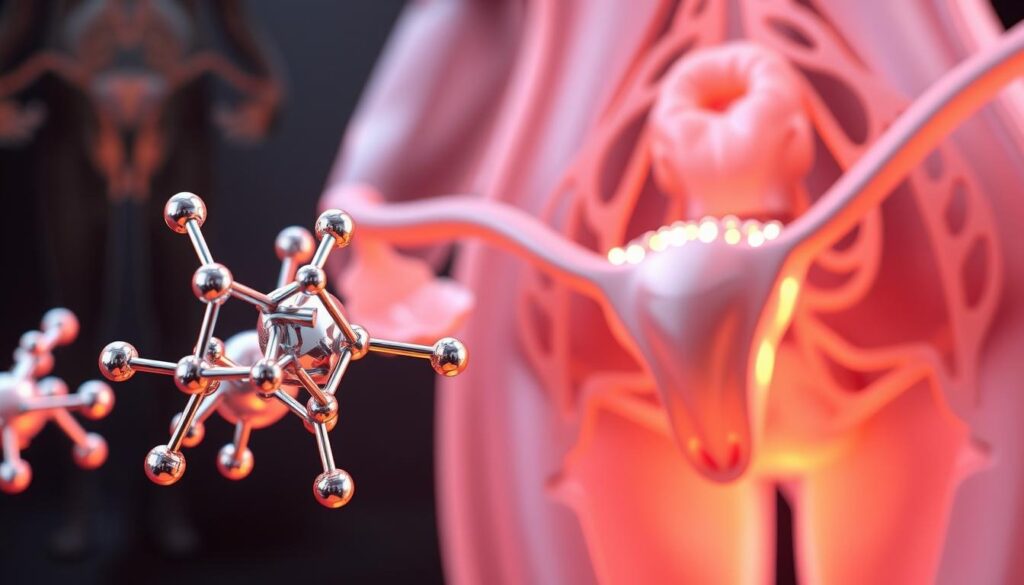
Thyroid hormones help control metabolism, growth, and development. They also affect reproductive health. Imbalances in thyroid function can cause ovulation problems, making it harder to conceive. So, knowing how thyroid hormones and fertility are connected is important for women wanting to get pregnant.
Understanding Thyroid Function and Reproductive Health
Your thyroid function is closely tied to your reproductive health. It affects your menstrual cycles and fertility. The thyroid gland in your neck makes hormones that control your body’s functions, like metabolism and growth.
What Are Thyroid Hormones and How Do They Work?
Thyroid hormones are special chemicals made by the thyroid gland. They help keep your body balanced and working right.
T3, T4, and TSH: The Key Players
The main thyroid hormones are T3 and T4. TSH, made by the pituitary gland, helps control T3 and T4 levels. These hormones are key to your body’s energy and balance.
How Thyroid Hormones Circulate in Your Body
After being made, T3 and T4 go into your blood. They travel to different parts of your body. There, they help control your energy and keep your body balanced.
The Thyroid-Pituitary-Ovarian Axis Connection
The thyroid, pituitary, and ovaries work together in a feedback loop. Thyroid hormones affect the pituitary gland, which then controls the ovaries. This connection is important for regular menstrual cycles and fertility.
Normal Thyroid Hormone Levels for Optimal Fertility
Having the right levels of T3, T4, and TSH is key for fertility. If these levels are off, it can mess with your ovulation and menstrual cycles. This makes it harder to get pregnant.
| Hormone | Normal Range |
| TSH | 0.5-4.5 μU/mL |
| Free T4 | 0.8-1.8 ng/dL |
| Free T3 | 2.3-4.2 pg/mL |
The Role of Thyroid Hormones on Female Fertility
Your thyroid hormones are key to your menstrual cycles and fertility. The thyroid gland makes hormones that affect your body, including your reproductive health. If your thyroid hormones are off, you might face irregular periods, ovulation issues, and trouble getting pregnant.
How Thyroid Hormones Regulate Menstrual Cycles
The role of thyroid hormones on female fertility is evident in how they affect the menstrual cycle. Thyroid hormones are vital for regular menstrual cycles. They help control the cycle by affecting other hormones needed for ovulation. Hypothyroidism can cause irregular or heavy periods, while hyperthyroidism might lead to lighter or less frequent periods. Both can mess with ovulation, making it harder to conceive.
Thyroid’s Impact on Egg Quality and Ovulation
Thyroid hormones also impact egg quality and ovulation. You need the right thyroid hormone levels for proper egg development. If these levels are off, ovulation can be affected, lowering your chances of getting pregnant.
The Timing of Ovulation and Thyroid Function
Ovulation timing is tied to thyroid function. Thyroid hormones help release luteinizing hormone (LH), which starts ovulation. Any thyroid imbalance can mess with this process, leading to ovulation problems.
Follicular Development and Thyroid Hormones
Follicular development is also influenced by thyroid hormones. Thyroid hormones help follicles in the ovaries grow and mature. Proper thyroid function ensures follicles develop well, boosting your chances of successful fertilization.
Thyroid Function and Implantation Success
Thyroid hormones also affect implantation success. A healthy thyroid supports the endometrium’s development, making it more ready for implantation. Studies show that thyroid hormone imbalance can raise the risk of implantation failure, showing how important thyroid health is for a successful pregnancy.
| Thyroid Condition | Effect on Menstrual Cycle | Impact on Fertility |
| Hypothyroidism | Irregular or heavy periods | Disrupted ovulation, reduced fertility |
| Hyperthyroidism | Lighter or less frequent periods | Ovulation disorders, reduced fertility |
Keeping your thyroid hormone levels in check is key for female fertility. If you’re trying to conceive, it’s vital to watch your thyroid health and fix any imbalances to boost your chances of a successful pregnancy.
Hypothyroidism and Its Effects on Conception
Women trying to get pregnant face challenges with hypothyroidism. It affects ovulation and reproductive health. Hypothyroidism means the thyroid doesn’t make enough hormones, which are key for the body, including for making babies.
Common Symptoms of Hypothyroidism in Women of Reproductive Age
It’s important to know the signs of hypothyroidism early. Symptoms include:
- feeling very tired,
- gaining weight,
- being cold all the time,
- and losing hair.
Women of childbearing age might also have irregular periods and trouble getting pregnant.
How Low Thyroid Levels Disrupt Ovulation
Thyroid hormones help control menstrual cycles and ovulation. If there’s not enough, it can mess up these cycles. This can cause problems like luteal phase defects and not ovulating at all.
Luteal Phase Defects and Hypothyroidism
The luteal phase is when the uterus gets ready for a baby. Hypothyroidism can make this phase go wrong. The uterus lining might not get ready right, making it hard for a baby to implant.
Anovulation and Irregular Cycles
Hypothyroidism can also stop the ovaries from releasing an egg. This leads to irregular periods and makes it hard to know when to try to get pregnant.
| Condition | Effect on Ovulation | Impact on Fertility |
| Hypothyroidism | Luteal phase defects, Anovulation | Difficulty conceiving, Increased risk of recurrent pregnancy loss |
| Normal Thyroid Function | Regular ovulation | Optimal fertility |
The Link Between Hypothyroidism and Recurrent Pregnancy Loss
Research shows hypothyroidism can lead to more miscarriages. Thyroid hormones are vital for a healthy pregnancy. Without them, pregnancy can face serious problems.

It’s key for women trying to conceive to understand how hypothyroidism affects fertility. Knowing the symptoms and getting treatment can help improve chances of a successful pregnancy.
Hyperthyroidism and Fertility Challenges
It’s important to know how hyperthyroidism affects fertility. This condition, where the thyroid makes too many hormones, can harm your reproductive health.
Recognizing Hyperthyroidism Symptoms in Women
Symptoms of hyperthyroidism can be hard to spot. They might include:
- losing weight,
- feeling anxious,
- and irregular periods.
Spotting these signs early is key to getting help.
How Excess Thyroid Hormones Affect Reproductive Function
Too much thyroid hormone can mess with your reproductive health. This includes:
- Disruptions in menstrual patterns
- Effects on hormonal balance
Impact on Menstrual Patterns
Hyperthyroidism can lead to irregular or missing periods. This irregularity makes it hard to know when you’re ovulating, which affects fertility.
Effects on Hormonal Balance
Too much thyroid hormone can upset the balance of other hormones needed for ovulation and getting pregnant. This imbalance can lower your chances of getting pregnant.
The Connection Between Hyperthyroidism and Miscarriage Risk
Studies show that untreated hyperthyroidism might raise the risk of miscarriage. Managing hyperthyroidism is key to better fertility and lower pregnancy risks.
Understanding how hyperthyroidism affects fertility helps you take steps to manage it. This can improve your chances of getting pregnant.
Diagnosing Thyroid Disorders in Women Trying to Conceive
For women trying to get pregnant, finding out if they have a thyroid disorder is key. Thyroid health is vital for fertility. Problems with it can make it hard to conceive or keep a pregnancy healthy.
Essential Thyroid Function Tests
Doctors use special tests to find thyroid disorders. These tests check your blood for thyroid hormone levels. They look for any issues.
TSH, Free T4, and Antibody Testing
Tests check TSH and Free T4 levels. TSH helps control thyroid hormones. Free T4 shows how well your thyroid is working. Antibody tests, like for TPOAb and TgAb, spot autoimmune thyroiditis.
In Nigeria, many places can do these tests. Big hospitals and labs have the right tools. But, where you can get tested might depend on where you are and the type of place.
When to Get Tested: Warning Signs You Shouldn’t Ignore
If you have odd periods, weight changes, or feel really tired, see a doctor. Also, if you’re having trouble getting pregnant, get tested for thyroid issues.
Understanding Your Test Results
It’s important to know what your test results mean. Your doctor will explain if your hormone levels are okay or not. They’ll tell you if you have hypothyroidism or hyperthyroidism. Then, they can help you manage your thyroid health to boost your chances of getting pregnant.
Thyroid Treatment Options to Improve Fertility
Women facing infertility due to thyroid problems have many treatment options. These options can help improve their chances of getting pregnant. Thyroid issues can greatly affect fertility, but there are ways to overcome this.
Medication Options for Hypothyroidism
Hypothyroidism, or an underactive thyroid, is often treated with synthetic hormones. Levothyroxine is the most common medication used.
Levothyroxine Treatment in Nigeria
In Nigeria, levothyroxine is the standard treatment for hypothyroidism. It’s important to get the right dosage from a healthcare provider.
Monitoring and Dosage Adjustments
After starting levothyroxine, it’s key to regularly check thyroid hormone levels. The dosage might need to be adjusted to keep hormone levels right for fertility.
Managing Hyperthyroidism for Better Conception Chances
Hyperthyroidism, or an overactive thyroid, needs a different treatment. Antithyroid medications are used to lower thyroid hormone production. Sometimes, radioactive iodine treatment or surgery is recommended.
How Long After Treatment Can Fertility Improve?
The time it takes for fertility to improve after thyroid treatment varies. Generally, once hormone levels are balanced, fertility can start to improve. This can happen in a few months, but it may take longer for some.
Working closely with a healthcare provider is crucial. Regular check-ups and adjusting treatment as needed can greatly boost chances of getting pregnant.
Thyroid Health During Pregnancy
Pregnancy changes how your thyroid works, making it key to prenatal care. Your thyroid gland is vital for a healthy pregnancy. It supports the growth of your baby.
Why Thyroid Function Changes During Pregnancy
Estrogen levels rise in pregnancy, boosting thyroid hormone demand. The placenta also makes hCG, which stimulates the thyroid. This increases thyroid hormone production.
Risks of Untreated Thyroid Disorders in Pregnancy
Untreated thyroid issues can harm both mom and baby. These risks include complications for the mother and effects on the baby’s development.
Maternal Complications
Untreated thyroid disorders can lead to:
- Pre-eclampsia
- Heart failure
- Miscarriage
- Preterm labor
Effects on Fetal Development
Thyroid hormones are vital for the baby’s brain and nervous system. Untreated hypothyroidism can cause:
- Cognitive impairments
- Developmental delays
- Increased risk of fetal loss
| Risks | Maternal Complications | Effects on Fetal Development |
| Untreated Hypothyroidism | Pre-eclampsia, Heart failure, Miscarriage | Cognitive impairments, Developmental delays |
| Untreated Hyperthyroidism | Heart failure, Thyroid storm, Miscarriage | Low birth weight, Premature birth |
Monitoring and Adjusting Thyroid Medication When Pregnant
Women with thyroid disorders need regular thyroid checks during pregnancy. Thyroid medication may need to be adjusted. This ensures the health of both mom and baby.
Regular visits to your healthcare provider are crucial. They help manage thyroid health during pregnancy. This way, you can avoid risks and have a healthy pregnancy.
Lifestyle Factors That Support Thyroid and Fertility Health
Your daily habits and choices can either support or hinder your thyroid function and fertility. Adopting a healthy lifestyle is essential for maintaining optimal thyroid health and improving fertility.
Nutrition for Optimal Thyroid Function
A well-balanced diet rich in essential nutrients is vital for thyroid health. Iodine is a critical nutrient for thyroid function, and consuming iodine-rich foods can support thyroid health.
Iodine-Rich Foods Available in Nigeria
In Nigeria, you can find iodine-rich foods, including seaweed, iodised salt, and certain types of fish and seafood. Including these foods in your diet can help maintain healthy thyroid function.
Foods to Limit or Avoid
Certain foods can negatively impact thyroid health. It’s advisable to limit or avoid soy products, gluten, and foods high in sugar to support thyroid function and overall health.
Stress Management Techniques
Chronic stress can adversely affect thyroid health and fertility. Practicing stress management techniques such as yoga, meditation, and deep breathing exercises can help mitigate stress.
Environmental Factors Affecting Thyroid Health in Nigeria
Environmental factors, including exposure to pesticides and heavy metals, can impact thyroid health. Being aware of your environment and taking steps to minimize exposure can support thyroid health.
By making informed lifestyle choices, you can support your thyroid health and fertility. Focus on a balanced diet, stress management, and being mindful of environmental factors to enhance your overall well-being.
Conclusion
Understanding thyroid hormones’ role in female fertility is key for women trying to conceive. Thyroid hormones help control menstrual cycles and ovulation. They are vital for reproductive health.
Thyroid disorders like hypothyroidism and hyperthyroidism can harm fertility. Knowing the signs and symptoms is important. Getting medical help is crucial.
Managing thyroid health can boost your chances of getting pregnant. This includes taking medication and making lifestyle changes. Regular check-ups are also important.
FAQ
Can thyroid imbalance make it harder to get pregnant?
Yes, thyroid imbalance can affect fertility. Both hypothyroidism (underactive thyroid) and hyperthyroidism (overactive thyroid) can disrupt ovulation and menstrual cycles. This makes it more challenging to conceive.
How do thyroid hormones impact reproductive health?
Thyroid hormones play a crucial role in regulating menstrual cycles and ovulation. They also maintain the health of the reproductive system. This includes the release of eggs and supporting a healthy pregnancy.
What are the common fertility struggles linked to hypothyroidism?
Hypothyroidism can cause irregular menstrual cycles and anovulation. It can also lead to luteal phase defects and decreased egg quality. All these factors can impact fertility.
Can hyperthyroidism reduce chances of conception?
Yes, hyperthyroidism can affect fertility. It can alter menstrual patterns and disrupt hormonal balance. This can lead to ovulation disorders, making it harder to conceive.
Is thyroid treatment necessary for women trying to conceive?
If you have a thyroid disorder, treatment is often necessary. It helps normalize thyroid hormone levels, which can improve fertility. Thyroid medication can regulate ovulation and menstrual cycles.
How long after starting thyroid treatment can fertility improve?
The timeframe for fertility improvement after starting thyroid treatment varies. Generally, once thyroid hormone levels are normalized, fertility can improve. This can take a few months.
Why are healthy thyroid levels crucial during early pregnancy?
Healthy thyroid levels are essential during early pregnancy. They support fetal development, especially brain development. They also prevent maternal complications.
Can thyroid disease lead to pregnancy complications?
Yes, untreated or poorly managed thyroid disease can increase the risk of pregnancy complications. This includes miscarriage, preterm labor, and preeclampsia.
How often should thyroid hormone levels be monitored during pregnancy?
Thyroid hormone levels should be monitored regularly during pregnancy. Thyroid function can change, and medication dosages may need to be adjusted. This ensures normal thyroid hormone levels.
Are there any lifestyle changes that can support thyroid health and fertility?
Yes, maintaining a balanced diet rich in iodine can support thyroid health and fertility. Managing stress and avoiding environmental toxins also helps.