
Introduction
The biological clock for female fertility is intrinsically linked to the health and vitality of the oocyte, or egg cell. Age-related decline in egg quality is a primary factor in reduced fertility, increased miscarriage risk, and lower success rates in assisted reproduction after the age of 35. At the heart of this decline lies oxidative stress—an imbalance between harmful free radicals and the body’s protective antioxidants that causes cumulative cellular damage.
Enter Alpha-Lipoic Acid (ALA), a potent, naturally occurring antioxidant emerging as a critical player in reproductive health strategies. Unlike many antioxidants, ALA is both water- and fat-soluble, allowing it to protect every part of the cell, including the delicate mitochondria essential for an egg’s energy. This guide delves into the science of how alpha-lipoic acid for fertility works, examining its unique role in safeguarding mitochondrial function, neutralizing oxidative damage, and offering a powerful defense against the ticking clock for women seeking to protect and enhance their reproductive potential.
What Is Alpha-Lipoic Acid (ALA)?
Alpha-lipoic acid is a sulfur-containing compound that functions as a vital cofactor for mitochondrial enzymes involved in energy metabolism. It is synthesized in small amounts by the human body and can be obtained from dietary sources such as red meat, organ meats (like liver and heart), spinach, broccoli, and potatoes.
What sets ALA apart in the world of antioxidant for egg health is its “universal antioxidant” capability. Its unique chemical structure allows it to dissolve in both water and fat, enabling it to work inside and outside of cells, and even within cellular membranes. This gives it a broader protective reach than antioxidants like vitamin C (water-soluble only) or vitamin E (fat-soluble only). For fertility supplements, ALA is typically available in a supplemental form, often as a component of comprehensive egg-quality support protocols.
Why Egg Quality Declines with Age
A female is born with her lifetime supply of oocytes, which remain suspended until recruited for ovulation. Over decades, these cells are exposed to environmental and metabolic stressors. The primary drivers of age-related decline are:
- Mitochondrial Dysfunction: The egg’s mitochondria, responsible for generating the vast energy (ATP) needed for maturation, fertilization, and early embryo division, become less efficient and more prone to damage over time.
- Accumulated Oxidative Stress: Over a woman’s lifetime, exposure to internal and external toxins generates free radicals. The oocyte’s natural antioxidant defenses become depleted, leading to oxidative damage of proteins, lipids, and—most critically—DNA.
- Chromosomal Abnormalities: This oxidative damage, particularly to mitochondrial DNA and the machinery that separates chromosomes during cell division, leads to a higher rate of aneuploidy (incorrect chromosome number), which is the leading cause of age-related miscarriage and conditions like Down syndrome.
- Diminished Ovarian Reserve: While ALA does not increase the number of eggs, it aims to improve the health of the remaining follicular pool. Hormonal shifts, particularly rising FSH and declining AMH, reflect this dwindling quantity and quality.
For women over 30, and especially over 35, providing targeted antioxidant support becomes crucial to mitigate these inevitable processes.
How Oxidative Stress Damages Egg Cells
Free radicals are unstable molecules missing an electron; they steal electrons from healthy cells, creating a chain reaction of damage known as oxidative stress. In the ovarian environment, this has devastating consequences:
- Damaged Mitochondria: Oxidative stress directly impairs mitochondrial function, reducing the ATP energy output necessary for the egg to complete meiosis (chromosome division) and for the embryo to develop after fertilization .
- DNA Fragmentation: Free radicals attack the DNA within both the nucleus and mitochondria of the oocyte. This damage can lead to mutations, failed fertilization, poor embryo development, and implantation failure.
- Cellular Aging: Oxidative stress accelerates the cellular aging process, contributing to the deterioration of the oocyte’s structural components.
- Link to Insulin Resistance: In conditions like PCOS, high insulin levels and insulin resistance are associated with increased oxidative stress in the ovarian follicles, further compromising egg quality and maturation.
How Alpha-Lipoic Acid Protects Eggs
Boosts Mitochondrial Function
ALA is a required cofactor for key mitochondrial enzymes (pyruvate dehydrogenase and alpha-ketoglutarate dehydrogenase) in the Krebs cycle. By supporting this energy-production pathway, ALA helps ensure oocytes have the optimal ATP levels required for healthy maturation and developmental competence.
Neutralizes Free Radicals
ALA is a direct scavenger of a wide range of free radicals. More importantly, it has the unique ability to regenerate other endogenous antioxidants. It can restore oxidized forms of vitamin C, vitamin E, and glutathione—the body’s master antioxidant—back to their active, protective states. This creates a powerful, recycling antioxidant network within the follicular fluid, providing a fortified defense for the developing egg.
Improves Blood Flow to the Ovaries
ALA has been shown to support vascular endothelial function and promote vasodilation. Improved blood flow to the ovaries ensures a richer supply of oxygen and nutrients to the follicles, while also enhancing the removal of metabolic waste products, creating a healthier environment for folliculogenesis.
Supports Hormonal Balance
Through its role in improving insulin sensitivity, ALA can help lower elevated insulin levels. This is particularly beneficial for women with PCOS or insulin resistance, as high insulin is a key driver of ovarian androgen production and ovulatory dysfunction, indirectly harming egg quality.
Protects DNA Integrity in Eggs
By quenching free radicals at their source, ALA reduces oxidative damage to both nuclear and mitochondrial DNA. Studies suggest this protective effect can lead to lower levels of DNA fragmentation in oocytes, which is correlated with better fertilization potential and embryo quality, potentially reducing the risk of age-related aneuploidy.
Research Evidence: ALA and Egg Quality
Recent scientific studies underscore ALA’s potential:
- A 2021 study published in Antioxidants highlighted that antioxidants like ALA are crucial for maintaining oocyte quality by mitigating age-associated oxidative stress and mitochondrial decay.
- Research on ovarian aging models has demonstrated that ALA supplementation can improve ovarian response, increase the number of high-quality oocytes, and enhance embryo development rates by reducing markers of oxidative stress and cellular apoptosis (programmed cell death).
- Clinical observations in fertility settings note that ALA, especially when combined with CoQ10 (another mitochondrial antioxidant), myo-inositol, and N-acetylcysteine (NAC), forms a robust synergistic protocol for improving oocyte metrics in IVF cycles, particularly for women of advanced maternal age or with diminished ovarian reserve.
Alpha-Lipoic Acid and Age-Related Decline
Aging exponentially increases the body’s oxidative burden while depleting its natural antioxidant reserves. For the ovary, this means the follicular environment becomes progressively more hostile to egg development. ALA’s role becomes especially critical for women over 35. By bolstering the antioxidant defense system directly within the ovarian tissue and the oocyte itself, ALA helps counteract the accelerated oxidative damage that characterizes reproductive aging. Evidence suggests that targeted antioxidant therapy, including ALA, may help “rescue” some of the functional decline in egg mitochondria, thereby improving the developmental potential of the existing ovarian reserve.
Benefits of ALA for Fertility
- Improves Egg Quality & Maturation: Supports cytoplasmic and nuclear maturation for more competent oocytes.
- Enhances Ovarian Environment: Reduces inflammatory cytokines and oxidative stress in follicular fluid.
- Supports Metabolic Health: Improves insulin sensitivity, beneficial for PCOS-related infertility.
- Boosts IVF Outcomes: Associated with better fertilization rates, embryo quality, and potentially higher implantation rates.
- Promotes Cellular Detoxification: Works alongside glutathione to support the body’s detoxification pathways.
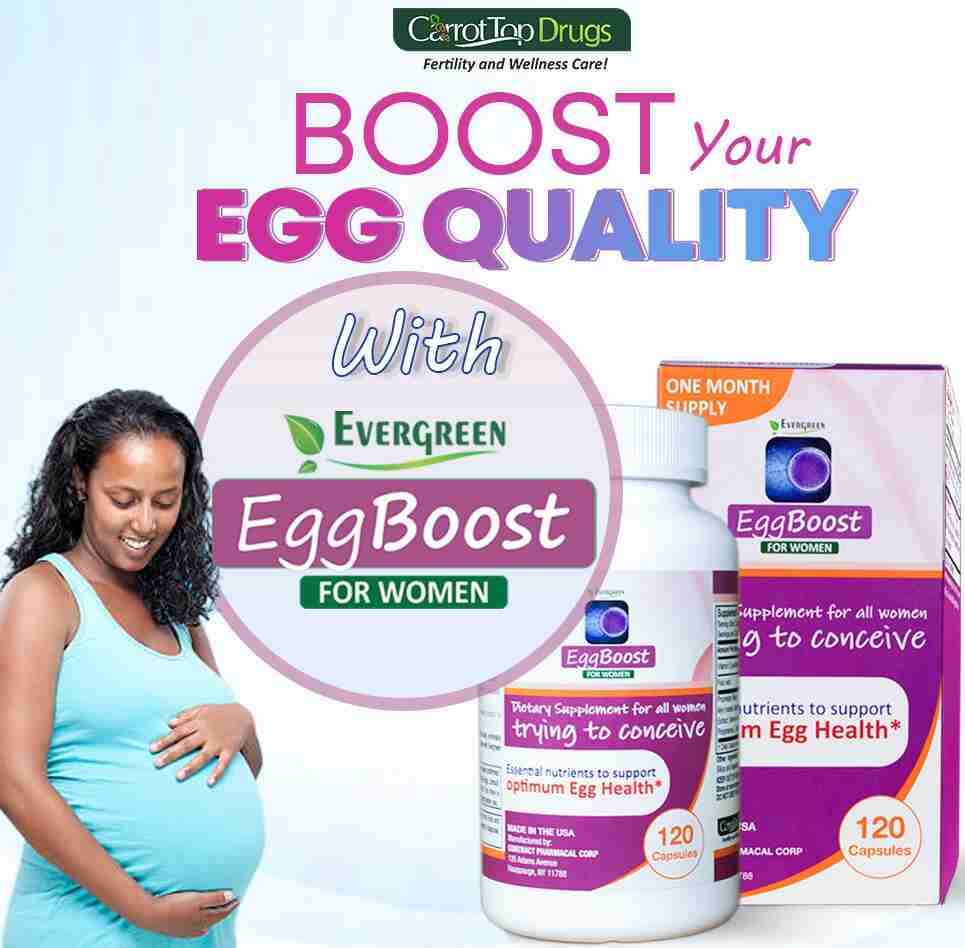
Evergreen Eggboost contains many ingredients like myo-inositol, co-enzyme Q10 and even alpha-lipoic acid.
Dosage: How Much ALA Should You Take?
For fertility support, the typical dosage ranges from 300 mg to 600 mg per day, often divided into two doses. The R-form of ALA (R-ALA) is the biologically active enantiomer found in nature and is considered more potent than the synthetic S-form or the common 50/50 mix (racemic ALA). It is best taken with meals to enhance absorption and minimize potential gastrointestinal upset. As the oocyte development cycle takes approximately 90 days, a minimum of 3 to 6 months of consistent supplementation is recommended to influence a cohort of developing eggs. Women with significant insulin resistance may use doses at the higher end under medical supervision.
What to Combine ALA With for Best Results
ALA’s effects are magnified in combination:
- ALA + CoQ10: A powerhouse duo for mitochondrial energy production and antioxidant defense.
- ALA + Myo-Inositol: Ideal for PCOS, targeting both insulin sensitivity and oxidative stress.
- ALA + Omega-3s: Reduces systemic inflammation and supports cell membrane health.
- ALA + NAC: NAC is a precursor to glutathione; ALA then recycles it, creating a sustained antioxidant loop.
Safety, Side Effects, and Precautions
ALA is generally safe. Minor side effects can include nausea, stomach upset, or skin rash. Always take with food. Because ALA can enhance insulin sensitivity and potentially lower blood sugar, individuals with diabetes or hypoglycemia should use it cautiously and monitor blood glucose levels. Its safety during pregnancy has not been conclusively established; therefore, most fertility experts recommend discontinuing use after a confirmed pregnancy unless specifically advised by a physician.
Who Should Take Alpha-Lipoic Acid for Fertility?
- Women over 30-35 seeking to preserve and enhance egg quality.
- Women diagnosed with PCOS or insulin resistance.
- Women undergoing IVF, ICSI, or egg freezing.
- Women with a diagnosis of diminished ovarian reserve (DOR).
- Women with a history of poor egg or embryo quality in previous cycles.
- Individuals with high exposure to environmental toxins or oxidative stress.
FAQs
Q: How long does ALA take to improve egg quality?
A: Given the 90-day ovarian cycle, a minimum of 3 months of consistent supplementation is needed to impact the development of a new cohort of eggs.
Q: Is ALA safe during fertility treatments like IVF?
A: Yes, it is commonly used in pre-IVF supplementation protocols for several months leading up to egg retrieval. Always inform your reproductive endocrinologist of all supplements you are taking.
Q: Can I take ALA along with CoQ10?
A: Absolutely. They are highly synergistic, with CoQ10 working in the electron transport chain and ALA supporting the Krebs cycle and recycling antioxidants.
Q: Does ALA help with ovarian reserve (AMH levels)?
A: ALA incrases the number of primordial follicles (the true “reserve”). Its benefit lies in improving the functional quality of the remaining follicles and eggs.
Q: What is the difference between ALA and R-ALA?
A: R-ALA is the natural, more bioactive form. The body uses it more effectively and may be more effective at lower doses, though it is often more expensive than the standard racemic (50/50) ALA.
Q: Can men also take ALA for sperm quality?
A: Yes. Oxidative stress is a major cause of male infertility. Studies show ALA can improve sperm parameters (motility, morphology, count) by reducing oxidative damage in the seminal plasma.
Q: Is ALA safe during early pregnancy?
A: Due to a lack of large-scale safety studies, the conservative recommendation is to discontinue use after a positive pregnancy test unless your doctor, aware of your specific case, advises otherwise.
Conclusion
Alpha-lipoic acid stands out as one of the most potent and versatile antioxidants in the fertility supplements arsenal. Its unique ability to function in all cellular environments, recycle key antioxidants, and directly support the energy-producing mitochondria of the oocyte makes it a formidable weapon against age-related decline in egg quality. For women navigating the challenges of time, PCOS, or assisted reproduction, incorporating ALA into a well-designed preconception plan—alongside foundational nutrients like a prenatal vitamin, folate, and CoQ10—offers a scientifically grounded strategy to optimize ovarian environment and oocyte health. Evergreen Eggboost for Women combines alpha-lipoic acid with myo-inositol and co-enzyme Q10 for maximum result.