Introduction
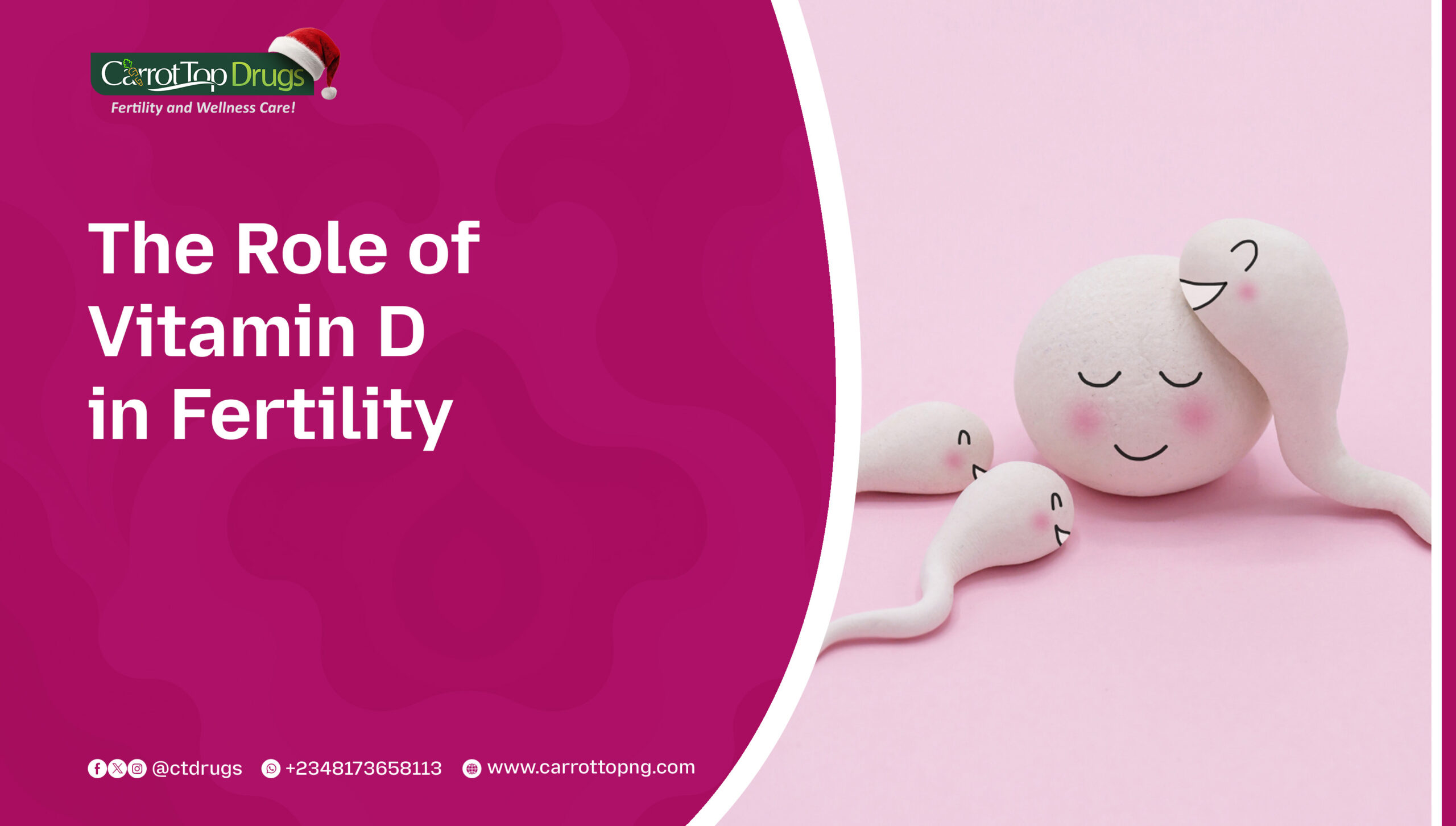
Vitamin D, often referred to as the “sunshine vitamin,” plays a crucial role in various bodily functions, including bone health, immune system support, and even fertility. The role of vitamin D in fertility has garnered significant attention in recent years as researchers uncover its potential impact on reproductive health in both men and women.
Causes of Vitamin D Deficiency and Its Impact on Fertility
- Limited Sunlight Exposure:
One of the primary causes of vitamin D deficiency is inadequate sunlight exposure. Vitamin D is synthesized in the skin when it is exposed to ultraviolet B (UVB) rays from the sun. However, factors such as geographic location, lifestyle, and the use of sunscreen can significantly reduce UVB exposure. For instance, individuals living in higher latitudes or urban environments with limited sunlight may not receive sufficient UVB rays to produce adequate vitamin D. This deficiency can disrupt hormonal balance and impair reproductive function, making it difficult for couples to conceive.
- Dietary Insufficiency:
While sunlight is the primary source of vitamin D, it can also be obtained from certain foods. However, dietary sources of vitamin D are relatively limited. This means that many people do not consume enough of these foods to meet their daily needs. Fatty fish, egg yolks, and fortified foods like milk and cereals are some of the few dietary sources of vitamin D. A diet lacking in these foods can lead to insufficient vitamin D levels. This in turn may contribute to infertility by affecting ovulation in women and sperm quality in men.
- Health Conditions and Medications:
Certain health conditions and medications can interfere with the body’s ability to absorb or metabolize vitamin D. For example, individuals with malabsorption disorders such as celiac disease or Crohn’s disease may have difficulty absorbing vitamin D from food. Additionally, medications such as anticonvulsants and glucocorticoids can reduce vitamin D levels by increasing its breakdown in the liver. These factors can exacerbate vitamin D deficiency and negatively impact fertility by disrupting the hormonal regulation necessary for successful conception.
4. Obesity:
Vitamin D is a fat-soluble vitamin, meaning it is stored in the body’s fat tissues. In individuals with obesity, a larger proportion of vitamin D is sequestered in fat cells. This makes it less bioavailable for use by the body. This sequestration can lead to lower circulating levels of vitamin D, contributing to a deficiency. The role of vitamin D in fertility is particularly important for regulating hormones and supporting reproductive health. Conversely, obesity-related vitamin D deficiency can exacerbate fertility challenges in both men and women.
5. Aging:
As people age, their skin’s ability to synthesize vitamin D decreases. This decline is due to several factors, including thinning skin and reduced efficiency in converting sunlight into vitamin D. Additionally, older adults may spend less time outdoors, further reducing their exposure to sunlight. Aging is also associated with a decline in kidney function, which can impair the conversion of vitamin D into its active form. These factors contribute to a higher risk of vitamin D deficiency in older individuals. This can negatively impact the role of vitamin D in fertility, particularly for women trying to conceive later in life.
Signs and Symptoms of Vitamin D Deficiency in Men and Women
Vitamin D deficiency often goes unnoticed because its symptoms can be subtle or attributed to other causes. However, there are some signs and symptoms that may indicate low vitamin D levels, particularly in the context of fertility.
Fatigue and General Weakness:
One of the most common signs of vitamin D deficiency is chronic fatigue and muscle weakness. Vitamin D plays a critical role in energy production and muscle function. Its deficiency can lead to feelings of tiredness and a lack of energy, even with adequate rest. This symptom is often overlooked or attributed to other causes, but persistent fatigue may be a sign that vitamin D levels are low. In both men and women, this can affect daily activities and overall well-being. This can potentially impact fertility by reducing physical stamina and libido.
Mood Changes and Depression:
Vitamin D is known to play a role in brain function and mood regulation. A deficiency can lead to mood swings, anxiety, and even depression. Research suggests that vitamin D helps regulate neurotransmitters in the brain, such as serotonin, which is associated with mood and well-being. For women, mood disturbances can lead to irregular menstrual cycles and decreased libido, both of which can interfere with fertility. In men, depression related to vitamin D deficiency can reduce interest in sexual activity and overall motivation, further complicating efforts to conceive.
Bone Pain and Osteomalacia:
Vitamin D is essential for calcium absorption, which is critical for maintaining strong bones. A deficiency in vitamin D can lead to bone pain, often felt as a deep, aching discomfort in the bones or muscles. This is because without sufficient vitamin D, calcium cannot be effectively absorbed, leading to weakened bones and muscles. Over time, this can increase the risk of fractures and osteoporosis, particularly in women. In men, muscle weakness associated with vitamin D deficiency can reduce physical performance, which might indirectly affect fertility by limiting sexual activity.
4. Impaired Wound Healing:
Another sign of vitamin D deficiency is slow or impaired wound healing. Vitamin D is involved in the production of compounds that are critical for the formation of new skin during the healing process. When vitamin D levels are low, wounds may take longer to heal, and infections may be more likely. This symptom can be a subtle indicator of deficiency, but it reflects the broader impact that vitamin D has on immune function and overall health. In the context of fertility, impaired wound healing may signal underlying health issues that could affect reproductive health.
5. Frequent Infections:
Vitamin D plays a crucial role in supporting the immune system. A deficiency in vitamin D can weaken the immune response, making both men and women more susceptible to infections, such as colds, flu, and other illnesses. Frequent infections can indicate a compromised immune system, which can have broader implications for overall health and fertility. In women, recurring infections can lead to inflammation and complications in the reproductive system, such as pelvic inflammatory disease (PID), which can impair fertility. In men, infections can affect sperm health and reduce fertility potential.
6. Hair Loss:
Severe hair loss is another symptom that may be associated with vitamin D deficiency. While some hair loss is normal, excessive hair loss can be a sign of underlying health issues, including low vitamin D levels. Vitamin D is thought to play a role in the hair growth cycle, and its deficiency can lead to hair thinning or even bald patches in severe cases. For women, hair loss can be particularly distressing and may coincide with other hormonal imbalances, potentially affecting fertility. In men, while hair loss is often linked to genetics, vitamin D deficiency can exacerbate the condition and signal broader health concerns.
Impact of Vitamin D Deficiency on Fertility
- Hormonal Imbalances:
Vitamin D plays a vital role in regulating hormones that are essential for reproductive health. In women, vitamin D deficiency can disrupt the production of estrogen and progesterone, leading to irregular menstrual cycles and ovulatory dysfunction. While, in men, low vitamin D levels can affect the production of testosterone, resulting in decreased sperm production and reduced fertility.
- Reduced Sperm Quality:
In men, vitamin D deficiency has been linked to lower sperm count, motility, and morphology. Vitamin D receptors are present in the testes and sperm, indicating that vitamin D plays a direct role in sperm production and function. A deficiency in this nutrient can lead to abnormal sperm parameters, making it more difficult for sperm to fertilize an egg.
- Increased Risk of Miscarriage:
Vitamin D deficiency in women has been associated with an increased risk of miscarriage. Imagine going through the toil of trying to get pregnant and then losing it. It is devastating. This may be due to the role of vitamin D in supporting a healthy immune system and maintaining the uterine environment. Adequate vitamin D levels are necessary for the proper implantation of the embryo and the prevention of pregnancy loss.
How to Improve Fertility Naturally with Vitamin D
- Sunlight Exposure:
The most natural way to boost vitamin D levels is through regular exposure to sunlight. Couples trying to conceive should aim to spend time outdoors, particularly during midday when the sun’s UVB rays are most potent. Depending on skin type and geographic location, spending about 10 to 30 minutes in direct sunlight several times a week may be sufficient to maintain adequate vitamin D levels. However, care should be taken to avoid sunburn and excessive UV exposure.
- Dietary Changes:
Incorporating vitamin D-rich foods into the diet is another effective way to improve fertility. Fatty fish like salmon, mackerel, and sardines are excellent sources of vitamin D, as are egg yolks and fortified foods such as dairy products and cereals. Couples should strive to include these foods in their daily meals to support reproductive health. For those who have dietary restrictions, plant-based alternatives fortified with vitamin D, such as almond milk and soy milk, can also be beneficial.
- Supplementation:
For individuals who have difficulty obtaining sufficient vitamin D from sunlight or diet, supplementation may be necessary. Vitamin D supplements are available in various forms, including vitamin D2 (ergocalciferol) and vitamin D3 (cholecalciferol). Vitamin D3 is generally considered more effective at raising and maintaining adequate vitamin D levels in the body. We recommend Evergreen Formular for Women and Evergreen Formular for Men. They can supply the required daily requirement of Vitamin D.
Sources of Vitamin D
- Sunlight: The most significant source of vitamin D is sunlight. Exposure to UVB rays triggers the synthesis of vitamin D in the skin.
- Fatty Fish: Salmon, mackerel, and sardines are rich in vitamin D.
- Fortified Foods: Many dairy products, cereals, and plant-based milks are fortified with vitamin D.
- Egg Yolks: Eggs provide a moderate amount of vitamin D, primarily in the yolk.
- Mushrooms: Certain mushrooms exposed to sunlight or UV light can also contain vitamin D2.
Vitamin D Supplement
Vitamin D supplements are widely available and can be taken in pill, liquid, or chewable forms. The most common types are vitamin D2 and D3, with D3 being more effective for maintaining healthy vitamin D levels. It is important to choose a high-quality supplement and follow the recommended dosage, which may vary depending on individual needs and medical advice.
RDA for Vitamin D in Men and Women for Fertility
The recommended daily allowance (RDA) for vitamin D varies depending on age, sex, and individual health needs. For most adults, including those trying to conceive, the RDA is about 400 to 800 IU (International Units) per day. It is crucial to consult with a healthcare provider to determine the appropriate intake based on specific circumstances.
Conclusion
The role of vitamin D in fertility is a critical yet often overlooked aspect of reproductive health. Adequate levels of this essential nutrient are necessary for the proper functioning of hormonal systems, sperm production, and the maintenance of a healthy uterine environment. Couples struggling with infertility should consider assessing their vitamin D levels and taking proactive steps to optimize them through sunlight exposure, dietary changes, and supplementation. By addressing vitamin D deficiency, couples may significantly improve their chances of conceiving and achieving a healthy pregnancy.
FAQs
- What is the role of vitamin D in fertility? Vitamin D plays a crucial role in regulating hormones, supporting sperm production, and maintaining a healthy uterine environment, all of which are essential for fertility.
- Can vitamin D deficiency cause infertility? Yes, vitamin D deficiency has been linked to hormonal imbalances, poor sperm quality, and an increased risk of miscarriage, all of which can contribute to infertility.
- How can I improve my vitamin D levels naturally? You can improve your vitamin D levels by getting regular sunlight exposure, eating vitamin D-rich foods like fatty fish and fortified products, and taking supplements if necessary.
- What is the recommended daily allowance (RDA) of vitamin D for fertility? The RDA for most adults is 600 to 800 IU per day,