Introduction
Melatonin is widely recognized for its role in sleep regulation, but growing scientific evidence highlights its importance in reproductive health. The role of melatonin in fertility has become a significant topic in fertility research due to its antioxidant properties, hormonal interactions, and effects on both male and female reproductive systems.
This article explores how melatonin influences fertility, including the role of melatonin in female fertility, the role of melatonin in male fertility, how much melatonin may be necessary for fertility, and whether melatonin supplements can improve fertility, all supported by scientific references.
What Is Melatonin?
The pineal gland produces the Melatonin hormone. There is an association between melatonin’s secretion and the light-dark cycle. Its primary function is regulating the circadian rhythm and sleep–wake cycles. However, melatonin also acts as a potent antioxidant and signaling molecule in multiple tissues, including reproductive organs.
The ovaries, uterus, testes, and sperm cells contain Melatonin receptors (MT1 and MT2) , suggesting a direct role in reproductive physiology.
Hormonal Regulation and Fertility
Fertility depends on the coordinated function of the hypothalamic-pituitary-gonadal axis. Melatonin interacts with this axis and can influence the secretion of reproductive hormones such as estrogen, progesterone, luteinizing hormone, and testosterone.
In addition, oxidative stress impairs fertility by damaging eggs, sperm, and embryos. Melatonin’s strong antioxidant capacity allows it to neutralize free radicals and reduce oxidative damage within reproductive tissues.
Role of Melatonin in Female Fertility
Melatonin and Ovarian Function
Melatonin is present in high concentrations in ovarian follicular fluid. Studies have demonstrated that higher follicular melatonin levels are associated with improved oocyte quality, better fertilization rates, and enhanced embryo development during assisted reproductive treatments.
This supports a significant role of melatonin in female fertility, particularly at the level of oocyte maturation.
How Does Melatonin Affect Female Fertility?
Melatonin affects female fertility through several mechanisms:
- Antioxidant protection of oocytes: Melatonin protects eggs from oxidative stress–induced damage, which is a major contributor to poor egg quality and age-related fertility decline.
- Regulation of ovarian hormones: Melatonin influences granulosa cell activity and steroid hormone production, supporting normal ovulation and menstrual cycle regulation.
- Mitochondrial protection: Melatonin improves mitochondrial function within oocytes, enhancing energy production essential for fertilization and embryo development.
Melatonin and Assisted Reproductive Technology (ART)
Several randomized controlled trials and meta-analyses have evaluated melatonin supplementation in women undergoing IVF or ICSI. Findings suggest that melatonin supplementation may:
- Increase the number of mature oocytes retrieved
- Improve embryo quality
- Increase clinical pregnancy rates
Role of Melatonin in Male Fertility
Melatonin and Sperm Quality
The role of melatonin in male fertility is primarily related to sperm protection and function. Sperm cells are highly susceptible to oxidative damage due to their lipid-rich membranes.
Melatonin:
- Reduces oxidative stress in sperm cells
- Protects sperm DNA integrity
- Improves sperm motility and morphology
Melatonin, Circadian Rhythm, and Testosterone
Testosterone secretion follows a circadian rhythm, and disruptions in sleep can negatively affect testosterone levels. Melatonin plays a key role in maintaining circadian rhythm stability, indirectly supporting testosterone production and spermatogenesis.
Can Melatonin Supplements Improve Fertility?
People use Melatonin supplements for sleep disorders, but increasing evidence suggests they may also benefit fertility.
Scientific Evidence
- In women with unexplained infertility, melatonin supplementation has been shown to reduce oxidative stress in follicular fluid and improve fertilization outcomes.
- In ART cycles, melatonin supplementation is associated with improved embryo quality and higher pregnancy rates.
- In men, although human studies are limited, available evidence supports melatonin’s protective role against oxidative sperm damage.
Despite these findings, melatonin is an adjunct, not a replacement, for standard fertility treatments.
How Much Melatonin Is Necessary for Fertility?
There is no universally established dose of melatonin specifically for fertility. However, clinical studies commonly use:
- 2–5 mg daily in women undergoing ART
- Occasionally higher doses (up to 6 mg) in specific research settings
Lower doses (1–3 mg) are typically used for sleep disorders and may not provide the same reproductive benefits. There should be Medical supervision before initiating this supplement.
Melatonin, Sleep, and Fertility
Poor sleep is associated with hormonal imbalance, increased cortisol levels, and reduced fertility potential. Melatonin improves sleep quality, which may indirectly enhance fertility by restoring hormonal balance and reducing stress.
Thus, melatonin’s fertility benefits may be both direct (cellular protection) and indirect (sleep regulation).
Safety and Side Effects
Melatonin is generally well tolerated. Reported side effects include:
- Daytime drowsiness
- Headache
- Dizziness
- Nausea
Natural Ways to Support Melatonin for Fertility
Natural strategies to optimize melatonin levels include:
- Maintaining a regular sleep schedule
- Reducing nighttime exposure to blue light
- Sleeping in a dark environment
- Managing stress effectively
These measures support endogenous melatonin production and overall reproductive health.
Which Companies Specialize in Fertility Supplements Containing Melatonin?
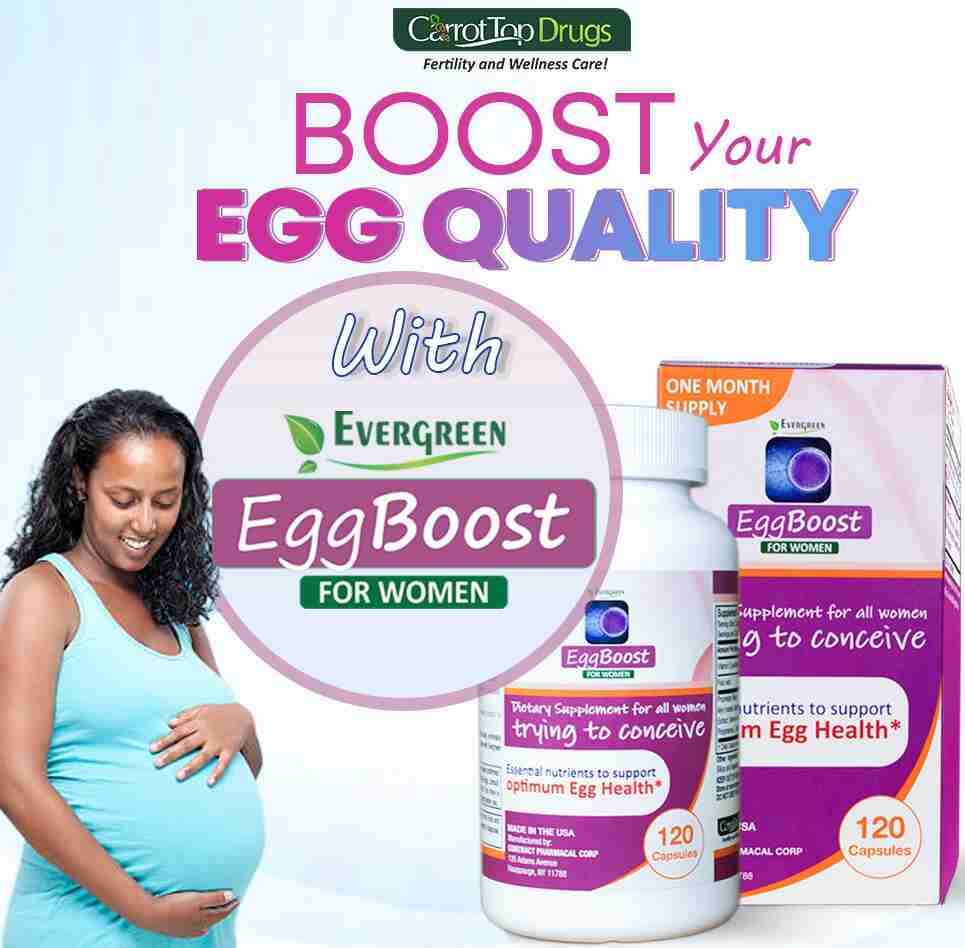
Carrot Top Drugs specialises in making fertility-based supplements. It is one of the leading companies in Nigerian that creates and distributes fertility-based supplements that are approved both of FDA and NAFDAC. One of the supplements in high demand is Evergreen Eggboost for Women.
Evergreen Eggboost contains several nutrients and antioxidants, including melatonin.
Conclusion
The role of melatonin in fertility is supported by growing scientific evidence. Melatonin contributes to reproductive health by protecting eggs and sperm from oxidative damage, supporting hormonal balance, improving outcomes in assisted reproduction, and enhancing sleep quality.
While melatonin supplementation shows promise—particularly in ART—it should be used cautiously and as part of a comprehensive fertility care plan under professional supervision.
Frequently Asked Questions (FAQs)
- What is the role of melatonin in fertility?
Melatonin supports reproductive health through antioxidant protection and by influencing hormone regulation. - How does melatonin affect female fertility?
Melatonin may improve oocyte quality, reduce oxidative stress in ovarian follicles, and support embryo quality. - Can melatonin supplements improve fertility?
Studies indicate melatonin can improve ART outcomes, though results vary and clinical consultation is essential. - What is the role of melatonin in male fertility?
Melatonin’s antioxidant actions may protect sperm quality and support spermatogenesis. - How much melatonin is necessary for fertility?
Research doses vary, commonly between 2–5 mg per day, but medical advice is crucial. - Is melatonin safe during pregnancy?
Safety data in pregnancy are limited; therefore, any use should be discussed with a healthcare provider. - Does melatonin help with sleep-related fertility issues?
Yes—improving sleep quality can benefit reproductive hormone balance and overall fertility.