
Introduction
Did you know that up to 50% of pregnancy losses are attributed to issues related to egg health? For many women in Nigeria trying to conceive, understanding the intricacies of egg quality can be a crucial step towards a successful pregnancy.
When it comes to your fertility journey, egg quality plays a pivotal role. Research suggests that poor egg quality is a significant contributor to pregnancy loss, making it essential to comprehend the factors that influence it.

As you navigate your path to parenthood, being informed about the potential risks associated with poor egg quality can help you make informed decisions about your reproductive health.
Key Takeaways
- Egg quality significantly impacts pregnancy success.
- Poor egg quality is linked to an increased risk of pregnancy loss.
- Understanding egg quality can inform your fertility decisions.
- Factors influencing egg quality are multifaceted.
- Awareness of egg quality can empower your fertility journey.
Understanding Egg Quality and Its Importance
The quality of your eggs is a critical factor in fertility and pregnancy outcomes. Egg quality refers to the ability of an egg to be fertilized and develop into a healthy embryo. As you explore the complexities of conception, understanding what defines a healthy egg becomes essential.
What Defines a Healthy Egg?
A healthy egg has the right number of chromosomes and is capable of being fertilized. The egg’s quality is influenced by various factors, including the age of the woman and her overall health. A high-quality egg is crucial for successful conception and the development of a healthy embryo.
The Role of Eggs in Conception and Early Embryo Development
Eggs play a vital role in conception, as they provide half of the genetic material necessary for the formation of an embryo. The quality of the egg can significantly impact the success of fertilization and the subsequent development of the embryo. As noted by fertility experts, “The egg is the foundation upon which a healthy pregnancy is built.”
Why Egg Quality Matters More Than Quantity
While having a large number of eggs might seem advantageous, it’s the quality of those eggs that truly matters. Even with a lower egg count, if the eggs are of high quality, the chances of successful conception and a healthy pregnancy are significantly improved. Quality trumps quantity when it comes to egg health and fertility.
Understanding the importance of egg quality can help you make informed decisions about your fertility journey. By focusing on what makes an egg healthy and how it contributes to conception and embryo development, you can better navigate the challenges of fertility.
The Relationship Between Oocyte Quality and Miscarriage
Miscarriage and oocyte quality are closely intertwined, with the latter being a critical factor in pregnancy loss. The quality of an oocyte, or egg cell, is fundamental to the development of a healthy embryo. When oocyte quality is compromised, the risk of miscarriage increases significantly.
How Chromosomal Abnormalities Lead to Pregnancy Loss
Chromosomal abnormalities are a major contributor to pregnancy loss. Eggs of poor quality are more likely to have chromosomal errors, which can lead to miscarriage. Research has shown that chromosomal abnormalities account for a significant percentage of miscarriages, especially during the early stages of pregnancy.
“The majority of miscarriages occur due to chromosomal abnormalities in the embryo,” highlighting the critical role of oocyte quality in determining pregnancy outcomes.
Recurrent Pregnancy Loss: The Egg Quality Connection
Recurrent pregnancy loss, defined as two or more consecutive miscarriages, is often linked to issues with egg quality. Women experiencing recurrent pregnancy loss may benefit from an evaluation of their oocyte quality. Understanding the connection between egg quality and recurrent miscarriage can help in developing targeted interventions to support women at risk.
In conclusion, the relationship between oocyte quality and miscarriage is well-established, with chromosomal abnormalities being a key factor. By understanding this connection, women can take proactive steps to assess and potentially improve their egg quality, thereby reducing the risk of miscarriage.
Age and Its Impact on Egg Quality
Your age can significantly influence the quality of your eggs, making it a vital consideration for pregnancy. As you get older, the quality and quantity of your eggs decline, affecting your chances of conception.
The Biological Clock: Understanding Age-Related Egg Decline
A woman is born with a finite number of eggs, and as she ages, the remaining eggs are more likely to have chromosomal abnormalities. This age-related decline in egg quality is a significant factor in reduced fertility.
Pregnancy Outcomes at Different Ages
Pregnancy outcomes vary significantly with age. Women under 35 generally have better egg quality, leading to higher success rates with pregnancy. As you approach your mid-to-late 30s, the chances of miscarriage and chromosomal abnormalities increase.
Nigerian Cultural Perspectives on Maternal Age
In Nigeria, cultural perceptions of maternal age can influence family planning decisions. Understanding these cultural nuances is essential for healthcare providers to offer appropriate counselling and support.
By being aware of how age impacts egg quality, you can make informed decisions about your reproductive health.
Key Factors That Affect Your Egg Quality
Several key factors can significantly impact your egg quality, affecting your fertility and overall reproductive health. Understanding these factors is essential for making informed decisions about your fertility.
Lifestyle Influences: Diet, Exercise, and Stress
Your lifestyle choices play a significant role in determining your egg quality. A diet rich in antioxidants, vitamins, and minerals can enhance egg quality, while a diet high in processed foods and sugars can have a negative impact. Regular exercise is also beneficial as it improves blood flow to the reproductive organs and helps maintain a healthy weight, both of which are crucial for optimal egg quality. However, excessive exercise can have the opposite effect, potentially disrupting hormonal balance. Stress is another critical factor; chronic stress can lead to hormonal imbalances that may affect egg quality.
Environmental Factors in Nigerian Urban and Rural Settings
The environment you live in can also affect your egg quality. In Nigeria, both urban and rural environments present unique challenges. Urban areas are often characterized by higher levels of pollution, which can negatively impact egg quality. On the other hand, rural areas might have different environmental exposures, such as pesticides and heavy metals from agricultural activities. Understanding these environmental factors can help you take steps to minimize exposure and protect your reproductive health.
Medical Conditions That Impact Egg Quality
Certain medical conditions can significantly impact your egg quality. These include hormonal imbalances and disorders that affect reproductive health.
PCOS and Endometriosis
Polycystic Ovary Syndrome (PCOS) and endometriosis are two conditions known to affect egg quality. PCOS is associated with hormonal imbalances that can disrupt ovulation, while endometriosis can lead to inflammation and scarring in the reproductive organs, potentially impairing egg quality.
Thyroid Disorders and Autoimmune Conditions
Thyroid disorders, such as hypothyroidism and hyperthyroidism, can also impact egg quality by affecting hormonal balance. Autoimmune conditions, where the body’s immune system mistakenly attacks its own tissues, can further complicate reproductive health by potentially affecting the ovaries and egg quality.
Recognizing Signs of Poor Egg Quality
As you navigate your fertility journey, it’s essential to be aware of the indicators of poor egg quality. Understanding these signs can help you identify potential issues early on.
Clinical Indicators and Symptoms
Poor egg quality can manifest through various clinical indicators and symptoms. Some of these include:
- Irregular menstrual cycles or amenorrhea
- Difficulty conceiving or experiencing recurrent miscarriages
- Advanced maternal age (typically over 35 years)
Fertility Challenges That Suggest Egg Quality Issues
Fertility challenges can often be linked to egg quality. If you’re experiencing:
- Failed IVF cycles
- Repeated failed embryo implantations
- High rates of aneuploid embryos
it may be worth exploring the possibility of poor egg quality.
When to Seek Medical Evaluation
If you’re experiencing difficulty conceiving or have a history of recurrent miscarriages, it’s advisable to seek medical evaluation. In Nigeria, you can consult with fertility specialists at reputable hospitals or clinics.
“Seeking medical evaluation early on can significantly improve your chances of addressing underlying fertility issues.”
Be prepared to discuss your medical history, lifestyle, and any symptoms you’re experiencing to help your healthcare provider assess your egg quality.
Diagnostic Tests for Assessing Egg Quality
Diagnostic tests are essential for evaluating egg quality, helping you understand your fertility better. These tests provide valuable insights into your reproductive health, enabling you to make informed decisions about your fertility journey.
Hormonal Testing Options Available
Hormonal testing is a critical component of assessing egg quality. It involves measuring the levels of specific hormones in your blood that are directly related to ovarian function.
AMH, FSH, and Estradiol Testing
Three key hormonal tests used to evaluate egg quality are Anti-Müllerian Hormone (AMH), Follicle-Stimulating Hormone (FSH), and Estradiol testing.
- AMH Testing: AMH levels indicate the size of your ovarian reserve. Low AMH levels may suggest a reduced egg count.
- FSH Testing: FSH levels help assess how well your ovaries are functioning. High FSH levels can indicate poor ovarian function.
- Estradiol Testing: Estradiol levels provide insights into your ovarian function and the quality of your eggs.
Antral Follicle Count
Antral Follicle Count (AFC) is another diagnostic tool used to assess egg quality. It involves counting the number of antral follicles in your ovaries through ultrasound.
| Diagnostic Test | Purpose | What It Indicates |
| AMH Testing | Measures ovarian reserve | Low levels may indicate reduced egg count |
| FSH Testing | Assesses ovarian function | High levels can indicate poor ovarian function |
| Estradiol Testing | Evaluates ovarian function and egg quality | Provides insights into ovarian function |
| Antral Follicle Count | Counts antral follicles in ovaries | Indicates the number of remaining eggs |
Advanced Diagnostic Methods
Apart from hormonal testing, advanced diagnostic methods such as genetic testing of embryos can provide further insights into egg quality and viability.
“Genetic testing of embryos can significantly improve the chances of a successful pregnancy by identifying chromosomally normal embryos.” – Dr. Jane Smith, Fertility Specialist
Interpreting Your Test Results
Understanding your diagnostic test results is crucial. Consult with a fertility specialist to interpret your results and discuss potential next steps in your fertility journey.

Natural Ways to Improve Your Egg Quality
Enhancing your egg quality can be achieved through a combination of nutritional strategies, lifestyle modifications, and evidence-based supplements. By adopting a holistic approach, you can significantly improve your reproductive health and increase your chances of a successful pregnancy.
Nutritional Strategies Using Locally Available Foods
A well-balanced diet rich in essential nutrients is crucial for maintaining healthy eggs. Certain foods are particularly beneficial for fertility.
Essential Nutrients for Egg Health
Egg health is closely linked to the intake of specific nutrients. Omega-3 fatty acids, antioxidants, and folate are particularly important. These nutrients help in reducing oxidative stress and improving the overall quality of eggs.
- Omega-3 fatty acids: Found in fish, flaxseeds, and walnuts, these healthy fats support hormone production and overall reproductive health.
- Antioxidants: Foods rich in antioxidants, such as berries, leafy greens, and other fruits and vegetables, help protect eggs from damage caused by free radicals.
- Folate: This B vitamin is crucial for preventing chromosomal abnormalities in eggs. Include folate-rich foods like leafy greens, beans, and citrus fruits in your diet.
Nigerian Superfoods for Fertility
Nigeria is home to a variety of nutrient-dense foods that can boost fertility. Incorporating these superfoods into your diet can have a positive impact on your egg quality.
“A diet rich in local superfoods can significantly enhance fertility. Foods like ugu (a type of leafy green), mkpangiri (a nutrient-rich seed), and various fruits are not only delicious but also packed with nutrients essential for reproductive health.”
Lifestyle Modifications That Make a Difference
In addition to dietary changes, certain lifestyle adjustments can also improve egg quality. Maintaining a healthy weight, managing stress, and avoiding harmful substances are crucial.
- Maintaining a healthy weight: Being overweight or underweight can negatively affect egg quality. Regular exercise and a balanced diet can help achieve and maintain a healthy weight.
- Managing stress: High levels of stress can disrupt hormonal balance. Engage in stress-reducing activities like yoga, meditation, or deep breathing exercises.
- Avoiding harmful substances: Limit exposure to toxins, avoid smoking, and reduce alcohol consumption to protect your eggs from damage.
Evidence-Based Supplements That Support Egg Quality
While diet and lifestyle are foundational, certain supplements can provide additional support for egg health.
Coenzyme Q10 and Other Antioxidants
Coenzyme Q10 (CoQ10) is a powerful antioxidant that plays a critical role in energy production within cells, including eggs. Supplementing with CoQ10 can improve egg quality by reducing oxidative stress.
Vitamins and Minerals for Oocyte Health
Certain vitamins and minerals are essential for maintaining healthy eggs. Vitamin D, magnesium, and zinc are particularly important for reproductive health. Ensure you’re getting adequate amounts of these nutrients through your diet or supplements.
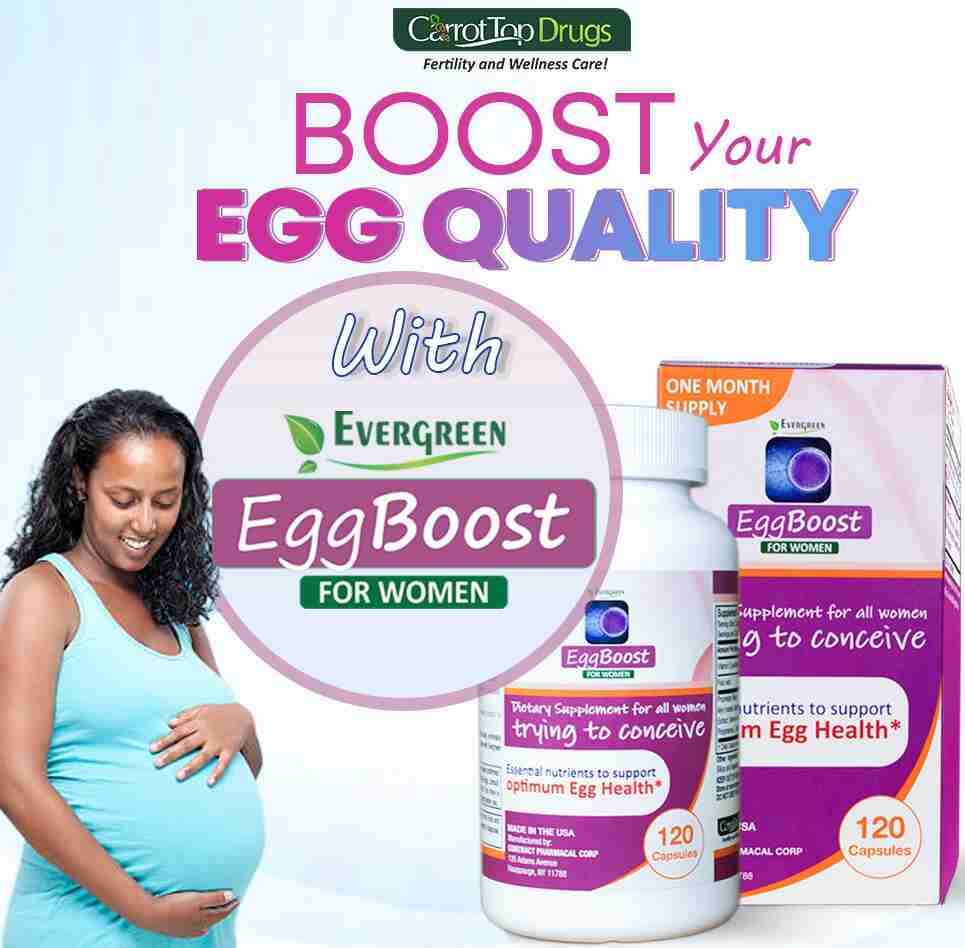
All these nutrients are found in our Evergreen Formula for Women and Evergreen Eggboost.
Medical Interventions for Poor Egg Quality
When facing challenges with poor egg quality, several medical interventions can be considered to improve your chances of a successful pregnancy. These interventions range from fertility treatments available within the Nigerian healthcare system to advanced reproductive technologies.
Fertility Treatments Available in the Nigerian Healthcare System
Nigeria offers various fertility treatments that can help address poor egg quality. These include medications to stimulate ovulation and improve egg quality. Your healthcare provider may recommend treatments based on your specific condition and medical history.
Advanced Reproductive Technologies
Advanced reproductive technologies (ART) have revolutionized the treatment of infertility related to poor egg quality. Two significant ART options are IVF and ICSI.
IVF and ICSI Options
IVF (In Vitro Fertilization) involves fertilizing an egg with sperm outside the body, and then transferring the embryo to the uterus. ICSI (Intracytoplasmic Sperm Injection) is a specialized form of IVF that involves injecting a single sperm into an egg. Both procedures have high success rates in achieving pregnancy, even with poor egg quality.
Egg Freezing Considerations
Egg freezing, or oocyte cryopreservation, is an option for women who wish to preserve their eggs for future use. This can be particularly relevant for those with poor egg quality who may want to consider using their frozen eggs in IVF or ICSI procedures later.
When to Consider Donor Eggs
If your egg quality is severely compromised, using donor eggs may be a viable option. Donor eggs are typically sourced from younger women with healthy eggs, increasing the chances of a successful pregnancy.
Navigating Treatment Costs and Insurance Coverage
| Treatment | Average Cost in Nigeria (₦) | Insurance Coverage |
| IVF | 1,500,000 – 3,000,000 | Partially covered |
| ICSI | 2,000,000 – 4,000,000 | Partially covered |
| Egg Freezing | 1,000,000 – 2,500,000 | Not typically covered |
Understanding the costs associated with fertility treatments and checking your insurance coverage is crucial. Costs can vary significantly depending on the treatment and location. Some insurance plans may cover certain fertility treatments, so it’s essential to review your policy.
Conclusion
Understanding the link between egg quality and pregnancy loss empowers you to take control of your fertility journey. By recognizing the factors that affect oocyte quality and miscarriage, you can make informed decisions about your reproductive health.
Egg quality plays a crucial role in conception and early embryo development. Addressing issues related to egg quality can significantly improve your chances of a successful pregnancy.
FAQ
What is the relationship between oocyte quality and miscarriage?
Research has shown that poor oocyte quality is a significant contributor to miscarriage, as it can lead to chromosomal abnormalities in the embryo.
How does age affect egg quality and fertility?
As you age, the quality and quantity of your eggs decline, making it more challenging to conceive and increasing the risk of miscarriage.
What lifestyle factors can impact egg quality?
Factors such as diet, exercise, stress, and exposure to environmental toxins can all impact egg quality, and making healthy lifestyle choices can help support egg health.
What are the signs of poor egg quality?
Clinical indicators and symptoms may include difficulty conceiving, recurrent miscarriage, and irregular menstrual cycles.
What diagnostic tests are available to assess egg quality?
Hormonal testing options, such as AMH, FSH, and estradiol testing, as well as antral follicle count, can help assess egg quality.
Are there natural ways to improve egg quality?
Yes, nutritional strategies, lifestyle modifications, and evidence-based supplements can all help support egg quality.
What medical interventions are available for poor egg quality?
Fertility treatments, such as IVF and ICSI, as well as egg freezing and donor eggs, may be options to consider.
How can I interpret my test results, and what do they mean for my fertility?
Understanding your test results can help you and your healthcare provider make informed decisions about your fertility treatment options.