Introduction
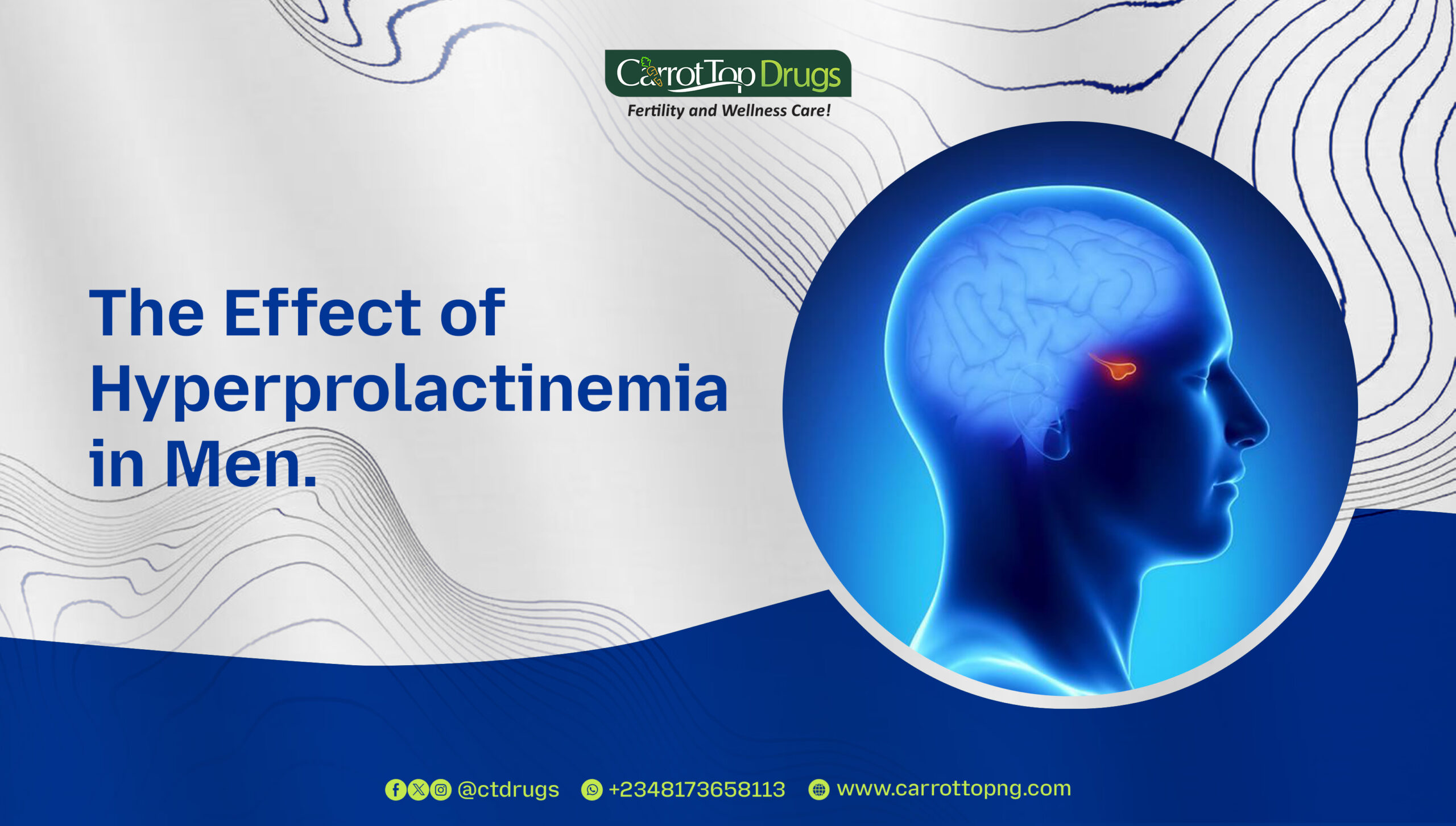
Hyperprolactinemia, a condition characterized by elevated prolactin levels in the blood, is a significant yet often overlooked endocrine disorder in men. While prolactin is primarily associated with lactation in women, it also plays a regulatory role in male reproductive health. In men, hyperprolactinemia disrupts the hypothalamic-pituitary-gonadal (HPG) axis, leading to suppressed gonadotropin-releasing hormone (GnRH) secretion and, consequently, reduced luteinizing hormone (LH) and follicle-stimulating hormone (FSH) production. This hormonal imbalance results in hypogonadotropic hypogonadism, manifesting as low testosterone levels, sexual dysfunction, and infertility.
The clinical implications of hyperprolactinemia in men extend beyond reproductive health, affecting bone density, muscle mass, and psychological well-being. Despite its prevalence, diagnosis is frequently delayed due to nonspecific symptoms such as decreased libido, erectile dysfunction, and gynecomastia.
Relevant Statistics of Hyperprolactinemia in Men and Its Effect on Testosterone
Globally, hyperprolactinemia affects less than 1% of the general population, but among men with infertility, prevalence rises to approximately 11%. Prolactinomas, the most common pathological cause, account for nearly 40% of all pituitary adenomas, with a higher incidence in women but significant morbidity in men due to delayed diagnosis. In Africa, epidemiological data remain scarce, but studies suggest that pituitary adenomas, including prolactinomas, are underdiagnosed due to limited access to endocrine testing and neuroimaging.
A study on male infertility in Nigerian clinics reported that hyperprolactinemia was present in 8.1% of cases, with many patients exhibiting severe hypogonadism due to prolonged, untreated hormonal imbalance. The condition’s impact on testosterone is profound, with studies showing that prolactin levels above 50 ng/mL correlate strongly with suppressed testosterone production and impaired spermatogenesis.
Risk Factors for Hyperprolactinemia in Men
Several factors predispose men to hyperprolactinemia, including:
1. Pituitary Tumors (Prolactinomas) – The most common cause, with macroadenomas (>1 cm) more likely to cause significant hormonal disruption.
2. Medications – Dopamine antagonists (e.g., antipsychotics, antiemetics) and opioids elevate prolactin by inhibiting hypothalamic dopamine.
3. Chronic Kidney Disease (CKD) – Reduced prolactin clearance leads to elevated serum levels.
4. Hypothyroidism – Increased thyrotropin-releasing hormone (TRH) stimulates prolactin secretion.
5. Liver Cirrhosis – Impaired hormone metabolism contributes to hyperprolactinemia.
6. Chest Wall Trauma or Neurogenic Stimulation – Conditions like herpes zoster or spinal cord injuries can reflexively increase prolactin.
7. Genetic Factors – Mutations in prolactin receptor genes or multiple endocrine neoplasia type 1 (MEN1) increase susceptibility.
Causes of Hyperprolactinemia in Men
1. Prolactinomas
Prolactin-secreting pituitary adenomas are the leading pathological cause of hyperprolactinemia in men. These tumors autonomously produce prolactin, bypassing normal hypothalamic inhibitory control. Macroprolactinomas (>1 cm) often present with mass effects such as headaches and visual disturbances, whereas microprolactinomas (<1 cm) primarily manifest through hormonal symptoms.
The mechanism by which prolactinomas suppress testosterone involves disrupted GnRH pulsatility. Elevated prolactin inhibits kisspeptin neurons in the hypothalamus, reducing GnRH release and subsequently LH and FSH secretion. This leads to Leydig cell dysfunction and diminished testosterone synthesis. Unlike in women, where menstrual irregularities prompt early diagnosis, men often present late with advanced hypogonadism and infertility.
2. Medication-Induced Hyperprolactinemia
Pharmacological agents, particularly dopamine antagonists, are a major iatrogenic cause of hyperprolactinemia in men. Antipsychotics (e.g., risperidone, haloperidol) and antiemetics (e.g., metoclopramide) block dopamine D2 receptors in the pituitary, disinhibiting prolactin secretion. Opioids and antidepressants (e.g., SSRIs) also contribute, though typically to a milder degree.
The resulting hyperprolactinemia suppresses the HPG axis, leading to hypogonadism. Studies indicate that medication-induced prolactin elevation often ranges between 25-100 ng/mL, but certain drugs like risperidone can exceed 200 ng/mL, exacerbating testosterone deficiency. Management involves switching to prolactin-sparing alternatives or adding dopamine agonists if discontinuation is not feasible.
Complications of Hyperprolactinemia on Men’s Testosterone
1. Hypogonadism and Sexual Dysfunction
Hyperprolactinemia in men directly suppresses testosterone production by interfering with the hypothalamic-pituitary-gonadal (HPG) axis. Elevated prolactin inhibits the pulsatile secretion of gonadotropin-releasing hormone (GnRH), leading to reduced luteinizing hormone (LH) and follicle-stimulating hormone (FSH) release. Consequently, Leydig cells in the testes fail to produce adequate testosterone, resulting in hypogonadotropic hypogonadism.
The clinical manifestations of this hormonal imbalance include diminished libido, erectile dysfunction, and reduced semen volume. Studies suggest that prolactin levels exceeding 50 ng/mL correlate strongly with severe testosterone deficiency, often necessitating hormonal intervention. Unlike primary hypogonadism, where testicular failure occurs, hyperprolactinemia-induced hypogonadism is reversible if prolactin levels are normalized, highlighting the importance of early diagnosis and treatment.
2. Infertility and Impaired Spermatogenesis
Testosterone plays a crucial role in spermatogenesis, and its deficiency due to hyperprolactinemia in men can lead to oligospermia or even azoospermia. Prolactin receptors are present in the testes, and excessive prolactin disrupts Sertoli cell function, further impairing sperm production. Additionally, low testosterone reduces seminal fluid volume and sperm motility, compounding fertility challenges.
Research indicates that men with untreated hyperprolactinemia exhibit significantly lower sperm counts compared to those with normal prolactin levels. Dopamine agonist therapy, which lowers prolactin, has been shown to restore testosterone and improve semen parameters in many cases. However, prolonged exposure to high prolactin may cause irreversible testicular damage, emphasizing the need for timely intervention in men presenting with infertility.
Management of Hyperprolactinemia in Men
The treatment of hyperprolactinemia in men depends on the underlying cause, with the primary goals being prolactin normalization, testosterone restoration, and resolution of symptoms. The following approaches are commonly employed:
1. Dopamine Agonist Therapy
First-line treatment for prolactinomas and idiopathic hyperprolactinemia involves dopamine agonists such as cabergoline and bromocriptine. These drugs mimic dopamine’s inhibitory effect on prolactin secretion, effectively shrinking pituitary tumors and restoring hormonal balance. Cabergoline is preferred due to its longer half-life and better tolerability, with studies demonstrating prolactin normalization in over 80% of cases.
2. Testosterone Replacement Therapy (TRT)
In men with symptomatic hypogonadism, testosterone replacement may be necessary while awaiting prolactin control. However, TRT alone does not address the root cause and may suppress residual gonadotropin secretion. Therefore, it is typically used adjunctively with dopamine agonists in severe cases.
3. Surgical and Radiological Interventions
Transsphenoidal surgery is considered for drug-resistant prolactinomas or cases with significant mass effects (e.g., vision loss). Radiation therapy is reserved for aggressive or recurrent tumors, though it carries risks of hypopituitarism.
4. Medication Review and Alternative Therapies
For drug-induced hyperprolactinemia, switching to prolactin-sparing alternatives (e.g., aripiprazole instead of risperidone) is ideal. If discontinuation is not possible, low-dose dopamine agonists may be used under careful monitoring.
Conclusion
Hyperprolactinemia in men is a clinically significant yet often underdiagnosed condition that profoundly impacts testosterone levels, leading to hypogonadism, sexual dysfunction, and infertility. Early recognition and intervention are crucial to prevent long-term complications. While dopamine agonists remain the cornerstone of treatment, individualized approaches—including surgery, testosterone therapy, and medication adjustments—are essential for optimal outcomes. Increased awareness and improved diagnostic access, particularly in regions such as Africa and Nigeria, are necessary to effectively address this overlooked endocrine disorder.
FAQs
1. What are the most common symptoms of hyperprolactinemia in men?
Symptoms include low libido, erectile dysfunction, infertility, gynecomastia, and sometimes headaches or vision changes (if caused by a pituitary tumor).
2. How is hyperprolactinemia diagnosed?
Diagnosis involves measuring serum prolactin levels, with MRI of the pituitary gland if a tumor is suspected.
3. Can hyperprolactinemia be cured?
Yes, most cases are treatable with dopamine agonists, though some prolactinomas may require surgery.
4. Does hyperprolactinemia always cause low testosterone?
Not always, but significant prolactin elevation (>50 ng/mL) typically suppresses testosterone production.
5. Are there natural ways to lower prolactin?
Lifestyle changes (stress reduction, adequate sleep) may help mildly elevated levels, but medical treatment is usually necessary.
6. Can hyperprolactinemia recur after treatment?
Yes, particularly if medication is stopped abruptly or if a pituitary tumor regrows.
7. Is hyperprolactinemia linked to bone loss in men?
Yes, chronic low testosterone from hyperprolactinemia increases osteoporosis risk, necessitating bone density monitoring.