
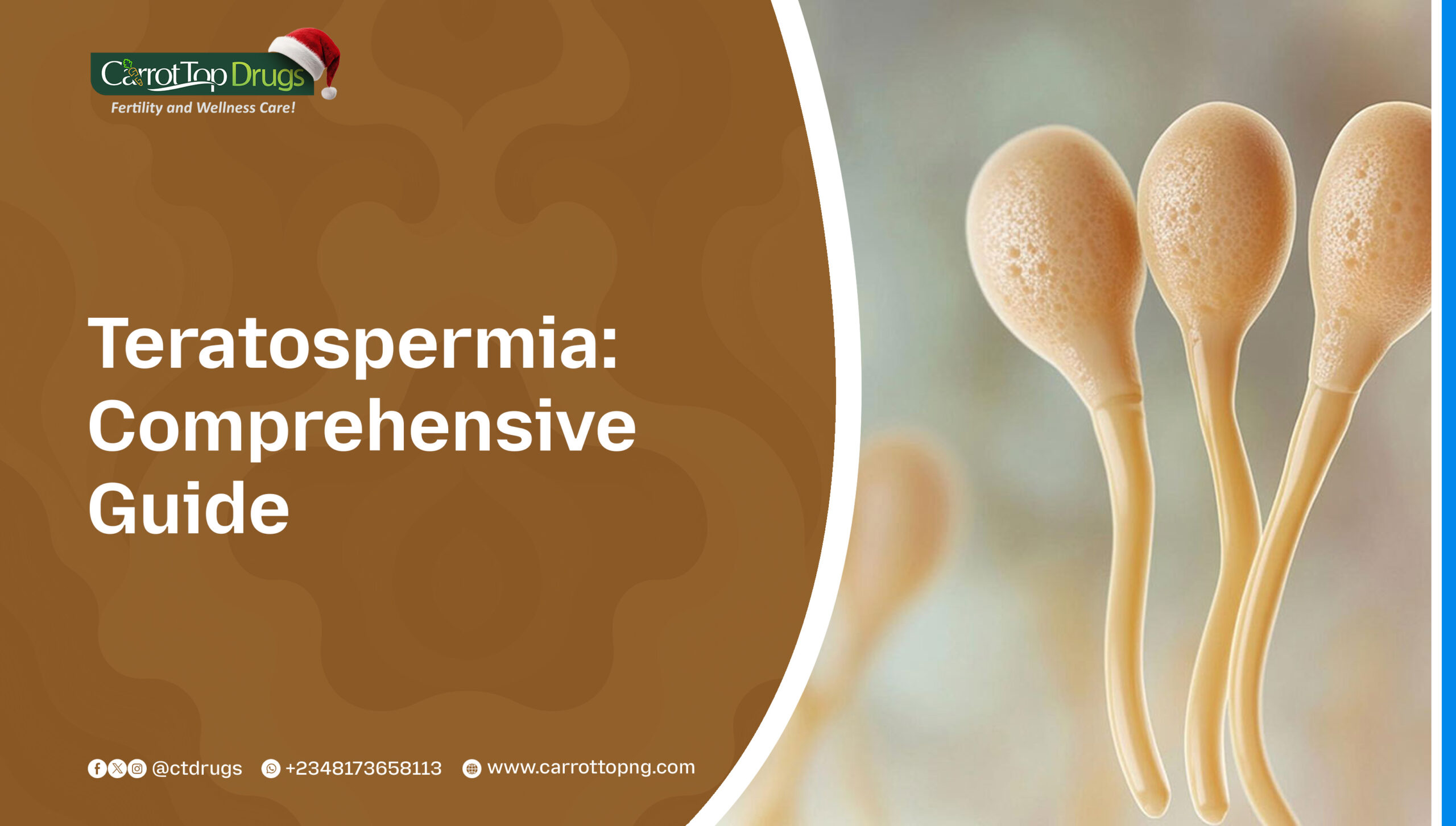
Teratospermia
Introduction
Male infertility affects many couples trying to conceive. Sperm quality is crucial in determining fertility. Among common sperm abnormalities, teratospermia is significant. In this condition, many sperm have abnormal shapes. Fertility testing often focuses on sperm motility and count. However, sperm morphology is just as vital for fertilization. Teratospermia makes conception difficult because abnormally shaped sperm struggle to fertilize an egg.
Definition of Teratospermia
Teratospermia, or teratozoospermia, is a condition where many sperm have abnormal shapes. Healthy sperm have an oval head. They also have a midpiece containing mitochondria and a tail for efficient swimming. However, in teratospermia, many sperm have irregular shapes, such as deformed heads or twisted necks. Some may even have multiple tails. These abnormalities reduce the sperm’s ability to fertilize an egg. Consequently, conception becomes more difficult for affected individuals.
Statistics of Incidence
The prevalence of teratospermia varies, but it is a relatively common condition among men experiencing infertility. Research suggests that approximately 20% of men diagnosed with infertility have abnormal sperm morphology, with teratospermia being one of the primary causes. According to the World Health Organization (WHO), a healthy sperm sample should contain more than 4% sperm with normal morphology. When the percentage of normal sperm is below this threshold, it can significantly affect fertility.
While teratospermia is not the sole cause of male infertility, it can contribute to difficulties in conception, particularly when combined with other sperm abnormalities like low sperm count or poor motility.
Symptoms of Teratospermia
Teratospermia usually has no visible symptoms. Most men with this condition show no obvious signs of fertility issues. However, the primary symptom is infertility. This is often evident when conception fails after a year of unprotected intercourse. Sperm morphology is vital for fertilization, so abnormally shaped sperm can hinder pregnancy.
Many men with teratospermia have normal testosterone levels, libido, and sexual function. Thus, the condition does not affect sexual performance. When fertility concerns arise, a sperm analysis is essential. This test evaluates sperm morphology, count, and motility to identify potential problems.
Complications of Teratospermia
While teratospermia is primarily a concern for male fertility, it can also have broader implications, particularly in the context of assisted reproductive technologies (ART). The following are potential complications of teratospermia:
1. Infertility or Difficulty Conception
The most significant complication of teratospermia is infertility or difficulty conceiving naturally. Sperm with abnormal morphology may be unable to penetrate and fertilize an egg, which can delay or prevent pregnancy. For many men with teratospermia, assisted reproductive technologies like intrauterine insemination (IUI) or IVF with ICSI may be necessary to achieve a successful pregnancy.
2. Increased Risk of Genetic Abnormalities
There is some evidence suggesting that sperm with abnormal morphology may carry an increased risk of genetic defects. While teratospermia itself does not necessarily indicate a genetic disorder, studies have shown that sperm with structural abnormalities may have higher rates of DNA fragmentation. This could potentially increase the risk of genetic issues in offspring. In cases where assisted reproductive technologies are used, sperm DNA testing may be recommended to ensure the best possible outcome for both the mother and child.
Diagnosis of Teratospermia
The diagnosis of teratozoospermia is typically made through a semen analysis, which evaluates the quantity, motility, and morphology of sperm. A semen analysis is the primary diagnostic tool for male infertility and is usually performed when a couple has been struggling with conception for over a year. The following steps are typically involved in diagnosing teratospermia:
1. Semen Analysis
A semen sample is collected and analyzed under a microscope to assess sperm count, motility (movement), and morphology (shape). A healthy semen sample typically contains at least 4% of sperm with normal morphology, as per WHO guidelines. When this percentage drops below 4%, it is classified as teratospermia. The sperm’s shape is evaluated based on its head, midpiece, and tail, and any abnormalities are recorded.
2. Additional Testing
If doctors diagnose teratospermia, they may recommend additional tests. These tests help rule out other infertility causes. For example, hormone evaluations check for hormonal imbalances. Additionally, genetic testing searches for inherited conditions. Moreover, imaging studies assess the reproductive organs’ health. In some cases, doctors perform advanced sperm tests. For instance, sperm DNA fragmentation testing evaluates sperm quality and genetic risks.
Causes of Teratospermia
Teratospermia can be caused by a variety of factors, both genetic and environmental. Understanding the underlying causes of teratozoospermia is essential for effective management. Below are the most common causes of teratospermia:
1. Genetic Factors
Genetic factors can play a significant role in teratospermia. In some cases, men inherit genes that predispose them to abnormal sperm morphology. These genetic conditions may include Klinefelter syndrome, a chromosomal abnormality where men have an extra X chromosome, or Y-chromosome microdeletions, which affect sperm production. Genetic abnormalities can lead to a high percentage of abnormally shaped sperm, reducing fertility.
Genetic conditions that cause teratozoospermia can result in sperm with irregular shapes, such as overly large heads, multiple tails, or misshapen midpieces. Men with genetic conditions often have lower sperm counts and may experience other fertility issues, including reduced motility and poor sperm quality. In some cases, assisted reproductive technologies such as IVF with ICSI can help overcome these genetic challenges.
2. Lifestyle Factors
Environmental factors and lifestyle choices are significant contributors to teratospermia. Exposure to environmental toxins such as pesticides, heavy metals, and chemicals can negatively impact sperm morphology. Similarly, poor lifestyle choices like smoking, excessive alcohol consumption, and drug use have been shown to damage sperm quality and lead to morphological abnormalities.
Toxins and unhealthy habits can damage the sperm’s genetic material, leading to abnormal shapes and impaired function. Smoking, for example, has been linked to reduced sperm motility and morphology, while alcohol use can disrupt hormonal balance, further impairing sperm health. Addressing lifestyle factors through changes like quitting smoking, reducing alcohol intake, and avoiding chemical exposure can improve sperm quality and reduce the impact of teratozoospermia.
3. Medical Conditions
Certain medical conditions can lead to teratospermia by affecting sperm production and quality. Conditions like varicocele (an enlargement of the veins in the scrotum), infections, and hormonal imbalances can all contribute to sperm abnormalities. Infections like epididymitis or prostatitis can impact sperm production and lead to morphological changes.
Varicocele, for example, can cause an increase in scrotal temperature, impairing sperm production and leading to abnormal sperm shapes. Hormonal imbalances, such as low testosterone levels, can also result in poor sperm quality, including abnormalities in morphology. Treating the underlying medical condition often helps improve sperm health, though in some cases, assisted reproductive techniques may still be necessary.
4. Age
As men age, sperm quality and morphology tend to decline. Although men can produce sperm throughout their lives, sperm count, motility, and morphology are generally better in younger men. Older men may produce sperm with more abnormalities, including teratospermia. Advanced paternal age has been linked to a higher risk of genetic abnormalities in sperm, which may contribute to fertility challenges.
Older men are more likely to have sperm with abnormal morphology and reduced motility, making it more difficult to conceive naturally. While assisted reproductive technologies can help older men with fertility issues, teratospermia may still reduce the success rates of treatments like IVF.
Management of Teratospermia
Managing teratospermia involves addressing the underlying causes and exploring fertility treatment options. Below are the primary management strategies for teratozoospermia:
1. Lifestyle Modifications
One of the first steps in managing teratospermia is improving lifestyle factors. Men should avoid smoking, limit alcohol consumption, and adopt a healthy diet rich in antioxidants, vitamins, and minerals that promote sperm health. Reducing exposure to environmental toxins and maintaining a healthy weight can also help improve sperm quality.
Making positive lifestyle changes can improve sperm morphology and overall fertility. A healthy diet, exercise, and reducing exposure to harmful substances can boost sperm quality, potentially reducing the percentage of abnormal sperm. In many cases, lifestyle changes may be enough to improve fertility without the need for advanced treatments.
2. Medical Treatment
For men with teratospermia caused by underlying medical conditions, treating the root cause can improve sperm morphology. For example, varicocele repair surgery may help improve sperm quality in men with varicoceles, while hormone therapy may correct hormonal imbalances that affect sperm production. Supplements like Evergreen Formular for Men can help with regulating men’s hormones.
Addressing medical conditions like varicocele, infections, or hormonal imbalances can improve sperm morphology and function. However, in cases where teratospermia persists despite medical treatment, assisted reproductive technologies may be necessary to achieve conception.
3. Assisted Reproductive Technologies (ART)
For men with severe teratospermia, assisted reproductive technologies (ART) like IVF with ICSI (intracytoplasmic sperm injection) can significantly increase the chances of conception. ICSI allows a single sperm to be injected directly into an egg, bypassing sperm motility and morphology issues.
ART can help couples with male infertility caused by teratospermia achieve pregnancy. ICSI has revolutionized fertility treatments by providing a solution for men with abnormal sperm morphology, offering a higher success rate for fertilization and pregnancy.
Conclusion
Teratospermia is a major cause of male infertility. It involves abnormally shaped sperm that hinder fertilization. Although it does not always lead to infertility, it reduces the chances of natural conception. Medical intervention or assisted reproductive technologies may be necessary. Understanding its causes and treatment options helps men manage fertility challenges. This knowledge can also improve their chances of having a child.
Relevant FAQs
1. What is teratospermia?
Teratospermia is a condition where a large proportion of sperm have abnormal shapes, which can affect male fertility and make it more difficult to conceive naturally.
2. How is teratospermia diagnosed?
Teratospermia is diagnosed through a semen analysis, which assesses sperm morphology, count, and motility. A low percentage of sperm with normal morphology indicates teratozoospermia.
3. What are the causes of teratospermia?
Causes of teratospermia include genetic factors, lifestyle choices (such as smoking and alcohol consumption), medical conditions like varicocele and infections, and advanced age.
4. Can lifestyle changes help manage teratospermia?
Yes, lifestyle changes like quitting smoking, reducing alcohol consumption, eating a healthy diet, and avoiding environmental toxins can help improve sperm quality and reduce the impact of teratospermia.
5. What treatments are available for teratospermia?
Treatment options for teratospermia include lifestyle modifications, medical treatments for underlying conditions, and assisted reproductive technologies like IVF with ICSI to overcome sperm morphology issues.