Introduction
Anemia in pregnancy is one of the most common conditions doctors see. It happens when your blood has too few healthy red blood cells. This affects how much oxygen reaches you and your baby. Anemia during pregnancy is usually mild and very treatable. But left unmanaged, it can raise real risks for both of you. This guide covers causes, symptoms, screening, and safe treatment options. We’ll also cover recommended iron and folate doses backed by real research.
Some women discover anemia in pregnancy only after routine bloodwork. Others notice fatigue and dizziness before their doctor even mentions it. Either way, catching it early makes treatment much simpler. This article breaks anemia during pregnancy down into clear, practical sections. You’ll learn exactly what to watch for and what to ask your doctor.
What Is Anemia in Pregnancy?
Anemia in pregnancy means your red blood cell count has dropped too low. Red blood cells carry oxygen throughout your body and to your baby. Some mild drop is actually normal during pregnancy. This is called dilutional anemia, caused by rising blood plasma. Dr. Marti Soffer, a maternal-fetal medicine specialist at Massachusetts General Hospital, describes blood as the body’s “energy for all things.” True anemia during pregnancy goes beyond this normal dilution, though. It means your body isn’t producing enough red blood cells for the extra demand.
How Common Is Anemia in Pregnancy?
Anemia in pregnancy is far more common than most people realize. The World Health Organization estimates it affects around 37% of pregnancies globally. Some reviews put the global figure closer to 41.8%. Rates are highest in low-income and lower-middle-income countries. In the United States, anemia in pregnancy is also more common in some groups than others. This is why routine screening matters for every pregnant woman, not just some.
Types of Anemia in Pregnancy
Not all anemia in pregnancy has the same cause. Iron-deficiency anemia is the most common type by far. Folate-deficiency anemia happens when your body lacks enough vitamin B9. Vitamin B12-deficiency anemia is less common but still important to catch. Rarer causes include sickle cell disease and other inherited blood disorders. Identifying the exact type of anemia during pregnancy guides the right treatment. Your doctor will usually run bloodwork to confirm which type you have.
Symptoms of Anemia in Pregnancy
Many symptoms of anemia in pregnancy overlap with normal pregnancy fatigue. This can make anemia during pregnancy easy to miss without testing. Common symptoms include tiredness, dizziness, and feeling unusually cold. Shortness of breath and a fast heartbeat can also occur. Pale skin, headaches, and weakness are other common warning signs. Severe anemia during pregnancy may cause chest pain or fainting. Contact your provider promptly if any of these symptoms feel severe.
Causes and Risk Factors for Anemia in Pregnancy
Pregnancy itself raises your risk of anemia. Your blood volume increases by roughly 40 to 50% during pregnancy. Red blood cell mass only rises by about 15 to 25%. This gap is a major driver of anemia during pregnancy. Low dietary iron, folate, or B12 intake adds further risk. Carrying twins or more also increases the risk of anemia during pregnancy. Short intervals between pregnancies and heavy periods before conceiving are added risk factors.
How Anemia in Pregnancy Is Diagnosed
Screening for anemia in pregnancy happens through a simple blood test. Guidelines recommend screening at your first prenatal visit. A second screening is recommended again around 28 weeks. Anemia in pregnancy is diagnosed when hemoglobin falls below 11 g/dL. Doctors also classify anemia in pregnancy by severity. Mild anemia falls between about 10.0 and 10.9 g/dL. Moderate anemia falls between 7.0 and 9.9 g/dL, and severe anemia is below 7.0 g/dL. These numbers help guide how urgently treatment is needed.
Risks of Untreated Anemia in Pregnancy
Untreated anemia in pregnancy carries real risks for both mother and baby. Maternal risks include a higher chance of infection and preterm labor. Severe cases raise the risk of postpartum hemorrhage and cardiac strain. For the baby, anemia in pregnancy is linked to growth restriction. It’s also linked to preterm birth and possible neurodevelopmental effects. This is exactly why early detection and treatment matter so much. Most of these risks drop significantly once anemia in pregnancy is properly treated.
Treatment for Anemia in Pregnancy
Treatment for anemia in pregnancy depends on the underlying cause. Iron-deficiency anemia is usually treated with oral iron supplements. Folate-deficiency anemia responds well to folic acid supplementation. B12-deficiency anemia may need oral or injectable B12. Severe cases sometimes require intravenous iron therapy instead of pills. In the most severe cases, a blood transfusion may be necessary. Most women see real improvement within a few weeks of starting treatment.
Recommended Iron, Folate, and B12 Doses in Pregnancy
Iron needs rise significantly once you’re expecting. Most pregnant women need about 27 mg of iron daily. Folic acid recommendations sit at 400 to 800 mcg daily. Higher folic acid doses may be needed for specific risk factors. Vitamin B12 needs typically range from 2.6 to 6 mcg daily during pregnancy. Diagnosed anemia during pregnancy often calls for higher, doctor-directed iron doses. Never increase your dose without medical guidance, since excess iron can cause side effects.
Food Sources That Help Prevent Anemia in Pregnancy
Diet plays a real role in preventing anemia in pregnancy. Red meat, poultry, and fish are rich sources of iron. Beans, lentils, and spinach offer plant-based iron as well. Pairing iron-rich foods with vitamin C improves how well iron absorbs. Citrus fruits, peppers, and tomatoes all provide helpful vitamin C. Leafy greens and fortified cereals are strong sources of folate. Eggs, dairy, and fortified foods help meet vitamin B12 needs. A varied diet supports supplements in preventing anemia during pregnancy.
Evergreen Formula for Women
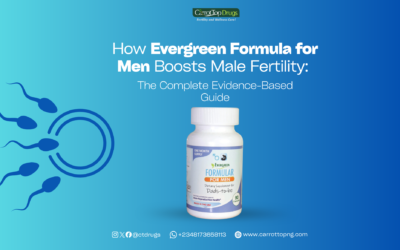
Choosing a supplement that fits your specific needs matters. Evergreen Formula for Women includes iron as iron amino acid chelate at 18 mg. This lands within the daily iron range recommended for pregnancy. The formula also includes vitamin C, vitamin E, folic acid, vitamin B6, and vitamin B12. Pairing iron with vitamin C in one formula supports better absorption. This combination reflects several of the core nutrients discussed throughout this article. Still, if you’ve been diagnosed with anemia in pregnancy, ask your doctor first. Your provider may recommend a higher, targeted iron dose based on bloodwork. Supplements support prevention, but diagnosed anemia in pregnancy needs personalized medical guidance.
Managing Iron Supplement Side Effects
Iron supplements can sometimes cause mild digestive discomfort. Nausea, constipation, and stomach upset are the most common issues. Taking iron with food can help reduce nausea. Staying hydrated and adding fiber can ease constipation. Splitting your dose across the day may also help. Never stop iron treatment for anemia in pregnancy without talking to your doctor first. Most side effects ease within a few weeks of starting treatment.
When to Call Your Doctor
Most anemia in pregnancy is mild and manageable. Still, some symptoms deserve prompt medical attention. Call your provider if you feel faint, breathless, or have chest pain. Rapid heartbeat or severe weakness also warrants a same-day call. Pale skin combined with extreme fatigue should not be ignored. Trust your instincts if something feels seriously wrong. Quick action keeps anemia in pregnancy from progressing to a more severe stage.
Frequently Asked Questions
What causes anemia in pregnancy?
Iron deficiency is the leading cause of anemia during pregnancy. Folate and vitamin B12 deficiencies are also common causes. Rising blood volume during pregnancy adds to the risk. Twin pregnancies and short pregnancy spacing raise risk further.
Is anemia in pregnancy dangerous for the baby?
Untreated anemia in pregnancy can affect fetal growth. It’s linked to preterm birth and low birth weight. Most risks drop sharply once anemia during pregnancy is treated. Regular screening helps catch it early, before complications develop.
How much iron do I need during pregnancy?
Most pregnant women need about 27 mg of iron daily. Women with diagnosed anemia during pregnancy often need more. Always confirm your exact dose with your OBGYN. Pairing iron with vitamin C can improve absorption.
Can anemia in pregnancy be prevented?
Yes, in many cases anemia during pregnancy is preventable. Eating iron, folate, and B12-rich foods helps considerably. Taking a prenatal vitamin with adequate iron also helps. Some women still develop anemia despite these steps, though.
When is anemia in pregnancy screened for?
Screening usually happens at your first prenatal visit. A second screening is typically done around 28 weeks. This catches anemia during pregnancy early in both trimesters. Extra testing may be added if you have risk factors.
Does anemia in pregnancy go away after birth?
Mild anemia in pregnancy often improves after delivery. Iron stores still need time to rebuild afterward. Continuing your iron and folate supplement postpartum is often recommended. Always follow your provider’s guidance on stopping or continuing supplements.
Final Thoughts
Anemia in pregnancy is common, but it’s also very manageable. Early screening, the right supplements, and a balanced diet make a real difference. Iron, folic acid, and B12 remain the core nutrients to watch. Evergreen Formula for Women covers each of these in one daily formula. Still, always confirm your personal needs with your OBGYN. Managing anemia during pregnancy early protects both your health and your baby’s.