Introduction
One in six Nigerian couples faces infertility. And in half of those cases, the problem starts with the man. Yet, most men never seek help. Why? Because the topic feels too heavy, too shameful, too unknown. But here is the truth: male infertility treatment in Nigeria has advanced significantly. You have more options today than ever before — and real solutions are within reach.
Understanding Male Infertility in Nigeria
Male infertility is more common than people think. According to a 2022 study published in the African Journal of Reproductive Health, male factor infertility contributes to about 40–50% of all infertility cases in sub-Saharan Africa. In Nigeria specifically, this figure is significant — yet underreported due to social stigma.
Many couples spend years blaming the woman. So men go untested for far too long. The earlier you identify the issue, the better your chances of finding the right treatment.
Male infertility simply means a man cannot cause pregnancy due to issues with sperm count, movement, shape, or delivery. Thankfully, modern fertility science makes many of these problems treatable.
Common Causes of Male Infertility in Nigerian Men
Several factors drive male infertility in Nigeria. Understanding them helps you find the right male infertility treatment faster.
Infections are a major culprit. Untreated sexually transmitted infections like gonorrhoea and chlamydia can damage the reproductive tract. A 2023 study in PLOS ONE confirmed that STIs remain one of the top causes of male infertility across West Africa.
Varicocele — swollen veins in the scrotum — affects up to 40% of infertile men globally. It is highly common in Nigeria and very treatable with surgery.
Environmental exposure matters too. Pesticides, industrial chemicals, and heat exposure from certain occupations reduce sperm quality. Lifestyle issues like smoking, alcohol, obesity, and chronic stress also contribute.
Hormonal imbalances, genetic conditions like azoospermia (no sperm in semen), and blockages in the reproductive tubes round out the list of frequent causes.
Signs and Symptoms: When Should You Seek Help?
Most men with infertility have no obvious symptoms. The only sign is often the inability to conceive after 12 months of regular, unprotected sex.
However, some warning signs deserve attention. These include low sex drive, erectile dysfunction, pain or swelling in the testicles, reduced facial or body hair, and abnormal semen appearance.
If you and your partner have tried to conceive for over a year without success, see a fertility specialist immediately. Early diagnosis opens more treatment doors.
Male Infertility Diagnostic Tests Available in Nigeria
Getting the right diagnosis is the first step in your male infertility treatment journey. Nigerian fertility hospitals now offer a full range of tests.
Semen analysis is the cornerstone test. It measures sperm count, motility (movement), and morphology (shape). A single test costs roughly ₦5,000–₦20,000 in most labs.
Hormone tests assess testosterone, FSH, and LH levels. These reveal whether hormonal imbalances are causing the problem. Genetic testing can detect chromosomal issues. Scrotal ultrasound identifies varicoceles or blockages. Post-ejaculatory urinalysis checks for retrograde ejaculation.
Top hospitals across Lagos and Abuja now offer all these tests under one roof, making diagnosis faster and more convenient.
Male Infertility Treatment Options Available in Nigeria
There is no one-size-fits-all solution. Male infertility treatment in Nigeria ranges from simple lifestyle changes to advanced assisted reproductive technologies (ART). Your doctor will recommend a plan based on your diagnosis.
Here is a quick overview of what is available locally:
- Medical and hormonal therapy
- Surgical interventions
- Intrauterine Insemination (IUI)
- In Vitro Fertilisation (IVF) and ICSI
- Natural and lifestyle-based approaches
Medical and Hormonal Treatments for Male Infertility
When hormonal imbalances are causing infertility, medication can correct the problem. Doctors prescribe drugs like clomiphene citrate or gonadotropins to stimulate sperm production.
Antibiotics treat underlying infections that impair sperm quality. Antioxidant supplements — especially those with zinc, selenium, and vitamins C and E — also improve sperm parameters. A 2021 systematic review in Antioxidants confirmed that antioxidant therapy significantly improves sperm motility and reduces DNA fragmentation.
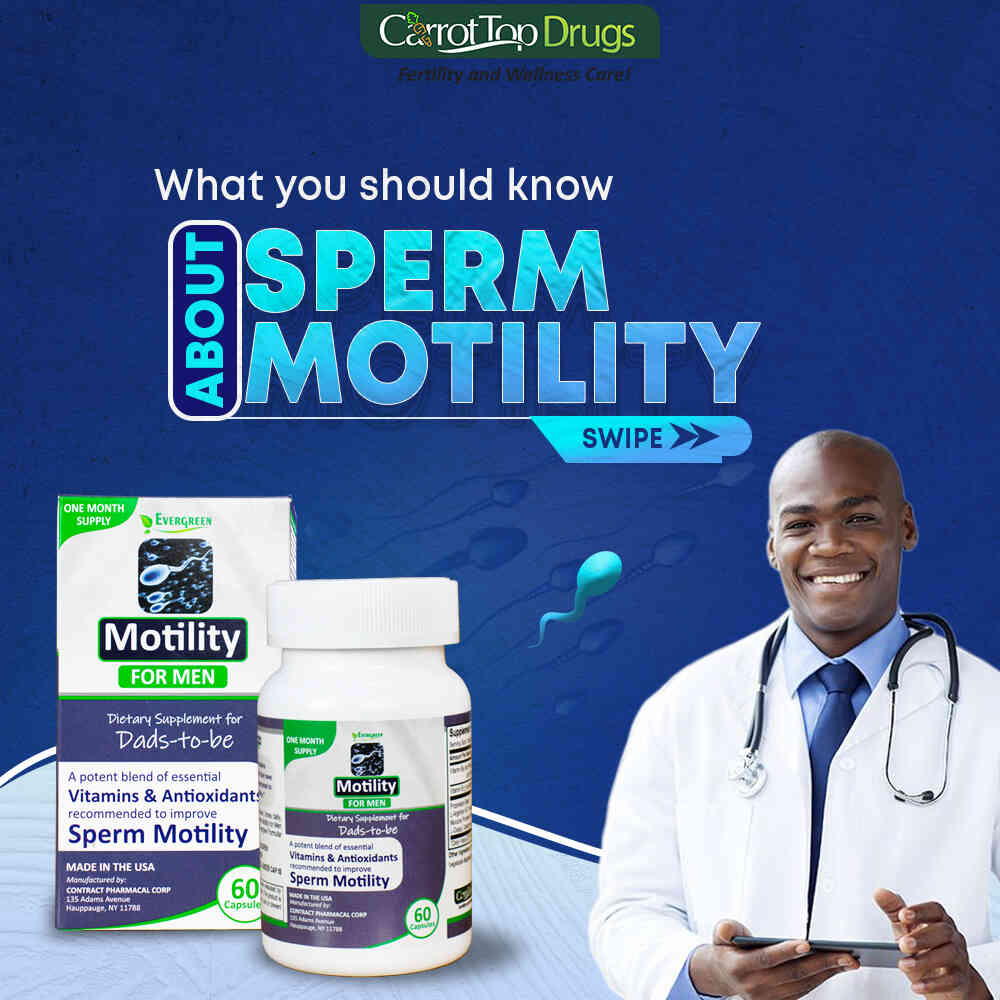
Products like Evergreen Formula for Men support this approach. It contains a broad spectrum of antioxidants and micronutrients. These include vitamins A, C, D3, E, K, B-complex, zinc, selenium, magnesium, and chromium — all designed to reduce oxidative stress on sperm and restore redox balance in men with idiopathic oligoasthenoteratozoospermia.
Surgical Treatment Options for Male Infertility in Nigeria
Surgery is a powerful tool when structural problems block fertility. Nigerian hospitals now offer several proven surgical procedures.
Varicocelectomy removes or ties off enlarged veins (varicoceles) in the scrotum. Studies show this improves sperm count and motility in 60–70% of men. Several Nigerian hospitals in Lagos and Abuja routinely perform this.
For men with no sperm in their semen (azoospermia), TESA (Testicular Sperm Aspiration) and PESA (Percutaneous Epididymal Sperm Aspiration) retrieve sperm directly from the testes or epididymis. These sperm are then used in ICSI during IVF.
Vasovasostomy and vasoepididymostomy reverse previous vasectomies or repair blockages. These microsurgical procedures are available at specialist centres in Nigeria.
Advanced Reproductive Technologies: IVF, ICSI, and IUI in Nigeria
When other treatments do not work, ART offers a powerful next step for male infertility treatment in Nigeria.
IUI (Intrauterine Insemination) places washed, concentrated sperm directly into the uterus. It works well for mild male factor infertility. Success rates per cycle range from 10–20%, making it a good first-line ART option.
IVF (In Vitro Fertilisation) combines eggs and sperm outside the body. For male factor infertility, IVF is often paired with ICSI.
ICSI (Intracytoplasmic Sperm Injection) is a game-changer. A single healthy sperm is injected directly into an egg. According to the American Society for Reproductive Medicine, ICSI achieves fertilisation rates of 50–80% per egg and is the gold standard for severe male infertility.
Several Nigerian hospitals now offer ICSI with success rates approaching global benchmarks. Centres like Medical Art Centre (Lagos), St. Ives Healthcare, and Nordica Fertility Centre are leading the way.
Natural Treatment for Male Infertility in Nigeria: Evidence-Based Approaches
Natural treatment for male infertility in Nigeria starts with evidence — not folklore. Here is what the science actually supports.
Diet plays a huge role. A Mediterranean-style diet rich in fruits, vegetables, whole grains, and healthy fats improves sperm quality. A 2023 meta-analysis in Human Reproduction Update confirmed that dietary antioxidants significantly boost sperm parameters in infertile men.
Exercise helps, but too much hurts. Moderate aerobic activity increases testosterone and improves sperm motility. Avoid overtraining, which raises cortisol and suppresses reproductive hormones.
Quit smoking now. Cigarette smoke damages sperm DNA and reduces count. The same applies to excess alcohol. Studies consistently show heavy drinkers have lower sperm quality.
Stress management matters too. Chronic stress elevates cortisol, which suppresses testosterone. Mindfulness, therapy, and social support all improve fertility outcomes indirectly.
Herbal remedies are popular in Nigeria. However, use caution. Some herbs like Tribulus terrestris show modest evidence for improving testosterone. Others lack clinical backing. Always inform your doctor about any supplement or herb you use.
Evergreen Formula for Men contains vitamins A, C, D3, E, K, B1, B2, B3, B6, folic acid, B12, pantothenic acid, iodine, magnesium, zinc, selenium, copper, manganese, and chromium.
Each nutrient plays specific roles:
- Zinc supports testosterone production and sperm formation
- Selenium protects sperm from oxidative damage
- Vitamin C prevents sperm clumping and DNA damage
- Vitamin E guards cell membranes from oxidation
- B vitamins support energy metabolism in sperm
- Magnesium participates in hundreds of enzymatic reactions
Best Male Infertility Treatment Hospitals in Lagos
Lagos has some of Africa’s most advanced fertility centres. Here are the top options for male infertility treatment in Lagos hospitals:
- Medical Art Centre (MART): One of Nigeria’s pioneer IVF centres. Offers full male fertility diagnostics, ICSI, TESA, and PESA. Multiple locations in Lagos.
- Nordica Fertility Centre: Known for high IVF success rates. Provides comprehensive male factor treatment including surgical sperm retrieval.
- St. Ives Healthcare: Offers male fertility assessments, ICSI, and hormonal therapy across multiple Lagos branches.
- Bridge Clinic: Established centre with a dedicated andrology lab. Offers semen analysis, hormone tests, and IVF with ICSI.
For the best male infertility treatment in Lagos, look for centres with accredited embryology labs, a certified andrologist, and clear success rate data.
Top Male Infertility Treatment Hospitals in Abuja
Abuja also has excellent facilities for male infertility treatment. Leading centres include:
- Nisa Premier Hospital: Offers IVF, ICSI, and male fertility diagnostics in Abuja.
- Best Care IVF Clinic: Provides a full range of ART services including surgical sperm retrieval.
- Garki Hospital: Government facility with fertility services and basic male infertility workup.
When choosing where to get male infertility treatment in Abuja, ask about the embryologist’s qualifications and annual IVF cycle volume.
Finding Male Infertility Specialists and Doctors in Nigeria
Not all doctors are equally equipped to treat male infertility. Look specifically for a urologist with andrology training or a reproductive endocrinologist.
Check that your male infertility specialist in Nigeria is registered with the Medical and Dental Council of Nigeria (MDCN). Membership in the Society of Gynaecology and Obstetrics of Nigeria (SOGON) or the Fertility Society of Nigeria (FESON) is an added bonus.
Ask about their experience with your specific condition — whether it is azoospermia, varicocele, or hormonal issues. A good specialist will explain your options clearly and set realistic expectations.
Male Infertility Treatment Cost in Nigeria: Complete Breakdown
Cost is a real concern for most Nigerian families. Here is a realistic breakdown of male infertility treatment costs in Nigeria:
| Treatment | Estimated Cost (₦) |
| Semen Analysis | 5,000 – 20,000 |
| Hormone Tests | 15,000 – 50,000 |
| Scrotal Ultrasound | 10,000 – 30,000 |
| Varicocelectomy | 150,000 – 500,000 |
| TESA / PESA | 100,000 – 300,000 |
| IUI (per cycle) | 80,000 – 200,000 |
| IVF + ICSI (per cycle) | 600,000 – 2,500,000 |
| Hormonal Medications | 20,000 – 100,000/month |
The cost of male infertility treatment in Lagos Nigeria, tends to be higher than in other cities. Some clinics offer payment plans. Ask about this during your consultation. Affordable male infertility treatment centres in Nigeria — especially government hospitals — can significantly reduce costs.
Male Infertility Treatment Success Rates in Nigerian Hospitals
Success rates depend on several factors: age, diagnosis, clinic quality, and treatment type. Here is what to expect for male infertility treatment success rates in Nigeria:
- IUI: 10–20% per cycle success rate
- IVF + ICSI: 30–50% per cycle at top Lagos clinics
- Varicocelectomy: Improves sperm parameters in 60–70% of cases
- Hormonal therapy: Effective in 40–60% of hormone-related cases
These figures are comparable to global averages. The IVF success rate in Nigeria has improved significantly over the past decade. Choose clinics that publish their own success data — transparency is a good sign.
How Long Does Male Infertility Treatment Take in Nigeria?
The timeline varies with the type of treatment. Here is a realistic picture:
- Semen analysis and diagnosis: 1–2 weeks
- Hormone therapy: 3–6 months before re-evaluation
- Varicocelectomy recovery: 2–4 weeks before improvement in sperm begins; full effect in 3–6 months
- IUI cycle: About 2–4 weeks per attempt
- IVF + ICSI cycle: 4–6 weeks per cycle including preparation
Most couples begin seeing results within 3–12 months of starting treatment. Early consultation shortens this significantly.
Lifestyle Changes and Prevention Strategies for Male Fertility
Whether you are treating infertility or trying to prevent it, these evidence-based steps protect male fertility:
- Eat more antioxidant-rich foods: berries, leafy greens, nuts, and seeds
- Exercise regularly — aim for 30 minutes of moderate activity, 5 days a week
- Avoid smoking, excess alcohol, and recreational drugs
- Maintain a healthy weight — obesity lowers testosterone and sperm quality
- Reduce heat exposure to the groin: avoid hot baths, tight underwear, and laptops on the lap
- Manage stress through rest, exercise, and social support
- Get STIs tested and treated promptly
Overcoming Cultural and Emotional Challenges of Male Infertility in Nigeria
Male infertility stigma in Nigeria is real. Many men face pressure from family, community, and even within their marriages. Silence only makes it worse.
Seek fertility counselling in Nigeria. Many top clinics offer psychological support alongside medical treatment. Couples counselling helps both partners navigate the emotional journey together.
Talk to your doctor honestly. The more information your specialist has, the better your treatment plan. You are not alone — millions of men worldwide deal with infertility and find solutions every day.
Your Male Infertility Treatment Journey: Step-by-Step Guide
Here is a practical roadmap to guide you through male infertility treatment in Nigeria:
Step 1 — Recognize the problem: If you have been trying to conceive for 12 months without success, act now.
Also, Step 2 — See a specialist: Find a qualified urologist or reproductive endocrinologist in your city.
Step 3 — Get tested: Start with a semen analysis. Add hormone tests and imaging if needed.
Step 4 — Understand your diagnosis: Ask your doctor to explain your results clearly and in simple terms.
Also, Step 5 — Choose a treatment plan: Work with your doctor to select the right option based on your diagnosis and budget.
Step 6 — Support your treatment: Make lifestyle changes, take any prescribed medications, and attend all follow-up visits.
Lastly, Step 7 — Stay patient and positive: Fertility treatment takes time. Track your progress and celebrate small wins.
Frequently Asked Questions
What are the main causes of male infertility in Nigeria?
The main causes include varicocele, STIs, hormonal imbalances, azoospermia, lifestyle factors (smoking, alcohol, obesity), and environmental toxin exposure.
How much does male infertility treatment cost in Nigeria?
Costs range from ₦5,000 for basic semen analysis to over ₦2.5 million for a full IVF + ICSI cycle. Affordable options exist at government hospitals.
Which hospitals in Nigeria offer the best male infertility treatment?
Top centres include Medical Art Centre, Nordica Fertility, St. Ives Healthcare, and Bridge Clinic in Lagos, plus Nisa Premier Hospital in Abuja.
Can male infertility be cured naturally in Nigeria?
Mild cases related to lifestyle — poor diet, smoking, obesity — can improve significantly with natural interventions. Severe cases like azoospermia usually need medical or surgical treatment.
What tests are done for male infertility in Nigeria?
Standard tests include semen analysis, hormone panels (FSH, LH, testosterone), scrotal ultrasound, and genetic testing for complex cases.
How long does male infertility treatment take in Nigeria?
It depends on the treatment type. Diagnosis takes 1–2 weeks. Hormone therapy takes 3–6 months. IVF cycles take 4–6 weeks each. Most couples see results within 3–12 months.
Conclusion
Male infertility is not a life sentence. It is a medical condition — and like most medical conditions, it responds to the right treatment.
Whether your path leads to a simple lifestyle change, a short course of hormones, or an ICSI cycle at a Lagos fertility centre, solutions exist. Male infertility treatment in Nigeria has never been more advanced, more accessible, or more effective than it is today.
So here is what you do next. Talk to your partner honestly. Find a qualified fertility specialist in your city. Get a semen analysis done. That one test can change everything.
The hardest step is the first one. But men across Nigeria take it every day — and many of them are fathers today because they did.
You can be too.