Introduction
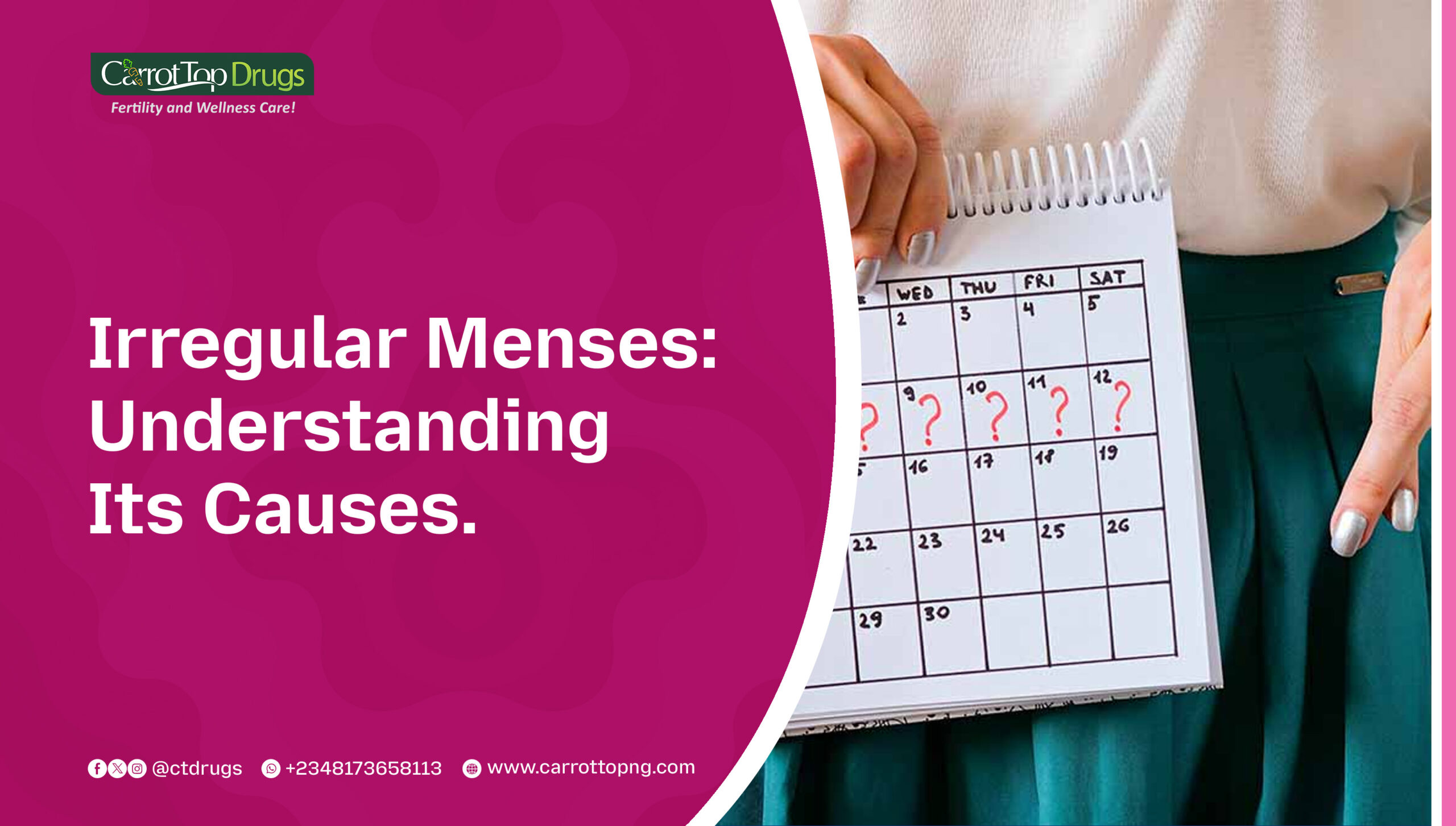
There are a number of things that a woman is expected to pay attention to. One of the most important things related to fertility is menstruation. Aside from fertility-related issues, it also has an expected etiquette that surrounds it. Irregular menses is a challenge with fertility.
So what is menstruation?
Menstruation is the monthly shedding of the uterus lining. This results in bleeding which is seen monthly. Another word for menstruation is menses.
Now that we have thoroughly understood what menses is. It should be easy to understand what irregular menses is.
Overview of irregular menses
Irregular menses is also known as irregular periods or menstrual cycles. It refers to any changes in the normal menstrual pattern. The changes can occur in the frequency, duration, or amount of bleeding during menstruation. It is a common problem that affects many women at some point in their lives.
Explanation of Menstrual Cycle and Its Importance
The menstrual cycle is a natural process that occurs in women of reproductive age. It involves the shedding of the uterine lining, known as menstruation, and the preparation of the uterus for pregnancy. The menstrual cycle is defined as the time between the first day of menstrual bleeding and the first day of the next menstrual period
The menstrual cycle is a complex process that involves a series of hormonal and physiological changes in a woman’s body. It starts with the release of an egg from the ovaries, which is called ovulation. The egg travels down the fallopian tube, where it may be fertilized by sperm. If the egg is not fertilized, it will be shed along with the lining of the uterus, which is called menstruation.
Duration of Menses
The average length of the menstrual cycle is around 28 days, but it can range from 21 to 35 days. It is important to note that individual variations in cycle length are normal. This variation can be affected by factors such as age, stress, and medical conditions.
Phases of Menses
The menstrual cycle can be divided into four phases:
- the menstrual phase,
- the follicular phase,
- the ovulatory phase,
- and the luteal phase.
The menstrual phase is characterized by the shedding of the uterine lining and lasts for around 3-7 days. The follicular phase is the period between the end of menstruation and ovulation. During this period, the follicles in the ovaries mature in response to FSH. The ovulatory phase is the release of the mature egg from the ovary, which occurs around day 14 of a 28-day cycle. The luteal phase is the period between ovulation and the start of the next menstrual period. It is characterized by the production of progesterone.
Regulation of Menstrual Cycle
The menstrual cycle is regulated by a delicate balance of hormones. including estrogen, progesterone, follicle-stimulating hormone (FSH), and luteinizing hormone (LH). These hormones work together to stimulate the growth and release of the egg. They also prepare the uterus for a potential pregnancy. If pregnancy does not occur, the hormone levels drop, and the lining of the uterus is shed, resulting in menstrual bleeding.
Importance of Menstrual Cycle
The menstrual cycle is an essential marker of reproductive health in women. It can provide information about the regularity and predictability of ovulation. Furthermore, it indicates potential problems. For example, irregular menses can be a symptom of underlying medical conditions.
It is essential for women to understand their menstrual cycle and monitor any changes that may occur. This can help identify potential problems and allow for prompt medical attention if needed.
Causes of Irregular Menses
In this section, we would examine the common causes of irregular menses that you should be aware of. They include
Polycystic Ovary Syndrome (PCOS)
Polycystic ovary syndrome (PCOS) is a common hormonal disorder that can cause irregular menses. Women with PCOS have ovaries that produce an excess amount of androgens, or male hormones. This increase interferes with the normal hormonal balance required for regular menstrual cycles.
The irregular menses associated with PCOS can be unpredictable. They include cycles that range from shorter than usual to significantly longer than usual. Women with PCOS may also experience missed periods or heavy bleeding.
In addition to irregular menses, PCOS can cause a range of other symptoms, including acne, weight gain, and hair growth. Women with PCOS may also have difficulty getting pregnant, as irregular ovulation can make it harder to conceive.
Thyroid Disorders
Thyroid disorders are another potential cause of irregular menses. The thyroid gland produces hormones that help to regulate various bodily functions. Some of such functions include metabolism and the menstrual cycle. When thyroid function is disrupted, it can impact the normal hormonal balance required for regular menstrual cycles.
Hypothyroidism, or an underactive thyroid, is a common thyroid disorder that can cause irregular menses. In this condition, the thyroid gland doesn’t produce enough thyroid hormones. This condition can lead to longer menstrual cycles or even missed periods.
Conversely, hyperthyroidism, or an overactive thyroid, can also cause irregular menses. In this condition, the thyroid gland produces too much thyroid hormone. It can lead to shorter menstrual cycles or periods that are lighter than usual.
Other menstrual irregularities that may occur with thyroid disorders include heavy bleeding, longer or shorter periods, or spotting between periods.
Overall, thyroid disorders can have a significant impact on menstrual cycles and other bodily functions. If you are experiencing irregular menses or other symptoms associated with thyroid disorders, it’s important to seek medical attention to ensure proper diagnosis and treatment.
Stress
Stress is a common and often overlooked cause of irregular menses. When the body is under stress, it releases a hormone called cortisol. An increase in this hormone can interfere with the normal hormonal balance required for regular menstrual cycles.
Stress can cause a range of menstrual irregularities. This includes longer or shorter periods, missed periods, or irregular bleeding. In some cases, stress can even cause the cessation of menstrual periods altogether.
In addition to irregular menses, stress can also cause a range of other symptoms. These symptoms include anxiety, fatigue, and difficulty sleeping. These symptoms can further exacerbate stress and create a vicious cycle of stress and hormonal imbalance.
Weight Fluctuations
Weight fluctuations can also contribute to irregular menses. Body weight is closely tied to hormonal balance, particularly the levels of estrogen and progesterone that regulate the menstrual cycle.
Weight gain or obesity can lead to irregular menses, as excess body fat can interfere with the normal hormonal balance required for regular menstrual cycles. In contrast, sudden or extreme weight loss can also cause irregular menses, as the body may not have enough stored fat to support normal hormone production.
Irregular menses due to weight fluctuations can include missed periods, longer or shorter cycles, or heavier or lighter bleeding. These menstrual irregularities can be further exacerbated by other factors such as stress, illness, or medication use.
Maintaining a healthy weight and balanced diet can help to regulate menstrual cycles and promote hormonal balance. This may involve working with a healthcare provider or nutritionist to create a personalized plan for weight management and overall health.
Too Little Sleep
Too little sleep is also known as sleep deprivation. It can contribute to a variety of health problems, including irregular menses. Sleep plays a critical role in regulating the body’s hormonal balance. Disruptions in sleep patterns can interfere with the delicate balance of hormones that control the menstrual cycle.
Research has shown that sleep deprivation can lead to alterations in the levels of hormones such as estrogen, progesterone, luteinizing hormone (LH), and follicle-stimulating hormone (FSH). These hormones play a crucial role in regulating the menstrual cycle, and any disruptions in their levels can result in irregular menses.
Additionally, sleep deprivation can also lead to an increase in levels of cortisol. It is a stress hormone that can further disrupt hormonal balance and contribute to irregular menses. Chronic sleep deprivation can also have long-term effects on reproductive health, potentially increasing the risk of conditions such as PCOS and infertility.
If you are experiencing irregular menses, it is important to consider the role that sleep may be playing in your menstrual cycle.
Pelvic Inflammatory Disease
Pelvic inflammatory disease (PID) is a serious condition that can affect a woman’s reproductive health. PID is also a potential cause of irregular menses. PID occurs when bacteria spread from the vagina and cervix to the upper reproductive tract, including the uterus, fallopian tubes, and ovaries.
The inflammation and scarring that result from PID can disrupt the normal function of the reproductive organs, leading to symptoms such as pelvic pain, abnormal vaginal discharge, and irregular menses. PID can also increase the risk of complications such as ectopic pregnancy and infertility.
In addition to irregular menses, other menstrual-related symptoms of PID may include heavy or prolonged bleeding, painful periods, and spotting between periods. If left untreated, PID can lead to chronic pelvic pain and permanent damage to the reproductive organs.
If you are experiencing irregular menses along with other symptoms of PID such as pelvic pain or fever, it is important to seek medical attention promptly. PID is typically diagnosed through a combination of physical examination, laboratory tests, and imaging studies such as ultrasound.
Endometriosis
Endometriosis is a common condition that can affect a woman’s reproductive health, and it is also a potential cause of irregular menses. It occurs when tissue similar to the lining of the uterus grows outside of the uterus, typically in the pelvic area.
The abnormal growth of endometrial tissue can lead to a variety of symptoms, including pelvic pain, painful periods, and infertility. It can also disrupt the hormonal balance that regulates the menstrual cycle, leading to irregular menses.
In addition to irregular menses, other menstrual-related symptoms of endometriosis may include heavy or prolonged bleeding, spotting between periods, and severe cramping. In some cases, women with endometriosis may also experience gastrointestinal symptoms such as bloating, constipation, or diarrhea.
Primary Ovarian Insufficiency
Primary ovarian insufficiency (POI), also known as premature ovarian failure, is a condition in which the ovaries stop functioning normally before the age of 40. This can lead to a variety of symptoms, including irregular menses. POI occurs when the ovaries do not produce enough estrogen, the hormone that regulates the menstrual cycle.
The exact cause of POI is often unknown, but it may be due to autoimmune disorders, genetic factors, or certain medical treatments such as chemotherapy or radiation therapy. POI can also be associated with other health conditions, such as thyroid disorders or Turner syndrome.
In addition to irregular menses, other symptoms of POI may include hot flashes, vaginal dryness, and difficulty getting pregnant. Women with POI may also be at increased risk of developing osteoporosis and other health problems associated with low estrogen levels.
Birth Control Pills
Birth control pills are a common form of contraception that can sometimes lead to irregular menses, especially during the first few months of use. This is because the hormones in birth control pills, typically a combination of estrogen and progestin, can alter the hormonal balance that regulates the menstrual cycle.
In some cases, birth control pills can cause spotting or breakthrough bleeding between periods, which can be mistaken for irregular menses. However, true irregular menses may also occur, with menstrual cycles becoming shorter, longer, or less predictable.
While irregular menses can be a side effect of birth control pills, it is important to note that they are also used to regulate menstrual cycles in women with irregular periods. In these cases, the hormones in the birth control pills can help to balance the hormonal fluctuations that are causing the irregularity.
If you are experiencing irregular menses or other menstrual-related symptoms while taking birth control pills, it is important to discuss these concerns with your healthcare provider. They may recommend a different type of birth control or adjust the dosage to better manage the side effects.
Medication
Many medications can cause irregular menses as a side effect. This is especially true for those that affect the hormonal balance of the body. Some common examples include antipsychotic medications, antidepressants, and certain types of chemotherapy drugs.
The irregular menses caused by medication can take different forms. It all depends on the medication and the individual’s response. Some women may experience lighter or heavier periods than usual, while others may skip periods or have more frequent periods.
In addition to irregular menses, medications can also cause other menstrual-related symptoms, such as spotting, cramping, or bloating. These symptoms can be bothersome, but they are usually not a cause for concern unless they are severe or persist for an extended period of time.
If you are experiencing irregular menses or other menstrual-related symptoms while taking medication, it is important to discuss these concerns with your healthcare provider. They can help you determine whether the medication is the cause of the symptoms and recommend alternative treatment options if necessary.
Perimenopause
Perimenopause is a transitional phase that precedes menopause. It can also be a cause of irregular menses. During this time, the body undergoes a natural decline in hormone production, particularly estrogen. This reduction in estrogen can lead to menstrual irregularities.
Irregular menses during perimenopause can include skipped periods, longer or shorter cycles, heavier or lighter bleeding, and other changes to the menstrual cycle. These irregularities may be due to the natural hormonal fluctuations that occur during this phase, as well as other factors such as stress, weight fluctuations, or underlying health conditions.
While perimenopause is a natural process, it can be a challenging time for many women due to the physical and emotional symptoms that may arise.
Uterine Cancer
Uterine cancer is a serious condition that can cause irregular menses, among other symptoms. Irregular menses may be an early warning sign of uterine cancer. So, it is important to seek medical attention if you experience any unusual changes in your menstrual cycle.
In cases of uterine cancer, the cancer cells may cause changes to the lining of the uterus. This can lead to abnormal bleeding or irregular menses. Women with uterine cancer may experience heavier bleeding, longer periods, or bleeding between periods. Some women may also experience pelvic pain or discomfort.
It is important to note that irregular menses can have many causes, and uterine cancer is just one of them. Other possible causes of irregular menses include hormonal imbalances, thyroid disorders, polycystic ovary syndrome (PCOS), and stress.
Early detection and treatment of uterine cancer is important for improving outcomes, so it is crucial to seek medical attention if you experience any unusual changes in your menstrual cycle or other symptoms. With proper diagnosis and treatment, many women with uterine cancer are able to achieve remission and live healthy, normal lives.
Frequently Asked Questions
Is it normal to miss menses for two months?
It is not uncommon for women to miss a period occasionally, and missing a period for two months may not necessarily be a cause for concern. However, if you are sexually active and have missed two periods in a row, it is important to take a pregnancy test to rule out pregnancy as a potential cause.
How much delay in menses is normal?
The length of a menstrual cycle can vary from woman to woman, with cycles lasting anywhere from 21 to 35 days on average. It is considered normal for menstrual cycles to vary in length by a few days each month.
When are irregular menses more common?
Irregular menses can occur at any time during a woman’s reproductive years, but they are more common during certain periods of life. For example, irregular periods are common during adolescence as the body adjusts to hormonal changes, and they can also occur during perimenopause as the body prepares for menopause.
Should I be worried if my menses are irregular?
Irregular menses can have many causes, and in some cases, they may be a sign of an underlying health condition. While occasional irregularities in your menstrual cycle may not be a cause for concern, it is important to discuss any persistent or unusual changes in your menstrual cycle with your healthcare provider.
Conclusion
Irregular menses is a condition that has several causes which we have examined thoroughly above. In the next article, we would explore the symptoms, diagnosis, and treatments of irregular menses.