Introduction
Many women wonder if simple tricks can prevent pregnancy. One common myth is that peeing after sex prevent pregnancy. People believe that urinating might flush out sperm before it reaches the egg. But is this true? Understanding this myth is important because it influences how women approach pregnancy prevention. In this article, we will explore how pregnancy happens, the origins of this myth, and what science says. We will also cover effective ways to prevent pregnancy and what to do if you want to conceive. By the end, you will have clear facts to make informed decisions about your reproductive health.
Understanding Fertilization and Conception
Pregnancy begins when sperm meets an egg. This usually happens during ovulation, the time when a woman releases an egg. After ejaculation, sperm travel through the vagina into the cervix and then into the uterus. From there, they move toward the fallopian tubes, where fertilization can occur. The timing of ovulation is crucial because it creates a fertility window. During this time, cervical mucus changes to help sperm survive and move easily. The entire process depends on many factors, including sperm health and the timing of intercourse.
The Myth: Peeing After Sex Prevent Pregnancy
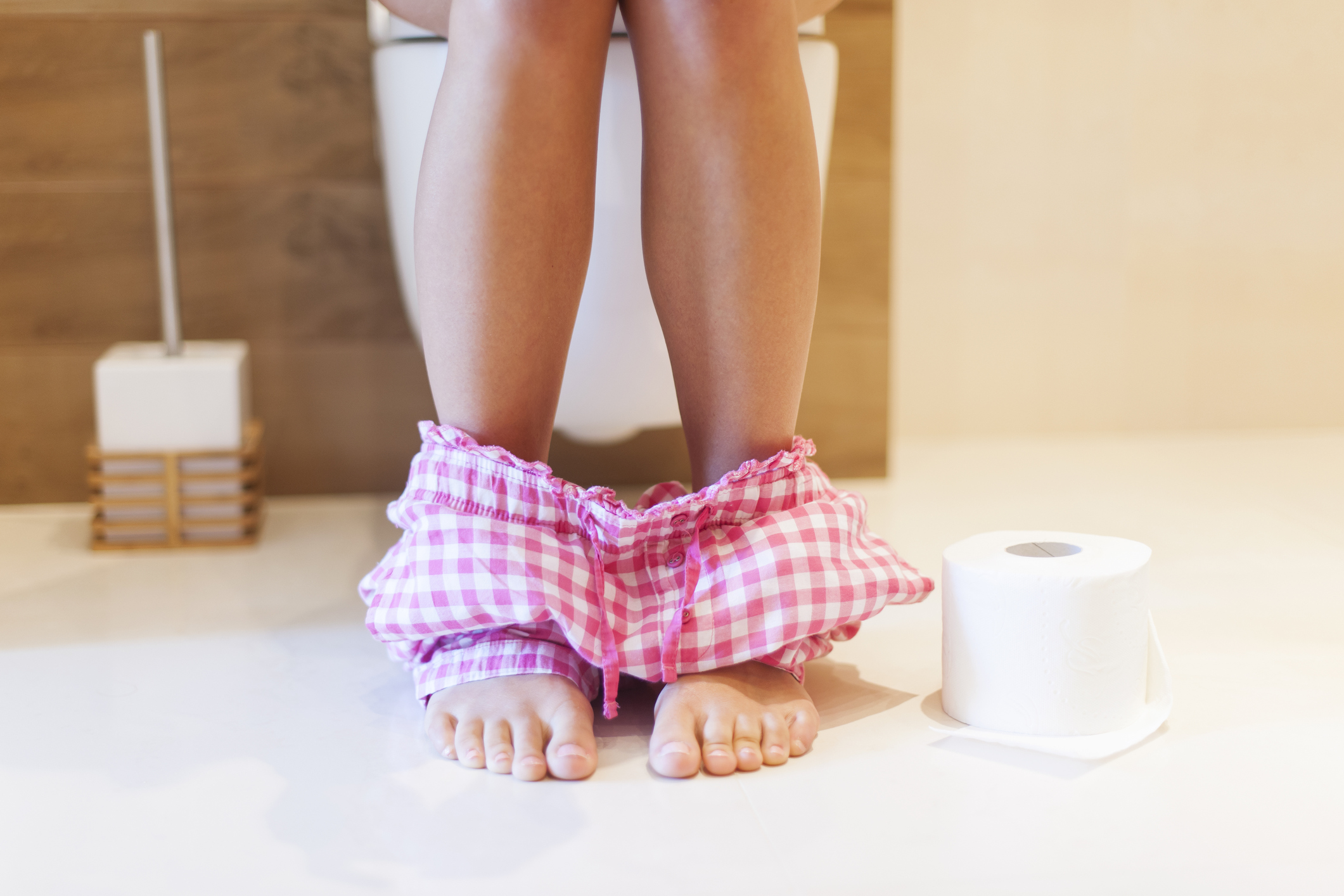
This myth has been around for a long time. Some believe that peeing after sex prevent pregnancy. The idea is that urinating might flush sperm out of the urethra or vagina. However, this is a misconception. Sperm are deposited inside the vagina, not the urethra. Urinating after sex does not reach the sperm that are already inside the reproductive tract. Scientific studies show that peeing cannot remove sperm that have already entered the cervix or uterus.
What Happens When You Pee After Sex?
When you urinate, your body works naturally to eliminate waste through the urethra. The vagina and cervix are separate from the urethra. Sperm are deposited in the vagina, and most do not exit the body through urination. In fact, some sperm can survive inside the female reproductive tract for several days. Urinating after sex does not significantly affect their chances of reaching the egg. Scientific evidence confirms that peeing does not wash out sperm effectively.
Does Peeing After Sex Really Reduce Pregnancy Chances?
Research shows that peeing after sex does not lower the risk of pregnancy. Sperm can live inside the female body for up to five days. Their survival depends on cervical mucus and other factors. Since peeing does not remove sperm from the reproductive tract, it has little to no impact on conception. The timing of intercourse relative to ovulation is much more important. Therefore, relying on peeing after sex as a contraceptive method is ineffective.
Factors That Influence Pregnancy Risk
Several factors affect the chance of pregnancy. The timing of intercourse during ovulation increases the likelihood. Sperm health and motility also matter. Cervical mucus plays a vital role in supporting sperm survival. Using reliable contraception methods, such as hormonal birth control or condoms, greatly reduces pregnancy risk. Understanding these factors helps women make better choices about family planning.
Other Myths and Misconceptions About Preventing Pregnancy
Many myths circulate about preventing pregnancy.
Many people believe common myths. These myths are not true. They can even be dangerous.
Myth: You cannot get pregnant during your period.
This is not a safe time. Sperm can live inside you for days. You could ovulate soon after your period.
Myth: You cannot get pregnant the first time you have sex.
This is false. Pregnancy is possible any time sperm reaches an egg. It does not matter if it is your first time.
Myth: Pulling out is a reliable method.
This is called withdrawal. It is not very effective. Pre-cum can contain sperm. Timing is also very difficult.
Myth: You cannot get pregnant if you are breastfeeding.
Breastfeeding can affect ovulation. However, it is not a sure thing. You can still ovulate and get pregnant.
Myth: You do not need protection if you are young.
This is false. If you have started your periods, your body can get pregnant. Age does not change this.
Myth: You can only get pregnant on certain days.
Your most fertile days are riskiest. But sperm can live for several days. This makes timing very tricky.
Always talk to a doctor or clinic. They can tell you about safe and proven methods. This is the best way to stay protected.
Effective Ways to Prevent Pregnancy
Reliable contraception methods include hormonal options like pills, patches, and IUDs. Barrier methods such as condoms and diaphragms are also effective. Natural family planning involves tracking ovulation. Permanent options like sterilization are available for those who do not want children. Importantly, peeing after sex is not a reliable method. Using proven contraception is the safest way to prevent pregnancy.
What To Do If You Want to Avoid Pregnancy
Planning is key. Track your ovulation to understand your fertility window. Use reliable contraception consistently. Consult healthcare providers for personalized advice. If you have unprotected sex and want to prevent pregnancy, emergency contraception is an option. It is most effective when taken soon after intercourse.
What To Do If You’re Trying to Conceive
If you want to get pregnant, track your ovulation cycle. Maintain a healthy lifestyle and eat well. Timing intercourse during your fertile days increases your chances. If you have concerns about fertility, see a healthcare provider. They can offer guidance and support.
When to Seek Medical Advice
Seek medical advice if you notice signs of pregnancy or fertility issues. If you experience irregular cycles or difficulty conceiving, consult a healthcare professional. They can provide tests and treatment options to support your reproductive health.
Conclusion
In summary, peeing after sex does not prevent pregnancy. Sperm can survive inside the female reproductive tract for days. Relying on peeing as a contraceptive method is ineffective. Instead, use proven methods like hormonal birth control or condoms. Always consult healthcare providers for personalized advice. Protect your reproductive health with reliable contraception and informed choices.
FAQs
- Does peeing after sex flush out sperm?
No, peeing does not remove sperm that are already inside the reproductive tract.
- How long do sperm survive inside the female body?
Sperm can live up to five days inside the female reproductive system.
- Is douching after sex effective?
No, douching does not prevent pregnancy and can irritate.
- What are the best ways to prevent pregnancy?
Use reliable contraception methods like hormonal pills, IUDs, or condoms.
- Can I get pregnant if I pee immediately after sex?
Yes, because peeing does not affect sperm already inside the reproductive tract.