Nobody talks about the man’s role in a miscarriage. We should.
You’ve heard all the usual advice after a pregnancy loss. Take folic acid. Rest more. Check your hormones. See your gynecologist. And while those steps matter, there’s a huge piece of the puzzle that most clinics still ignore — the sperm. Science is catching up fast. A growing body of research now links poor sperm quality to a higher risk of miscarriage. So, can poor sperm quality cause miscarriage? The short answer is yes — and the evidence is stronger than most people realize.
What Does “Sperm Quality” Actually Mean?
Sperm quality is not just about count. When doctors evaluate a semen sample, they look at four key things:
- Count (concentration): How many sperm are in the sample
- Motility: How well the sperm swim
- Morphology: The shape and structure of each sperm
- DNA integrity: Whether the sperm’s genetic material is intact
A normal sperm count is over 15 million per milliliter. At least 40% of sperm should show good motility. But even sperm that pass standard semen analysis can carry serious DNA damage — invisible to a standard test, but devastating for embryo development.
That last point — DNA integrity — is where the miscarriage link gets real. And it’s why standard semen analysis alone misses the problem.
Can Poor Sperm Quality Cause Miscarriage? Here’s What the Research Shows
The short answer is yes. The longer answer requires looking at the evidence carefully.
Sperm DNA Fragmentation Doubles Miscarriage Risk
A landmark systematic review published in Human Reproduction (Oxford Academic) analyzed 16 cohort studies covering 2,969 couples. It found a significantly higher miscarriage risk in men with high sperm DNA damage — a risk ratio of 2.16 (95% CI: 1.54–3.03, p < 0.00001). In plain terms, high DNA damage more than doubled the risk of miscarriage.
That’s not a small effect. That’s clinically meaningful data that many fertility clinics still don’t act on.
A 2024 study in Scientific Reports took this further. Researchers found a clear positive correlation between sperm DNA fragmentation index (DFI) and miscarriage rates. They also found that higher DFI negatively correlated with birth weight. This may be the first study to map this relationship using a smooth fitting curve — making the dose-response link clearer than ever.
A 2025 multicenter cohort study in Reproductive BioMedicine Online studied 100 men attending a recurrent miscarriage clinic. Researchers found that 61% of male partners — whose standard semen analysis was completely normal — had raised global sperm DNA fragmentation. And 52% showed elevated double-strand DNA breaks specifically. Double-strand breaks are harder for embryos to repair.
So, can poor sperm quality cause miscarriage — even when a semen test looks normal? Yes, it can. That is precisely the danger.
A Multicenter Case-Control Study Confirms the Link
A 2023 multicenter Italian study in Andrology (Wiley) investigated couples with idiopathic (unexplained) first-trimester recurrent pregnancy loss. Researchers compared sperm DNA fragmentation across three groups: couples with proven fertility, couples with infertility, and couples with recurrent loss. The data confirmed a significant association between increased sperm DNA fragmentation and idiopathic recurrent pregnancy loss — particularly in the first trimester.
The authors were careful to note that causation isn’t fully proven yet. But the association is consistent across multiple studies. That’s meaningful.
A 2025 Study of 1,485 Participants Adds More Weight
A large 2025 study in Frontiers in Endocrinology analyzed 1,485 participants undergoing fertility evaluation. Results confirmed that sperm DFI is significantly associated with recurrent pregnancy loss, and the relationship holds even after adjusting for common confounders.
Paternal Age and Miscarriage Risk: What the Numbers Say
Can poor sperm quality cause miscarriage as men age? Absolutely — and the numbers make this clear.
A systematic review in Human Reproduction Update — confirmed by a 2024 review in Andrology — evaluated 10 population-based studies. Advanced paternal age beyond 40 years was significantly associated with increased spontaneous miscarriage risk, even after adjusting for maternal age.
Here’s what the data shows, broken down by age:
- Fathers aged 40–44: 23% higher likelihood of contributing to miscarriage before 20 weeks
- Fathers aged 45+: 43% higher risk of miscarriage before 20 weeks
- Fathers aged 45+ for first-trimester loss: 74% higher risk before 13 weeks
The biological reason is clear. As men age, sperm cells divide more times. More divisions mean more DNA copying errors. Repair mechanisms also weaken with age. Several studies confirm that sperm DFI doubles between ages 20 and 60.
Oxidative Stress: The Hidden Driver of Poor Sperm Quality
Oxidative stress is the main engine behind sperm DNA damage. It’s also the most lifestyle-sensitive factor, which makes it the most actionable.
A 2025 review in Frontiers in Endocrinology explains the mechanism clearly. Excessive reactive oxygen species (ROS) cause breaks in sperm DNA, both single-stranded and double-stranded. Sperm are especially vulnerable because they have very limited DNA repair capacity, unlike most other cells in the body.
A 2024 study in Reproductive Medicine and Biology confirms that oxidative stress correlates with poor sperm motility, abnormal morphology, and DNA fragmentation. Elevated ROS levels are linked to increased miscarriage risk, through both natural conception and assisted reproduction.
What Triggers Oxidative Stress in Sperm?
Researchers identify both internal and external triggers:
- Smoking significantly increases DNA fragmentation and reduces the count and motility
- Obesity — excess body fat raises ROS and disrupts hormone levels
- Alcohol disrupts hormonal balance and reduces sperm production
- Environmental pollutants — heavy metals, pesticides, and industrial chemicals
- Chronic illness — infections, varicocele, and inflammatory conditions
- Sleep disruption — linked to oxidative damage to sperm in 2024 research
- Poor diet — high in processed foods, low in antioxidants
Sperm Morphology and Motility Also Play a Role
It’s not just DNA. Sperm shape and movement matter too — and they’re closely tied to DNA integrity.
According to a 2024 review in Reproductive Medicine and Biology, high oxidative stress is associated with more sperm with amorphous heads, damaged acrosomes, and tail abnormalities. The same review found that ROS negatively correlates with sperm concentration and motility in a study of 847 patients.
In short, when oxidative stress rises, multiple parameters of sperm quality fall together. The damage rarely shows up in isolation.
What the Skeptics Say: Limitations in the Evidence
Good science demands honesty. So here’s the other side.
A 2025 meta-analysis on ScienceDirect looked at sperm DNA fragmentation and miscarriage rates after IUI. The miscarriage rate was higher in the high-DFI group, but the difference did not reach statistical significance (RR = 2.11, 95% CI: 0.93–4.8, p = 0.07). Researchers noted this may reflect small sample sizes, not an absence of effect.
So where does that leave us? The association between poor sperm quality and miscarriage is consistent, biologically plausible, and supported by multiple study designs. The field still needs larger prospective trials. The evidence is strong enough to act on — not strong enough to overstate.
How to Test for Sperm DNA Fragmentation
Standard semen analysis does not measure DNA integrity. You need a specific test for that. The most widely used methods are:
- SCSA (Sperm Chromatin Structure Assay) — measures global DNA fragmentation using flow cytometry
- TUNEL Assay — detects DNA strand breaks directly; linked to the strongest miscarriage associations
- Comet Assay — measures single and double-strand breaks with high sensitivity
- CASA (Computer-Assisted Semen Analysis) — precise motility and morphology data beyond visual analysis
Couples experiencing recurrent miscarriage — especially unexplained cases — should ask about these tests. Most clinics still don’t offer them routinely. That’s a gap worth pushing back on.
What Can You Do to Improve Sperm Quality?
Here’s the good news: oxidative stress is lifestyle-sensitive. That means sperm quality can improve — with the right steps.
Lifestyle Changes That Help
- Stop smoking — one of the most impactful changes for DNA integrity
- Reduce alcohol — particularly heavy or frequent drinking
- Maintain a healthy weight — obesity raises ROS and disrupts testosterone
- Eat more antioxidant-rich foods — fruits, vegetables, nuts, and seeds
- Exercise regularly — but avoid excessive heat to the groin
- Improve sleep quality — disrupted sleep increases oxidative stress in sperm
- Reduce toxic exposures — pesticides, industrial chemicals, and heavy metals
Antioxidant Supplementation
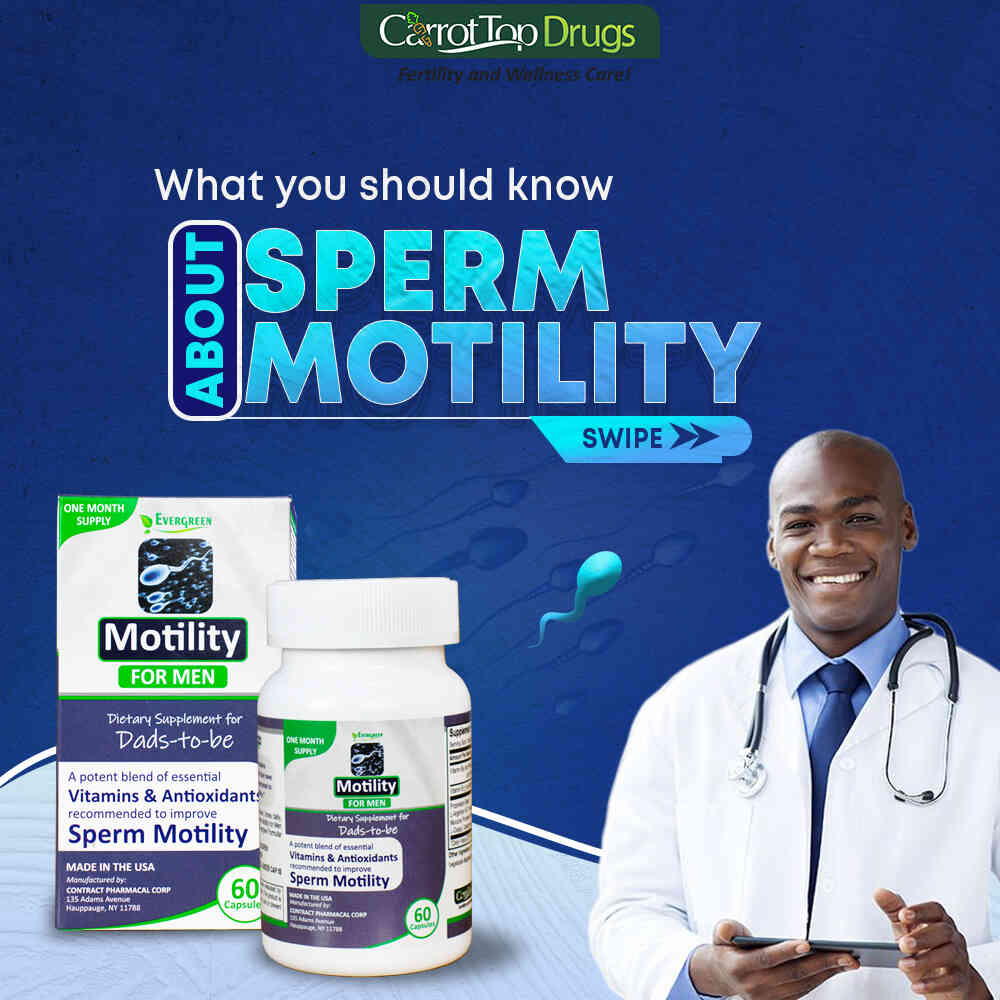
A 2024 review in Reproductive Medicine and Biology confirms that vitamins C and E, CoQ10, selenium, and zinc can protect sperm DNA from oxidative damage and improve motility. Evergreen Formular for Men contains these antioxidants and they could be helpful to men. ESHRE guidelines on recurrent pregnancy loss now mention sperm DNA fragmentation, and antioxidant therapy is under active investigation.
However, excessive antioxidant intake can actually backfire, causing pro-oxidative effects. Work with a fertility specialist before starting any supplement protocol.
Advanced Reproductive Options
For couples with high sperm DNA fragmentation and recurrent loss, doctors may recommend:
- ICSI (Intracytoplasmic Sperm Injection) — selects individual sperm for fertilization
- IMSI — picks sperm at higher magnification to select morphologically superior cells
- Testicular sperm extraction — in some cases, sperm from the testis have lower DNA fragmentation than ejaculated sperm
Male Fertility and Miscarriage Are Linked
For decades, miscarriage research focused almost entirely on women. That’s starting to change — but not fast enough.
A comprehensive 2024 review in Andrology (Wiley) states clearly that while pregnancy loss has historically been attributed to maternal factors, a growing body of evidence links sperm DNA fragmentation and sperm abnormalities to spontaneous pregnancy loss. The male partner contributes half of the genetic material, and should be half of the diagnostic workup.
A 2024 narrative review in Medicina (MDPI) found that paternal factors — including advanced age, obesity, smoking, alcohol, poor diet, and environmental exposures — significantly affect sperm integrity through oxidative stress, DNA fragmentation, and epigenetic changes. Current clinical guidelines often recommend only limited testing for male factors. That’s a problem this review argues must change.
If you’ve experienced a miscarriage — especially more than one — push for a full workup that includes your male partner. Can poor sperm quality cause miscarriage? Research says yes. So both partners deserve investigation.
Frequently Asked Questions (FAQ)
Q1. Can poor sperm quality cause miscarriage?
Yes. Research links poor sperm DNA integrity to higher miscarriage rates. Meta-analyses show men with high sperm DNA damage have more than double the miscarriage risk compared to men with low DNA damage.
Q2. Does a normal semen analysis rule out sperm-related miscarriage?
No. Standard semen analysis measures count, motility, and morphology — but not DNA integrity. A man can have a normal semen test and still have high sperm DNA fragmentation, which raises miscarriage risk.
Q3. How is sperm DNA fragmentation tested?
Through specialized tests: the SCSA, the TUNEL assay, or the Comet assay. These tests are not part of standard semen analysis. Ask your fertility specialist or urologist specifically for a sperm DNA fragmentation test.
Q4. Can improving sperm quality reduce miscarriage risk?
Evidence suggests yes. Quitting smoking, reducing alcohol, improving diet, and managing weight can lower oxidative stress and improve sperm DNA integrity. Antioxidant supplementation shows promise but should be guided by a doctor.
Q5. Does paternal age affect miscarriage risk?
Yes. Meta-analyses show fathers aged 40–44 have a 23% higher risk of contributing to miscarriage. Fathers aged 45+ face a 43% higher risk overall — and a 74% higher risk of first-trimester loss specifically.
Q6. What is sperm DNA fragmentation?
Sperm DNA fragmentation refers to breaks in the genetic material inside sperm cells. This can occur as single-strand or double-strand breaks. High levels of fragmentation impair embryo development and increase miscarriage risk.
Q7. Does oxidative stress cause sperm DNA damage?
Yes. Reactive oxygen species (ROS) — the molecules driving oxidative stress — directly damage sperm DNA. Sperm cells are especially vulnerable because they have very limited DNA repair mechanisms compared to other cells.
Q8. What lifestyle factors worsen sperm DNA fragmentation?
Smoking, excessive alcohol, obesity, poor diet, environmental toxins, chronic illness, and poor sleep quality all raise oxidative stress and worsen sperm DNA integrity.
Q9. Should both partners be tested after a miscarriage?
Yes — particularly after recurrent (two or more) miscarriages. Male factor testing, including sperm DNA fragmentation, should be part of a thorough recurrent pregnancy loss workup.
Q10. Is ICSI helpful when sperm DNA fragmentation is high?
ICSI allows selection of individual sperm for fertilization. Specialists can also use IMSI or testicular sperm extraction to access sperm with lower DNA damage. Discuss these options with a reproductive endocrinologist or andrologist.
Conclusion
Can poor sperm quality cause miscarriage? The evidence says yes — and it’s time the conversation caught up with the science.
Sperm DNA fragmentation, paternal age, oxidative stress, and abnormal sperm morphology all connect to higher miscarriage risk. Standard semen analysis misses most of this. And most miscarriage clinics still don’t investigate the male partner thoroughly.
That’s changing. The research is building. The tests exist. The lifestyle interventions are real and actionable. Couples who’ve faced pregnancy loss deserve answers from both sides of the equation.
Talk to your doctor. Ask about sperm DNA fragmentation testing. And remember — when you’re trying to build a healthy pregnancy, both partners matter.