Definition and Overview
Tubal Factor Infertility (TFI)
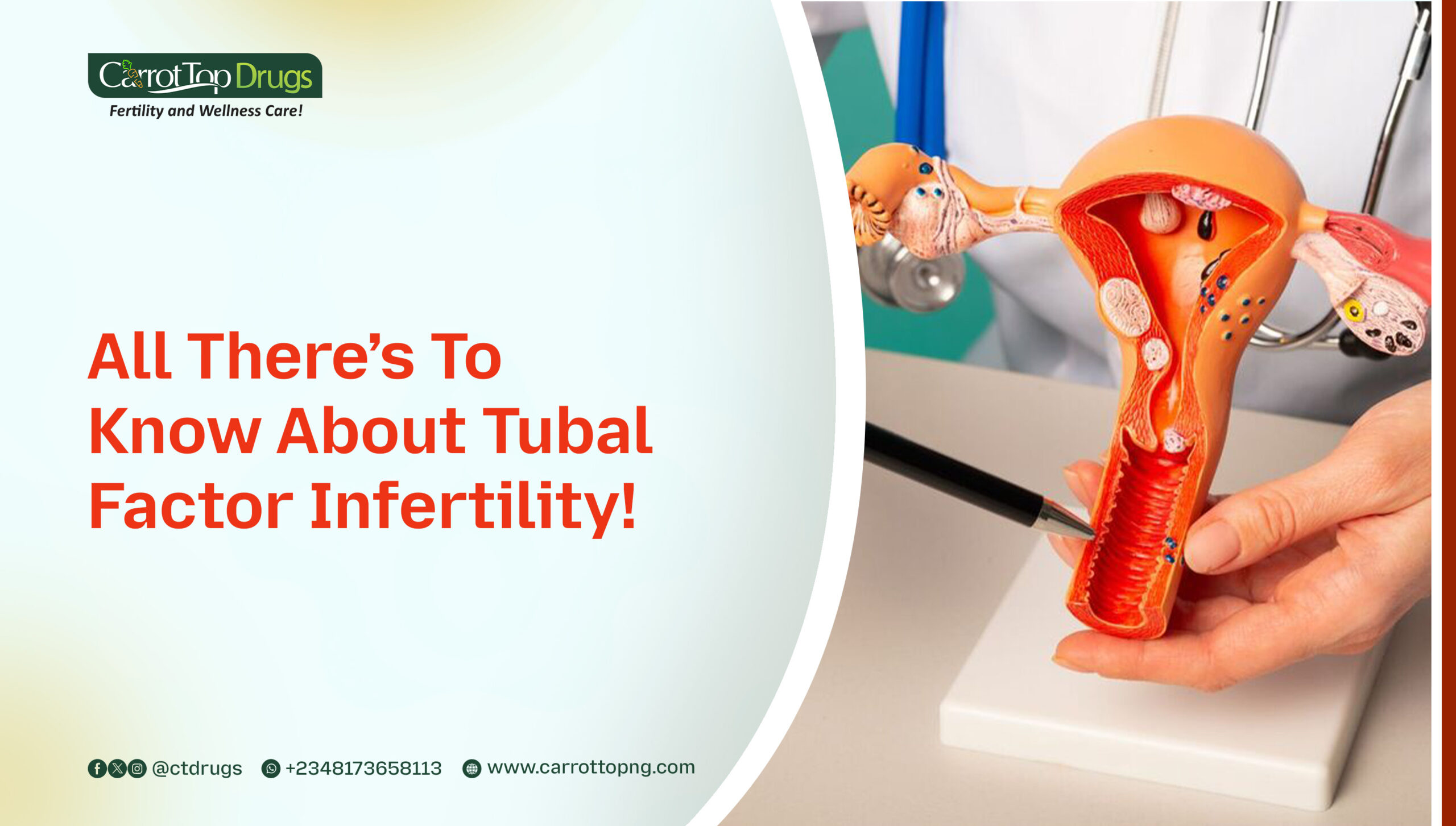
Tubal factor infertility (TFI) is a type of female infertility caused by abnormalities or dysfunction of the fallopian tubes. It accounts for about 25-35% of all infertility cases in women. The fallopian tubes play a crucial role in natural conception, serving as the site for fertilization and the pathway for the fertilized egg to travel to the uterus. Any obstruction, scarring, or dysfunction can prevent conception or lead to complications like ectopic pregnancy.
Fallopian Tube Dysfunction
The fallopian tubes must be open, mobile, and functional to allow the egg and sperm to meet. Dysfunction occurs when there is scarring, blockage, or impairment in their ability to transport the fertilized egg to the uterus.
Blocked Fallopian Tubes
Blocked fallopian tubes prevent the egg from reaching the uterus, making conception difficult or impossible. Blockages may be partial or complete and can result from infections, previous surgeries, or conditions like endometriosis.
Global Prevalence of Tubal Factor Infertility
- Studies estimate that 25-35% of female infertility cases are due to tubal factor infertility.
- Chlamydia trachomatis is responsible for 30-40% of tubal infertility cases.
Causes of Tubal Factor Infertility
Several factors contribute to TFI, including infections, inflammatory conditions, and structural abnormalities.
Pelvic Inflammatory Disease (PID)
Tubal Factor Infertility (TFI) is a condition characterized by the inability to conceive due to issues affecting the fallopian tubes. Several factors contribute to TFI, including infections, inflammatory conditions, and structural abnormalities. Among these, Pelvic Inflammatory Disease (PID) stands out as a significant cause. PID is primarily caused by bacterial infections, often stemming from untreated sexually transmitted infections (STIs) such as chlamydia and gonorrhea. When these infections are left untreated, they can lead to severe inflammation within the pelvic region. This inflammation can result in scarring and blockage of the fallopian tubes. This blockage can prevent the sperm from reaching the egg, thereby hindering the natural process of conception.
Sexually Transmitted Infections (STIs)
Sexually transmitted infections (STIs), particularly chlamydia and gonorrhea, are significant contributors to tubal factor infertility. These infections often present with few or no symptoms, leading many individuals to remain unaware of their condition. The “silent” nature of STIs can result in chronic inflammation within the pelvic region. This inflammation can cause substantial damage to the fallopian tubes over time. Consequently, it may lead to scarring and adhesions. These issues can obstruct the tubes and hinder the passage of eggs and sperm. Ultimately, this reduces the chances of conception.
Endometriosis
Endometriosis is a medical condition characterized by the abnormal growth of endometrial tissue, which normally lines the inside of the uterus, outside of its typical location. This ectopic tissue can develop on various pelvic organs, including the ovaries and fallopian tubes. The presence of this tissue can result in a range of complications. These complications include scarring and adhesions. Scarring and adhesions may disrupt the normal anatomy of the reproductive system. They can also affect the function of the reproductive system. As a consequence, individuals with endometriosis often experience significant pain and discomfort, particularly during menstruation.
Tubal Adhesions
Tubal adhesions are bands of scar tissue that develop between the fallopian tubes and the surrounding organs. These adhesions can occur as a result of various factors, including previous surgeries, infections, or endometriosis. Their presence can significantly impact reproductive health by restricting the natural mobility of the fallopian tubes.
Ectopic Pregnancy
Ectopic pregnancy occurs when a fertilized egg implants outside the uterus, most commonly in the fallopian tube. This condition can lead to significant complications, including scarring or rupture of the fallopian tube. Such damage can have lasting effects on a woman’s reproductive health, potentially resulting in tubal infertility.
The implications of a previous ectopic pregnancy are critical for future pregnancies. The scarring that may occur as a result of the ectopic implantation can hinder the normal function of the fallopian tubes, making it more difficult for an egg to travel to the uterus. Consequently, women who have experienced an ectopic pregnancy may face challenges in conceiving again, underscoring the importance of monitoring and managing reproductive health following such an event.
Previous Tubal Surgeries
Previous tubal surgeries, including tubal ligation and the removal of cysts or fibroids, can significantly impact a woman’s reproductive health. These procedures often involve manipulating the fallopian tubes, which can result in scarring and adhesions. Such changes in the anatomy of the tubes may lead to blockages that can hinder the passage of eggs from the ovaries to the uterus, ultimately affecting fertility. Understanding the implications of these surgeries is crucial for women considering future pregnancies, as the presence of scar tissue can complicate conception and may necessitate further medical intervention.
Congenital Anomalies of Fallopian Tubes
Congenital anomalies of the fallopian tubes refer to conditions where these structures are abnormally developed from birth. In some cases, the tubes may be too narrow or improperly formed, which can significantly impact a woman’s reproductive health. These anatomical irregularities can obstruct the passage of eggs from the ovaries to the uterus, thereby hindering natural conception.
Inflammatory Diseases
Inflammatory diseases encompass a range of chronic conditions that can significantly impact various bodily systems. Among these, tuberculosis and appendicitis are notable examples that can lead to secondary complications affecting the reproductive system, particularly the fallopian tubes. Tuberculosis, primarily known as a respiratory infection, can disseminate to other organs, including the reproductive tract, resulting in inflammation and potential scarring of the fallopian tubes. Similarly, appendicitis, characterized by inflammation of the appendix, can lead to peritonitis and subsequent adhesions that may obstruct or damage the fallopian tubes.
Diagnosis of Tubal Factor Infertility
Hysterosalpingography (HSG)
An X-ray procedure that uses contrast dye to evaluate tubal patency.
Sonohysterography (SHG)
An ultrasound technique using saline to assess the uterine cavity and fallopian tubes.
Laparoscopy and Chromopertubation
A minimally invasive surgical procedure to directly visualize the fallopian tubes and assess their openness.
Hysteroscopy
A procedure that examines the inside of the uterus but may help identify conditions affecting tubal function.
Diagnostic Imaging for Fallopian Tube Blockage
MRI and CT scans may be used in select cases to assess tubal abnormalities.
Tubal Patency Tests
Medical tests to confirm whether the fallopian tubes are open or blocked.
Saline Infusion Sonography (SIS)
An ultrasound technique that evaluates the uterus and tubes using saline solution.
Treatment Options for Tubal Factor Infertility
In Vitro Fertilization (IVF)
In Vitro Fertilization (IVF) is a widely recognized assisted reproductive technology that has transformed the landscape of fertility treatment. This procedure involves the extraction of eggs from a woman’s ovaries, which are then fertilized by sperm in a laboratory setting. Once fertilization occurs, the resulting embryos are cultured for several days before being transferred into the woman’s uterus. IVF is particularly effective for women with conditions such as blocked fallopian tubes, as it bypasses the need for natural passage through these tubes, allowing for a higher chance of conception. The success rates of IVF can vary based on factors such as age, reproductive history, and the specific fertility issues being addressed.
Tubal Surgery (Tubal Cannulation)
Tubal surgery, specifically tubal cannulation, is a minimally invasive procedure. It is designed to address blockages in the fallopian tubes. This technique involves using a catheter. The catheter is carefully inserted into the blocked tube. Its purpose is to clear any obstructions. These obstructions may prevent the passage of eggs or sperm. Tubal cannulation is often performed under local or general anesthesia. The procedure can be done through hysteroscopy or laparoscopy. The choice depends on specific circumstances and the surgeon’s preference. The primary goal of this procedure is to restore normal function. This restoration enhances the chances of natural conception.
Tubal Microsurgery
Tubal microsurgery is a specialized surgical technique. It aims to repair damaged fallopian tubes. These tubes can significantly impact female infertility. This delicate procedure utilizes advanced microsurgical instruments. It employs techniques to meticulously reconstruct the tubes. This allows for the restoration of their normal function. Tubal microsurgery is typically indicated for women with tubal damage. This damage may result from pelvic inflammatory disease, endometriosis, or previous surgeries. The precision of microsurgery enhances the likelihood of successful repairs. It also minimizes damage to surrounding tissues.
Surgical Tubal Reanastomosis
Surgical tubal reanastomosis is a procedure designed to reverse tubal ligation, a surgical method used to prevent pregnancy by blocking or sealing the fallopian tubes. This reversal procedure involves reconnecting the severed ends of the fallopian tubes, thereby restoring their function and allowing for the possibility of natural conception. Tubal reanastomosis is typically performed on women who have undergone tubal ligation but later decide they wish to conceive again. The procedure can be performed laparoscopically or through a larger abdominal incision, depending on the specific circumstances and the surgeon’s assessment.
Tubal Catheterization
Tubal catheterization is a minimally invasive procedure. It is designed to address blockages in the fallopian tubes. These blockages can significantly contribute to female infertility. During the procedure, a thin catheter is inserted through the cervix. The catheter is guided into the uterus. This allows for direct access to the fallopian tubes.
The process typically uses a contrast dye. This dye helps visualize the tubes through imaging techniques. It ensures that any obstructions can be accurately identified. This approach is advantageous for several reasons. It avoids the need for more invasive surgical interventions. Consequently, it reduces recovery time and associated risks.
IVF with Egg Retrieval
In vitro fertilization (IVF) with egg retrieval is a widely utilized assisted reproductive technology (ART) that provides a solution for couples facing infertility, particularly those with tubal dysfunction. This process involves stimulating the ovaries to produce multiple eggs, which are then retrieved through a minor surgical procedure. Once the eggs are collected, they are fertilized with sperm in a laboratory setting, allowing for the development of embryos. This method bypasses the need for the fallopian tubes entirely, making it an effective option for women whose tubes are blocked or damaged.
Use of Assisted Reproductive Technologies (ART)
Assisted reproductive technologies (ART) encompass a range of fertility treatments. These treatments are designed to assist individuals and couples in achieving pregnancy. Among the most common ART methods are in vitro fertilization (IVF) and intracytoplasmic sperm injection (ICSI).
IVF involves the fertilization of eggs outside the body. In contrast, ICSI is a specialized technique. It involves injecting a single sperm directly into an egg. This technique enhances the chances of fertilization, particularly in cases of male infertility.
These technologies have revolutionized the field of reproductive medicine. They provide solutions for various infertility issues. The use of ART has expanded significantly over the years. This expansion is driven by advancements in medical technology. It is also influenced by a deeper understanding of reproductive health.
ART can address a wide array of fertility challenges. These challenges include ovulatory disorders, endometriosis, and unexplained infertility. Additionally, ART offers options for individuals with genetic concerns. It allows for preimplantation genetic testing to ensure the health of embryos before transfer.
As a result, ART not only increases the likelihood of conception. It also empowers individuals and couples to make informed decisions about their reproductive health.
Ovulation Induction with IVF
Ovulation induction is a critical step in the IVF process. It involves using medications to stimulate the ovaries. This stimulation helps produce multiple eggs. This is essential because the standard menstrual cycle typically releases only one egg. One egg may not be sufficient for successful fertilization and embryo development.
By administering hormonal medications, fertility specialists enhance ovarian response. This leads to the maturation of several follicles, each containing an egg. This approach maximizes the chances of retrieving viable eggs during the IVF cycle.
The medications used for ovulation induction can vary. They may include gonadotropins and clomiphene citrate. The choice depends on the individual’s specific needs and medical history. Monitoring through blood tests and ultrasounds is crucial during this phase. This monitoring assesses the response to treatment and determines the optimal timing for egg retrieval.
Successful ovulation induction increases the number of eggs available for fertilization. It also improves the overall success rates of IVF. By carefully managing this process, fertility specialists aim to provide patients with the best possible outcomes. This support is vital in their journey toward parenthood.
Preventive Measures
Here are the preventive measures against tubal factor infertility:
- Prevent pelvic infections
- Practice safe sex to avoid STIs
- Early treatment of PID
- Proper management of ectopic pregnancies
- Screening for endometriosis
Complications and Risks
TFI has complications that come with it. Among several, here are but a few:
- Recurrent ectopic pregnancy
- Increased miscarriage risk
- Ovarian hyperstimulation syndrome (OHSS)
- Infection after surgery
- Long-term ART risks (e.g., ovarian cancer)
Lifestyle Factors and Tubal Factor Infertility
- Smoking: Harms fallopian tube function
- Nutrition: Affects reproductive health
- Exercise: Supports overall fertility
- Obesity: Reduces fertility success
- Stress: Negatively impacts conception
Conclusion
Tubal factor infertility is a major cause of female infertility, primarily due to infections, surgical history, and congenital conditions. While tubal surgery may restore fertility in some cases, in vitro fertilization (IVF) remains the most effective treatment. Prevention strategies include practicing safe sex and early treatment of reproductive infections.