
Introduction
Gestational diabetes is defined as a form of diabetes that occurs during pregnancy when the body cannot produce enough insulin to meet the increased demands of pregnancy. This results in elevated blood glucose levels, leading to complications if not managed properly. Unlike pre-existing diabetes, pregnancy-induced diabetes usually resolves after childbirth, but it can increase the risk of developing type 2 diabetes later in life.
Relevant Statistics of Gestational Diabetes
According to the International Diabetes Federation (IDF), hyperglycemia during pregnancy (HIP) impacts roughly one in six live births (16.8%), with gestational diabetes mellitus (GDM) accounting for 84% of these cases. Research focusing on sub-Saharan Africa estimates an overall GDM rate of 12.63%, with confidence intervals ranging from 9.66% to 15.92%.
Studies in Nigeria using updated FIGO diagnostic guidelines identified a GDM prevalence of 5.5%. Wider analyses of sub-Saharan Africa suggest rates between 2% and 14%, reflecting disparities in screening methods and population risk factors. For instance, research conducted in Enugu, Nigeria, aligned with the 5.5% estimate when applying FIGO standards.
A separate Nigerian study reported a 10% occurrence of GDM, linking higher rates to obesity and familial diabetes history. Broader regional reviews emphasize that variations in GDM prevalence stem from inconsistent diagnostic approaches and differing demographic risks.
Risk Factors for Gestational Diabetes
Several risk factors contribute to the development of gestational diabetes. Understanding these factors can help in identifying women who may be at higher risk and in need of closer monitoring.
1. Obesity:
Women with a body mass index (BMI) of 30 or higher are at a significantly increased risk of developing pregnancy-induced diabetes. Excess body fat, particularly around the abdomen, can lead to insulin resistance, making it difficult for the body to regulate blood sugar levels effectively.
2. Age:
Women over the age of 25 are more likely to develop gestational diabetes. As women age, the risk of insulin resistance increases, and the body may struggle to produce enough insulin to manage blood sugar levels during pregnancy.
3. Family History:
A family history of diabetes, particularly type 2 diabetes, can increase the likelihood of developing gestational diabetes. Genetic factors play a significant role in insulin resistance and glucose metabolism.
4. Previous Gestational Diabetes:
Women who have pregnancy-induced diabetes in previous pregnancies are at a higher risk of developing it again. This history suggests a predisposition to insulin resistance that may persist in subsequent pregnancies.
5. Ethnicity:
Certain ethnic groups, including African, Hispanic, Native American, and Asian women, are at a higher risk for gestational diabetes. This may be due to genetic factors, lifestyle, and dietary habits prevalent in these populations.
6. Sedentary Lifestyle:
Lack of physical activity can contribute to weight gain and insulin resistance, increasing the risk of gestational diabetes. Regular exercise helps maintain a healthy weight and improves insulin sensitivity.
- Polycystic Ovary Syndrome (PCOS):
Women with PCOS are at an increased risk of developing gestational diabetes due to hormonal imbalances that affect insulin production and glucose metabolism.
Causes of Gestational Diabetes
Understanding the causes of gestational diabetes is essential for prevention and management. The condition arises from a combination of hormonal changes and insulin resistance.
Hormonal Changes
During pregnancy, the placenta produces hormones that are crucial for fetal development. However, these hormones can also lead to insulin resistance. As the pregnancy progresses, the body requires more insulin to maintain normal blood sugar levels. If the pancreas cannot produce enough insulin to meet this increased demand, pregnancy-induced diabetes can develop. This hormonal imbalance is a primary cause of gestational diabetes and highlights the importance of monitoring blood sugar levels during pregnancy.
Additionally, the increased production of hormones such as cortisol and human placental lactogen can further exacerbate insulin resistance. These hormones are essential for supporting the growing fetus, but can interfere with the body’s ability to use insulin effectively. As a result, women may experience elevated blood sugar levels, leading to gestational diabetes.
Genetic Factors
Genetic predisposition plays a significant role in the development of pregnancy-induced diabetes. Women with a family history of diabetes are more likely to develop the condition, suggesting that genetic factors influence insulin sensitivity and glucose metabolism. Specific genes associated with insulin resistance may be passed down through generations, increasing the risk of gestational diabetes in certain populations.
Moreover, genetic factors can interact with environmental influences, such as diet and physical activity, to further increase the risk. For instance, women with a genetic predisposition to insulin resistance who also lead a sedentary lifestyle or consume a high-sugar diet may be at an even greater risk of developing gestational diabetes. Understanding these genetic factors can help identify women who may benefit from early screening and intervention.
Complications of Gestational Diabetes
Gestational diabetes can lead to several complications for both the mother and the baby if not managed effectively.
- Macrosomia: One of the most common complications is macrosomia, where the baby grows larger than average due to excess glucose in the mother’s bloodstream. This can lead to difficulties during delivery, including an increased risk of cesarean section.
- Preterm Birth: Women with pregnancy-induced diabetes are at a higher risk of preterm birth, which can result in complications for the baby, including respiratory issues and developmental delays.
- Preeclampsia: Pregnancy-induced diabetes increases the risk of preeclampsia, a condition characterized by high blood pressure and damage to organs, which can pose serious risks to both mother and baby.
- Low Blood Sugar in Newborns: Babies born to mothers with pregnancy-induced diabetes may experience low blood sugar levels shortly after birth, requiring monitoring and treatment to stabilize their glucose levels.
- Increased Risk of Type 2 Diabetes: Women who have had gestational diabetes are at a higher risk of developing type 2 diabetes later in life. This long-term implication underscores the importance of lifestyle changes and regular monitoring after pregnancy.
- Future Pregnancies: Women with a history of pregnancy-induced diabetes are more likely to experience it in future pregnancies, which can lead to a cycle of complications if not managed properly.
Managing Gestational Diabetes
Effective management of gestational diabetes is crucial for minimizing risks and ensuring a healthy pregnancy. Here are key strategies for managing the condition:
1. Monitoring Blood Sugar Levels:
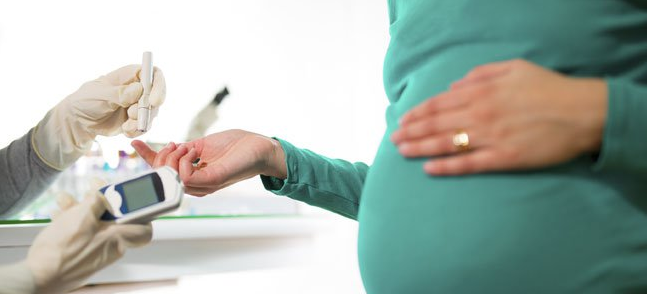
Regular monitoring of blood sugar levels is essential for managing pregnancy-induced diabetes. Women may need to check their blood sugar several times a day to ensure levels remain within the target range. This helps in making necessary adjustments to diet and activity levels.
2. Dietary Changes:
A balanced diet is vital for managing gestational diabetes. Women should focus on consuming whole grains, lean proteins, healthy fats, and plenty of fruits and vegetables. Carbohydrate intake should be monitored, and women may benefit from working with a registered dietitian to create a personalized meal plan. A supplement like Evergreen Natal Care Plus can also help supplement other essential nutrients.
3. Physical Activity:
Regular physical activity can help improve insulin sensitivity and control blood sugar levels. Women are encouraged to engage in moderate exercise, such as walking or swimming, for at least 30 minutes most days of the week, unless otherwise advised by their healthcare provider.
4. Medication:
In some cases, dietary changes and exercise may not be sufficient to control blood sugar levels. If this is the case, healthcare providers may prescribe insulin or oral medications to help manage pregnancy-induced diabetes effectively.
5. Regular Check-ups:
Frequent prenatal visits are essential for monitoring the health of both mother and baby. Healthcare providers will assess blood sugar levels, growth of the fetus, and any potential complications that may arise.
6. Postpartum Care:
After delivery, women should continue to monitor their blood sugar levels, as gestational diabetes can increase the risk of developing type 2 diabetes later in life. Regular follow-up appointments and lifestyle modifications can help reduce this risk.
Conclusion
Gestational diabetes is a significant health concern that requires awareness, early detection, and effective management. By understanding the risk factors, causes, complications, and management strategies associated with gestational diabetes, women can take proactive steps to ensure a healthy pregnancy and reduce the risk of long-term health issues. Regular monitoring, dietary changes, and physical activity are key components of managing pregnancy-induced diabetes effectively.
FAQs
- What is gestational diabetes?
It is a form of diabetes that occurs during pregnancy, characterized by high blood sugar levels due to insulin resistance.
- What are the risk factors for gestational diabetes?
Risk factors include obesity, age over 25, family history of diabetes, previous pregnancy-induced diabetes, certain ethnic backgrounds, sedentary lifestyle, and polycystic ovary syndrome (PCOS).
- How is gestational diabetes diagnosed?
Pregnancy-induced diabetes is typically diagnosed through glucose screening tests during pregnancy, usually around the 24th week.
- What complications can arise from gestational diabetes?
Complications can include macrosomia, preterm birth, preeclampsia, low blood sugar in newborns, and an increased risk of type 2 diabetes later in life.
- How can gestational diabetes be managed?
Management includes monitoring blood sugar levels, dietary changes, regular physical activity, and possibly medication if necessary.
- Does gestational diabetes go away after pregnancy?
Yes, it usually resolves after childbirth, but women are at a higher risk of developing type 2 diabetes later in life.
- What should I do if I have gestational diabetes?
It is important to continue monitoring your blood sugar levels postpartum and maintain a healthy lifestyle to reduce the risk of developing type 2 diabetes in the future. Regular follow-up with your healthcare provider is recommended.