Introduction
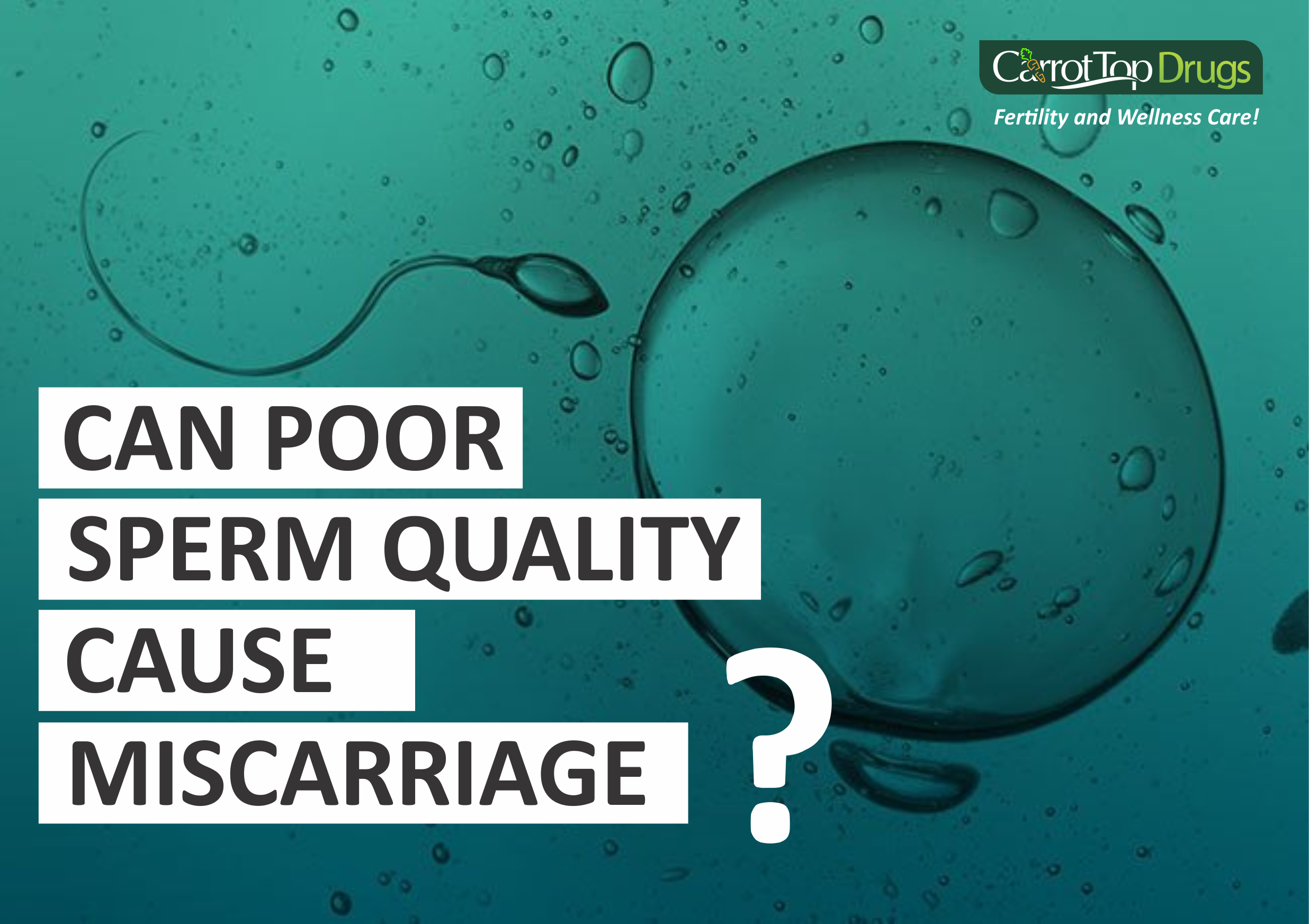
Can poor sperm quality cause miscarriage? Yes, it can. This is one of the most underreported facts in reproductive medicine. Most miscarriage investigations focus on women. Yet growing evidence confirms that the man’s sperm plays a direct role in pregnancy loss.
Miscarriage is not always a female problem. The sperm carries half the genetic blueprint of every embryo. When that genetic material is damaged, the embryo can fail to develop — even if the woman’s reproductive health is perfect.
This article explains exactly how poor sperm quality links to miscarriage. It covers DNA fragmentation, morphology, oxidative stress, and what men can do to protect their fertility.
Can Poor Sperm Quality Cause Miscarriage? What the Science Says
Research from Imperial College London studied 50 men whose partners had suffered three or more consecutive miscarriages. The study found that their sperm carried significantly higher levels of DNA damage than men in the control group.
A landmark meta-analysis published in Human Reproduction reviewed 16 cohort studies involving 2,969 couples. It found that high sperm DNA damage more than doubled the miscarriage risk (risk ratio: 2.16). That is not a minor statistical signal. It is a strong, consistent finding.
Research from ExamenLab found elevated double-strand DNA fragmentation in over 60% of miscarriage cases where female factors were ruled out. Furthermore, over 85% of men whose partners had recurrent miscarriages showed high sperm DNA damage — whether conception occurred naturally or through IVF.
The science is clear. Poor sperm quality can cause miscarriage in early pregnancy and beyond.
Can Sperm Cause Miscarriage in Early Pregnancy?
Many couples assume that a positive pregnancy test means the sperm has done its job. That assumption is wrong.
Sperm DNA becomes active inside the embryo from day two of development onward. At that point, the embryo starts relying on the paternal genetic code. If the sperm DNA is fragmented, research cited by Miscarriage Hope Desk shows that embryonic development can stall — most often within the first 13 weeks.
Miscarriages linked to sperm DNA damage tend to occur early. They often appear as chemical pregnancies, blighted ovums, or losses before 10 weeks. Many couples never connect these losses to the sperm.
A sperm can fertilize an egg successfully and still carry enough DNA damage to prevent a viable pregnancy. Conception ability and pregnancy support are two separate sperm functions. A man can be fertile but still cause recurrent miscarriage.
Are Miscarriages Caused by Sperm or Egg?
The honest answer is: both. Miscarriage has multiple causes, and both parents can contribute.
About 60% of miscarriages occur due to chromosomal abnormalities during fertilization, according to News-Medical.net. These errors can originate from either the egg or the sperm. Older eggs carry a higher chromosomal risk, which is why miscarriage rates rise with maternal age. But sperm carry the other half of every chromosome set.
Female factors — including uterine abnormalities, hormonal imbalances, autoimmune conditions like antiphospholipid syndrome, and polycystic ovary syndrome — contribute significantly. However, doctors have historically focused only on women when investigating recurrent pregnancy loss.
That bias is shifting. Give Legacy notes that sperm DNA fragmentation is now recognized as a critical and overlooked paternal factor in recurrent miscarriage.
So, are miscarriages caused by men or women? Often, it is a combined picture. But men are no longer off the hook.
What Percentage of Miscarriages Are Caused by Sperm?
Precise figures are difficult to quote because most miscarriage investigations historically excluded the male partner. However, the existing data reveals a sobering picture.
The Human Reproduction meta-analysis showed that couples with high sperm DNA damage face more than double the miscarriage rate. Male factor infertility contributes to roughly 20% of infertility cases outright, and another 30 to 40% involve both partners, according to research in the Asian Journal of Andrology.
ExamenLab data shows that over 60% of non-female-factor miscarriages involved high levels of double-strand sperm DNA breaks. Among men whose partners had recurrent losses, more than 85% carried significant sperm DNA damage, even when their standard semen analysis appeared normal.
These numbers challenge a decades-old assumption. The male role in miscarriage is measurable, significant, and largely unaddressed in routine clinical care.
Can Sperm Morphology Cause Miscarriage?
Sperm morphology describes the size and shape of sperm cells. Normal morphology is critical for successful fertilization and embryo development.
Abnormally shaped sperm, a condition called teratozoospermia, generates higher levels of reactive oxygen species (ROS). Research published in Reproductive Medicine and Biology confirms that high ROS levels in sperm with abnormal morphology correlate directly with DNA damage, poor motility, and impaired fertilization ability.
A study examining 1,485 couples found that sperm DNA fragmentation index (DFI) negatively correlated with normal sperm morphology. Research in Scientific Reports confirmed that elevated DFI was associated with worse sperm morphology and lower progressive motility.
Abnormal sperm shape is therefore not just a barrier to fertilization. It signals deeper cellular dysfunction that raises miscarriage risk after conception occurs.
Can Weak Sperm Cause Birth Defects?
Yes. Sperm DNA damage extends its consequences beyond miscarriage into fetal development and childhood health.
A review published in the World Journal of Men’s Health reported that oxidative stress in sperm has been linked to poor fertilization, poor embryo development, pregnancy loss, birth defects including autism, and childhood cancer.
Research in Scientific Reports on DFI and ART outcomes found that sperm with a DNA fragmentation index above 30% was associated with significantly lower infant birth weight. The relationship between sperm DNA damage and birth outcomes was nonlinear but consistent.
Weak, DNA-damaged sperm that successfully fertilize an egg can transmit corrupted genetic instructions. That corruption can manifest as developmental abnormalities, not just early pregnancy loss.
What Causes Poor Sperm Quality?
Poor sperm quality rarely has a single cause. Multiple lifestyle, environmental, and biological factors degrade sperm DNA integrity and function.
Oxidative Stress and Reactive Oxygen Species (ROS)
This is the leading cause of sperm DNA damage. Frontiers in Endocrinology research explains that sperm cell membranes contain high levels of polyunsaturated fatty acids, making them extremely vulnerable to ROS attack. ROS cause lipid peroxidation, protein oxidation, and single and double-strand DNA breaks.
Small amounts of ROS are normal and even necessary for sperm function. But when ROS production overwhelms the body’s antioxidant defenses, it destroys sperm integrity from the inside out.
Smoking and Alcohol
Both increase ROS production directly. Give Legacy notes that smoking significantly reduces sperm count and motility. Alcohol disrupts testosterone signaling and damages sperm at the production stage.
Elevated Testicular Temperature
The testes operate below body temperature for good reason. Prolonged heat exposure — from laptops, hot baths, or tight clothing — raises scrotal temperature and damages developing sperm.
Poor Nutrition
Zinc, selenium, folate, and vitamins C and E all support sperm DNA protection. A diet deficient in these nutrients leaves sperm without adequate antioxidant defense.
Advanced Paternal Age
DNA fragmentation increases with age. A study published in Frontiers in Endocrinology found that men over 30 had significantly higher DFI than younger men, with age positively correlating with DNA damage scores.
Environmental Toxin Exposure
Pesticides, heavy metals, radiation, and industrial chemicals all disrupt spermatogenesis. Occupational exposure is a recognized but underappreciated cause of poor sperm quality.
Varicocele
This abnormal dilation of veins in the scrotum raises testicular temperature and increases oxidative stress. It is the most common reversible cause of male infertility and a significant driver of sperm DNA damage.
Can Unhealthy Sperm Cause Pregnancy?
Yes. Unhealthy, DNA-damaged sperm can and do fertilize eggs. This is one of the most important and least understood facts about sperm quality.
Standard semen analysis evaluates sperm count, motility, and morphology. It does not test DNA integrity. Miscarriage Hope Desk reports that approximately 15% of infertile men have entirely normal semen analysis results yet still carry high levels of DNA fragmentation.
A man with fragmented sperm DNA can achieve pregnancy quickly. But that pregnancy carries a higher risk of loss. Fertilization success does not equal pregnancy health.
This distinction is vital for couples experiencing repeated early miscarriage despite apparently normal fertility assessments. A normal sperm count tells you nothing about sperm DNA quality.
How to Test for Poor Sperm Quality Linked to Miscarriage
Standard semen analysis misses the most important factor: DNA integrity. Couples with recurrent pregnancy loss need more specific testing.
- Sperm DNA Fragmentation (SDF) Test: This measures the percentage of sperm with broken DNA strands. A DFI above 30% is associated with poor reproductive outcomes.
- Sperm Chromatin Structure Assay (SCSA): A validated, widely used method for measuring DFI with high reproducibility.
- Comet Assay: Detects both single and double-strand DNA breaks. ExamenLab research shows double-strand breaks (dsDB) carry the highest miscarriage risk.
- Sperm Oxidative Stress (SOS) Test: Measures free radical levels directly in semen. Care Fertility uses this alongside standard semen analysis for a clearer fertility picture.
The European Society of Human Reproduction and Embryology (ESHRE) now recommends considering DNA fragmentation analysis for couples experiencing recurrent pregnancy loss. Ask your reproductive specialist about this test.
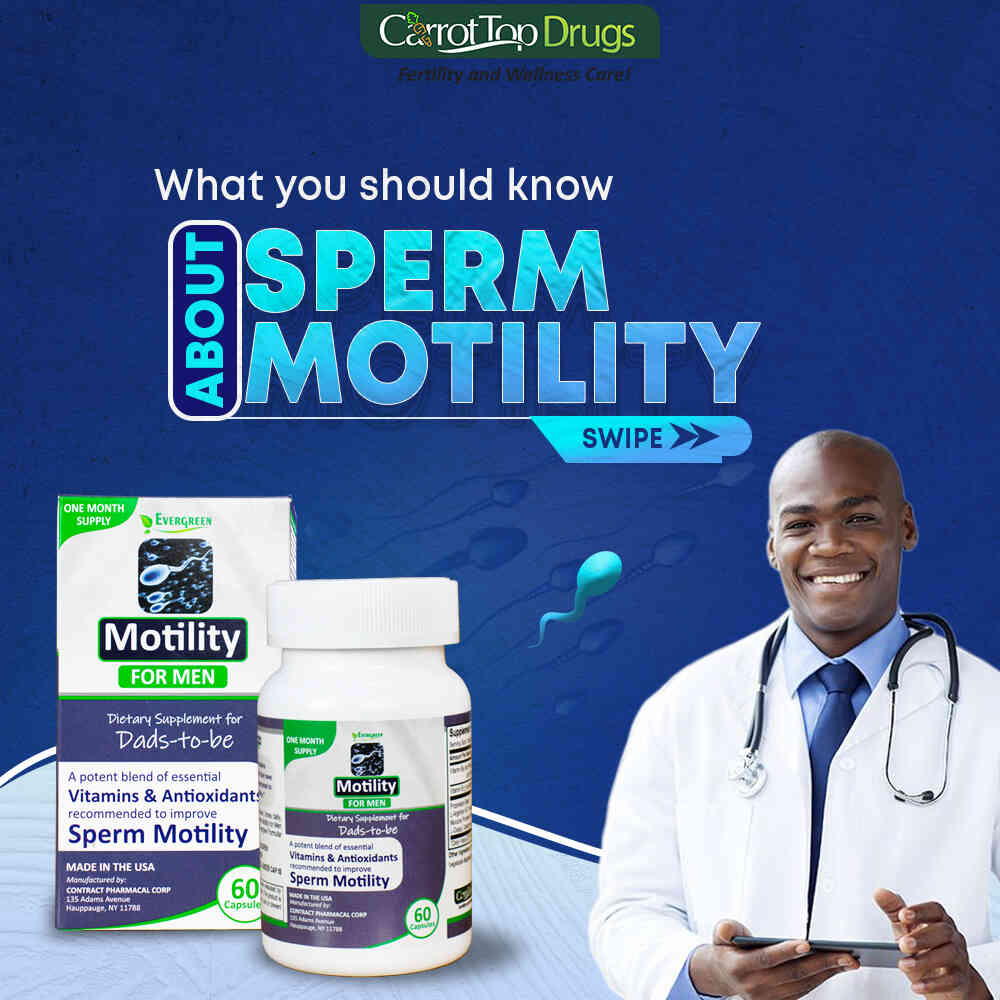
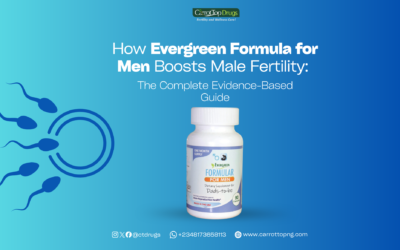
Evergreen Formula for Men: Targeted Support for Sperm Quality
Nutrition is one of the most powerful tools available to improve sperm DNA integrity. Antioxidants directly combat the oxidative stress that drives DNA fragmentation.
Evergreen Formula for Men is a fertility adjuvant designed for the dietetic management of idiopathic oligoasthenoteratozoospermia — a condition involving low sperm count, poor motility, and abnormal morphology without a clearly identified cause. This is the profile of many men whose partners experience unexplained recurrent miscarriage.
It works by targeting the root molecular cause of sperm dysfunction. Its antioxidant complex actively reduces reactive oxygen species (ROS) that drive sperm DNA fragmentation, impair sperm hyperactivation, reduce motility, and block oocyte fusion.
Evergreen Formula for Men contains a complete spectrum of fertility-relevant nutrients:
- Vitamins A, C, D3, E, and K — fat-soluble and water-soluble antioxidants that protect sperm membranes and DNA from oxidative damage.
- B vitamins (B1, B2, B3, B6, B9 folic acid, B12, pantothenic acid) — essential for sperm DNA synthesis, methylation, and energy production during spermatogenesis.
- Zinc — critical for testosterone production, sperm maturation, and chromatin condensation. Zinc deficiency directly elevates sperm DNA fragmentation.
- Selenium — a key component of sperm antioxidant enzymes, particularly glutathione peroxidase, which protects sperm from lipid peroxidation.
- Magnesium — supports sperm motility and energy metabolism.
- Iodine — supports thyroid function, which regulates the hormonal environment necessary for healthy spermatogenesis.
- Copper and Manganese — cofactors for superoxide dismutase, the body’s primary intracellular antioxidant enzyme.
- Chromium — supports insulin sensitivity and metabolic health, both of which influence male reproductive hormone balance.
Use Evergreen Formula for Men consistently for at least three months before attempting conception. Spermatogenesis, the production cycle of a single sperm, takes approximately 74 days. Nutritional support needs time to work at the cellular level.
A man whose partner has experienced repeated pregnancy loss should prioritize sperm DNA health. Evergreen Formula for Men provides the full antioxidant foundation his reproductive cells need.
How Men Can Improve Sperm Quality and Reduce Miscarriage Risk
Lifestyle changes genuinely improve sperm DNA integrity. Sperm renew every 70 to 90 days, so the changes a man makes today will affect his sperm quality in three months.
- Stop smoking. Smoking is one of the highest-volume sources of ROS in the male body. Quitting produces measurable improvements in sperm motility and DNA integrity within months.
- Reduce alcohol consumption. Excessive intake disrupts testosterone and directly damages developing sperm cells.
- Avoid heat exposure. Keep laptops off the lap. Avoid hot tubs, saunas, and tight underwear. Even minor sustained heat degrades sperm production.
- Eat an antioxidant-rich diet. Focus on vegetables, fruits, nuts, lean proteins, and whole grains. These foods provide the cofactors sperm cells need to resist oxidative damage.
- Exercise moderately. Regular moderate exercise improves testosterone levels and reduces oxidative stress. Avoid extreme endurance training, which can increase ROS production.
- Reduce toxin exposure. Minimize contact with pesticides, solvents, and heavy metals. Use protective equipment at work when required.
- Use targeted supplementation. A comprehensive fertility supplement like Evergreen Formula for Men delivers the specific micronutrients sperm cells depend on for DNA integrity.
Frequently Asked Questions
Can sperm cause a miscarriage even if the semen analysis is normal?
Yes. Standard semen analysis does not test DNA integrity. Research confirms that men with completely normal semen parameters can still carry high sperm DNA fragmentation. Request a DFI test specifically if you experience recurrent pregnancy loss.
How many miscarriages should trigger a sperm DNA test?
Seek evaluation after two consecutive miscarriages. ESHRE guidelines now recommend sperm DNA fragmentation testing as part of recurrent pregnancy loss evaluation. Do not wait for a third or fourth loss before investigating the male partner.
Can improving sperm quality prevent future miscarriage?
Yes, in many cases. If sperm DNA damage is the contributing factor, reducing oxidative stress through lifestyle changes and supplementation can lower fragmentation levels. Improved sperm morphology has been associated with higher live birth rates in couples with recurrent pregnancy loss.
Are miscarriages caused by men equally likely at any age?
Risk increases with paternal age. Frontiers in Endocrinology research found significantly higher sperm DNA fragmentation in men over 30. Advanced paternal age also elevates the risk of chromosomal abnormalities in embryos.
Does sperm quality affect IVF success rates?
Yes. High sperm DFI is associated with lower pregnancy rates, higher miscarriage rates, and lower infant birth weight after IVF and ICSI, according to Nature Scientific Reports data. Sperm selection techniques that filter out fragmented sperm can improve IVF outcomes in affected couples.
Can oxidative stress in sperm be reversed?
Partly, yes. Care Fertility confirms that quitting smoking, improving diet, and reducing heat exposure can lower oxidative stress and support sperm health. Antioxidant supplementation adds targeted molecular protection that diet alone may not provide.
Should men get tested during a recurrent miscarriage investigation?
Absolutely. Any thorough recurrent pregnancy loss investigation must include the male partner. A full male fertility workup should include standard semen analysis, sperm DNA fragmentation testing, and an oxidative stress assessment.
Can sperm morphology improve?
Yes. Sperm renew approximately every 74 days. Lifestyle improvements and targeted supplementation can meaningfully improve morphology, motility, and DNA integrity within one to three complete sperm production cycles.
Final Word: Poor Sperm Quality Is a Real Cause of Miscarriage
Can poor sperm quality cause miscarriage? The evidence says yes, clearly and consistently. Sperm DNA fragmentation, poor morphology, and oxidative stress all raise the risk of pregnancy loss — and all three are measurable and treatable.
Miscarriage investigations that ignore the male partner are incomplete. Every couple facing recurrent pregnancy loss deserves a full picture. That picture must include sperm DNA quality.
Men are not passive participants in conception. Their sperm quality shapes whether a pregnancy survives. Fixing that quality is possible, and it starts with awareness, testing, and the right nutritional support.
Evergreen Formula for Men gives the male reproductive system what it needs: a complete antioxidant defense against the oxidative stress that silently damages sperm DNA. Combine it with lifestyle changes, give it three months, and do the testing. Your partner deserves a thorough answer. So do you.