Introduction
Most fertility supplement lists read like a multivitamin label with a price tag attached. The claims are big. The evidence behind them is rarely mentioned. And if you are trying to conceive, vague assurances about “reproductive support” are not what you need.
This article covers the top fertility supplements for egg quality and ovulation with published clinical data behind each one. Not marketing language. Specific mechanisms, specific studies, and a clear explanation of what each compound does inside the reproductive system.
Why Egg Quality Determines More Than You Think
Sperm can be produced continuously throughout a man’s adult life. A woman is born with all the eggs she will ever have. From puberty onwards, those eggs age alongside the body, and age-related changes in egg quality are one of the most significant predictors of conception outcomes, miscarriage rates, and IVF success.
Egg quality refers to the chromosomal and mitochondrial health of the oocyte. A chromosomally normal egg that has sufficient mitochondrial energy can complete fertilisation, divide correctly, and implant. An egg that is oxidatively damaged, mitochondrially depleted, or chromosomally abnormal generally cannot, regardless of whether sperm reaches it.
The good news is that egg quality is not fixed by age alone. Oxidative stress, nutritional deficiencies, poor blood flow to the ovaries, and inadequate mitochondrial substrate all contribute to poor egg quality, and all of them are modifiable. That is why the top fertility supplements for egg quality and ovulation target these specific mechanisms rather than providing generic nutritional support.
Coenzyme Q10: The Mitochondrial Supplement with the Strongest Evidence Base
If there is one supplement that reproductive endocrinologists consistently recommend, it is Coenzyme Q10 (CoQ10). The reason comes down to mitochondria. An egg cell contains more mitochondria than any other cell in the human body, around 100,000 per cell. Those mitochondria need to produce ATP (cellular energy) at very high rates during the final stages of oocyte maturation, fertilisation, and early cell division.
CoQ10 is a cofactor in the mitochondrial electron transport chain, the molecular machinery that produces ATP. Without adequate CoQ10, mitochondrial energy output falls. The consequence for eggs is real: chromosomal segregation errors become more likely, cell division becomes less reliable, and implantation potential drops.
A 2019 clinical study in Fertility and Sterility found that CoQ10 supplementation before IVF retrieval produced a statistically significant improvement in oocyte quality, blastocyst formation rate, and fertilisation outcomes in women with diminished ovarian reserve. The supplement period ranged from 60 to 90 days before retrieval, reflecting how long follicle development takes.
A 2021 study in the Journal of Assisted Reproduction and Genetics confirmed that CoQ10 pre-treatment improved the proportion of top-quality embryos in women undergoing IVF, with the most pronounced benefit seen in women over 35 whose egg mitochondrial function had declined with age.
CoQ10 sits at the top of virtually every evidence-based list of top fertility supplements for egg quality and ovulation because its mechanism is well-characterised and its clinical benefit is documented across multiple independent trials.
Myo-Inositol: The Ovulation-Specific Supplement for Women with PCOS
Inositol, specifically the myo-inositol isomer, has become one of the better-supported nutritional interventions for ovulation disorders. It works as a secondary messenger in insulin signalling pathways inside the ovarian follicle. In women with PCOS, where insulin resistance disrupts follicle development and ovulation, myo-inositol restores the signalling environment that normal follicle maturation depends on.
A 2022 meta-analysis in BMC Medicine pooled data from multiple randomised controlled trials and found that myo-inositol supplementation significantly improved menstrual regularity, reduced androgen levels, improved fasting insulin, and restored ovulatory function in women with PCOS. The clinical effect sizes were comparable to metformin, without metformin’s gastrointestinal side effects.
Research in the International Journal of Molecular Sciences confirmed that inositol also directly affects oocyte quality by restoring the intracellular signalling cascades that govern meiosis, the cell division process that produces a mature egg from a primary oocyte. Errors in meiosis produce chromosomally abnormal eggs. Inositol reduces the rate of those errors in PCOS-affected follicles.
Among the top fertility supplements for egg quality and ovulation for women with PCOS specifically, myo-inositol has the strongest and most consistent evidence base of any single compound.
Antioxidants: Protecting Eggs from the Damage That Accumulates Daily
Oxidative stress is one of the primary mechanisms through which egg quality declines. Free radicals, generated by metabolic processes, environmental pollutants, and chronic inflammation, damage cellular membranes, mitochondrial DNA, and the nuclear DNA inside the oocyte. Antioxidants neutralise free radicals before that damage occurs.
Vitamin C
A 2020 review in Antioxidants found that Vitamin C supplementation reduced oxidative damage markers in follicular fluid, the environment directly surrounding developing eggs. Vitamin C also protects the corpus luteum from oxidative deterioration, which matters for progesterone production and luteal phase adequacy after ovulation.
Vitamin E
Research in Nutrients (2020) found that Vitamin E supplementation improved endometrial thickness and oocyte quality markers in women undergoing fertility treatment. Vitamin E is fat-soluble and specifically protects the phospholipid membranes of cell walls, including the outer membrane of the egg cell itself.
Published data in Reproductive BioMedicine Online found that combined antioxidant supplementation produced greater improvements in egg quality and implantation markers than single-antioxidant approaches. The synergy between Vitamins C and E has been observed consistently across fertility research: C regenerates oxidised E, and E prevents C from becoming a pro-oxidant at high concentrations.
Both are among the documented top fertility supplements for egg quality and ovulation because their protective role in the follicular environment is backed by specific follicular fluid studies, not just general antioxidant theory.
Vitamin D: The Ovarian Hormone Most Women Are Short On
Vitamin D behaves more like a hormone than a vitamin. Its receptors are present in ovarian tissue, the endometrium, the pituitary gland, and the corpus luteum. When levels are low, each of those tissues functions below its normal capacity.
A 2020 study in Nutrients found that Vitamin D deficiency was associated with worsened insulin resistance, elevated androgens, and reduced ovulatory frequency in women with PCOS. Women in the deficient group showed significantly worse antral follicle development patterns compared to women with adequate Vitamin D levels. Supplementation improved both hormonal and ovulatory parameters over a 12-week period.
Vitamin D deficiency is widespread across sub-Saharan Africa and South Asia, often counterintuitively, because darker skin produces less Vitamin D from sun exposure at certain latitudes and many women spend limited time outdoors. Routine supplementation is often warranted before testing becomes available.
Zinc and Selenium: The Trace Minerals That Work Inside the Follicle
Zinc
It is concentrated in the ovaries and is necessary for the enzyme activity that governs follicle maturation. Zinc inhibits 5-alpha reductase, which converts testosterone to its more potent form and contributes to androgen-driven follicle arrest in PCOS. It also supports the signalling cascade inside the follicle that triggers the LH surge response.
A 2020 paper in Frontiers in Nutrition found that zinc deficiency was significantly associated with poor reproductive outcomes in women, including anovulation, poor egg quality metrics, and reduced fertilisation rates. Zinc is depleted by stress, certain medications including oral contraceptives, and high intake of refined grains.
Selenium
Research in Nutrients (2020) confirmed that selenium is incorporated into selenoproteins, antioxidant enzymes specifically expressed in ovarian granulosa cells. These enzymes protect the egg from oxidative stress during the final stages of follicle development, when the oocyte is most vulnerable to free radical damage. Adequate selenium status was positively associated with better oocyte quality and higher IVF success rates in the studied cohort.
Zinc and selenium together represent two of the more targeted top fertility supplements for egg quality and ovulation because their mechanism operates at the level of the follicle itself, not just in systemic circulation.
B Vitamins: Cellular Energy, Hormone Balance, and Egg Development
A 2020 review in Nutrients confirmed that the B-vitamin complex, particularly B6, B9 (folate), and B12, plays several roles in reproductive function. B6 supports progesterone synthesis and reduces the hyperprolactinaemia that sometimes suppresses ovulation. B9 is necessary for DNA synthesis during rapid cell division in the early embryo. B12 reduces elevated homocysteine, which in excess is toxic to developing eggs and impairs endometrial receptivity.
B1, B2, and B3 support mitochondrial energy production inside the oocyte by acting as cofactors in the electron transport chain alongside CoQ10. Their combined effect on mitochondrial function is why a full B-complex, not just folate alone, shows up consistently among the top fertility supplements for egg quality and ovulation in evidence-based reproductive nutrition literature.
Herbal Compounds with Published Evidence for Ovulation and Hormonal Balance
Vitex Agnus-Castus (Chasteberry)
A 2019 review in Phytomedicine confirmed that Vitex corrects the abnormal LH pulsatility seen in many women with PCOS and irregular cycles. It raises progesterone levels relative to estrogen and improves luteal phase adequacy. A short luteal phase is a common, underdiagnosed cause of early pregnancy loss. Vitex addresses that mechanism without introducing synthetic hormones.
Red Clover (Trifolium pratense)
A 2020 clinical review in Maturitas described red clover isoflavones as selective estrogen receptor modulators. They provide estrogen-like signalling in tissues where estrogen is deficient without overstimulating receptors in estrogen-sensitive tissues. Red clover also supplies calcium and magnesium, both relevant to reproductive tissue function.
Ginkgo Biloba
A 2019 Phytomedicine study confirmed ginkgo’s vasodilatory effect on peripheral circulation, including pelvic vasculature. Improved blood flow to the ovaries means better delivery of gonadotropins, oxygen, and the nutrients circulating in the bloodstream to developing follicles. Poor ovarian perfusion is an underappreciated contributor to suboptimal follicle development.
Eleuthero (Siberian Ginseng)
Research in the Journal of Ethnopharmacology (2021) documented eleuthero’s adaptogenic activity and its documented effect on cortisol output. Chronically elevated cortisol suppresses GnRH pulsatility and downstream gonadotropin release, directly impairing follicle development and ovulation. Eleuthero addresses the stress axis without directly altering HPO axis hormones.
PABA (Para-Aminobenzoic Acid)
PABA is a B-complex compound that supports estrogen metabolism at the cellular level and contributes to protein synthesis pathways involved in endocrine function. Historical clinical observations document cases of successful conception following consistent PABA supplementation in women with otherwise unexplained infertility.
Iron and Iodine
A 2021 American Journal of Clinical Nutrition study linked adequate iron stores to improved ovulatory function. Women who menstruate heavily lose significant iron monthly and are at particular risk of the deficiency-driven anovulation that this creates. Iodine is the substrate for thyroid hormones T3 and T4. Thyroid function governs the metabolic rate at which hormonal turnover occurs. Even mild iodine deficiency can suppress ovulation through reduced thyroid output.
Two Formulations Worth Considering Together
Most of the compounds covered above are available as individual supplements. The practical challenge is that buying and tracking eight to twelve separate products is expensive, easy to get wrong on dosing, and hard to sustain consistently. Two products cover the full picture when taken together.
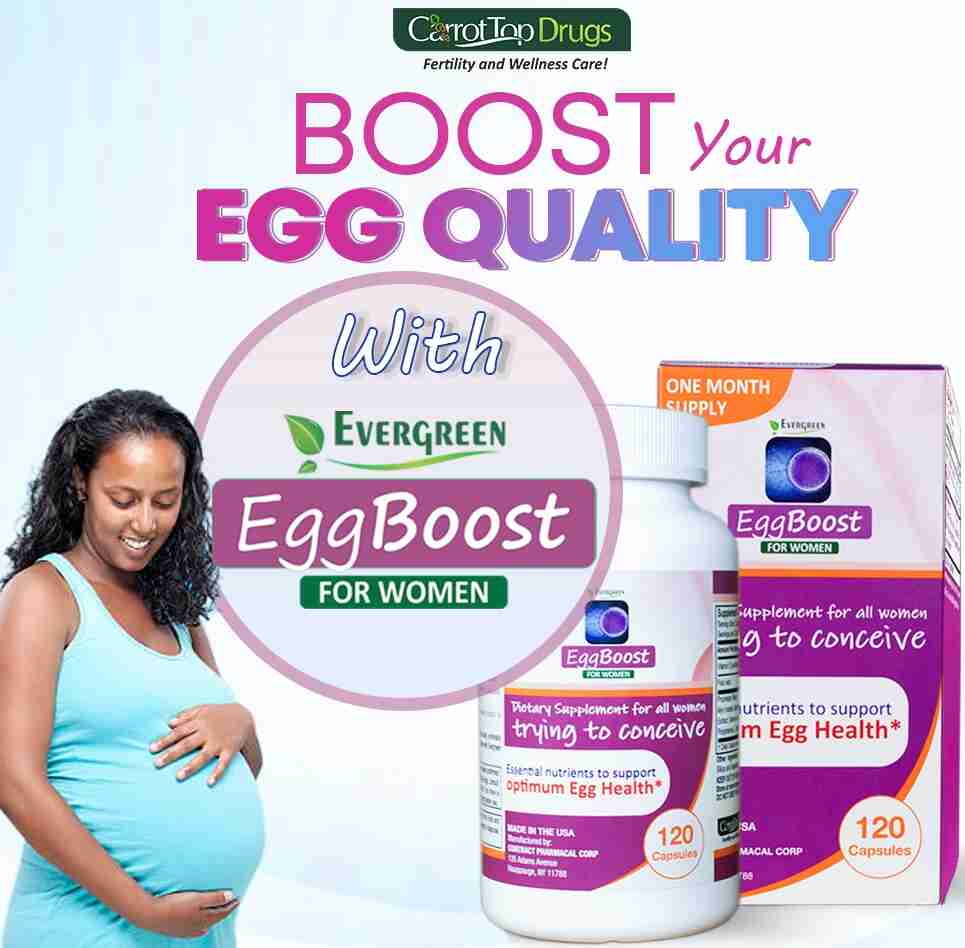
Evergreen EggBoost for Women
Evergreen EggBoost for Women is built around the two compounds with the strongest evidence base for egg quality specifically: CoQ10 and myo-inositol. CoQ10 supplies the mitochondrial substrate that developing eggs need for energy production during cell division and implantation. Myo-inositol restores the follicular insulin signalling that governs ovulation quality, particularly in women with PCOS.
The recommended dose is two capsules twice daily with a meal. EggBoost is designed to work alongside a broader hormonal and nutritional supplement rather than as a standalone product. That is where the second formulation comes in.
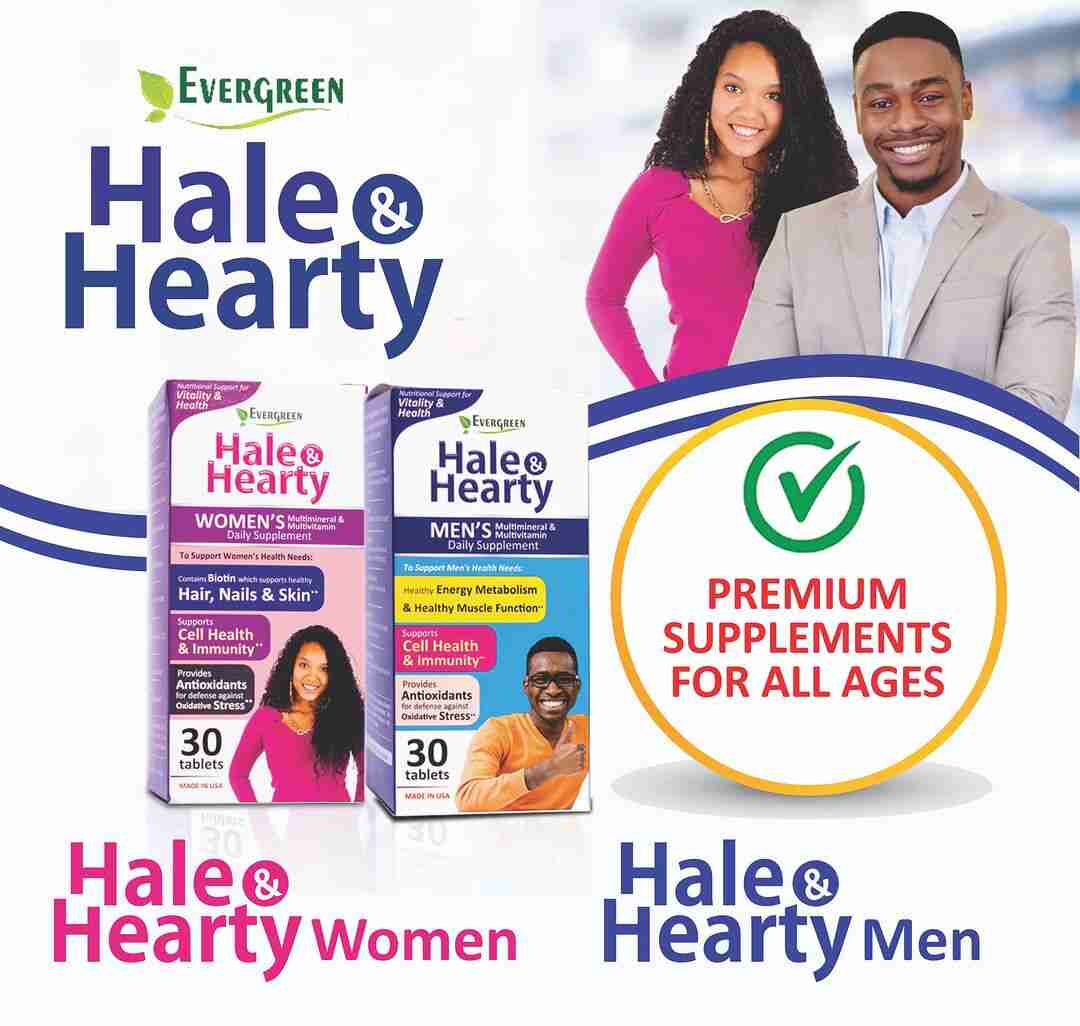
Evergreen Formula for Women
While EggBoost targets the mitochondrial and ovulatory mechanisms directly, Evergreen Formula for Women covers the wider nutritional and herbal inputs that the hormonal environment depends on. It contains Vitamins A, C, B1, B2, B3, B6, B9, and B12, alongside iron, iodine, zinc, selenium, and copper. The herbal side includes red clover extract (Trifolium pratense), chasteberry (Vitex) extract, PABA, eleuthero ginseng extract, and ginkgo biloba extract.
Each of those ingredients has published evidence behind it, several of which are cited in the sections above. The formulation is not designed as a treatment for irregular periods. What it does is address the nutritional and herbal deficits that published research connects to suboptimal ovulatory function and reproductive hormone balance.
Taken together, EggBoost and Evergreen Formula for Women cover the mechanisms that matter most when looking at the top fertility supplements for egg quality and ovulation: mitochondrial energy, insulin signalling, oxidative protection, androgen regulation, pelvic blood flow, stress axis buffering, and the micronutrient substrate that hormonal pathways run on.
How Long Does Supplementation Take to Show Results?
A human egg takes approximately 90 days to move from initial recruitment through follicle development to the point of potential ovulation. That timeline is why most reproductive nutrition studies run for at least 12 weeks before measuring outcomes.
Women who start the top fertility supplements for egg quality and ovulation and stop after four weeks because nothing obvious has changed have not given the intervention enough time to work at the follicular level. Two to three complete menstrual cycles is the minimum observation window. Three to six months is more realistic for consistent improvement in ovulation quality and egg health markers.
The exception: women with acute iron or Vitamin D deficiency sometimes see cycle changes within four to six weeks of correction. But for egg quality specifically, where the relevant processes happen over a full follicular recruitment cycle, patience with the timeline is a clinical requirement, not a suggestion.
What the Research Does Not Support
Alongside the evidence-backed compounds, the fertility supplement market contains several products that sell well but lack clinical evidence for egg quality or ovulation specifically.
- High-dose royal jelly: popular in fertility communities but without controlled human trial data for egg quality outcomes
- Wheatgrass shots and ‘detox’ supplements: no published clinical evidence for reproductive benefit; potential for interaction with other supplements
- Excessive Vitamin A: fat-soluble and stored in the body; doses significantly above the recommended daily amount are teratogenic in early pregnancy. Any supplement containing Vitamin A should stay within established safe limits
- Multiple antioxidants at high doses simultaneously: at very high individual doses, antioxidants can become pro-oxidants; combination products at research-backed doses are safer than stacking multiple high-dose individual supplements
The top fertility supplements for egg quality and ovulation are those with documented mechanisms and published human trial data. The supplement market has no shortage of products that cite animal studies or theoretical pathways. The gap between animal model evidence and human clinical benefit is not small.
FAQs
Are these supplements safe to take while trying to conceive naturally?
Most of the compounds discussed are well-tolerated and have acceptable safety profiles in the clinical literature. CoQ10, inositol, and B-complex vitamins in particular have strong safety records at standard supplementation doses. Anyone on prescription medications, particularly hormonal treatments or metformin, should discuss supplement use with their prescriber before starting.
Which of the top fertility supplements for egg quality and ovulation matters most for women over 35?
CoQ10 has the most direct evidence for age-related egg quality decline specifically. Mitochondrial CoQ10 levels fall with age. Supplementation partially compensates for that decline. Most reproductive endocrinologists who recommend supplementation for older women start here, often at doses of 400 to 600 mg daily for 60 to 90 days before retrieval or during the conception attempt period.
Do I need to test for deficiencies before starting?
Testing for Vitamin D, iron (including ferritin), and thyroid function before starting is worth doing if accessible. These are common deficiencies with specific, measurable cut-offs for intervention. For CoQ10, inositol, and the herbal compounds, standard supplementation doses are safe without prior testing.
Can these supplements replace medical treatment for infertility?
No. Supplementation improves the nutritional and cellular environment. It does not treat structural problems like blocked tubes, severe endometriosis, or male factor infertility. Women who have been trying to conceive for 12 months (6 months over age 35) without success need medical evaluation, not more supplements.
Conclusion
The top fertility supplements for egg quality and ovulation are not a marketing category. They are a set of specific compounds with documented mechanisms in the reproductive system. CoQ10 for mitochondrial energy. Inositol for follicular insulin signalling. Vitamins C and E for oxidative protection. Vitamin D for ovarian receptor function. Zinc and selenium for follicle-level antioxidant activity. B vitamins for DNA synthesis, hormone metabolism, and mitochondrial support. Herbal compounds like Vitex, red clover, ginkgo, and eleuthero for the hormonal and circulatory inputs that govern ovulation.
Each one has a specific job. The women who see results are generally those who cover multiple mechanisms consistently over a time frame long enough for follicular development to respond. Three months minimum. Six months is more realistic.
Start with what has the strongest evidence for your specific situation. Add the others as your protocol allows. And give it time. Egg quality changes slowly, in both directions.