Introduction
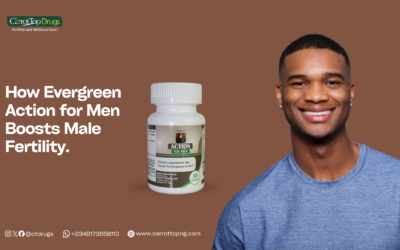
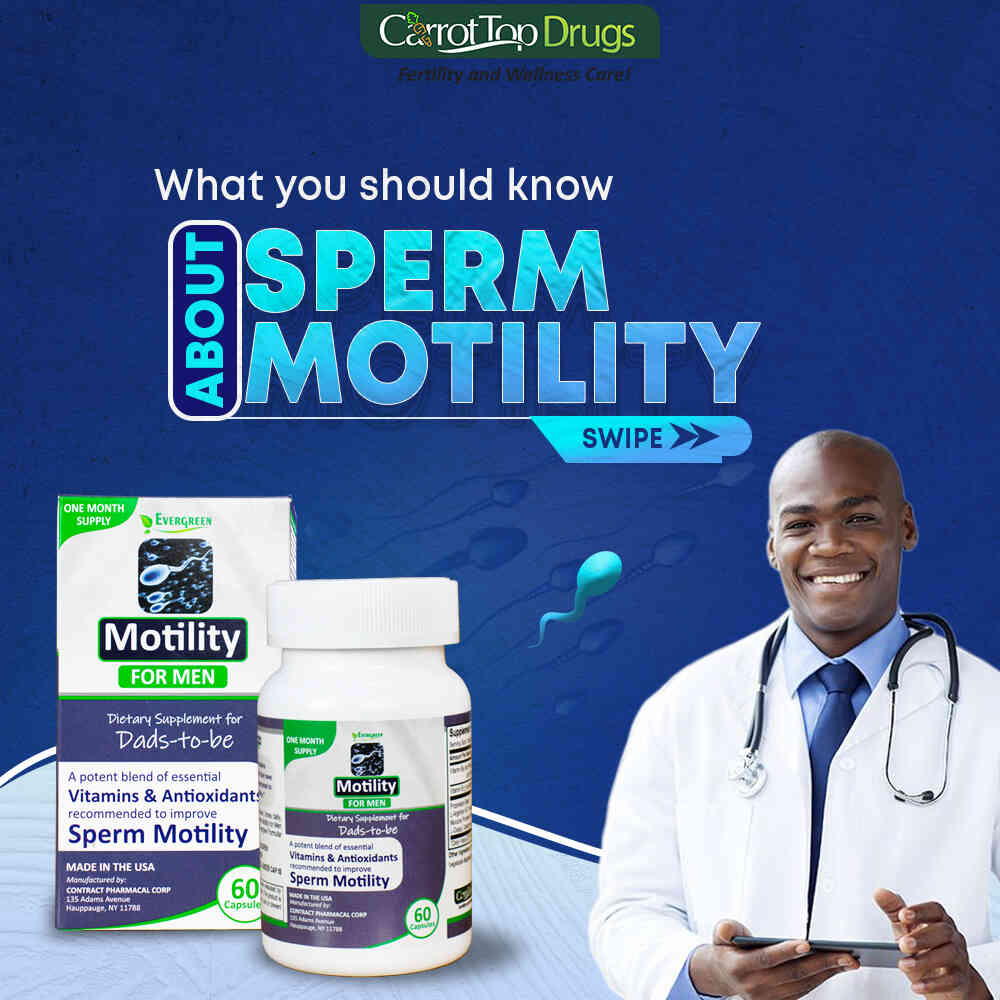
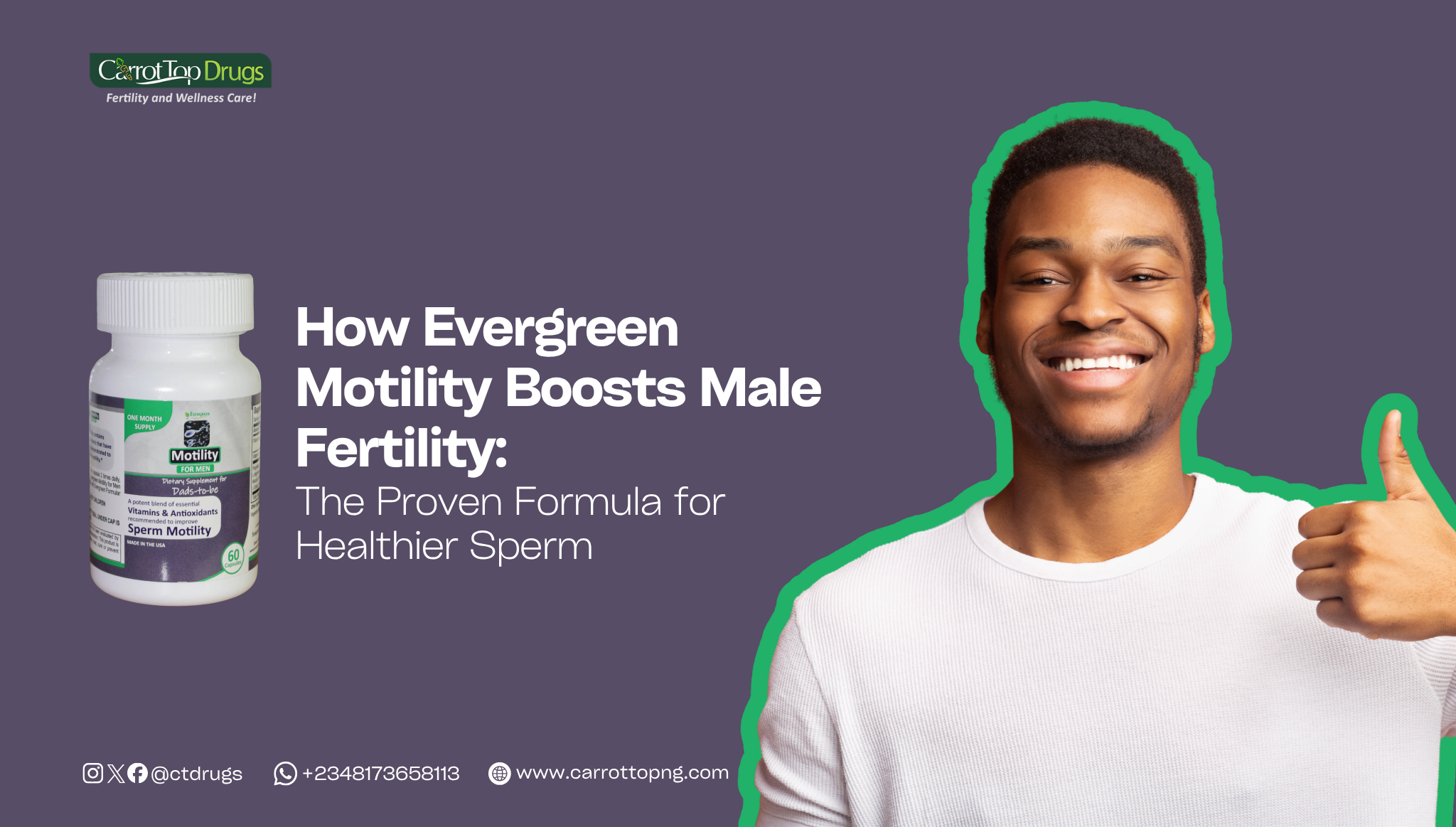
How Evergreen Motility boosts male fertility is what this is all about. Why? Well, you can have millions of sperm and still not get your partner pregnant.
That is the part most men do not know until a semen analysis comes back and a doctor explains it. Count matters. But motility, the ability of sperm to swim purposefully toward the egg, matters just as much.
Low sperm motility, clinically called asthenozoospermia, is one of the most common causes of male infertility. And unlike some fertility problems, it responds well to targeted nutritional intervention.
This guide explains what sperm motility actually is, why it fails, which nutrients science has proven can restore it, and how Evergreen Motility addresses all of it in a single, specifically designed formula. No guesswork. No generic multivitamin logic. Just what the evidence shows.
40–50% of male infertility cases involve sperm motility problems as a primary or contributing factor
1 in 20 men has clinically low sperm count or motility without knowing it
74 days is how long it takes to grow a new generation of sperm — meaning what you do today shapes your fertility in 3 months
What Is Sperm Motility and Why Does It Matter So Much?
Motility is not just movement. It is directional, purposeful swimming. The egg does not come to the sperm. The sperm has to make a long, obstacle-filled journey entirely on its own.
From the moment sperm is deposited, it must swim through the vagina, navigate the cervical mucus, travel through the uterus, and reach the fallopian tube where the egg waits. That journey covers roughly 15 to 18 centimetres, which at sperm scale is the equivalent of a human swimming the English Channel.
Sperm that cannot swim progressively forward will not complete that journey. It does not matter how many there are.
The Three Motility Categories
• Progressive motility: sperm swimming in a straight line or large curves. WHO minimum: 32%. This is the critical figure.
• Non-progressive motility: sperm moving but not advancing. They use energy but go nowhere useful.
• Immotile: sperm not moving at all. These cannot fertilise an egg without assisted reproduction techniques.
A total motility below 40% meets the WHO clinical threshold for abnormal. A 2021 analysis of semen quality data from 15,000 men confirmed that low progressive motility is independently associated with significantly reduced natural conception rates.
The number that matters most on a semen analysis is progressive motility. That single figure tells you how many of your sperm can actually complete the journey.
What Causes Low Sperm Motility?
Poor motility rarely has a single cause. It is usually the end result of several factors converging. Understanding them is the first step toward reversing the problem.
Oxidative Stress in Seminal Plasma
This is the most documented cause of poor motility worldwide. Sperm cells are uniquely vulnerable to oxidative damage.
Their cell membranes are rich in polyunsaturated fatty acids, which are highly susceptible to attack by reactive oxygen species (free radicals). When oxidative stress overwhelms the sperm’s limited antioxidant defences, the result is damaged membranes, impaired energy production, and reduced motility.
Elevated seminal reactive oxygen species are found in 25 to 40% of infertile men. A 2019 systematic review in Antioxidants confirmed oxidative stress as the primary cellular mechanism behind asthenozoospermia in most affected men.
Mitochondrial Dysfunction
Sperm motility is powered by ATP, the cell’s energy currency. ATP is produced in the mitochondria located in the sperm midpiece.
When mitochondria function poorly, sperm do not have the energy to sustain forward swimming. They may start moving and then stall. Or they may swim weakly and inconsistently.
Mitochondrial dysfunction in sperm is directly correlated with reduced ATP production and impaired motility in clinical studies. Research published in Human Reproduction in 2020 confirmed that mitochondrial membrane potential is a reliable predictor of sperm motility capacity.
Varicocele
A varicocele is an enlargement of the veins in the scrotum, similar to varicose veins in the legs. It raises scrotal temperature and creates a toxic venous reflux environment for developing sperm.
Varicoceles are found in 35 to 40% of men being evaluated for infertility. They are the most common surgically correctable cause of male infertility. Even without surgery, nutritional support can reduce the oxidative damage varicoceles cause.
Infections and Inflammation
Bacterial infections of the reproductive tract, including the epididymis and prostate, trigger inflammatory responses that damage sperm directly.
White blood cells fighting infection release free radicals as part of the immune response. This collateral damage impairs motility and morphology significantly.
Nutritional Deficiencies
L-Carnitine, CoQ10, zinc, selenium, B12, and folate are all directly involved in sperm energy production and structural integrity.
Hormonal Imbalance
Testosterone drives spermatogenesis. Luteinising hormone (LH) and follicle-stimulating hormone (FSH) regulate its production.
Disruptions in this hormonal axis, from stress, obesity, environmental toxins, or thyroid dysfunction, all impair sperm production and motility downstream.
Can You Get Pregnant With 30% Motility?
This is one of the most searched questions around male fertility. The honest answer is: it depends on several other factors.
30% total motility sits below the WHO normal threshold of 40%. But it is not zero. Natural conception is possible with 30% motility, particularly if progressive motility is still reasonable and sperm count is normal.
However, conception probability is meaningfully lower than in men with normal motility. Each fertility parameter works multiplicatively. Poor motility combined with slightly low count or borderline morphology creates a compounded disadvantage.
Studies show that men with total motility between 20 and 40% experience significantly longer time-to-conception compared to men above the 40% threshold. A 2020 prospective cohort study confirmed that each 10-percentage-point drop in progressive motility was associated with a 15% reduction in monthly conception probability.
30% motility is not a closed door. But it is a signal your body is giving you. One worth acting on.
The good news is that motility responds well to intervention. Unlike structural reproductive problems, sperm motility is biochemically improvable with the right nutritional strategy applied consistently over a full spermatogenesis cycle.
The Nutrients That Drive Sperm Motility: What the Science Actually Shows
This is where most supplements fall short. They include one or two motility-relevant nutrients and pad the rest with general vitamins.
What true motility optimisation requires is a stack of synergistic compounds, each targeting a different rate-limiting step in sperm energy production, antioxidant defence, and structural development.
L-Carnitine and L-Carnitine L-Tartrate
L-Carnitine is not optional for sperm motility. It is essential. The epididymis, where sperm mature, contains the highest concentration of L-Carnitine of any organ in the male body.
L-Carnitine’s role is to shuttle long-chain fatty acids into the mitochondria for energy production. Without sufficient L-Carnitine, sperm mitochondria cannot produce enough ATP to sustain progressive forward movement.
L-Carnitine L-Tartrate is the most bioavailable form. It is absorbed faster and reaches effective concentrations in reproductive tissue more efficiently than standard L-Carnitine.
A double-blind randomised trial showed that L-Carnitine supplementation significantly improved total motility, progressive motility, and sperm count after 3 months. The trial, published in Fertility and Sterility, found improvements in progressive motility of up to 30% above baseline in the supplemented group.
Coenzyme Q10
CoQ10 is the powerhouse behind mitochondrial ATP synthesis. It sits at the centre of the electron transport chain, the biological engine that generates cellular energy.
In sperm specifically, CoQ10 concentration in the midpiece predicts motility capacity. Higher seminal plasma CoQ10 correlates directly with better progressive motility.
A meta-analysis of six randomised controlled trials concluded that CoQ10 supplementation produced statistically significant improvements in sperm concentration, total motility, and progressive motility. Effects were most pronounced at 3 to 6 months.
CoQ10 also functions as a powerful antioxidant inside sperm cells, protecting mitochondrial DNA from free radical damage. It addresses both the energy deficit and the oxidative stress problem simultaneously.
L-Arginine
L-Arginine is the precursor to nitric oxide (NO). Nitric oxide plays a specific role in male reproductive physiology that most fertility guides omit entirely.
Nitric oxide dilates blood vessels in the reproductive tract, improving circulation and nutrient delivery to the testes and epididymis. It also appears to modulate sperm capacitation, the final activation process sperm undergo before they can fertilise an egg.
Clinical studies have shown that L-Arginine supplementation improves sperm motility in men with moderate asthenozoospermia. A 2019 randomised trial demonstrated significant increases in progressive motility after 3 months of L-Arginine supplementation.
The HCL salt form ensures superior solubility and absorption compared to standard L-Arginine base.
N-Acetylcysteine (NAC)
NAC is the body’s most direct precursor to glutathione, the master antioxidant. Glutathione is produced inside cells and provides a level of free radical protection that dietary antioxidants cannot fully replicate.
In seminal plasma, glutathione protects sperm from the oxidative environment they encounter during their journey through the female reproductive tract.
NAC also directly scavenges reactive oxygen species in seminal plasma, adding a second layer of antioxidant protection beyond its glutathione-boosting role.
Quercetin
Quercetin is a flavonoid found in onions, apples, and berries. At supplemental doses, it functions as a potent anti-inflammatory and antioxidant in testicular tissue.
Chronic low-grade inflammation in the testes disrupts spermatogenesis and impairs the epididymal environment where sperm mature. Quercetin directly counteracts this inflammatory burden.
Animal studies and early human data show quercetin improves sperm motility and reduces testicular oxidative damage. A 2020 study confirmed quercetin’s protective effect on sperm mitochondrial membrane potential under oxidative stress conditions.
Quercetin is rarely included in male fertility supplements because it is more expensive to source at therapeutic doses. Its presence here is a meaningful differentiator.
Mucuna Pruriens Extract
Mucuna Pruriens is a tropical legume with a well-established history in Ayurvedic medicine for male reproductive support. The active compound L-DOPA, a precursor to dopamine, drives its fertility effects.
It works through the hypothalamic-pituitary-gonadal axis. By raising dopamine levels, Mucuna Pruriens increases LH and FSH secretion, which drives testosterone production and stimulates spermatogenesis.
A human clinical trial showed that Mucuna Pruriens supplementation significantly improved sperm motility, sperm count, and testosterone levels in infertile men. The trial, published in Fertility and Sterility, showed a 37% improvement in sperm motility after 3 months in men with idiopathic infertility.
Mucuna Pruriens also directly reduces seminal oxidative stress and improves the antioxidant profile of semen through its own flavonoid content.
Vitamin B12
Vitamin B12 is essential for DNA synthesis and cell division. In sperm production, where cells divide rapidly and continuously, B12 deficiency creates a bottleneck.
Low B12 is directly linked to reduced sperm count and impaired motility. B12 supplementation in deficient men consistently improves both parameters.
Vitamin B6
B6 is a co-factor in over 100 enzymatic reactions, including those involved in amino acid metabolism and testosterone synthesis.
It supports the production of neurotransmitters that regulate hormonal signalling. Adequate B6 also reduces homocysteine, elevated levels of which are associated with poor sperm quality.
How Evergreen Motility Brings All of This Together
Every competitor product in this category does the same thing. They pick two or three of the nutrients above and call it a motility supplement.
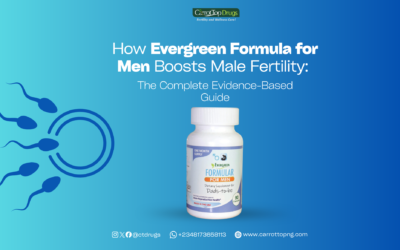
Evergreen Motility does something different. It targets every known mechanism behind poor sperm motility simultaneously: energy production, antioxidant defence, hormonal signalling, inflammation, and cellular development.
This is the distinction that matters. A supplement that only boosts energy but ignores oxidative stress is like fixing one flat tyre and ignoring the other three.
| Ingredient | How It Boosts Motility | Evidence | Unique? |
| L-Carnitine L-Tartrate | Primary fuel for sperm mitochondria; directly drives forward swimming | Multiple RCTs | Yes |
| L-Arginine HCL | Precursor to nitric oxide; dilates vessels in reproductive tract; enhances sperm energy | Consistent clinical data | Yes |
| Coenzyme Q10 | Powers ATP synthesis in sperm midpiece; protects sperm DNA from oxidative attack | Gold-standard evidence | Yes |
| N-Acetylcysteine (NAC) | Replenishes glutathione; neutralises reactive oxygen species in seminal plasma | Strong clinical support | Yes |
| Quercetin | Plant flavonoid; reduces inflammation and oxidative stress in testicular tissue | Emerging strong evidence | Yes |
| Mucuna Pruriens Extract | Raises testosterone and LH; shown in trials to improve sperm motility directly | Human RCT data | Yes |
| Vitamin B6 | Co-factor in amino acid metabolism; supports testosterone pathway | Established | Partial |
| Vitamin B12 | Essential for sperm DNA synthesis and cell division; deficiency linked to low motility | Well-documented | Partial |
The combination of L-Carnitine L-Tartrate with CoQ10 addresses sperm energy at two levels of the mitochondrial pathway. Adding NAC and Quercetin provides both intracellular and extracellular antioxidant protection. L-Arginine improves circulation and capacitation. Mucuna Pruriens drives the upstream hormonal signals.
B6 and B12 ensure the metabolic co-factors are in place for all of this to work. Remove any one component and the system becomes less effective.
Get Evergreen Motility directly here: Evergreen Motility on CarrotTop Drugs.
Which Herbs Are Best for Sperm Motility?
The herbal component of fertility supplementation is where most products are weakest. Either they include underdosed extracts with no clinical backing, or they omit herbs entirely.
The evidence for two specific herbs is now strong enough that they belong in any serious motility supplement.
Mucuna Pruriens
As covered above, Mucuna Pruriens has direct, clinically demonstrated effects on sperm motility and testosterone. It is not a traditional remedy with vague benefits. It has human trial data.
Its mechanism is distinct from all the nutritional ingredients in the formula. It operates at the hormonal level, addressing the upstream signals that determine how much and how well sperm are produced.
Ashwagandha
Ashwagandha is the most searched herb for male fertility. The evidence supports it for testosterone and stress reduction, both of which support sperm quality indirectly.
Mucuna Pruriens operates through a similar but distinct hormonal pathway and is specifically formulated into Evergreen Motility for its more directly documented effects on sperm parameters.
Foods That Increase Sperm Motility: What to Eat Alongside Your Supplement
No supplement works in isolation. What you eat creates the biochemical environment in which sperm develop. Here is what the evidence supports.
Foods That Boost Sperm Motility
• Walnuts: rich in omega-3 fatty acids and antioxidants. A 12-week trial showed walnuts improved sperm vitality, motility, and morphology.
- • Dark leafy greens: high in folate, which supports sperm DNA synthesis and integrity.
- • Tomatoes: rich in lycopene, a carotenoid antioxidant shown to improve sperm motility in clinical trials.
- • Pomegranate juice: polyphenols in pomegranate reduce seminal oxidative stress and improve motility.
- • Eggs: provide selenium, zinc, and protein essential for sperm structure.
- • Oysters: the single richest dietary source of zinc, critical for testosterone and sperm formation.
- • Fatty fish: salmon, mackerel, and sardines provide DHA, an omega-3 that is incorporated into sperm cell membranes.
Foods That Harm Sperm Motility
- • Processed meats: associated with significantly lower sperm motility in multiple observational studies.
- • High-fat dairy products: linked to reduced sperm motility, possibly through oestrogen content.
- • Trans fats: found in fried and ultra-processed foods. Directly associated with lower sperm count and motility.
- • Excessive alcohol: suppresses testosterone and impairs sperm quality at every level.
- • Soy products in excess: contain phytoestrogens that may interfere with testosterone signalling.
- • Sugar-sweetened beverages: associated with reduced progressive motility in multiple cohort studies.
How Long Does It Take to Improve Sperm Motility?
This is the question that determines whether men stay consistent or give up too early.
Sperm take 64 days to develop plus 10 to 14 days of epididymal maturation. The full cycle is 74 to 76 days. Any supplement you start today cannot affect sperm that already exist.
It improves the next generation. Which means the minimum time horizon for evaluating results is 90 days. The ideal assessment window is 6 months.
Clinical trials consistently show meaningful improvements in motility at the 3-month mark. A 2020 systematic review of motility-focused supplementation trials found the greatest improvements between months 3 and 6 of consistent supplementation.
Consistency over 90 days matters more than dose optimisation. The men who stop at 6 weeks are the ones who never see results.
For men with a documented motility problem, a repeat semen analysis at 90 days and again at 6 months gives you the clearest picture of progress.
Lifestyle Changes That Directly Improve Sperm Motility
Reduce Scrotal Heat
Sperm production requires a temperature 2 to 4 degrees below core body temperature. Even modest increases impair motility.
- • Switch from tight synthetic underwear to loose cotton boxers.
- • Avoid hot baths and saunas during active conception attempts.
- • Do not place laptops directly on your lap for extended periods.
- • Take breaks from sitting every 45 to 60 minutes if your work is desk-based.
Stop Smoking
Tobacco smoke is one of the most potent reproductive toxins for men. Its free radicals damage sperm DNA and cell membranes directly.
Smokers have significantly lower progressive motility and higher DNA fragmentation rates than non-smokers, independent of other factors. A 2019 meta-analysis confirmed that smoking reduces sperm motility by an average of 13% compared to non-smoking controls. This is not marginal. It is clinically significant.
Limit Alcohol
Alcohol suppresses testosterone through its effect on Leydig cells in the testes. Heavy drinking also elevates oestrogen by burdening the liver’s ability to metabolise it.
During active conception attempts, keeping alcohol to a maximum of two units twice per week is a reasonable evidence-based target.
Manage Stress
Chronic stress elevates cortisol and suppresses the LH and FSH signals that drive testosterone production and spermatogenesis.
Exercise is one of the most effective cortisol regulators. Moderate-intensity training four times per week significantly improves hormonal balance and sperm parameters in stressed men.
Frequently Asked Questions
How to increase sperm motility in 24 hours?
Meaningful improvement in sperm motility cannot be achieved in 24 hours through supplementation alone. Spermatogenesis takes 74 days.
However, in the very short term, adequate hydration increases semen volume and concentration. Abstaining from ejaculation for 2 to 5 days increases the proportion of progressively motile sperm in a sample. Avoiding heat exposure to the scrotum in the days before a fertility test or a conception attempt can also marginally improve motility in that sample.
For lasting improvement, a 90-day supplementation protocol with L-Carnitine, CoQ10, NAC, and supporting nutrients is the evidence-based approach.
Can I get pregnant with 30% motility?
Yes, natural conception is possible with 30% total motility, but the probability is meaningfully reduced compared to men with normal motility above 40%.
Outcomes depend on the progressive motility figure specifically, sperm count, morphology, and your partner’s fertility parameters. 30% is a signal worth addressing with nutritional and lifestyle intervention rather than accepting as a fixed baseline.
Which herb is best for sperm motility?
The strongest clinical evidence for direct motility improvement points to Mucuna Pruriens and Ashwagandha. Both have human randomised controlled trial data supporting meaningful improvements in progressive motility.
Mucuna Pruriens works through the hypothalamic-pituitary axis, raising LH and testosterone. Ashwagandha reduces cortisol and oxidative stress in reproductive tissue. They target different mechanisms and can be complementary.
How to increase male sperm motility effectively?
The most effective approach combines three things simultaneously: nutritional supplementation with a complete motility-focused formula, dietary improvements toward a Mediterranean-style pattern, and lifestyle modification to reduce oxidative stress and scrotal heat.
Supplementation alone improves motility. Combined with diet and lifestyle, the effect is significantly greater. A 90-day commitment is the minimum timeframe to evaluate results meaningfully.
What is the fastest way to boost sperm?
Speed is relative in fertility terms. The fastest measurable improvements typically appear within 90 days of consistent supplementation combined with lifestyle changes.
The most impactful immediate actions are: stopping smoking (reduces oxidative damage within weeks), switching to loose cotton underwear (reduces scrotal temperature almost immediately), increasing hydration, and starting a comprehensive motility supplement.
How to make sperm stronger for pregnancy?
Strong sperm means high motility, normal morphology, intact DNA, and adequate count. No single nutrient delivers all of these. A formula that combines L-Carnitine, CoQ10, NAC, zinc, selenium, and herbal support addresses each parameter at its specific biochemical level.
Dietary pattern is equally important. A Mediterranean-style diet rich in antioxidants, omega-3 fats, and whole foods creates the best biochemical environment for sperm development.
Best vitamins for male fertility: what should I look for?
Prioritise formulas containing: CoQ10 at 200mg or above, L-Carnitine or L-Carnitine L-Tartrate, zinc as zinc gluconate for bioavailability, selenium, vitamins C and E as antioxidant partners, B12 and folic acid for DNA synthesis, and at least one clinically supported herbal extract.
Generic multivitamins do not meet this standard. Male fertility supplements specifically formulated around the mechanisms of sperm production are meaningfully different in their impact.
Top vitamins to increase sperm count and motility: are they different?
Partially. Some nutrients improve both count and motility because they operate upstream in spermatogenesis. Zinc, B12, folate, and herbal testosterone supporters like Mucuna Pruriens improve the volume of sperm produced.
Others are more motility-specific: L-Carnitine, CoQ10, L-Arginine, and NAC primarily improve the energy and antioxidant capacity of sperm that are already being produced. A complete formula addresses both layers.
How to increase sperm volume overnight?
Significant volume increases overnight are not biologically possible through supplementation. The fastest way to maximise sperm volume for a specific sample is abstinence of 2 to 4 days beforehand, combined with high hydration in the 24 hours prior.
Long-term volume increases come from sustained improvements in testosterone levels, achieved through diet, resistance exercise, adequate sleep, zinc and B-vitamin supplementation, and reduction of environmental oestrogen exposure.
Top 5 male fertility supplements: what do the best ones have in common?
The top male fertility supplements consistently include CoQ10, L-Carnitine, zinc, selenium, and at least one clinically tested herbal compound. The best ones also include NAC for intracellular antioxidant protection and a complete B-vitamin profile.
What separates the top tier from the rest is not individual ingredients but the comprehensiveness of the formula and whether each ingredient is present at a clinically relevant dose. An ingredient listed at 10mg when trials used 500mg is marketing, not medicine.
Sperm Motility Is Not Fixed. It Is Fixable.
A diagnosis of low sperm motility is not a life sentence. The biology is clear. Motility responds to targeted nutritional intervention when the right compounds are used at meaningful doses over a sufficient timeframe.
The challenge is that most available supplements are too narrow in their approach. They address one mechanism while leaving others untouched. The result is partial improvement at best.
Evergreen Motility was designed around the full picture of what drives sperm motility, from mitochondrial energy to antioxidant defence to hormonal signalling. That comprehensiveness is what makes the difference.
If you have been diagnosed with poor sperm motility, or if you simply want to give your partner the best possible chance of pregnancy this cycle, this is the supplement built specifically for that problem.
Start your 90-day motility protocol today. Get Evergreen Motility on CarrotTop Drugs and build the sperm quality your fertility journey requires.