Introduction
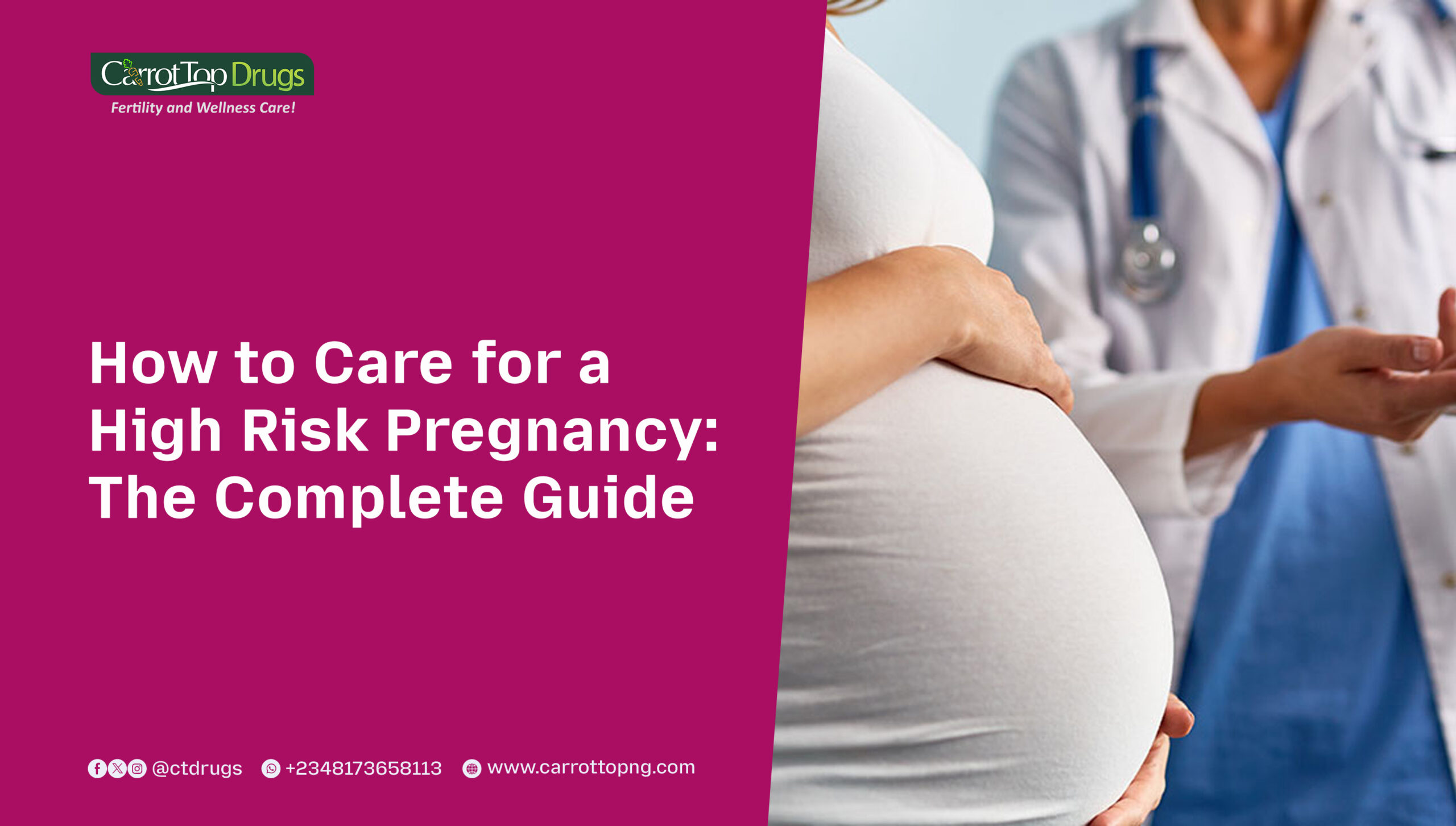
Caring for a high risk pregnancy starts on day one — before things go wrong. Between 6% and 8% of all pregnancies in the United States qualify as high risk. Yet many women receive little guidance beyond “see your doctor more often.” This guide closes that gap. You will learn what makes a pregnancy high risk, which warning signs demand action, and how to build a care plan that protects both you and your baby.
The term high risk pregnancy simply means your pregnancy carries a greater-than-average chance of complications. It does not mean your pregnancy will fail. With the right team, the right habits, and the right nutrition, many women with high risk pregnancies deliver healthy babies. This guide shows you how.
What Makes a Pregnancy High Risk?
A pregnancy becomes high risk when conditions threaten the health of the mother, the baby, or both. Some conditions exist before conception. Others develop during pregnancy. According to Cleveland Clinic, the most common factors include:
- Age below 17 or above 35 raises the chance of chromosomal problems, preeclampsia, and gestational diabetes.
- Pre-existing conditions such as diabetes, hypertension, lupus, kidney disease, or HIV.
- Obesity, which increases risk of gestational diabetes, preeclampsia, and cesarean delivery.
- Multiple pregnancies (twins, triplets) due to higher demand on the mother’s body.
- A history of preterm birth, miscarriage, or previous pregnancy complications.
- Fetal abnormalities detected during prenatal scans.
- Lifestyle factors including smoking, alcohol use, or recreational drug use.
Not every risk factor leads to complications. Your care team assigns your pregnancy a risk level based on the full picture. Understanding what makes a pregnancy high risk helps you take it seriously without spiraling into fear.
High Risk Pregnancy Symptoms and Warning Signs You Must Know
Many high risk pregnancies show no symptoms at first. That is exactly what makes them dangerous. Routine prenatal visits catch problems early — before you feel anything unusual. Still, certain high risk pregnancy symptoms and warning signs demand you act fast.
Contact your doctor immediately if you experience any of the following:
- Severe headache that does not go away or keeps getting worse.
- Sudden swelling of the face, hands, or feet beyond normal pregnancy puffiness.
- Blurred or double vision, flashing lights, or spots in your field of view.
- Sharp pain in the upper right side of your abdomen.
- Shortness of breath or a racing heartbeat not explained by exertion.
- Your baby’s movement slows dramatically or stops.
- Vaginal bleeding at any point in pregnancy.
- Fever above 100.4°F (38°C) without a clear cause.
According to the American College of Obstetricians and Gynecologists (ACOG), high risk pregnancies often require more frequent fetal monitoring to detect these warning signs early. Do not wait to see if symptoms improve on their own. Early action saves lives.
How to Care for a High Risk Pregnancy: 10 Proven Steps
Managing a high risk pregnancy well demands more than passive cooperation. You need a proactive plan. Here are ten steps that make a real difference.
1. Show Up to Every Prenatal Appointment
High risk pregnancies often require visits every one to two weeks instead of once a month. Each visit checks your blood pressure, urine protein, fetal heart rate, and growth. Missing even one appointment creates a gap in monitoring that complications can slip through. Prepare questions before each visit. Write them down. Your provider’s answers shape your care decisions.
2. Build a Care Team Around Your Specific Risk
Your OB-GYN may refer you to a maternal-fetal medicine (MFM) specialist also called a perinatologist. Other specialists such as cardiologists, endocrinologists, or nephrologists may join your team depending on your conditions. Make sure every specialist communicates with the others. Your care should feel coordinated, not fragmented.
3. Monitor Your Blood Pressure Daily at Home
Blood pressure above 140/90 mmHg during pregnancy signals preeclampsia risk. Buy a validated home blood pressure cuff. Take readings at the same time each day. Log every reading and bring the log to each prenatal visit. A pattern of rising numbers alerts your doctor before symptoms become severe.
4. Control Blood Sugar Through Diet and Exercise
Gestational diabetes management centers on keeping blood sugar stable through the day. Eat small, balanced meals every three to four hours. Choose complex carbohydrates over refined sugars. Pair every carbohydrate with a protein or healthy fat. Moderate exercise — even a 15-minute walk after meals — lowers blood sugar significantly. The American Diabetes Association recommends preprandial blood glucose targets of 70 to 95 mg/dL for pregnant women with gestational diabetes.
5. Take the Right Prenatal Supplement Daily
Nutrition is the foundation of a healthy high risk pregnancy. Many women enter pregnancy with deficiencies they do not know about. A complete prenatal supplement fills those gaps and protects fetal development at every stage.
Evergreen Natal Care is a comprehensive prenatal supplement designed to support both maternal health and fetal development. It corrects nutritional deficiencies that raise pregnancy risk. Evergreen Natal Care contains a full spectrum of nutrients clinically linked to healthy pregnancies:
- Vitamins A, C, D3, E, and K support immune function, bone development, and antioxidant protection.
- B vitamins (B1, B2, B3, B6, B9, B12) fuel energy metabolism and neural tube formation.
- Folic acid (Vitamin B9) reduces the risk of brain and spinal cord defects by up to 70%, per the CDC.
- Biotin and pantothenic acid support cell growth and hormone synthesis.
- Iron prevents anemia — a common and serious complication in high risk pregnancies.
- Calcium and Vitamin D3 together build the baby’s bones without depleting the mother’s stores.
- Iodine supports fetal brain development and thyroid function.
- Zinc and copper contribute to immune defense and enzyme activity in both mother and baby.
Evergreen Natal Care addresses the full nutritional picture. When combined with good diet and medical supervision, it gives high risk pregnancies a stronger nutritional foundation from day one.
6. Follow a High Risk Pregnancy Diet
Food choices carry real weight in a high risk pregnancy. Build every meal around lean proteins, leafy greens, whole grains, and healthy fats. Limit processed foods, added sugars, and excess sodium — all of which raise blood pressure and blood sugar. Stay well hydrated. Aim for at least eight cups of water daily unless your doctor advises otherwise. Avoid undercooked meat, raw seafood, and unpasteurized products that carry infection risk.
7. Exercise Safely and Consistently
Exercise benefits almost every high risk pregnancy unless your doctor restricts activity. Regular aerobic exercise reduces the odds of developing gestational diabetes by 38%, gestational hypertension by 39%, and preeclampsia by 41%. This comes from a systematic review cited by the American Diabetes Association. Choose low-impact activities such as walking, swimming, or prenatal yoga. Aim for 20 to 30 minutes most days. Always get your provider’s approval before starting or changing your exercise routine.
8. Manage Stress Deliberately
Chronic stress raises cortisol, which elevates blood pressure and impairs immune function. Both are dangers in a high risk pregnancy. Practice deep breathing or guided meditation for at least ten minutes daily. Set boundaries with work and social obligations that drain your energy. Connect with a licensed therapist if anxiety or depression becomes persistent. Your mental health directly affects your baby’s development.
9. Know Your Medications Inside Out
Some medications safe before pregnancy become dangerous during it. Others become necessary because of pregnancy-related conditions. Tell every member of your care team about every pill, supplement, or herbal product you take. Never stop a prescribed medication without consulting your doctor first. Women at high risk for preeclampsia may receive low-dose aspirin starting at 12 weeks of pregnancy, per Mayo Clinic.
10. Plan Your Delivery in Advance
High risk pregnancies often end before 39 weeks to prevent worsening maternal conditions. Discuss your delivery plan with your care team well before your due date. Know which hospital you will use. Confirm it has a Level III or IV Neonatal Intensive Care Unit (NICU) for newborn emergencies. Create a flexible birth plan that accounts for the possibility of cesarean delivery or early induction.
Gestational Diabetes Management: What Every High Risk Mother Needs to Know
Gestational diabetes affects an estimated 2% to 10% of pregnancies worldwide. It develops when pregnancy hormones block the body’s ability to use insulin effectively. Blood sugar rises. Without control, it harms both mother and baby.
Effective gestational diabetes management involves four pillars:
- Blood sugar monitoring: Check levels before and after meals. Keep fasting levels below 95 mg/dL.
- Medical nutrition therapy: Work with a dietitian to design a carbohydrate-controlled meal plan.
- Physical activity: A 15-minute walk after each meal lowers post-meal blood sugar reliably.
- Medication: Some women need insulin or metformin if diet and exercise alone cannot control blood sugar.
Uncontrolled gestational diabetes raises the risk of macrosomia (a very large baby), shoulder dystocia during delivery, and neonatal hypoglycemia. It also raises the mother’s lifetime risk of type 2 diabetes. Between 50% and 70% of women with gestational diabetes later develop type 2 diabetes, according to Brigham and Women’s Hospital. Managing it now protects your long-term health too.
Preeclampsia Signs and Treatment: A Critical Chapter in High Risk Pregnancy Care
Preeclampsia affects 5% to 8% of all births in the United States. It causes 15% of all premature deliveries. Globally, it kills around 76,000 pregnant women each year, per the Heart Research Institute. Yet many women with preeclampsia feel completely normal — right up to a medical emergency.
Preeclampsia signs and treatment begin with recognition. Know these warning signs:
- Blood pressure at or above 140/90 mmHg on two readings at least four hours apart.
- Protein in the urine (proteinuria) — a sign of kidney stress.
- Sudden swelling, especially of the face and hands.
- Severe headache that does not respond to rest or mild pain relief.
- Visual disturbances: blurred vision, flashing lights, or seeing spots.
- Pain in the upper right abdomen or under the right ribs.
- Shortness of breath or a sense of chest tightness.
Treatment depends on severity and gestational age. For mild preeclampsia before 37 weeks, your doctor may manage it with bed rest at home, frequent blood pressure checks, and close fetal monitoring. For severe preeclampsia, hospitalization and delivery become the priority. Magnesium sulfate prevents seizures (eclampsia). Antihypertensive medications control dangerous blood pressure spikes. Delivery — whether vaginal or cesarean — remains the only cure. Low-dose aspirin taken after 12 weeks of pregnancy reduces preeclampsia risk by about 15% in high risk women, per UC Davis Health.
Perinatologist vs Obstetrician: Who Should Lead Your High Risk Pregnancy Care?
Many women ask: do I need a perinatologist, or will my OB-GYN be enough? The answer depends on the complexity of your pregnancy.
An obstetrician (OB-GYN) manages routine and moderately complex pregnancies. They handle prenatal care, delivery, and postpartum care. Most OB-GYNs can manage mild cases of gestational diabetes, controlled hypertension, and single-baby pregnancies with manageable risk factors.
A perinatologist (maternal-fetal medicine specialist) completes an additional three-year fellowship beyond OB-GYN training. They specialize in high risk pregnancies involving complex medical conditions, fetal abnormalities, or multiple pregnancies. According to Johns Hopkins Medicine, women with pre-existing conditions like lupus, renal disease, or poorly controlled diabetes benefit most from a perinatologist.
In many cases, a perinatologist and OB-GYN work together. Your OB-GYN leads routine prenatal care while the perinatologist manages the high risk elements. Open communication between both specialists produces the safest outcomes. Ask your OB whether a perinatologist consultation would benefit your specific situation.
How to Find a High Risk OB Specialist Near You
Locating a qualified high risk OB specialist near you requires a focused search. Here are practical steps that work:
- Ask your OB-GYN for a direct referral. Most general OBs maintain referral relationships with perinatologists at regional hospitals.
- Search the Society for Maternal-Fetal Medicine (SMFM) directory at smfm.org for board-certified perinatologists in your area.
- Check whether your nearest hospital has a dedicated high risk obstetrics unit or maternal-fetal medicine division.
- Confirm the hospital has a Level III or IV NICU — essential for very high risk situations.
- Verify your insurance covers MFM specialist visits to avoid unexpected bills.
- Telehealth perinatology consultations now reach patients in underserved or rural areas — ask if remote options exist.
Do not delay finding specialist care. The earlier a perinatologist joins your team, the more time they have to build a tailored plan for your pregnancy.
Mental Health Care Is Part of How to Care for a High Risk Pregnancy
A high risk pregnancy carries emotional weight that routine pregnancy does not. Fear, guilt, grief, and isolation surface regularly. Research shows depression is common among women hospitalized for obstetric complications. Left untreated, maternal mental health disorders raise the risk of preterm birth and low birth weight.
Protect your mental health with these practical steps:
- Tell your provider honestly about anxiety, depression, or persistent fear. Effective treatments exist.
- Connect with other women in high risk pregnancy through in-person or online support groups.
- Practice a daily stress-reduction habit — breathing exercises, journaling, or guided meditation.
- Let your support network help with household responsibilities. Conserve your energy for healing.
- Set clear boundaries around negative media, social comparisons, and unsolicited advice.
Your emotional health is not separate from your physical health. Treat both with equal seriousness.
Closing the Nutrition Gap in High Risk Pregnancy Care
Nutritional deficiency is one of the most underaddressed risks in high risk pregnancies. Iron deficiency anemia, insufficient folate, low vitamin D, and inadequate iodine are especially common. Each one raises pregnancy risk in distinct ways.
Folate deficiency in the first weeks of pregnancy raises the risk of neural tube defects. The CDC recommends 400 mcg of folic acid daily starting at least one month before conception. Vitamin D deficiency links to preeclampsia, preterm birth, and gestational diabetes. Iron deficiency causes fatigue, reduces oxygen delivery to the fetus, and raises the risk of preterm birth.
Evergreen Natal Care delivers all these nutrients in a single daily supplement. It provides Vitamins A, C, D3, E, K, B1, B2, B3, B6, B9 (folate), B12, biotin, pantothenic acid, calcium, iron, iodine, zinc, and copper. Together, these nutrients address the full spectrum of nutritional risks specific to high risk pregnancies. Think of Evergreen Natal Care as your nutritional insurance — the daily foundation that works alongside medical care, not instead of it.
Frequently Asked Questions About High Risk Pregnancy Care
Can I have a vaginal birth if my pregnancy is high risk?
Yes — many women with high risk pregnancies deliver vaginally. The decision depends on your specific conditions, your baby’s position, and how labor progresses. Some conditions, such as placenta previa or severe preeclampsia, require cesarean delivery for safety. Discuss birth plan options with your provider early.
How often will I have ultrasounds in a high risk pregnancy?
More often than in a standard pregnancy. Average-risk pregnancies typically include three ultrasounds across three trimesters. High risk pregnancies often require monthly or biweekly ultrasounds to track fetal growth and amniotic fluid levels. Some conditions require weekly fetal monitoring in the third trimester.
Does bed rest help in a high risk pregnancy?
Evidence does not support routine bed rest for most high risk pregnancies. ACOG states that bed rest has not been shown to reduce the risk of any pregnancy complications. Your doctor may recommend activity restriction for specific situations such as preterm labor risk or placenta previa. Follow your provider’s instructions rather than assuming rest is always the safest choice.
Will preeclampsia go away after I deliver?
Yes, for most women. Preeclampsia symptoms typically resolve within six weeks of delivery. However, blood pressure can spike further in the first few days postpartum. Monitor your blood pressure closely after delivery. Postpartum preeclampsia can develop up to six weeks after birth and requires immediate treatment.
Is exercise safe during a high risk pregnancy?
For most high risk pregnancies, moderate exercise is not just safe — it is beneficial. Exercise reduces gestational diabetes and preeclampsia risk. Walking, swimming, and prenatal yoga are typically appropriate. However, certain conditions such as preterm labor risk, cervical incompetence, or placenta previa may require full activity restriction. Always confirm exercise safety with your provider first.
What prenatal vitamins are best for a high risk pregnancy?
The best prenatal supplement for a high risk pregnancy covers all key nutritional gaps in one daily formula. Look for folic acid (at least 400 mcg), iron, calcium, vitamin D3, iodine, and the full B-vitamin complex. Evergreen Natal Care provides all of these plus vitamins A, C, E, K, zinc, copper, biotin, and pantothenic acid. It supports both the mother’s health and the fetus’s development — exactly what high risk pregnancies demand.
Can gestational diabetes harm my baby long term?
Yes, if left uncontrolled. Babies born to mothers with unmanaged gestational diabetes face higher risks of macrosomia, neonatal hypoglycemia, jaundice, and breathing difficulties at birth. Long-term, these children carry elevated risk of obesity and type 2 diabetes. Managing blood sugar through diet, exercise, and medication protects your baby’s future health.
How do I know if I need a perinatologist instead of an OB?
You likely need a perinatologist if you have a pre-existing complex condition like lupus, kidney disease, or poorly controlled diabetes. You also benefit from one if you carry multiple babies, have a history of severe pregnancy complications, or your fetus shows structural abnormalities on ultrasound. Your OB-GYN will typically make this referral. Do not hesitate to ask for one proactively if you feel your risk level warrants specialist input.
Final Words: You Can Manage a High Risk Pregnancy Successfully
Caring for a high risk pregnancy demands effort, vigilance, and the right team. But thousands of women navigate it every year and deliver healthy babies. Attend every appointment. Track your blood pressure and blood sugar. Eat well, move your body safely, and fill your nutritional gaps with a complete supplement like Evergreen Natal Care. Choose the right specialist for your risk level. Protect your mental health alongside your physical health.
A high risk label is not a verdict. It is a call to action. Take it seriously, take the right steps, and give yourself the best possible chance for a healthy pregnancy and a healthy baby.