Introduction
In the search for evidence-based, natural approaches to enhance fertility, myo-inositol has emerged as a powerhouse supplement with significant scientific backing. This vitamin-like compound is gaining widespread popularity in women’s reproductive health for its profound ability to improve egg quality and support healthy ovarian function. Fertility experts increasingly recommend it, particularly for women with PCOS (Polycystic Ovary Syndrome) and those seeking to optimize their reproductive potential. This guide will explore how patients can use myo-inositol for fertility.
What Is Myo-Inositol?
Myo-inositol is a naturally occurring sugar alcohol, often classified as part of the B-vitamin complex. It is a key component of cell membranes and acts as a vital secondary messenger for several hormones, including insulin and follicle-stimulating hormone (FSH).
Natural Sources: It is found in foods like fruits (especially citrus and cantaloupe), beans, whole grains, nuts, and seeds.
Myo-Inositol vs. D-Chiro Inositol: The body converts myo-inositol into its stereoisomer, D-chiro inositol. While both are important, they have different roles. Myo-inositol is predominant in tissues involved in glucose uptake and follicular development, whereas D-chiro inositol is more involved in glycogen synthesis.
The Optimal 40:1 Ratio: Research indicates that a physiological ratio of 40:1 (myo-inositol to D-chiro inositol) mirrors the balance found in the human body and ovarian follicular fluid. This ratio is considered optimal for restoring metabolic and ovarian function, particularly in women with PCOS.
Statistics: Fertility Challenges Myo-Inositol Helps Address
Infertility affects an estimated 1 in 6 couples globally, with ovulatory disorders like PCOS being a leading cause. PCOS alone impacts up to 18% of reproductive-aged women and is responsible for approximately 80% of cases of anovulatory infertility.
Clinical evidence is compelling. Studies show that myo-inositol supplementation can:
- Improve ovulation rates in women with PCOS by over 60%.
- Enhance oocyte (egg) quality and embryo morphology in IVF cycles.
- Improve insulin sensitivity by up to 50% in insulin-resistant women.
How Myo-Inositol Works in the Body
Myo-inositol’s fertility benefits stem from its cellular mechanisms:
- Insulin Signalling: It is a crucial component of the inositol phosphoglycan (IPG) mediators of insulin action. By improving cellular insulin sensitivity, it helps lower circulating insulin levels. High insulin is a key driver of ovarian dysfunction in PCOS, leading to elevated androgens and disrupted follicular development.
- FSH Signalling: Myo-inositol supports healthy FSH signalling in the ovary, which is essential for proper follicle growth and oocyte maturation.
- Oocyte Development: It plays a direct role in cytoplasmic maturation of the oocyte, improving its energy metabolism and reducing oxidative stress.
Myo-Inositol for Fertility: Major Benefits
Improves Egg Quality
Myo-inositol enhances mitochondrial function—the energy powerhouses of the egg—which is critical for fertilization and early embryo development. By reducing oxidative stress within the follicular environment, it helps protect the oocyte’s genetic material, leading to better-quality eggs. Studies in both PCOS and non-PCOS women undergoing IVF show increased numbers of mature oocytes (MII) and higher-quality embryos with supplementation.
Supports Healthy Ovarian Function
It helps restore a normal ovarian response by promoting balanced folliculogenesis. This leads to improved ovulation rates and more regular menstrual cycles, creating a predictable window for conception.
Regulates Hormones
By improving insulin sensitivity, myo-inositol indirectly helps lower high testosterone levels in women with PCOS. It also supports the proper ratio of LH to FSH, which is often disrupted in ovulatory disorders.
Beneficial for PCOS
Myo-inositol is now considered a first-line nutritional intervention for PCOS. It targets the condition’s root metabolic issues, improving insulin resistance, supporting weight management, and inducing spontaneous ovulation, often with efficacy comparable to the drug metformin but with fewer side effects.
How Myo-Inositol Helps Boost Fertility Naturally
The pathway is clear: Improved insulin sensitivity → lower androgens and inflammation → better ovarian response and follicular environment → enhanced oocyte maturation and endometrial receptivity → higher chances of natural conception and improved IVF outcomes.
Myo-Inositol and Egg Quality: Research Evidence
Recent clinical trials provide robust support:
A 2020 randomized controlled trial found that myo-inositol supplementation in IVF patients significantly increased the number of high-quality embryos and improved fertilization rates compared to placebo.
A 2022 meta-analysis concluded that myo-inositol pretreatment improved oocyte and embryo quality in women with PCOS undergoing assisted reproduction.
Myo-Inositol for Ovarian Function: Research and Clinical Use
Myo-inositol’s role extends to broader ovarian health. Studies show it can have a modulating effect on Anti-Müllerian Hormone (AMH) levels in women with PCOS, bringing them closer to the normal range. While it does not increase the primordial follicle count (ovarian reserve), it improves the function of the existing reserve, supporting the development of healthier follicles and eggs. This makes it beneficial for women over 30 and those with a diminished ovarian reserve seeking to maximize the quality of their remaining eggs.
Recommended Dosage for Fertility
Standard Dosage: 2000–4000 mg per day, typically split into two doses (e.g., 2g twice daily).
Optimal Ratio: When combined with D-chiro inositol, the 40:1 ratio is clinically recommended.
Timing: Can be taken with or without food. Consistency is key.
Results Timeline: Improvements in menstrual cycle regularity may be seen within 1-3 months. For full benefits on egg quality, a minimum of 3 months of supplementation is recommended prior to conception or an IVF cycle, aligning with the ovulatory cycle.
During Pregnancy: It is considered safe and is often continued through the first trimester to support embryonic development and help prevent gestational diabetes.
Food Sources of Myo-Inositol
While beans, citrus fruits, cantaloupe, whole grains, and nuts contain myo-inositol, the amounts are relatively small. To achieve the therapeutic doses (2-4g) used in fertility studies, supplementation is necessary.
Safety, Side Effects, and Who Should Avoid It
Myo-inositol is very well-tolerated. The most common side effects are mild gastrointestinal (e.g., nausea, bloating), which often subside when starting with a lower dose. It is considered safe during pregnancy. It may interact with medications that lower blood sugar. Individuals with bipolar disorder should use caution and consult a doctor, as inositol can affect neurotransmitter pathways. Always seek medical supervision if you have any underlying health conditions.
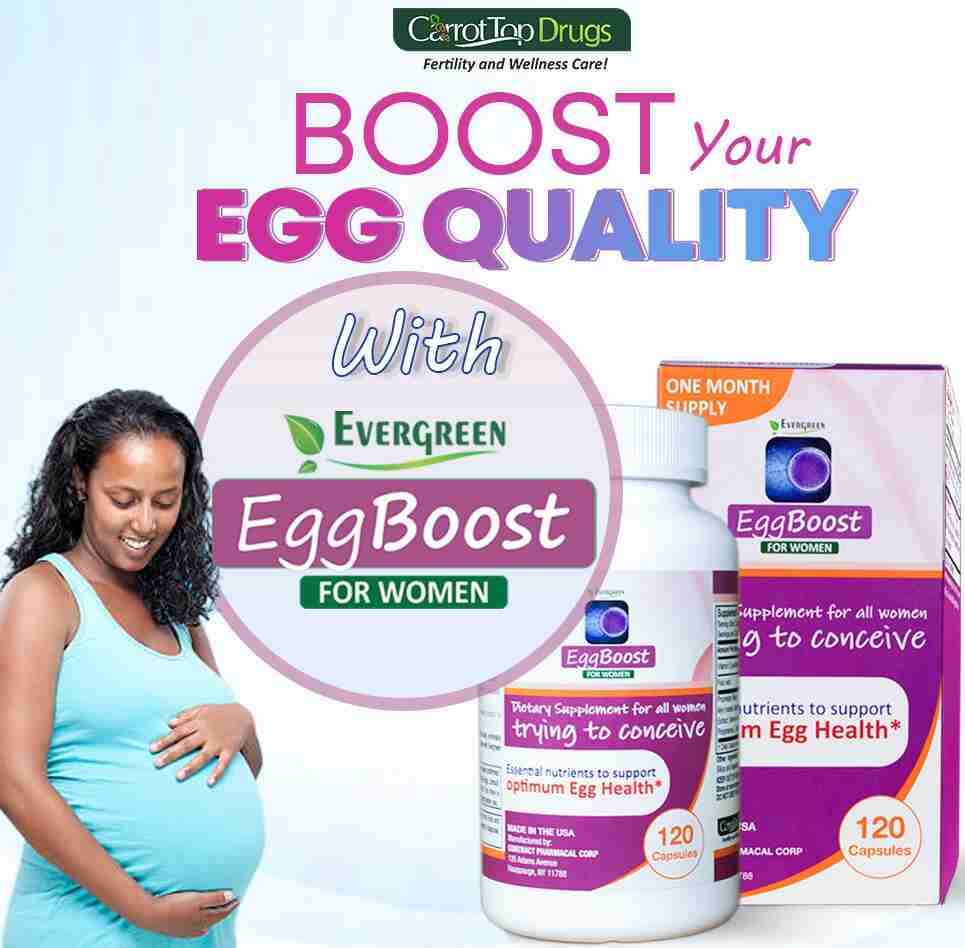
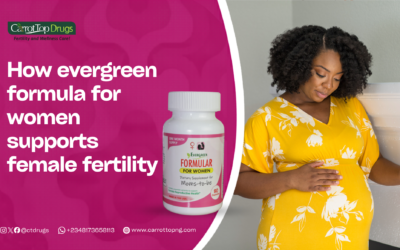
Evergreen Eggboost for Women is a supplement that contains several egg-boosting ingredients including myo-inositol and coenzyme Q10.
Who Should Use Myo-Inositol for Fertility?
- Women diagnosed with PCOS or exhibiting its symptoms (irregular cycles, acne, hirsutism).
- Women with irregular or anovulatory cycles.
- Women over 30 looking to support egg health.
- Women preparing for IVF/IUI to improve egg and embryo quality.
- Women with insulin resistance, regardless of PCOS diagnosis.
Myo-Inositol vs Other Fertility Supplements
vs. CoQ10:
Both are crucial for mitochondrial energy production. They work synergistically; CoQ10 is a direct antioxidant in the mitochondrial electron transport chain, while myo-inositol improves the hormonal environment. Combining them is common and supported for comprehensive egg quality support.
vs. Metformin:
For PCOS, myo-inositol is often as effective as metformin in restoring ovulation and improving metabolic markers, but with a significantly better side-effect profile. Some protocols use them together under medical guidance.
Frequently Asked Questions (FAQs)
Q: How long does myo-inositol take to improve egg quality?
A: A minimum of 3 months of consistent use is needed to impact the development of a new cohort of eggs.
Q: Can I take myo-inositol without PCOS?
A: Yes. Research shows benefits for egg quality and ovarian function in non-PCOS women, especially those undergoing IVF.
Q: Is myo-inositol safe in early pregnancy?
A: Yes, it is considered safe and is often used to support early fetal development.
Q: Does myo-inositol help with IVF success?
A: Multiple studies indicate it can improve oocyte maturity, fertilization rates, and embryo quality, contributing to better IVF outcomes.
Q: What is the best formulation?
A: Look for a pure, high-quality supplement, often in powder form for better absorption. The 40:1 ratio combination with D-chiro inositol is ideal for PCOS.
Q: Can men take inositol for fertility?
Q: Should I combine it with folic acid?
A: Absolutely. Combining myo-inositol with folate (especially methylfolate) is a standard and highly recommended protocol for fertility, as they work on complementary pathways.
Conclusion
Myo-inositol represents a significant advancement in nutritional support for fertility. Its strong scientific foundation for improving egg quality, restoring ovarian function, and managing PCOS makes it a valuable tool for women on their conception journey. As with any supplement, it should be part of a comprehensive plan that includes diet, lifestyle, and professional medical care. Our recommendation is Evergreen Eggboost for Women. Always consult with a fertility specialist or healthcare provider before starting any new supplement regimen to ensure it is appropriate for your individual health profile.