
Introduction
Did you know that women who drink more than 10 alcoholic drinks per week are about half as likely to conceive in six cycles compared with women who abstain?
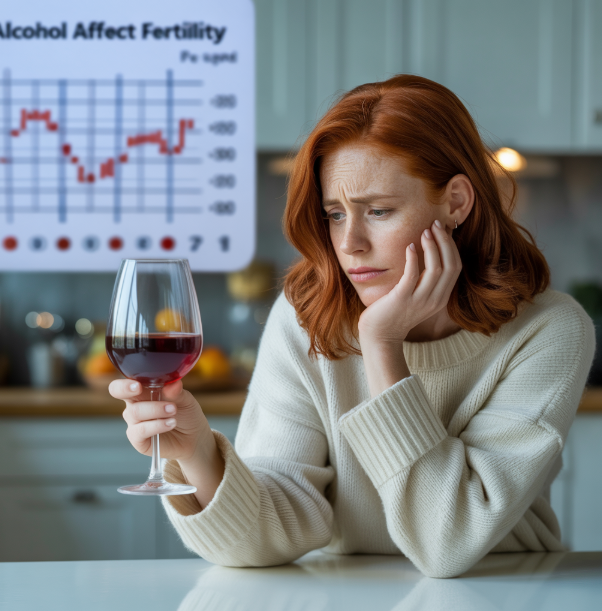
If you’re wondering Does alcohol affect fertility?, this article breaks down what current science says — for both men and women. You’ll learn how much alcohol might be too much, what to expect if you reduce or stop, and tips that matter especially in Nigeria.
Does Alcohol Consumption Affect Male and Female Fertility?

Both male and female reproductive systems are sensitive to alcohol. The effects vary by amount, frequency, and individual health. Alcohol can affect sperm health in men and ovulation, egg quality, and hormone balance in women.
The Link Between Alcohol and Sperm Quality in Men
- Heavy or frequent alcohol use can reduce sperm count, lower motility (how well sperm move), and increase the number of abnormally shaped sperm.
- A study in Nigeria on local alcoholic drinks (pito, ogogoro, goskolo, burukutu) in rats showed these beverages harm sperm count, motility, and morphology. magnascientiapub.com
- In humans, high alcohol intake is associated with oxidative stress, which damages sperm DNA. This can reduce the chances of successful conception.
How Alcohol Impacts Ovulation and Egg Health in Women
- Alcohol can disrupt your hormonal cycle. This may lead to irregular menstruation, delayed or unpredictable ovulation.
- Egg quality may decline, particularly with heavy alcohol consumption. Oxidative stress and hormonal imbalance contribute.
- These changes make it harder to predict fertile windows, which lowers your chances of conception.
How Much Alcohol Is Too Much for Fertility?
- Moderate drinking (for example, 1-5 drinks per week) seems less harmful but risk rises with more frequent or heavier drinking.
- Heavy drinking (daily or binge drinking) increases the odds of fertility issues significantly — both for men (via sperm) and for women (via eggs, ovulation, hormones).
Does Occasional Drinking Affect Chances of Conception?
- Occasional or light drinking likely has smaller effects compared to regular or heavy use. Science has mixed findings: some studies find little effect at low levels, others find even small reductions in fecundability (the probability of conceiving per cycle).
- Still, if you are trying to conceive, reducing alcohol could improve chances — because each little negative factor adds up.
The Impact of Heavy Drinking on Reproductive Health
- Heavy alcohol use is strongly linked to poor semen parameters in men (low count, poor motility, abnormal shape) and high levels of damaged sperm DNA.
- In women, heavy drinking is associated with lower fertility rates, more miscarriages, longer time to pregnancy.
Alcohol and IVF Success Rates: What Research Shows
- Research suggests alcohol may lower IVF success rates. Alcohol can interfere with hormonal stimulation, egg retrieval, embryo quality, and implantation rates.
- Fertility clinics often advise patients undergoing IVF to avoid or significantly reduce alcohol. This recommendation comes from observing poorer outcomes among those who drink.
Can Drinking Alcohol Lower IVF Success Rates?
Yes. Even moderate consumption before or during fertility treatment may reduce success. While more studies are needed, existing data support limiting alcohol for both partners before and during IVF cycles.
Why Fertility Specialists Recommend Avoiding Alcohol During Treatment
- Hormone treatment in fertility procedures (like IVF) demands a clean environment biologically. Alcohol can counteract hormone therapies.
- Alcohol increases the risk of oxidative stress, which may damage eggs or sperm used in IVF.
- Specialists prefer reducing any variable that could worsen the outcome — alcohol is one controllable variable.
Long-Term Effects of Alcohol on Reproductive Health
- Chronic use of alcohol over many years can lead to longer-term damage: hormonal disruption, testicular damage, reduced ovarian reserve, etc.
- Studies in animals, including in Nigeria, show persistent damage to sperm production and morphology.
Can Alcohol Increase the Risk of Infertility?
- Yes, especially if drinking is frequent or heavy. For men, infertility risk increases through sperm damage. For women, infertility may occur via ovulation problems, low egg quality, or damage to reproductive organs over time.
The Role of Lifestyle Changes in Restoring Fertility
- Good news: fertility often improves when you reduce or stop alcohol. Sperm regenerate roughly every 2–3 months, so improvements in count, motility, and morphology can be seen if harmful habits are addressed.
- For women, cycles may become more regular, ovulation more predictable, and hormonal balance improved with healthier habits.
Improving Fertility by Reducing Alcohol Intake
How Quitting Alcohol Can Improve Sperm Count and Motility
- Within months of quitting or reducing heavy drinking, men may see better sperm movement, more normal shapes, and better DNA quality.
- Reduced alcohol also decreases oxidative stress in the body, improving the internal environment for sperm health.
Benefits of Cutting Down Alcohol for Women Trying to Conceive
- More regular cycles and more predictable ovulation.
- Better egg quality and a healthier uterine environment for implantation.
- Reduced risk of miscarriage and better outcomes if pregnancy occurs.
What Happens When You Cut Alcohol: Practical Steps
- Track and reduce your drinking. Set a realistic goal: for example, limit to no more than one drink a week, then reduce further.
- Replace habits. If you drink in social settings, find alternatives: mocktails, non-alcoholic options, and spending time with friends in non-drinking contexts.
- Support system. It helps to have a partner, friend, or healthcare professional encourage you.
- Monitor health. Have semen analysis (for men), hormone tests and cycle tracking (for women).
- Lifestyle overall. Good diet, regular exercise, maintaining a healthy weight, and avoiding smoking — all amplify fertility improvement.
Local Context: Nigeria
- A Nigerian study on traditional alcoholic beverages (like ogogoro, pito, goskolo, burukutu) in rats showed significant negative effects on sperm count, motility, and morphology.
- In Lagos, a fertility centre suggests that women drinking two alcoholic beverages a day may reduce fertility by nearly 60%.
- A gynaecologist in Lagos warned that men consuming “60% alcohol” within 48 hours may show abnormal sperm cells even if the total sperm count remains okay.
When Is It Safe or “Low Risk”?
- There is no guarantee of complete safety at any level, but lighter / occasional drinking is significantly lower risk than heavy or regular consumption.
- If you are planning a pregnancy, many doctors recommend avoiding alcohol entirely in the few months before conception for both partners.
Final Thoughts: What You Should Do
- If you want to maximise fertility, reduce or stop alcohol intake. Every reduction helps.
- For men: cutting alcohol can improve sperm in as little as 2-3 months because that’s roughly how long new sperm take to mature.
- For women: avoiding alcohol may help with hormonal balance, more regular ovulation, and better egg / uterine health.
- Work with a fertility specialist if things are slow — they can test semen, hormones, egg reserve, etc., to understand your specific situation.
FAQs: Does Alcohol Affect Fertility?
1. Does alcohol affect fertility in men and women?
Yes. Alcohol affects fertility in both men and women by lowering sperm quality, disrupting ovulation, reducing egg health, and altering hormone levels.
2. How does alcohol consumption affect male fertility?
Regular drinking lowers sperm count, motility, and morphology. It can also cause DNA damage in sperm, reducing the chances of conception.
3. What is the link between alcohol and sperm quality in men?
Alcohol increases oxidative stress, which damages sperm cells. This results in poor sperm movement, abnormal shape, and reduced ability to fertilise an egg.
4. How does alcohol impact ovulation and egg health in women?
Alcohol disrupts hormone balance, leading to irregular ovulation cycles. It can also lower egg quality, making conception harder.
5. How much alcohol is too much for fertility?
Heavy drinking (daily or binge drinking) is most harmful. Studies show that more than 10 drinks per week significantly reduces the chances of conceiving.
6. Does occasional drinking affect chances of conception?
Occasional light drinking has less impact, but research shows even small amounts may slightly lower fertility. Reducing alcohol is safest when trying to conceive.
7. Can alcohol increase the risk of infertility?
Yes. Long-term alcohol consumption can lead to infertility by damaging reproductive organs, lowering hormone production, and reducing sperm and egg health.
8. What are the long-term effects of alcohol on reproductive health?
Chronic alcohol use can permanently harm sperm production in men, reduce ovarian reserve in women, and increase miscarriage risk.
9. Does alcohol affect IVF success rates?
Yes. Alcohol lowers IVF success rates by affecting egg quality, sperm DNA, and implantation. Fertility clinics advise couples to avoid drinking during treatment.
10. Can drinking alcohol lower IVF success rates for men as well?
Yes. Male drinking can reduce embryo quality by lowering sperm health, which in turn lowers IVF success rates.
11. Why do fertility specialists recommend avoiding alcohol during treatment?
Doctors advise avoiding alcohol because it disrupts hormones, increases oxidative stress, and reduces the success of fertility treatments like IVF.
12. How can quitting alcohol improve sperm count and motility?
Stopping alcohol allows sperm to regenerate. Within 2–3 months, men may see better sperm count, motility, and morphology.
13. What are the benefits of cutting down alcohol for women trying to conceive?
Women may experience more regular cycles, improved ovulation, better egg quality, and higher chances of a healthy pregnancy.
14. Does alcohol affect fertility differently in men compared to women?
Yes. In men, alcohol mainly harms sperm count and motility. In women, it disrupts ovulation and lowers egg quality. Both effects reduce fertility.
15. How can lifestyle changes restore fertility after alcohol use?
Improving diet, exercising, maintaining a healthy weight, and quitting alcohol all help restore fertility. Men’s sperm quality improves within months, while women may see more regular cycles and healthier eggs.
Conclusion
Alcohol does affect fertility — for both men and women. The science clearly shows that heavier, frequent drinking increases the risk of poorer sperm quality, disrupted ovulation, lower chances of conceiving, and worse IVF outcomes. While occasional or light drinking carries lower risk, if you’re serious about conceiving (now or in the near future), cutting back or stopping alcohol will give you better odds.
If you’re in Nigeria, many local practices — especially with strong traditional drinks — may carry a higher risk. Talk with a health professional, know your semen/hormone results, and treat fertility as part of your overall health.