Introduction
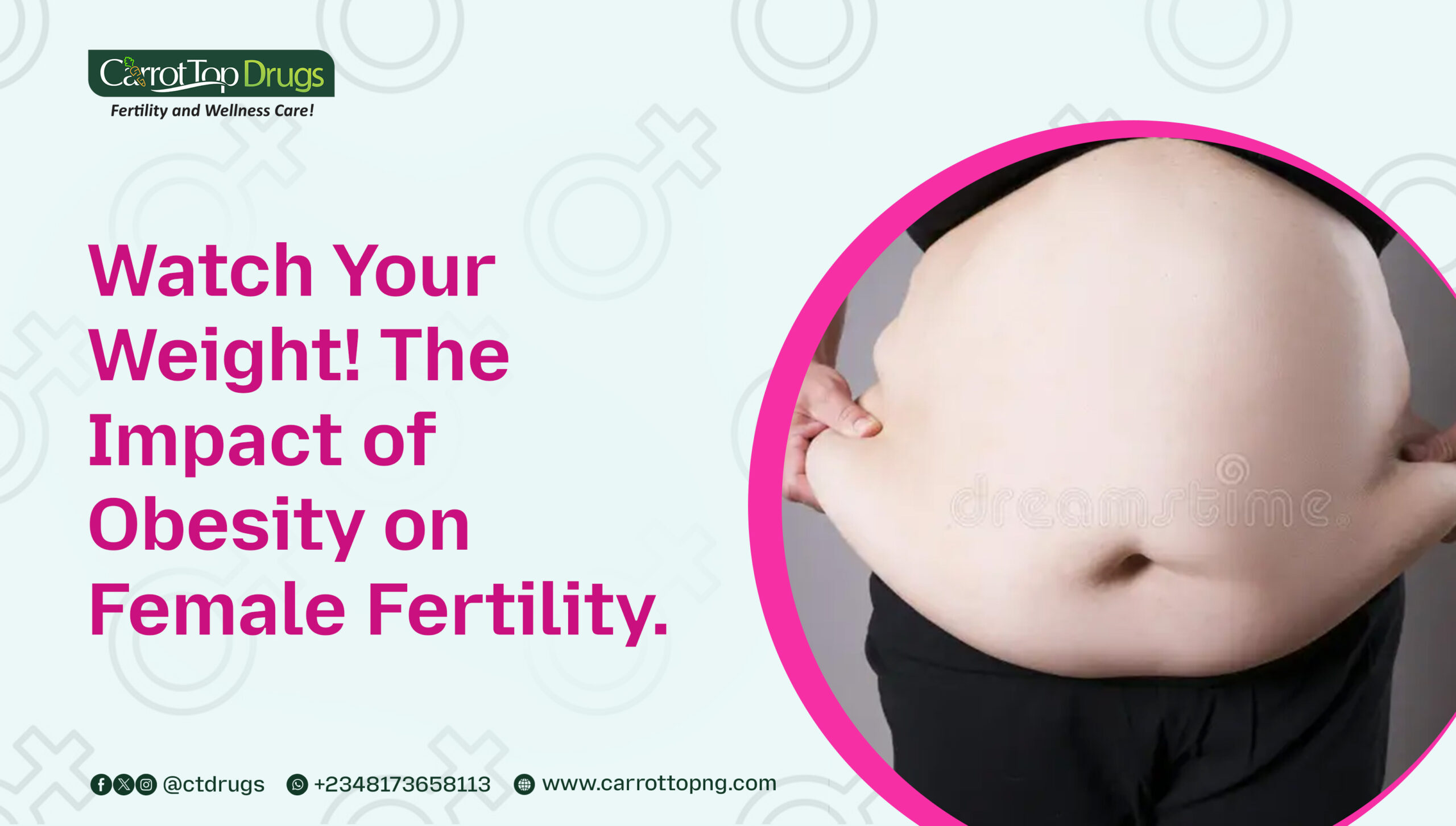
Obesity, defined as abnormal or excessive fat accumulation that presents health risks, has reached epidemic proportions globally. The World Health Organization (WHO) classifies obesity using body mass index (BMI), where a BMI ≥ 30 kg/m² indicates obesity, while overweight is defined as a BMI 25–29.9 kg/m². The impact of obesity on female fertility extends beyond metabolic consequences; it significantly impairs female reproductive health, contributing to menstrual dysfunction, anovulation, and infertility. The relationship between obesity and fertility is bidirectional. This means that obesity disrupts hormonal regulation and ovarian function. On the other hand,infertility-related stress may exacerbate weight gain through emotional eating and reduced physical activity.
Interestingly, while hyperprolactinemia in men is a well-documented cause of hypogonadism and sexual dysfunction, its role in female obesity-related infertility remains less explored. However, obesity-induced hormonal imbalances in women share some parallels with hyperprolactinemia in men, particularly in terms of hypothalamic-pituitary-gonadal (HPG) axis disruption.
Relevant Statistics: Global, African, and Nigerian Perspectives
Globally, obesity affects approximately 14.9% of women, with projections suggesting this could exceed 21% by 2025. Infertility rates among obese women are notably higher, with studies indicating that obesity accounts for 30–36% of menstrual irregularities and a 2- to 3-fold increased risk of anovulatory infertility. The Nurses’ Health Study found that women with a BMI > 32 kg/m² had a 2.7-fold higher risk of infertility compared to those with a BMI of 20–21.9 kg/m².
In Africa, obesity prevalence among women ranges from 6.5% to 50.7%, with urbanization and lifestyle changes driving this upward trend. Nigeria exemplifies this dual burden of malnutrition, where 34.6% of pregnant women are overweight and 25.6% obese, contributing to adverse perinatal outcomes such as gestational diabetes (AOR 14.4) and hypertensive disorders (AOR 2.2).
Risk Factors for Obesity in Women
1. Socioeconomic Status: Higher education and wealth paradoxically correlate with obesity in low- and middle-income countries (LMICs) like Nigeria, where improved access to calorie-dense foods and sedentary occupations promote weight gain.
2. Lifestyle Factors: Reduced physical activity, excessive calorie intake, and media exposure (e.g., television) are strongly linked to obesity, particularly in urban settings.
3. Endocrine and Psychological Factors: Conditions like PCOS, hypothyroidism, and depression contribute to weight gain, creating a vicious cycle of metabolic and reproductive dysfunction.
4. Genetic and Epigenetic Influences: Familial predisposition and epigenetic modifications from maternal obesity may increase susceptibility.
Causes of Reduced Fertility in Obese Women
1. Hormonal Imbalances and Anovulation
Obesity disrupts the HPG axis through hyperinsulinemia, hyperandrogenemia, and altered adipokine secretion. Insulin resistance reduces sex hormone-binding globulin (SHBG), increasing free androgens, which impair folliculogenesis and ovulation. Elevated leptin levels, commonly seen in obesity, inhibit gonadotropin-releasing hormone (GnRH) pulsatility, further suppressing ovulation. These mechanisms mirror the hypogonadism observed in hyperprolactinemia in men, where prolactin excess inhibits GnRH secretion.
The resulting anovulation manifests as oligomenorrhea or amenorrhea. Studies show that abdominal obesity exacerbates these effects, as visceral adiposity is more metabolically active and prone to inflammatory cytokine release. For instance, women with a waist circumference > 88 cm have a 60% higher risk of anovulation compared to those with lower abdominal fat.
2. Endometrial Dysfunction and Impaired Implantation
Obesity alters endometrial receptivity through chronic inflammation and oxidative stress. Adipose tissue secretes pro-inflammatory cytokines (e.g., TNF-α, IL-6), which disrupt endometrial gene expression during the implantation window. Leptin resistance in obese women further compromises endometrial leukemia inhibitory factor (LIF), a critical mediator of embryo attachment.
These changes reduce implantation rates and increase miscarriage risk. A Danish cohort study reported a 23% higher miscarriage rate in obese women, attributed to aberrant hormonal signaling and endothelial dysfunction. Notably, similar endometrial disruptions occur in hyperprolactinemia in men, where prolactin excess impairs gonadal steroidogenesis and vascular function.
Complications of Obesity in Women
1. Polycystic Ovary Syndrome (PCOS)
Obesity exacerbates PCOS by amplifying insulin resistance and hyperandrogenism. Approximately 28.3% of overweight/obese women meet PCOS diagnostic criteria, characterized by oligo-ovulation, hirsutism, and polycystic ovaries. The synergistic effects of obesity and PCOS significantly reduce fertility, with obese PCOS women experiencing lower conception rates and higher miscarriage risks.
Management focuses on weight loss, which improves insulin sensitivity and restores ovulation. Lifestyle interventions achieving 5–10% weight loss can normalize menstrual cycles in 60% of cases, though pharmacological agents like GLP-1 receptor agonists (e.g., semaglutide) are increasingly used.
2. Pregnancy-Related Risks
Obese women face higher risks of gestational diabetes (GDM), preeclampsia, and cesarean delivery. In Nigeria, obesity increases GDM risk 14-fold and hypertensive disorders 2.2-fold. These complications stem from placental dysfunction and chronic inflammation, which impair fetal growth and increase stillbirth risk.
Long-term, offspring of obese mothers are predisposed to metabolic syndrome, perpetuating intergenerational cycles of obesity and infertility. This mirrors findings in paternal obesity, where sperm epigenetic changes contribute to offspring metabolic dysfunction, though hyperprolactinemia in men is more directly linked to hypogonadism than transgenerational effects.
Management Strategies
1. Lifestyle Modifications
First-line therapy involves dietary changes and physical activity. A 5–10% weight loss can restore ovulation and improve pregnancy outcomes. The Italian Society of Fertility and Sterility (SIFES-MR) emphasizes preconception counseling to optimize BMI before assisted reproductive technology (ART).
2. Pharmacological Interventions
GLP-1 agonists (e.g., semaglutide) and combined naltrexone/bupropion (Contrave) are effective for weight loss, though teratogenic risks necessitate discontinuation before conception. Metformin is particularly beneficial for obese PCOS women, improving insulin sensitivity and ovulation rates.
3. Bariatric Surgery
While bariatric surgery achieves significant weight loss (25–50%), its role in fertility management is debated due to risks of nutrient deficiencies and delayed conception (1–2 years post-surgery).
Conclusion
Obesity profoundly impacts female fertility through hormonal, inflammatory, and metabolic pathways. Addressing this requires multidisciplinary care, integrating lifestyle, medical, and surgical interventions. Future research should explore parallels between obesity-related infertility and hyperprolactinemia in men, particularly regarding HPG axis disruption.
FAQs
1. How does obesity cause anovulation?
Obesity disrupts GnRH pulsatility via hyperinsulinemia and elevated leptin, leading to reduced LH/FSH secretion and follicular arrest.
2. Can weight loss restore fertility?
Yes, 5–10% weight loss often restores ovulation and improves pregnancy rates.
3. Is IVF effective for obese women?
IVF success rates are lower in obese women due to poor oocyte quality and endometrial receptivity, but outcomes improve with weight loss.
4. How does obesity compare to hyperprolactinemia in men regarding fertility?
Both conditions suppress GnRH, but obesity involves insulin and leptin resistance, whereas hyperprolactinemia in men directly inhibits testosterone production.
5. What is the safest weight-loss drug for fertility?
GLP-1 agonists (e.g., semaglutide) are effective but must be stopped 2 months before conception.
6. Does PCOS always cause infertility in obese women?
No, but PCOS exacerbates anovulation and metabolic dysfunction, reducing fertility potential.
7. Why is abdominal fat particularly harmful?
Visceral fat secretes inflammatory cytokines and free fatty acids, worsening insulin resistance and ovarian dysfunction.