Introduction
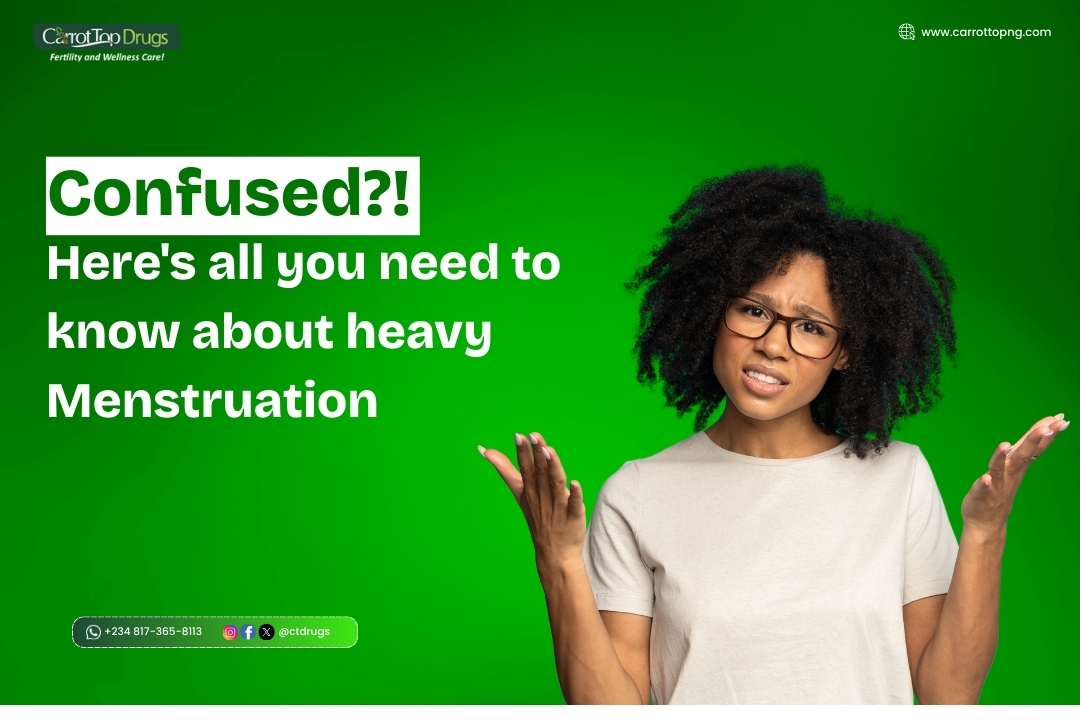
Heavy menstruation, also known as menorrhagia, refers to abnormally heavy or prolonged menstrual bleeding. This condition can significantly impact a woman’s quality of life, leading to physical, emotional, and social challenges. While menstruation is a natural process, heavy bleeding can indicate underlying health issues. Understanding this condition is crucial for effective management and prevention.
Relevant Statistics
Globally, heavy menstruation affects a significant portion of the female population. Studies suggest that approximately 20% to 30% of women experience this condition at some point in their lives. In Africa, the prevalence varies between 10-30%, with some regions reporting rates as high as 25%. In Nigeria, menorrhagia is a common concern, affecting about 20% of women of reproductive age.
In high-income countries, such as the UK, 1 in 20 women aged 30–49 consult general practitioners for heavy menstrual bleeding annually, accounting for 12% of gynecology referrals. However, even in these settings, 50% of affected women delay seeking care, often due to dismissal by healthcare providers or normalization of symptoms.
Causes of Heavy Menstruation
Hormonal Imbalances
Hormonal imbalances are a primary cause of heavy menstruation. The menstrual cycle is regulated by hormones such as estrogen and progesterone. When these hormones are out of balance, it can lead to excessive bleeding. Research suggests that 50% of menorrhagia cases stem from ovulatory dysfunction, yet clinicians frequently prioritize structural causes, overlooking endocrine testing. Conditions like polycystic ovary syndrome (PCOS) can disrupt hormone levels, resulting in heavier periods. Additionally, thyroid disorders can also affect hormone production, contributing to this issue.
Women experiencing hormonal imbalances may notice irregular cycles, missed periods, or prolonged bleeding. These symptoms can be distressing and may require medical intervention. Understanding the role of hormones in menstruation is essential for identifying potential causes of heavy bleeding.
Uterine Fibroids
Uterine fibroids are non-cancerous growths in the uterus that can lead to heavy bleeding. These fibroids can vary in size and number, and their presence often correlates with increased menstrual flow. Their prevalence is 2–3 times higher in Black populations compared to other ethnic groups. Women with fibroids may experience additional symptoms, such as pelvic pain and pressure. The exact cause of fibroids remains unclear, but genetics and hormonal factors are believed to play a role.
Managing uterine fibroids often involves a combination of medical and surgical approaches. Medications can help shrink fibroids and reduce bleeding. In more severe cases, surgical options such as myomectomy or hysterectomy may be considered. Regular monitoring through ultrasound can help track the size and impact of fibroids on menstrual health.
Endometriosis
Endometriosis occurs when tissue similar to the lining of the uterus grows outside it. This condition can cause severe pain and heavy bleeding during menstruation. Women with endometriosis often experience additional symptoms, such as pain during intercourse and chronic pelvic pain. The exact cause of endometriosis is still under investigation, but genetic and environmental factors may contribute.
Managing endometriosis typically involves pain relief and hormonal treatments. Nonsteroidal anti-inflammatory drugs (NSAIDs) can help alleviate pain, while hormonal therapies can reduce the growth of endometrial tissue. In some cases, surgical intervention may be necessary to remove endometrial lesions and alleviate symptoms.
Managing Heavy Menstruation
Medical Treatments
Medical treatments for heavy menstruation often include hormonal therapies, such as birth control pills or levonorgestrel intrauterine devices (IUDs). These methods can help regulate menstrual cycles and reduce bleeding. Additionally, medications like tranexamic acid can help decrease blood loss during periods. Consulting a healthcare provider is essential for determining the most appropriate treatment plan.
In some cases, iron supplements may be recommended to address anemia caused by heavy bleeding. Anemia can lead to fatigue and weakness, making it crucial to manage both the bleeding and its effects on overall health. Regular follow-ups with a healthcare provider can help monitor progress and adjust treatments as needed.
Lifestyle modifications can also play a role in managing heavy menstruation. Maintaining a balanced diet rich in iron and vitamins can support overall health. Staying hydrated and engaging in regular physical activity can also help alleviate some symptoms associated with heavy bleeding.
Lifestyle Changes
Incorporating lifestyle changes can significantly impact the management of heavy menstruation. Regular exercise can help regulate hormone levels and improve overall well-being. Activities such as yoga and meditation can also reduce stress, which may contribute to hormonal imbalances.
Dietary adjustments are equally important. Consuming a diet rich in iron, such as leafy greens, lean meats, and legumes, can help combat anemia. Additionally, avoiding excessive caffeine and alcohol may reduce menstrual symptoms. Keeping a food diary can help identify any dietary triggers that may exacerbate heavy bleeding. Taking supplements like Evergreen Fibroflux which contains the essential chemicals that can help shrink uterine fibroid.
Support from family and friends can also aid in managing this condition. Open communication about symptoms and challenges can foster understanding and support. Joining support groups or seeking counseling may provide additional emotional support for those dealing with heavy menstruation.
Surgical Options
In cases where medical treatments and lifestyle changes are insufficient, surgical options may be considered. Procedures such as endometrial ablation can help reduce or eliminate heavy bleeding by destroying the uterine lining. Myomectomy may be performed to remove fibroids, while hysterectomy involves the removal of the uterus entirely.
Surgical interventions are typically considered when other treatments have failed or when heavy bleeding significantly impacts quality of life. It is essential to discuss the potential risks and benefits of surgery with a healthcare provider. Recovery times and post-operative care will vary depending on the procedure performed.
Post-surgery, regular follow-ups are crucial to monitor recovery and address any ongoing concerns. Women should also be aware of potential changes in their menstrual patterns following surgery.
Preventing Heavy Menstruation
Regular Check-ups
Regular check-ups with a healthcare provider are vital for preventing heavy menstruation. Routine gynecological exams can help identify any underlying conditions early on. Women should discuss their menstrual history and any changes in their cycles during these visits.
Screening for conditions such as fibroids or endometriosis can lead to early intervention. Detecting these issues early may prevent the progression of symptoms and reduce the risk of heavy bleeding. Women should not hesitate to voice any concerns about their menstrual health during appointments.
Additionally, maintaining open communication with healthcare providers can foster a proactive approach to reproductive health. Women should feel empowered to ask questions and seek clarification on any aspect of their menstrual health.
Healthy Lifestyle Choices
Adopting healthy lifestyle choices can significantly reduce the risk of heavy menstruation. A balanced diet rich in nutrients supports overall reproductive health. Regular physical activity can help regulate hormone levels and improve circulation, which may alleviate some menstrual symptoms.
Stress management is also crucial. High-stress levels can disrupt hormonal balance, potentially leading to heavier periods. Techniques such as mindfulness, meditation, and yoga can help manage stress effectively. Finding healthy outlets for stress can contribute to overall well-being.
Avoiding smoking and limiting alcohol consumption can further support menstrual health. Both smoking and excessive alcohol intake can negatively impact hormone levels and overall reproductive function. Making conscious choices about lifestyle habits can lead to improved menstrual health.
Education and Awareness
Education and awareness play a significant role in preventing heavy menstruation. Women should be informed about the normal range of menstrual flow and the signs of heavy bleeding. Understanding what constitutes a normal cycle can empower women to seek help when necessary.
Community outreach programs and educational workshops can provide valuable information about menstrual health. These initiatives can help dispel myths and reduce stigma surrounding menstruation. Encouraging open discussions about menstrual health can foster a supportive environment for women.
Additionally, access to resources and information about reproductive health is essential. Women should have access to educational materials that address common concerns related to menstruation. Empowering women with knowledge can lead to better health outcomes and improved quality of life.
Complications of Heavy Menstruation
Anemia
One of the most common complications of heavy menstruation is iron deficiency anemia. Excessive blood loss can lead to a decrease in red blood cells, resulting in fatigue, weakness, and shortness of breath. Women with anemia may find it challenging to perform daily activities due to low energy levels.
Managing anemia often involves dietary changes and supplementation. Increasing iron intake through foods such as red meat, beans, and fortified cereals can help replenish lost iron. In some cases, healthcare providers may recommend iron supplements to address deficiencies.
Regular monitoring of blood levels is essential for women experiencing heavy bleeding. Healthcare providers may conduct blood tests to assess hemoglobin levels and overall health. Addressing anemia promptly can prevent further complications and improve overall well-being.
Impact on Quality of Life
Heavy menstruation can significantly impact a woman’s quality of life. The physical symptoms, such as pain and fatigue, can interfere with daily activities, work, and social engagements. Emotional challenges, including anxiety and depression, may also arise due to the stress of managing this condition.
Women may find themselves avoiding social situations or activities due to fear of heavy bleeding. This avoidance can lead to feelings of isolation and frustration. Seeking support from friends, family, or support groups can help alleviate some of these emotional burdens.
Healthcare providers play a crucial role in addressing the impact of heavy menstruation on quality of life. Open discussions about symptoms and concerns can lead to tailored treatment plans that prioritize both physical and emotional well-being. Empowering women to advocate for their health can lead to improved outcomes.
Fertility Issues
In some cases, heavy menstruation can be associated with fertility issues. Conditions such as endometriosis and fibroids may affect a woman’s ability to conceive. The presence of these conditions can lead to complications during pregnancy or difficulties in achieving pregnancy.
Women experiencing heavy bleeding should discuss their reproductive plans with a healthcare provider. Early intervention and treatment can help address underlying issues that may impact fertility. Regular monitoring and follow-up appointments can provide valuable insights into reproductive health.
Understanding the relationship between heavy menstruation and fertility is essential for women planning to conceive. Seeking guidance from healthcare providers can help navigate potential challenges and develop a comprehensive plan for reproductive health.
Conclusion
Heavy menstruation is a common yet often misunderstood condition that can significantly impact women’s lives. Understanding the causes, management strategies, and potential complications is crucial for effective care. By prioritizing education, regular check-ups, and healthy lifestyle choices, women can take proactive steps toward managing their menstrual health.
FAQs
1. What is heavy menstruation?
Heavy menstruation refers to abnormally heavy or prolonged menstrual bleeding that can disrupt daily life.
2. What are the common causes of heavy menstruation?
Common causes include hormonal imbalances, uterine fibroids, and endometriosis.
3. How can I manage heavy menstruation?
Management options include medical treatments, lifestyle changes, and, in some cases, surgical interventions.
4. Can heavy menstruation lead to complications?
Yes, complications can include anemia, decreased quality of life, and potential fertility issues.
5. What lifestyle changes can help prevent heavy menstruation?
Maintaining a balanced diet, regular exercise, and managing stress can help prevent heavy bleeding.
6. When should I see a doctor about heavy menstruation?
Consult a healthcare provider if you experience significant changes in your menstrual cycle or excessive bleeding.
7. Is heavy menstruation common?
Yes, it affects a significant number of women worldwide, with varying prevalence across different regions.