Introduction
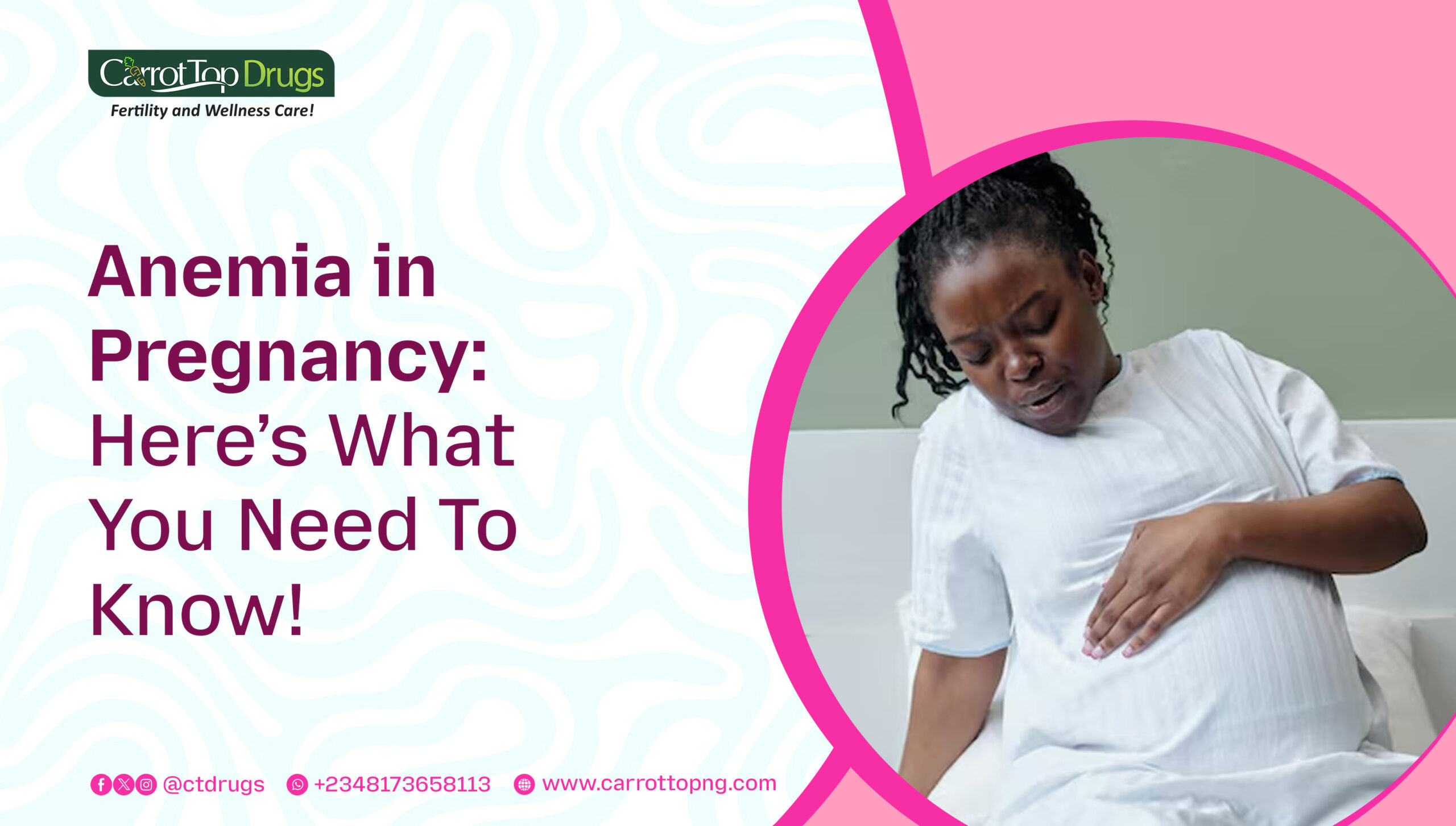
Anemia in pregnancy is a common condition characterized by a deficiency of red blood cells or hemoglobin, which can lead to insufficient oxygen delivery to the body’s tissues. During pregnancy, a woman’s blood volume increases significantly, which can dilute the concentration of red blood cells, leading to a condition known as physiological anemia.
However, true anemia in pregnancy is defined as having a hemoglobin level below 11 grams per deciliter (g/dL) in the first and third trimesters and below 10.5 g/dL in the second trimester. This condition can have serious implications for both the mother and the developing fetus, making its management crucial for a healthy pregnancy.
Relevant Statistics of Anemia in Pregnancy
Anemia in pregnancy is a global health issue, affecting millions of women worldwide. According to the World Health Organization (WHO), approximately 37% of pregnant women in developing countries are affected by anemia, primarily due to nutritional deficiencies, particularly iron deficiency. In developed countries, the prevalence is lower but still significant, with estimates ranging from 15% to 25%. The consequences of anemia in pregnancy can be severe, leading to increased maternal morbidity and mortality, as well as adverse outcomes for the fetus, including low birth weight and preterm delivery.
Causes of Anemia in Pregnancy
1. Iron Deficiency
Iron deficiency is the most common cause of anemia in pregnancy. During pregnancy, a woman’s body requires approximately 1,000 mg of additional iron to support the increased blood volume and the growing fetus. If dietary intake is insufficient or if the body cannot absorb enough iron, it can lead to iron deficiency anemia. This condition is particularly prevalent in women with inadequate dietary iron intake, those who experience heavy menstrual bleeding before pregnancy, or those who have had multiple pregnancies in a short period.
The symptoms of iron deficiency anemia can include fatigue, weakness, pale skin, and shortness of breath. If left untreated, it can lead to more severe complications, such as heart problems and impaired cognitive function. Pregnant women are often screened for iron deficiency during routine prenatal visits, and those at risk may be advised to increase their iron intake through diet or supplements.
2. Folate Deficiency
Folate, or vitamin B9, is essential for DNA synthesis and cell division, making it particularly important during pregnancy when rapid cell growth occurs. Its deficiency can lead to megaloblastic anemia, characterized by the production of large, immature red blood cells that are ineffective in transporting oxygen. This deficiency is often due to inadequate dietary intake, malabsorption issues, or increased requirements during pregnancy.
Women who do not consume enough folate-rich foods, such as leafy greens, legumes, and fortified cereals, are at risk of developing folate deficiency anemia. Symptoms may include fatigue, weakness, and irritability. Additionally, folate deficiency during pregnancy is associated with an increased risk of neural tube defects in the developing fetus. Therefore, it is crucial for pregnant women to ensure adequate folate intake, either through diet or supplementation.
3. Vitamin B12 Deficiency
Vitamin B12 deficiency can also contribute to anemia in pregnancy, particularly in women who follow a strict vegetarian or vegan diet, as B12 is primarily found in animal products. Like folate deficiency, a lack of vitamin B12 can lead to megaloblastic anemia. This vitamin is essential for the production of red blood cells and the maintenance of the nervous system.
Symptoms of vitamin B12 deficiency may include:
- fatigue,
- weakness, and
- neurological issues such as numbness or tingling in the hands and feet.
Pregnant women are advised to monitor their B12 levels, especially if they have dietary restrictions. Supplementation may be necessary to prevent deficiency and its associated complications during pregnancy.
4. Chronic Diseases
Chronic diseases such as chronic kidney disease, autoimmune disorders, and infections can also lead to anemia in pregnancy. These conditions can interfere with the body’s ability to produce red blood cells or can lead to increased destruction of red blood cells. For instance, chronic kidney disease can reduce erythropoietin production, a hormone that stimulates red blood cell production in the bone marrow.
Women with chronic diseases may experience more severe anemia due to the compounded effects of their underlying condition and the increased demands of pregnancy. Managing these chronic conditions effectively is crucial to minimizing the risk of anemia and ensuring a healthy pregnancy. Regular monitoring and collaboration with healthcare providers can help manage both the chronic condition and any associated anemia.
Implications of Anemia in Pregnancy for the Mother and the Child
Implications for the Mother
Anemia during pregnancy is a serious health concern that extends beyond mere fatigue. Its effects can be far-reaching, impacting physical health, emotional well-being, and long-term maternal outcomes. Below is a deeper exploration of its implications:
1. Increased Fatigue and Reduced Functional Capacity
While fatigue is a common symptom of pregnancy, anemia exacerbates it significantly. Hemoglobin is essential for oxygen transport, and when levels are low, tissues and organs receive less oxygen, leading to:
- Persistent exhaustion, making routine tasks (such as household chores, work, or even walking) overwhelming.
- Reduced productivity, affecting employment and caregiving responsibilities.
- Muscle weakness and dizziness, increasing the risk of falls and injuries.
2. Higher Risk of Peripartum Complications
Severe anemia (Hb < 7 g/dL) drastically increases the likelihood of life-threatening complications during and after childbirth:
- Postpartum Hemorrhage (PPH): Anemic women have a reduced blood volume reserve, making them more susceptible to excessive bleeding, which is a leading cause of maternal death globally.
- Cardiac Stress: The heart works harder to compensate for low oxygen levels, raising the risk of cardiomyopathy or heart failure, especially in women with pre-existing conditions.
- Increased Need for Blood Transfusions: Severe anemia may necessitate emergency transfusions, which carry risks like infections, allergic reactions, or iron overload.
3. Impaired Immune Function and Susceptibility to Infections
Anemia weakens the immune system, making pregnant women more vulnerable to:
- Urinary tract infections (UTIs) and postpartum sepsis, both of which can lead to preterm labor or severe systemic infections.
- Delayed wound healing after cesarean sections or perineal tears, prolonging recovery.
4. Mental Health Consequences
The psychological impact of anemia is often overlooked but can be profound:
- Increased risk of prenatal and postpartum depression due to chronic fatigue, stress, and feelings of helplessness.
- Cognitive impairments, such as poor concentration and memory lapses (“pregnancy brain”), which may be worsened by iron deficiency.
- Emotional distress from the inability to fully engage in pregnancy experiences due to persistent exhaustion.
5. Long-Term Health Effects
Unaddressed anemia doesn’t just affect pregnancy—it can have lasting consequences:
- Chronic iron deficiency, leading to persistent fatigue, hair loss, and brittle nails even after delivery.
- Higher risk of future pregnancies being complicated by anemia, especially if nutritional deficiencies are not corrected.
- Increased susceptibility to chronic diseases, as prolonged anemia can strain cardiovascular and metabolic health.
6. Socioeconomic and Quality-of-Life Impacts
Anemia doesn’t just affect health—it also influences a woman’s social and economic stability:
- Lost workdays due to illness, reducing household income.
- Dependence on family members for support, which may lead to emotional or financial strain.
- Reduced ability to care for other children, affecting family dynamics.
Why This Matters
Many women dismiss anemia as “normal” in pregnancy, but its consequences can be severe. Proper screening, iron supplementation, and dietary interventions are crucial to safeguarding maternal health. Addressing anemia not only improves pregnancy outcomes but also enhances a woman’s long-term well-being, allowing her to fully engage in motherhood and daily life.
Implications for the Child
Anemia during pregnancy doesn’t just affect the mother—it has profound and lasting consequences for the developing fetus, newborn, and even the child’s long-term health. Below is a deeper exploration of its implications:
1. Adverse Birth Outcomes
- Anemia directly interferes with the fetus’s oxygen and nutrient supply, leading to:
- Low Birth Weight (LBW) & Intrauterine Growth Restriction (IUGR)
- Reduced hemoglobin limits oxygen delivery to the placenta, stunting fetal growth.
- LBW infants (<2.5 kg) face higher risks of neonatal mortality, infections, and chronic diseases later in life.
Preterm Birth (Before 37 Weeks)
Maternal anemia increases the likelihood of premature labor, often due to placental insufficiency or maternal stress.
Preterm babies are at risk for:
- Respiratory distress syndrome (RDS) (underdeveloped lungs).
- Jaundice & feeding difficulties due to immature organ systems.
- Long-term neurodevelopmental delays (learning disabilities, motor impairments).
2. Neonatal Complications
Babies born to anemic mothers are more vulnerable in the first weeks of life:
- Perinatal Asphyxia & Hypoxic Injury
- Oxygen deprivation during delivery can lead to brain damage, cerebral palsy, or stillbirth in severe cases.
- Increased Susceptibility to Infections
- Anemia weakens maternal immune defenses, reducing antibody transfer to the fetus.
Newborns may suffer from:
- Sepsis (life-threatening bloodstream infections).
- Pneumonia & meningitis due to poor immune responses.
Neonatal Anemia
Iron stores are depleted at birth, leading to:
- Pale skin, lethargy, and poor feeding in the infant.
- Delayed milestones (e.g., slower weight gain, weaker muscle tone).
3. Long-Term Developmental & Cognitive Effects
The impact of maternal anemia extends far beyond infancy:
Cognitive & Behavioral Impairments
Iron is critical for brain myelination and neurotransmitter synthesis. Deficiency can cause:
- Lower IQ scores and poor academic performance.
- Attention deficits (ADHD-like symptoms) and memory problems.
- Increased risk of autism spectrum disorders (ASD) in severe cases.
Increased Risk of Chronic Diseases
Fetal programming (metabolic adaptations to nutrient deprivation) may lead to:
- Cardiovascular diseases (hypertension, heart disease).
- Diabetes & obesity due to altered glucose metabolism.
4. Socioeconomic & Intergenerational Consequences
The ripple effects of anemia impact families and communities:
- Higher healthcare costs from managing preterm births, developmental delays, and chronic illnesses.
- Reduced workforce productivity in adulthood due to cognitive or physical limitations.
- Intergenerational cycle of malnutrition—children of anemic mothers are more likely to suffer from anemia themselves.
Why This Matters
Anemia in pregnancy isn’t just a temporary condition—it shapes a child’s survival, health, and potential for decades. Preventative measures (iron supplementation, balanced nutrition, and early screening) are critical investments in breaking the cycle of poor health outcomes.
How to Prevent Anemia in Pregnancy
Preventing anemia in pregnancy involves a combination of dietary strategies and supplementation. Here are some effective ways to reduce the risk:
1. Nutritional Education
Educating pregnant women about the importance of nutrition is vital for preventing anemia. Women should be encouraged to consume a balanced diet rich in iron, folate, and vitamin B12. Foods such as lean meats, fish, poultry, beans, lentils, leafy greens, and fortified cereals should be emphasized.
2. Iron Supplementation
Iron supplementation is often recommended for pregnant women, especially those at high risk for iron deficiency. Healthcare providers may prescribe iron supplements to ensure adequate intake. It is essential for women to follow their healthcare provider’s recommendations regarding dosage and timing to maximize absorption.
3. Folic Acid and Vitamin B12 Supplementation
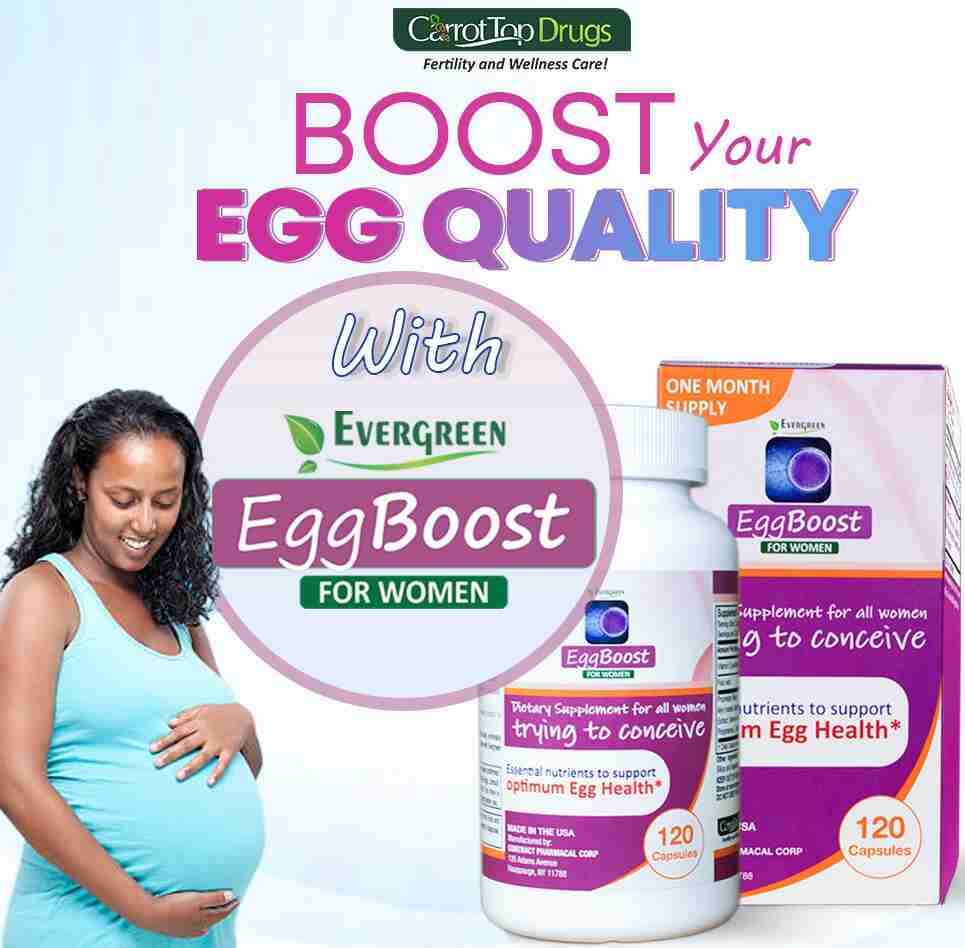
In addition to iron, pregnant women should take folic acid supplements to prevent folate deficiency. The CDC recommends that all women of childbearing age consume 400 micrograms of folic acid daily, increasing to 600 micrograms during pregnancy. For those at risk of vitamin B12 deficiency, supplementation with Evergreen Folic Acid + Vitamin B12 may also be necessary.
4. Regular Screening
Regular screening for anemia during prenatal visits is crucial for early detection and management. Healthcare providers can monitor hemoglobin levels and assess risk factors, allowing for timely interventions if anemia is detected.
How to Manage Anemia in Pregnancy
Managing anemia in pregnancy involves a multifaceted approach that includes dietary changes, supplementation, and regular monitoring. Here are some effective strategies:
1. Dietary Modifications
Women diagnosed with anemia should focus on increasing their intake of iron-rich foods. Consuming vitamin C-rich foods alongside iron sources can enhance iron absorption. For example, pairing citrus fruits with iron-rich meals can be beneficial. Additionally, avoiding calcium-rich foods and beverages during iron-rich meals can help improve absorption.
2. Adherence to Supplementation
It is crucial for pregnant women to adhere to their prescribed supplementation regimen. Taking iron and folic acid supplements as directed can significantly improve hemoglobin levels. We recommend that women take Evergreen Folic acid + Vitamin B12. Supplements like Evergreen Natal Care Plus are to prevent nutrient deficiency of both mother and her child. Women should also be aware of potential side effects of iron supplements, such as gastrointestinal discomfort, and discuss any concerns with their healthcare provider.
3. Monitoring and Follow-Up
Regular follow-up appointments with healthcare providers are essential for monitoring the effectiveness of anemia management strategies. Blood tests can help assess hemoglobin levels and determine if additional interventions are needed. Adjustments to dietary plans or supplementation may be necessary based on individual responses. We recommend that women take our Evergreen Natal Care Plus and Evergreen Folic acid + Vitamin B12 to prevent vitamin deficiency during pregnancy.
4. Addressing Underlying Conditions
If anemia is caused by underlying health conditions, such as chronic diseases or malabsorption issues, it is essential to address these factors. Collaborating with healthcare providers to manage these conditions can help improve overall health and reduce the risk of anemia.
Conclusion
Anemia in pregnancy is a significant public health concern that can have serious implications for both mothers and their children. Understanding the causes, implications, and management strategies for anemia is crucial for ensuring a healthy pregnancy. By focusing on prevention through proper nutrition, supplementation, and regular monitoring, healthcare providers and expectant mothers can work together to effectively manage anemia and promote positive health outcomes.
FAQs
1. What is anemia in pregnancy?
Anemia in pregnancy is a condition characterized by low levels of hemoglobin or red blood cells, leading to insufficient oxygen delivery to the body’s tissues.
2. What are the common causes of anemia in pregnancy?
Common causes include iron deficiency, folate deficiency, vitamin B12 deficiency, and chronic diseases.
3. How can anemia in pregnancy affect the mother?
Anemia can lead to fatigue, weakness, increased risk of complications during labor, and can exacerbate pre-existing health conditions.
4. What are the implications of anemia in pregnancy for the child?
Anemia can result in low birth weight, preterm birth, and developmental delays in the child.
5. How can anemia in pregnancy be prevented?
Prevention involves nutritional education, iron and folic acid supplementation, and regular screening during prenatal visits.
6. What dietary changes can help manage anemia in pregnancy?
Increasing the intake of iron-rich foods, consuming vitamin C alongside iron sources, and avoiding calcium-rich foods during iron-rich meals can help.
7. How is anemia in pregnancy managed?
Management includes dietary modifications, adherence to supplementation, regular monitoring, and addressing any underlying health conditions.