Introduction
If you’re trying to conceive, you already know how emotional the journey can feel. Hope rises, worry follows, and you keep searching for real answers you can trust. This is exactly why many women today are curious about the Benefits of Vitamin E in Female Fertility — not as a miracle cure, but as something that might genuinely support the body in doing what it’s naturally meant to do.
You may have heard that vitamin E can protect eggs, improve cervical mucus, or even support implantation. Then you see other opinions online saying supplements are unnecessary, and you’re left wondering which voice to believe. It’s confusing — and honestly, you deserve clarity, not noise.
Here’s the good news.
We now understand much more about how vitamin E works in the female reproductive system. Research shows its role in antioxidant protection, hormone balance, endometrial health, and cellular repair — all key parts of conception. No hype. No exaggeration. Just evidence you can lean on.
What exactly is Vitamin E?
Vitamin E is a fat-soluble antioxidant. It protects cells from oxidative stress, which happens when unstable molecules damage tissues — including reproductive organs. Research shows that antioxidants can support reproductive health by reducing oxidative stress in both natural and assisted conception settings
Oxidative stress affects the ovaries, eggs, uterus, and hormones. When stress rises, fertility can decrease. Studies highlight that antioxidant support may protect reproductive tissues and improve the environment where eggs develop
Vitamin E also influences immunity, inflammation, and blood vessel health. Those systems quietly shape fertility outcomes far more than most people realize.
The 9 Key Benefits of Vitamin E for Female Fertility
Let’s look at what the science actually supports.
1. Vitamin E helps protect and improve egg quality
Eggs age over time, and oxidative stress speeds that aging. Vitamin E reduces that stress and protects egg cells as they mature. Researchers have linked antioxidant therapy to improved ovarian cell protection and reduced cellular damage
Better egg protection often translates into better fertilization and healthier embryos — especially when oxidative stress plays a role.
2. Vitamin E supports hormonal balance and ovulation
Hormones direct every step of the menstrual cycle. Vitamin E affects signaling pathways and prostaglandins that influence ovulation and cycle comfort. Antioxidant supplementation has shown improvements in women with oxidative stress-related cycle irregularities
It doesn’t replace medical therapy, but it supports natural hormonal balance when used appropriately.
3. Vitamin E enhances cervical mucus quality
Cervical mucus matters. It protects sperm, helps them move, and guides them toward the egg. Vitamin E’s antioxidant and anti-inflammatory effects may improve mucus consistency and lubrication. Women in certain observational studies reported better mucus quality while under supervised supplementation
Better mucus means sperm have a smoother passage — and a better chance.
4. Vitamin E supports a healthier uterine lining and implantation
A receptive uterine lining is essential for implantation. Vitamin E improves blood vessel health and may enhance endometrial receptivity. Some IVF studies found improved lining thickness when vitamin E supported treatment plans.
It doesn’t “force” implantation — it creates a friendlier environment for it to occur.
5. Vitamin E reduces inflammation linked to fertility problems
Chronic inflammation interferes with ovulation and implantation. It also worsens conditions such as PCOS and endometriosis. Vitamin E helps calm inflammatory pathways because of its antioxidant effects.
Women with PCOS sometimes experience improved hormonal and metabolic markers when antioxidants are included alongside medical care.
Inflammation control becomes part of smarter fertility planning.
6. Vitamin E helps protect ovarian reserve from oxidative damage
Your ovarian reserve represents your remaining supply of eggs. Oxidative stress accelerates loss. Vitamin E helps protect ovarian tissues and may slow damage progression.
This doesn’t create new eggs — it simply protects what remains.
7. Vitamin E improves blood flow to reproductive organs
Reproductive organs need strong circulation. Vitamin E supports vascular elasticity and reduces lipid oxidation, which improves blood flow. Better circulation delivers oxygen and nutrients to the uterus and ovaries.
That support helps lining development and follicle health.
8. Vitamin E may support better IVF outcomes in specific situations
During IVF, eggs and embryos face oxidative stress. Some studies suggest vitamin E supplementation improves endometrial thickness or treatment response when monitored carefully.
However, clinics often pause high-dose antioxidants before certain IVF steps. Always follow your specialist’s timing guidance.
9. Vitamin E works synergistically with other fertility nutrients
Fertility never depends on one nutrient. Vitamin E works best alongside folic acid, vitamin C, selenium, omega-3 fatty acids, and coenzyme Q10. These nutrients form an antioxidant network that protects reproductive tissues.
Smart combinations matter more than isolated megadoses.
Should you take Vitamin E supplements for fertility?
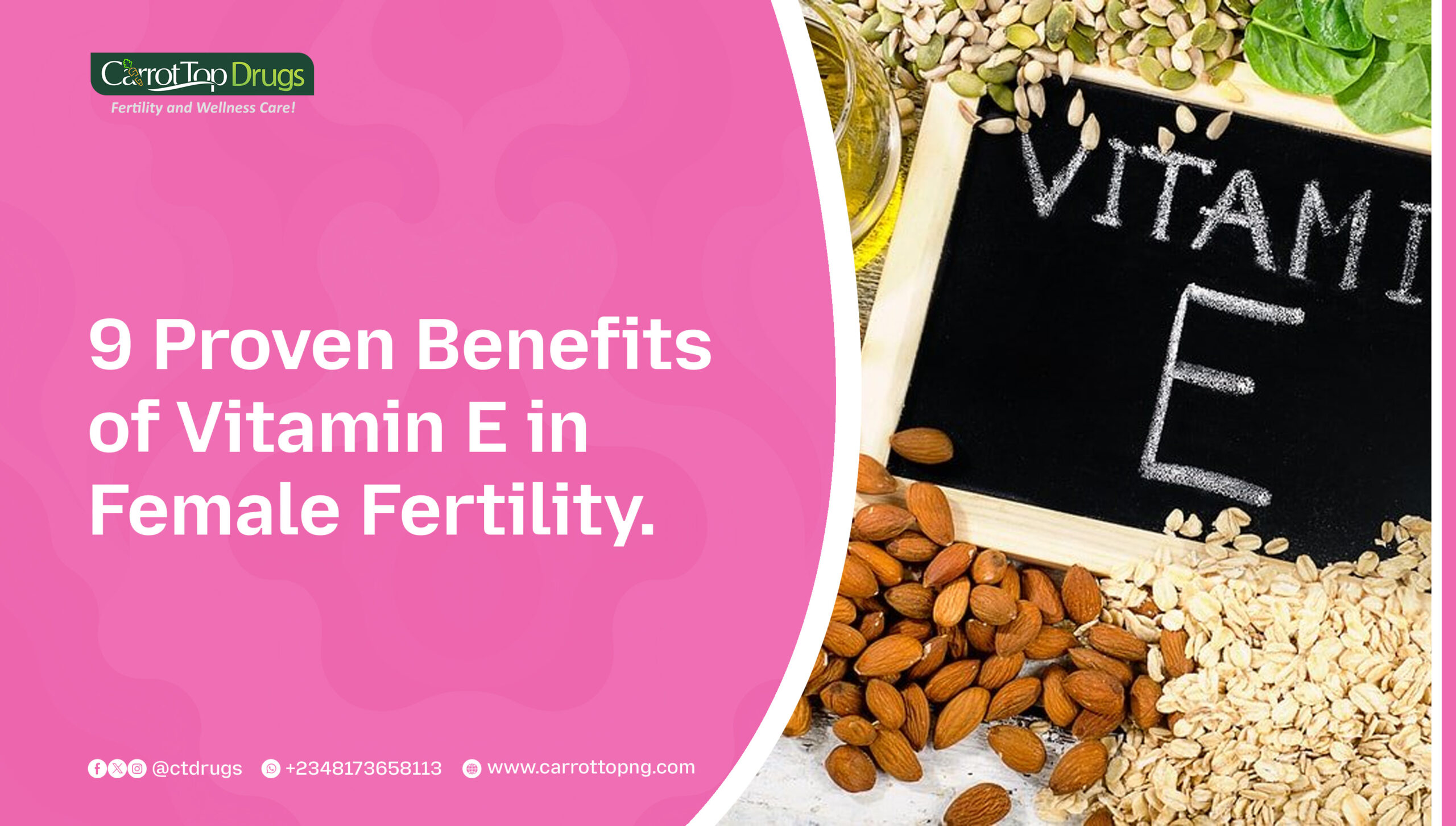
Food remains the best starting point. Great dietary Vitamin E sources include:
- almonds and peanuts
- sunflower seeds
- spinach and leafy greens
- avocados
- plant oils like sunflower and olive oil
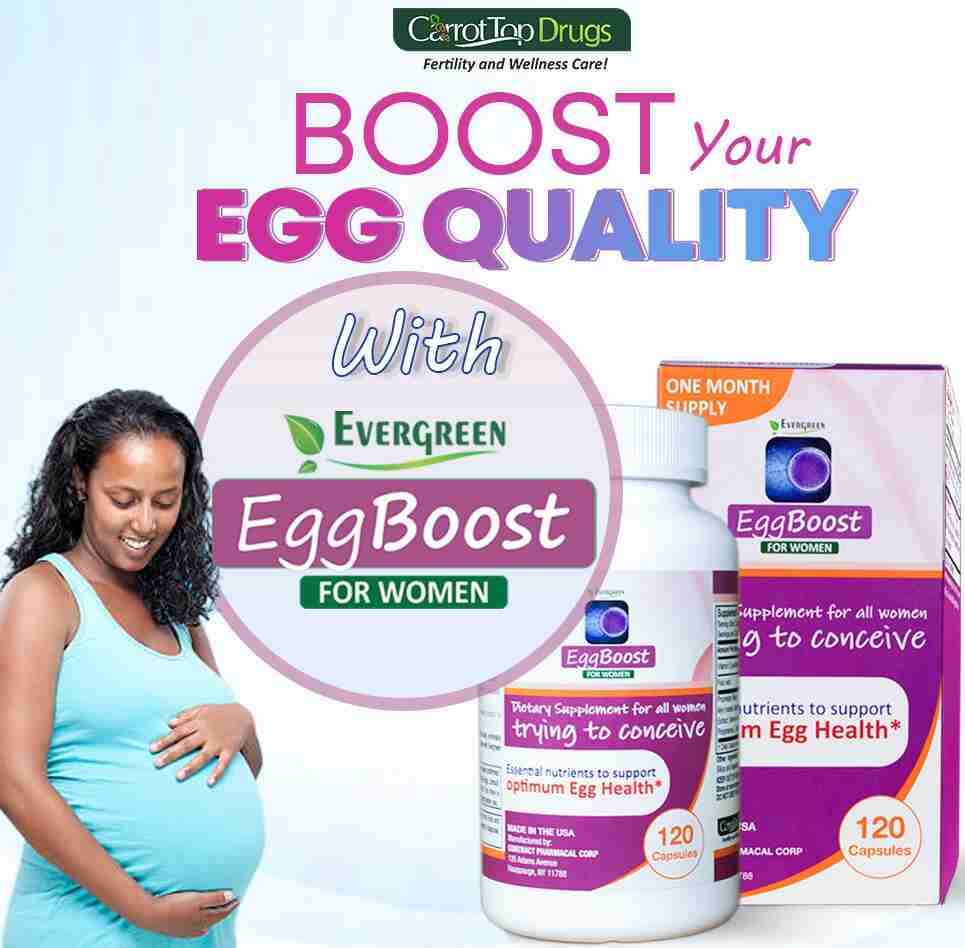
Supplements help when diet gaps exist or oxidative stress is high. Choose natural d-alpha-tocopherol when possible, ensure third-party testing, and avoid unknown brands. Evergreen Eggboost for Women contain the necessary quantity of Vitamin E.
Too much vitamin E can increase bleeding risk or interact with medications.
How much Vitamin E should women trying to conceive take?
Most adults require 15 mg (22.4 IU) daily from a combination of food and supplements.
Some doctors temporarily recommend higher doses for oxidative stress — but only under supervision. High-dose vitamin E (400–1000 IU) isn’t safe for self-prescribing.
Women on blood thinners or preparing for surgery or IVF should avoid unsupervised supplementation.
When should Vitamin E be taken?
Vitamin E absorbs best with meals that contain healthy fats. Some women take it daily. Others pause at specific stages of fertility treatment — because timing matters.
Follow your doctor’s specific instructions.
Where to find quality Vitamin E supplements
Look for:
- reputable pharmacies
- verified online pharmacies
- healthcare-recommended brands
Avoid counterfeit or poorly labelled supplements. They can harm fertility instead of helping. Evergreen Eggboost for Women from Carrot Top Drugs contain the necessary quantity of Vitamin E.
What about Vitamin E 1000 IU for fertility?
High-dose products online often promise faster results. Evidence doesn’t support routine high-dose use — and risks increase, especially bleeding risk near procedures
Use high doses only if your clinician prescribes them.
Other vitamins that support fertility alongside Vitamin E
Vitamin E works best within a full fertility plan. Nutrients frequently evaluated in fertility care include:
- folic acid
- vitamin D
- omega-3 fatty acids
- coenzyme Q10
- iron or iodine (when deficient)
Testing prevents unnecessary supplementation and protects your safety. Evergreen Eggboost contains some of these other vitamins in addition to Vitamin E.
Conclusion: Is Vitamin E worth considering?
Yes — vitamin E provides legitimate and science-supported fertility benefits:
1️⃣ Protects egg quality
2️⃣ Supports hormonal balance
3️⃣ Improves cervical mucus
4️⃣ Encourages healthy implantation
5️⃣ Reduces inflammation
6️⃣ Protects ovarian reserve
7️⃣ Improves reproductive blood flow
8️⃣ Supports some IVF outcomes
9️⃣ Works synergistically with other nutrients
Use it wisely. Pair it with expert guidance. Combine it with nutrition, lifestyle habits, and personalized fertility care.
You deserve clarity, honesty, and support on this journey — and that is always my goal here.
Frequently Asked Questions
Does vitamin E help to get pregnant?
Vitamin E can support fertility by protecting eggs, improving cervical mucus, and supporting implantation. It doesn’t guarantee pregnancy, but it helps create healthier conditions for conception — especially where oxidative stress plays a role.
Can vitamin E help me get pregnant?
Yes — especially if oxidative stress, inflammation, or poor endometrial receptivity contribute to fertility challenges. However, it works best as part of a full fertility plan under medical guidance.
Is vitamin E good for fertility?
Vitamin E supports hormones, protects eggs, and improves reproductive tissue health. Many specialists include it in fertility treatment plans where appropriate.
Does vitamin E increase chances of pregnancy?
Vitamin E may indirectly increase chances by improving egg quality, cervical mucus, and uterine lining health. Results vary because fertility depends on many factors.
Can vitamin E increase egg quality for women trying to conceive?
Yes. Research shows antioxidants like vitamin E reduce oxidative stress that damages eggs. This protection matters more as women age or face environmental stressors.
Can vitamin E help with implantation?
Vitamin E improves blood flow and may support a more receptive uterine lining. It cannot force implantation, but it can create a healthier environment for it.
How does vitamin E help with fertility issues in women?
It lowers inflammation, reduces oxidative stress, stabilizes hormone signaling, protects egg cells, and supports better uterine function. All of those areas influence fertility outcomes.
Can I use vitamin E and folic acid together?
Yes — they work well together in many fertility plans. Folic acid supports fetal development while vitamin E protects reproductive cells. Always confirm doses with your doctor.
Is it okay to take vitamin E while trying to conceive?
Yes, when taken within safe recommended ranges. Avoid high doses unless your doctor prescribes them specifically for your situation.
When should I stop taking vitamin E?
Stop or adjust your dose if your doctor advises it, especially before surgery, IVF procedures, or if you take blood thinners.
When to stop taking vitamin E during IVF?
Many clinics pause antioxidants before egg retrieval or transfer. Timing depends on your clinic protocol, so always follow your fertility specialist’s instructions.
Which vitamin will help me get pregnant?
No single vitamin guarantees pregnancy. Key nutrients include folic acid, vitamin D, omega-3s, CoQ10, and vitamin E — tailored through medical guidance.
Which vitamin E supplements are best for improving fertility?
Look for natural d-alpha-tocopherol, third-party testing, transparent ingredient lists, and medical approval. Avoid unverified online brands. You can check out Evergreen Formular for Women.
Are there top-rated vitamin E brands for female fertility enhancement?
Yes — but the “best” brand depends on dose, form, and safety. Choose clinically reviewed supplements recommended by your provider.
What are the fertility benefits of vitamin E supplements?
They help protect eggs, reduce inflammation, improve uterine health, and support better hormonal function — especially where oxidative stress contributes to infertility.
How much vitamin E per day when trying to conceive?
Most women need around 15 mg (22.4 IU) daily from diet and supplements combined. Higher doses require medical supervision.
How much vitamin E per day for a woman for fertility?
Stay within recommended limits unless your doctor prescribes otherwise. More is not always better with fat-soluble vitamins.
How to take vitamin E for pregnancy?
Take it with meals containing healthy fats to improve absorption. Use consistent dosing and avoid mixing with high-dose supplements unless advised.
When to take vitamin E for fertility?
You can take it daily with meals. Treatment-specific timing (like IVF cycles) should follow fertility specialist guidance.
What vitamin will help me get pregnant faster?
Balanced prenatal support, folic acid, vitamin D, omega-3s, and antioxidants can help — but testing and personalized care matter more than guesswork.
Vitamins to get pregnant fast — are they real?
Supplements support fertility, but they do not replace lifestyle changes, medical evaluation, and targeted treatment when needed.
Best vitamin E for fertility — is there one?
The best option is evidence-based, third-party tested, appropriately dosed, and physician-approved. Avoid cheap synthetic blends with poor labeling.
Vitamin E 1000 IU for fertility — should I take it?
High-dose vitamin E carries risks and usually isn’t necessary. Take it only if prescribed and monitored.
Where can I find a vitamin E supplement in Lagos?
Reliable pharmacies, hospital dispensaries, and reputable online stores are best like Carrot Top Drugs. Avoid unverified street vendors and unknown sellers.
Where can I buy vitamin E products for fertility support near me?
Choose trusted pharmacies or clinics. Ask your doctor for brand recommendations based on safety testing and authenticity.