Introduction
You are doing everything right. You eat, you pray, you try. Yet month after month — nothing. What if the problem is not your body? What if it is your daily routine? Research shows that up to 40% of infertility cases link directly to lifestyle habits. Many of these habits are so ordinary, they feel harmless. But for Nigerian couples trying to conceive, they can quietly shut the door on pregnancy. This article breaks down the bad habits that affect fertility in Nigeria — for both men and women. More importantly, it tells you exactly what to do about each one.
1. Smoking — The Fertility Killer You Carry in Your Pocket
Smoking is the most proven fertility destroyer on this list. Yet millions of Nigerian men and women still smoke daily.
For women, cigarette chemicals damage the ovaries and speed up egg loss. According to the American Society for Reproductive Medicine (ASRM, 2024), smokers face a 60% higher risk of infertility than non-smokers. Smoking also pushes women into early menopause.
For men, the damage is equally serious. The same ASRM report found that smoking reduces sperm concentration by an average of 22% — and that effect is dose-dependent. The more you smoke, the worse your sperm.
Secondhand smoke hurts too. If your partner smokes near you, your reproductive health suffers as well.
What to do: Stop smoking now. Talk to your doctor about nicotine replacement therapy or counselling support. The damage is partly reversible — but only after you quit.
2. Excessive Alcohol Consumption — More Than Just a Bad Night
Alcohol is deeply embedded in Nigerian social life. But the science is clear: too much of it damages fertility in both sexes.
In men, alcohol causes testicular shrinkage, drops testosterone, and reduces sperm count and motility. A 2021 review in Reproduction and Fertility — led by researchers at the University of Benin, Nigeria — confirmed that chronic alcohol use lowers FSH, LH, and testosterone while reducing sperm quality.
In women, heavy drinking disrupts ovulation. The same review noted that excess oestrogen and reduced testosterone are common in alcohol misuse — both harmful to female reproductive health.
What to do: Limit alcohol to occasional, moderate use. If you are actively trying to conceive, stopping entirely is your safest option.
3. A Poor Diet — You Cannot Grow Life on Empty Nutrients
Nigerian diets are changing. Processed foods, fast food, and sugary drinks are now everywhere. Unfortunately, this shift is costing couples their fertility.
A 2024 review in the International Journal of Molecular Sciences found that diets high in processed foods and trans fats are linked to lower sperm quality, oligospermia, and asthenozoospermia. The so-called ‘Western diet’ — high in animal protein, saturated fats, and simple carbs — actively reduces semen parameters.
For women, diets rich in trans fats raise the risk of ovulatory infertility by up to 73%, according to a study in Reproductive Biology and Endocrinology. Nutrient deficiencies in folic acid, iron, vitamin D, and zinc disrupt ovulation and hormone balance.
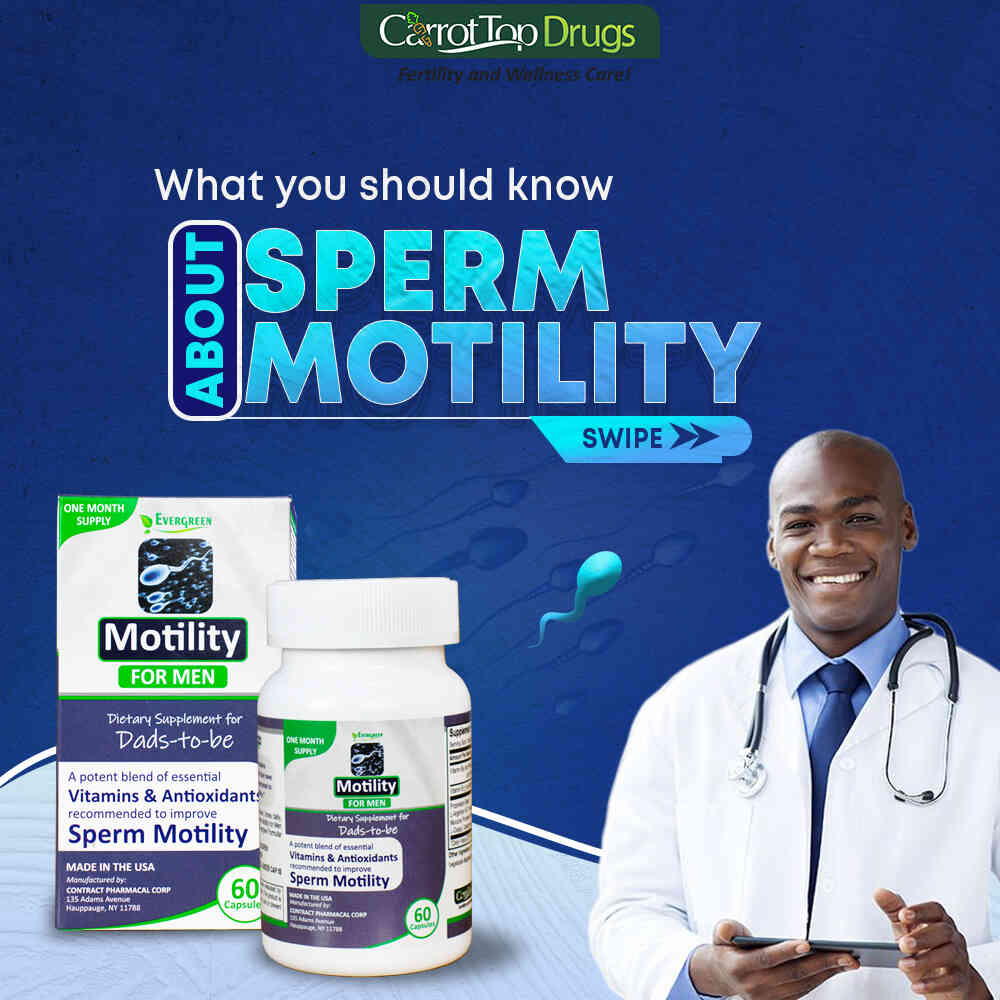
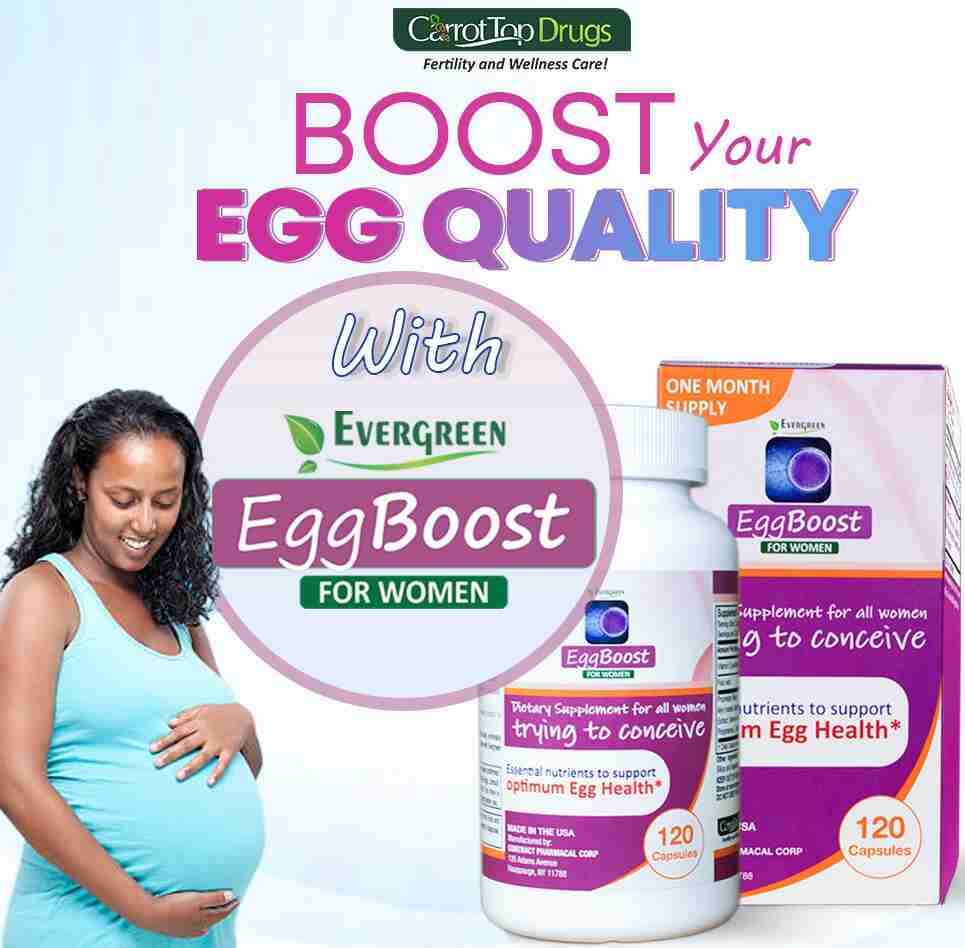
What to do: Eat more fruits, vegetables, whole grains, and healthy fats. Reduce processed snacks, fried foods, and sugary drinks. Consider a fertility-targeted supplement like Evergreen Formular for Men and Motility and Evergreen Formular and Eggboost for Women with zinc, selenium, folic acid, and antioxidants — these directly support sperm health and ovulation.
4. Obesity and Being Severely Underweight — Both Extremes Hurt
Body weight has a powerful effect on fertility. Both extremes — too heavy and too thin — create hormonal chaos.
Obesity in men is linked to lower ejaculate volume, higher sperm DNA damage, and increased risk of azoospermia. A 2024 PMC review on male lifestyle and infertility confirmed that obese men have lower sperm concentration, motility, and morphology.
For women, obesity drives insulin resistance and PCOS — both major causes of anovulation. Remarkably, losing just 5% of body weight can restore ovulation in obese women with PCOS, according to NICHD research.
Being underweight is just as risky. It disrupts menstrual cycles and drops oestrogen — both essential for conception.
What to do: Aim for a healthy BMI. Even a small, gradual weight change of 5–10% improves fertility outcomes significantly. Avoid crash diets — they do more harm than good.
5. A Sedentary Lifestyle — Sitting Is Slowly Hurting Your Chances
Many Nigerians now work desk jobs or spend hours on their phones. This sedentary lifestyle is quietly affecting reproductive health.
Regular moderate exercise improves sperm quality. A study cited in the Reproduction and Fertility review found that men who exercised for at least one hour, three times a week, had 15.2% better sperm parameters than those who did not.
For women, physical inactivity contributes to weight gain, hormonal imbalances, and irregular ovulation.
However, too much intense exercise also hurts. Female athletes with excessive training and poor diets risk low oestrogen and disrupted periods.
What to do: Aim for 30 minutes of moderate activity at least five days a week. Walking, swimming, and cycling all work well. Balance is everything — too little or too much both cause problems.
6. Chronic Stress — Your Brain Is Sabotaging Your Womb
Life in Nigeria — with its economic pressures, traffic, and family expectations — is stressful. Chronic stress is one of the most overlooked bad habits that affect fertility in Nigeria.
Stress activates the HPA (hypothalamic-pituitary-adrenal) axis. This floods the body with cortisol. Elevated cortisol directly suppresses GnRH (gonadotropin-releasing hormone) — the signal that triggers ovulation in women and testosterone production in men.
A 2024 review in the Middle East Fertility Society Journal confirmed that psychological stress significantly disrupts the hormonal balance needed for conception in both men and women.
What to do: Build stress management into your daily routine. Prayer, mindfulness, regular exercise, and quality time with loved ones all help. Do not hesitate to seek professional counselling — fertility clinics in Lagos and Abuja now offer this.
7. Poor Sleep — The Fertility Factor Nobody Talks About
Are you sleeping less than seven hours a night? This habit may be costing you more than just your energy.
A landmark 2023 meta-analysis in PLOS ONE found that people with sleep disorders face a significantly higher risk of infertility than those without.
The mechanism is clear: poor sleep disrupts the HPG axis — the hormonal system that controls reproduction. This leads to altered FSH and LH levels, lower testosterone in men, and irregular ovulation in women.
A 2025 study published in MDPI found that sleep deprivation elevates cortisol and reactive oxygen species (ROS), both of which damage sperm quality and impair reproductive function.
A striking 2025 study in PMC evaluated 727 men from infertile couples. A massive 75% of them had poor sleep quality. Those men had significantly lower sperm concentration and motility.
What to do: Prioritise 7–8 hours of quality sleep every night. Keep a consistent bedtime, avoid screens before sleep, and reduce caffeine after 3 PM.
8. Exposure to Heat and Environmental Toxins — Hidden Threats
Some bad habits are environmental, not behavioural. But they are still choices you can control.
For men, excess heat around the scrotum is a major sperm killer. Tight underwear, laptops on the lap, and long hours on motorcycles or in traffic all raise scrotal temperature. A 2025 study in MDPI confirmed that tight underwear alone lowers sperm concentration, total count, and motility.
Exposure to pesticides, industrial chemicals, and endocrine-disrupting chemicals (EDCs) also harms both male and female fertility. These chemicals are increasingly present in Nigerian food, drinking water, and agricultural products.
What to do: Wear loose-fitting underwear. Avoid placing laptops on your lap. Reduce exposure to pesticides and industrial chemicals where possible. Use clean water sources and wash produce thoroughly.
9. Ignoring and Delaying Treatment for Infections
This is the most uniquely Nigerian fertility threat on this list. Many couples ignore reproductive tract infections for months — sometimes years.
Untreated STIs like chlamydia, gonorrhoea, and mycoplasma cause scarring in the fallopian tubes and epididymis. This blocks sperm and egg transport entirely. By the time the couple seeks help, the damage is often permanent.
The Mayo Clinic (2024) lists STIs as a leading preventable cause of infertility worldwide. In Nigeria, stigma and poor access to healthcare allow these infections to go untreated far too long.
What to do: Get tested for STIs as a couple. Treat infections early and completely. Use protection if either partner has an active infection. Regular reproductive health checkups — at least once a year — are essential.
Quick Reference: Habits vs. Fixes
| Harmful Habit | Who It Affects | Key Fix |
| Smoking | Both | Quit completely |
| Excess Alcohol | Both | Stop when trying to conceive |
| Poor Diet | Both | Eat whole foods + antioxidants |
| Obesity / Underweight | Both | Gradual 5-10% weight change |
| Sedentary Lifestyle | Both | 30 mins moderate exercise daily |
| Chronic Stress | Both | Counselling + stress management |
| Poor Sleep | Both | 7-8 hours + consistent schedule |
| Heat and Toxin Exposure | Mainly men | Loose clothing + clean environment |
| Untreated Infections | Both | Test + treat early |
Why These Habits Hit Nigerian Couples Harder
Nigeria faces a unique combination of challenges. Urbanisation is driving poor diets and sedentary lifestyles. Economic stress keeps cortisol levels elevated. Cultural silence around reproductive health means infections go untreated. And access to fertility care remains uneven across the country.
Together, these factors make bad habits that affect fertility in Nigeria more damaging than they might be elsewhere. But awareness is the first step — and now you have it.
Start Today — Your Fertility Is Not Fixed
Here is the most important thing to understand: almost every habit on this list is reversible. Sperm renews every 64–74 days. The ovaries respond to better nutrition and lower stress within months.
You do not have to overhaul your life overnight. Start with one habit. Quit smoking. Sleep earlier. Add more vegetables to your plate. Exercise three times a week. Each change compounds over time.
If you have been trying to conceive for over 12 months without success, do not wait. See a qualified fertility specialist. Get both of you tested. The sooner you act, the more options you have.
Your body wants to heal. Give it the right environment — and it will.
Frequently Asked Questions
What are the bad habits that affect fertility in Nigeria the most?
Smoking, excessive alcohol, poor diet, obesity, chronic stress, poor sleep, and untreated infections are the top bad habits that affect fertility in Nigeria. They impact both men and women.
Can bad habits cause permanent infertility?
Some damage — like scarring from untreated infections — can be permanent. However, most lifestyle-related fertility issues are reversible with sustained habit changes and medical support.
How long does it take to improve fertility after changing habits?
Sperm renews every 64–74 days. Most men see improvement within 3–6 months of lifestyle changes. For women, hormonal balance can improve within 2–4 months, though individual results vary.
Does stress really affect fertility in Nigeria?
Yes. Chronic stress suppresses reproductive hormones in both men and women. Given Nigeria’s high levels of economic and social stress, this is one of the most underrecognised causes of fertility problems locally.
What fertility tests should Nigerian couples do first?
Start with a semen analysis for the man and hormone panel plus pelvic ultrasound for the woman. Add STI screening for both. These basic tests reveal the cause in most cases.
Can natural supplements improve fertility in Nigeria?
Yes, when evidence-based. Antioxidant supplements containing zinc, selenium, vitamins C, E, and folic acid have strong scientific support for improving sperm quality and ovulation. Always use products with verified formulations and consult your doctor before starting.