
Introduction
Nearly 48% of couples in Nigeria face fertility challenges, yet research shows that many conception delays stem from preventable mistakes rather than serious medical conditions. Understanding the mistakes to avoid while trying to conceive can dramatically shorten your journey to parenthood. Moreover, avoiding these common pitfalls costs nothing but awareness and intentional action.
Understanding Why Avoiding These Mistakes Matters for Your Fertility Journey
Small mistakes compound over time when trying to conceive. A single miscalculated fertile window might add just one month to your journey. However, repeating that mistake for six months translates to half a year of unnecessary waiting. Therefore, recognizing and correcting these errors early becomes crucial for couples eager to start their families.
Fertility operates within a surprisingly narrow biological window each month. Consequently, even minor missteps in timing, health optimization, or lifestyle choices can significantly impact your conception timeline. Research indicates that WHO, 2023 approximately 17.5% of adults worldwide experience infertility during their reproductive years. Nevertheless, many of these cases involve correctable factors rather than permanent medical conditions.
Many couples face preventable delays because they rely on outdated information or cultural myths. For instance, some Nigerian couples believe that certain positions guarantee conception or that traditional herbs alone can overcome fertility obstacles. In contrast, evidence-based approaches focus on optimizing natural fertility through scientifically validated methods. Additionally, understanding your body’s unique fertility signals empowers you to make informed decisions throughout your conception journey.
Mistake #1: Miscalculating Your Fertile Window and Ovulation Timing
One of the mistakes to avoid while trying to conceive is to miscalculate your fertility window. Most couples waste months because they misunderstand their fertile window. The fertile window spans approximately six days: the five days before ovulation plus ovulation day itself. However, many couples mistakenly target only the ovulation day for intercourse. This approach dramatically reduces conception chances because sperm need time to reach the fallopian tubes.
Sperm can survive in the female reproductive tract for up to five days. Consequently, having intercourse two to three days before ovulation often yields better results than waiting until ovulation day. The egg remains viable for only 12-24 hours after release. Therefore, timing intercourse before ovulation ensures sperm wait ready to fertilize the egg upon release.
Common tracking methods vary significantly in accuracy and reliability. The calendar method assumes a 28-day cycle with ovulation on day 14. Nevertheless, CDC, 2024 notes that only 13% of women have perfectly regular 28-day cycles. Additionally, stress, illness, travel, and hormonal fluctuations can shift ovulation timing unpredictably from month to month.
Basal body temperature (BBT) tracking provides more personalized data than calendar methods. Your BBT rises slightly (0.5-1°F) after ovulation occurs due to progesterone release. However, this method confirms ovulation after it happens rather than predicting it beforehand. Consequently, BBT tracking helps identify patterns but doesn’t optimize intercourse timing for the current cycle.
Ovulation predictor kits (OPKs) detect the luteinizing hormone (LH) surge that triggers ovulation. This surge typically occurs 24-36 hours before the egg releases. Therefore, OPKs provide advance notice for optimal intercourse timing. Moreover, combining OPKs with cervical mucus monitoring creates the most comprehensive tracking approach available to couples.
Cervical mucus changes dramatically throughout your cycle in response to estrogen levels. During your fertile window, mucus becomes clear, stretchy, and resembles raw egg whites. This fertile-quality mucus nourishes sperm and facilitates their journey through the cervix. In contrast, non-fertile mucus appears thick, sticky, or absent entirely, creating a hostile environment for sperm survival.
Irregular cycles present additional challenges for tracking fertility windows accurately. Women with cycles shorter than 21 days or longer than 35 days should consult healthcare providers. Additionally, cycles that vary by more than seven days month-to-month suggest hormonal imbalances requiring medical evaluation. Conditions like polycystic ovary syndrome (PCOS) affect 6-12% of Nigerian women and disrupt regular ovulation patterns significantly.
Mistake #2: Completely Ignoring Male Fertility Factors
Another one of the improtant mistakes to avaoid while trying to conceive is to think that infertility affect only women. Male fertility factors contribute to 40-50% of all conception difficulties. Nevertheless, many couples focus exclusively on female fertility when experiencing delays. This oversight wastes precious time investigating only half the fertility equation. Moreover, WHO, 2023 confirms that approximately 20-30% of infertility cases involve male factors alone, with another 20-30% involving both partners.
Sperm health encompasses multiple parameters: count, motility, morphology, and DNA integrity. Each parameter influences conception success independently and collectively. Therefore, optimizing male fertility requires attention to lifestyle factors affecting sperm production throughout the 74-day maturation cycle. Consequently, improvements in male habits today impact sperm quality approximately three months later.
Heat exposure severely damages sperm production and quality over time. The testicles hang outside the body because sperm production requires temperatures 2-4 degrees cooler than core body temperature. However, laptop use on laps, frequent hot baths, saunas, and tight underwear all elevate scrotal temperature unnecessarily. Additionally, occupations involving prolonged sitting (drivers, office workers) or heat exposure (welders, bakers) create chronic fertility challenges.
Smoking reduces sperm count, motility, and morphology while increasing DNA fragmentation rates. Research shows smokers have 23% lower sperm concentrations than non-smokers on average. Furthermore, secondhand smoke exposure affects female partners’ fertility simultaneously. Therefore, both partners should avoid tobacco entirely when trying to conceive naturally.
Alcohol consumption impacts testosterone production and sperm quality dose-dependently. Moderate drinking (more than five drinks weekly) begins reducing sperm parameters measurably. Heavy drinking causes severe reductions in sperm count and increases abnormal sperm morphology. Consequently, limiting alcohol to two drinks weekly or eliminating it entirely optimizes male fertility potential.
Certain medications interfere with sperm production or function without men realizing the connection. Testosterone supplements, anabolic steroids, some blood pressure medications, antidepressants, and pain medications all potentially impair fertility. Therefore, men should review all medications and supplements with healthcare providers before conception attempts begin. In contrast, some medications require continuation for health reasons despite fertility effects.
Men should pursue fertility testing if conception hasn’t occurred after six months of trying. Semen analysis provides comprehensive information about sperm health quickly and non-invasively. Early testing prevents wasted time treating female factors when male issues exist. Moreover, many male fertility problems respond well to lifestyle modifications or medical interventions when identified promptly.
Mistake #3: Neglecting Preconception Health and Medical Checkups
Preconception visits allow healthcare providers to identify and address fertility obstacles before they cause delays. Both partners should complete comprehensive checkups ideally three to six months before conception attempts begin. These visits provide opportunities to optimize health conditions, review medications, and update necessary vaccinations safely before pregnancy occurs.
Underlying conditions frequently interfere with conception without causing obvious symptoms initially. Polycystic ovary syndrome (PCOS) affects 6-12% of reproductive-age women globally and represents the leading cause of ovulatory infertility. However, NICHD, 2024 notes that many women remain undiagnosed until they struggle conceiving because irregular periods seem normal to them.
Thyroid disorders impact fertility significantly through hormonal disruptions affecting ovulation and implantation. Both hypothyroidism and hyperthyroidism can prevent conception or increase miscarriage risks substantially. Therefore, thyroid function testing (TSH, T3, T4) should occur during preconception workups for all women. Additionally, thyroid medication doses often require adjustment when pregnancy occurs to support fetal development properly.
Endometriosis affects approximately 10% of reproductive-age women worldwide and causes fertility challenges through multiple mechanisms. This condition involves endometrial tissue growing outside the uterus, creating inflammation, scarring, and anatomical distortions. Moreover, endometriosis often causes painful periods, pelvic pain, and painful intercourse. Nevertheless, some women experience minimal symptoms despite significant disease presence requiring surgical intervention.
Uterine fibroids occur in 20-40% of reproductive-age women and affect fertility depending on their size, number, and location. Submucosal fibroids protruding into the uterine cavity most significantly impair implantation and increase miscarriage risks. Consequently, women with known fibroids should discuss treatment options with reproductive specialists before conception attempts. In contrast, small subserosal fibroids outside the uterus rarely impact fertility outcomes.
Sexually transmitted infections (STIs) silently damage reproductive organs when left untreated over time. Chlamydia and gonorrhea cause pelvic inflammatory disease (PID) leading to tubal blockages and scarring. Therefore, both partners should complete STI screening during preconception visits. Early treatment prevents permanent reproductive damage and protects pregnancy health once conception occurs.
Certain medications require discontinuation or substitution before conception attempts begin safely. Isotretinoin (for acne), some seizure medications, blood thinners, and certain psychiatric medications all pose fetal risks. However, stopping medications without medical guidance creates health risks for mothers. Therefore, healthcare providers must balance maternal health needs against fetal safety when reviewing medication regimens thoroughly.
Chronic conditions including diabetes, hypertension, and autoimmune disorders require optimization before conception. Poorly controlled diabetes increases miscarriage risks and birth defects substantially. Additionally, some blood pressure medications cause fetal harm requiring substitution to pregnancy-safe alternatives. Consequently, achieving stable disease control before conception protects both maternal and fetal health throughout pregnancy. Could you imagine ignoring all of these? This is why it is one of the serious mistakes to avoid while trying to conceive.
Mistake #4: Poor Lifestyle Choices That Sabotage Fertility
The law of cause and effect applies here. Poor lifestyle choices are mistakes to avoid while trying to conceive. Here are some of the important lifestyle chocies to avoid:
Extreme Weight
Weight extremes significantly impact fertility through hormonal disruptions affecting ovulation and conception. Women with BMI above 30 or below 18.5 face increased fertility challenges compared to women within normal weight ranges. Obesity causes insulin resistance, elevated androgens, and disrupted ovulation patterns. Conversely, being underweight reduces leptin levels necessary for maintaining regular menstrual cycles and hormone production.
Research indicates that NICHD, 2023 losing just 5-10% of body weight can restore ovulation in overweight women with fertility challenges. Therefore, achieving healthy BMI (18.5-24.9) before conception attempts improves outcomes substantially. Moreover, healthy weight supports pregnancy health and reduces complications like gestational diabetes and preeclampsia later.
Smoking
Smoking damages fertility in both partners through multiple mechanisms simultaneously. Women who smoke experience earlier menopause, reduced egg quality, and increased miscarriage risks significantly. Additionally, smoking damages fallopian tube function and disrupts hormone production essential for conception. Male smokers face reduced sperm parameters and increased DNA damage that impairs embryo development even after successful fertilization.
Alcohol Consumption and Recreational Drugs
Excessive alcohol consumption disrupts hormone balance and impairs fertility in women meaningfully. Heavy drinking (more than seven drinks weekly) interferes with ovulation, disrupts menstrual cycles, and increases miscarriage risks substantially. Therefore, women should eliminate alcohol entirely when actively trying to conceive. In contrast, occasional light drinking (one to two drinks weekly) shows minimal impact on fertility in most research studies.
Recreational drug use severely impairs fertility through direct reproductive system damage. Marijuana disrupts ovulation timing and reduces sperm count and motility substantially. Cocaine and opioids interfere with hormone production necessary for conception. Additionally, these substances increase miscarriage and birth defect risks when pregnancy occurs. Consequently, both partners must eliminate all recreational drugs before conception attempts.
Excessive Caffeine
Caffeine consumption requires moderation rather than complete elimination during conception attempts. Most research suggests limiting intake to 200mg daily (approximately two cups of coffee) maintains fertility without negative impacts. However, exceeding 300mg daily may slightly increase time to conception. Therefore, reducing caffeine intake to moderate levels represents a simple precautionary measure.
Toxins
Environmental toxins and workplace hazards often go unrecognized as fertility threats. Pesticides, heavy metals, solvents, and radiation exposure all potentially impair reproductive function in both partners. Women working in healthcare, manufacturing, agriculture, or cleaning industries face higher exposure risks. Moreover, men in construction, painting, or automotive industries encounter fertility-threatening chemicals regularly. Therefore, using protective equipment and minimizing exposure becomes essential when trying to conceive.
Excess/Insufficient Exercise
Exercise extremes harm fertility whether excessive or insufficient for optimal health. High-intensity exercise exceeding seven hours weekly can disrupt ovulation through stress hormone elevation and energy deficiency. Conversely, sedentary lifestyles contribute to obesity, insulin resistance, and hormonal imbalances affecting fertility. Therefore, moderate exercise (150 minutes weekly of moderate-intensity activity) optimizes fertility without causing hormonal disruptions.
Poor Sleep
Sleep deprivation disrupts reproductive hormones necessary for regular ovulation and conception. Leptin, ghrelin, cortisol, and sex hormones all follow circadian rhythms affected by sleep quality and duration. Women sleeping less than seven hours nightly face reduced fertility compared to those sleeping seven to eight hours. Additionally, shift work disrupting circadian rhythms particularly impacts fertility through chronic hormonal imbalances. Therefore, prioritizing consistent sleep schedules supports optimal reproductive hormone production.
Mistake #5: Following a Diet That Hurts Rather Than Helps Fertility
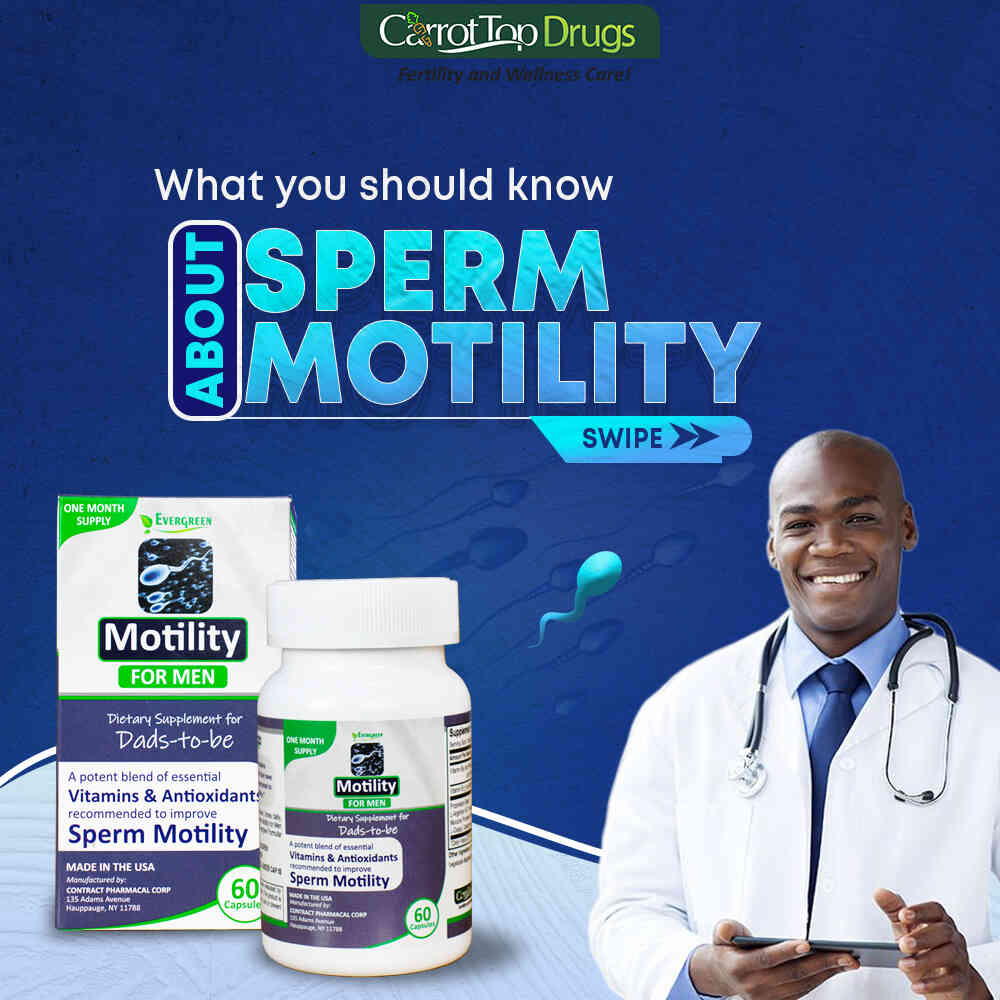
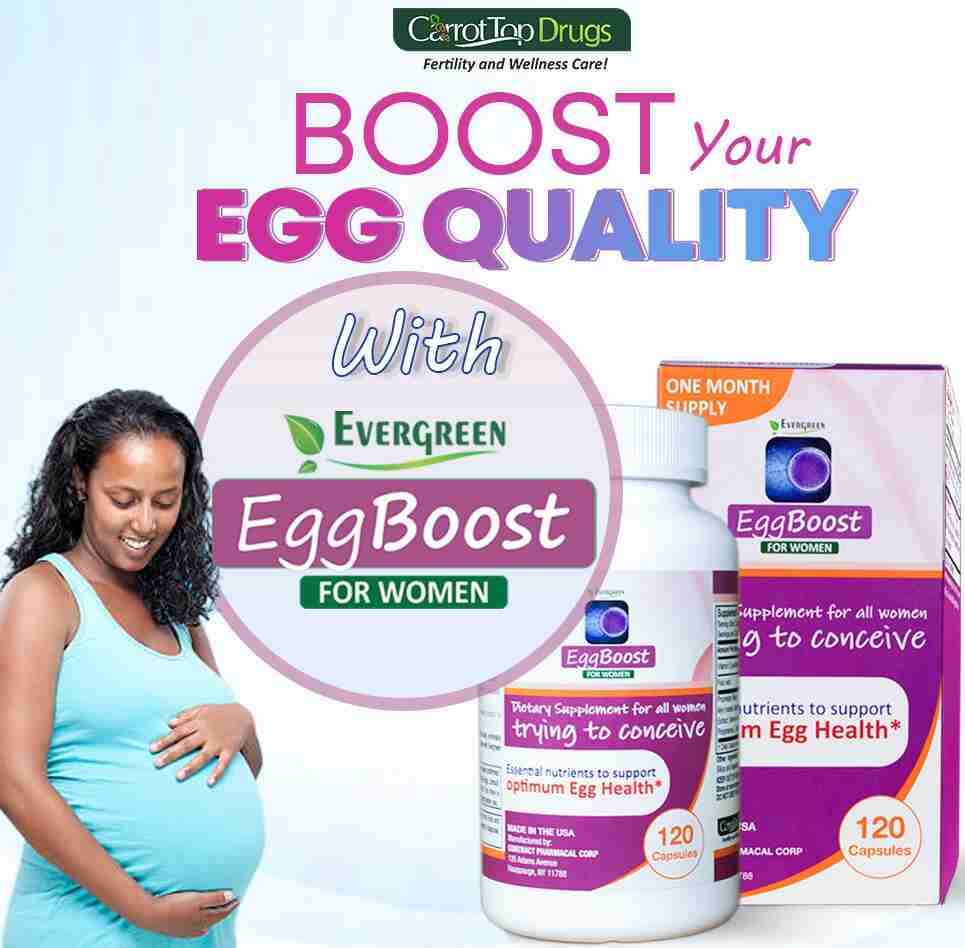
Your diet directly impacts your reproductive health. However, many women overlook this connection. Studies show that nutritional deficiencies significantly reduce conception rates. In Nigeria, micronutrient deficiencies affect over 60% of women of reproductive age. Therefore, addressing dietary mistakes becomes essential. That’s why we recommend Carrot Top Drug’s Supplements like: Evergreen Formular and Eggboost for Women as well as Evergreen Formular and Motility for Men
Trans fats severely harm fertility. Research indicates they increase ovulatory infertility by 73%. Moreover, processed foods contain these harmful fats. Consequently, you should eliminate margarine, packaged snacks, and fried fast foods. Additionally, high mercury fish pose risks. Shark, swordfish, and king mackerel accumulate mercury. This heavy metal damages egg quality and fetal development.
High glycemic foods create another problem. They spike blood sugar rapidly. As a result, insulin resistance develops. This hormonal imbalance disrupts ovulation patterns. Furthermore, excessive refined carbohydrates trigger inflammation. Therefore, limit white bread, sugary drinks, and pastries. Instead, choose whole grains and complex carbohydrates.
Folic acid stands as a crucial nutrient. It prevents neural tube defects during early pregnancy. WHO recommends 400-800 mcg daily for women trying to conceive. However, dietary sources alone prove insufficient. Consequently, prenatal vitamins become necessary. Start them three months before conception attempts. Evergreen Folic Acid + B12 can help to meet this daily requirement.
Fertility-boosting foods offer remarkable benefits. Leafy greens provide folate and iron. Berries contain antioxidants that protect eggs. Moreover, fatty fish supply omega-3 fatty acids. These reduce inflammation and support hormone production. Additionally, nuts and seeds offer vitamin E. This nutrient improves egg quality significantly.
The Mediterranean diet shows exceptional results. It emphasizes vegetables, fruits, whole grains, and healthy fats. Studies link this eating pattern to 40% higher conception rates. Therefore, adopt this approach. Include olive oil, legumes, and moderate fish consumption. In contrast, limit red meat and dairy.
Restrictive dieting creates hormonal chaos. Severe calorie restriction stops ovulation. Your body perceives starvation as unsafe for reproduction. Consequently, it shuts down fertility mechanisms. Furthermore, rapid weight loss depletes essential nutrients. Therefore, avoid crash diets entirely. Aim for gradual, sustainable changes instead.
Mistake #6: Letting Stress and Pressure Overwhelm Your Conception Journey
Stress profoundly affects fertility. However, couples often underestimate this connection. Overlooking this is one of the mistakes to avoid while trying to conceive. Chronic stress elevates cortisol levels. This hormone disrupts your reproductive system. Moreover, it interferes with GnRH production. Consequently, ovulation becomes irregular or stops entirely.
Research reveals alarming statistics. Women with high stress levels have 45% lower conception rates. Additionally, stress reduces sexual desire. Therefore, the stress-fertility cycle perpetuates itself. In Nigeria, cultural pressure intensifies these challenges. Family expectations create additional emotional burden.
Performance anxiety destroys spontaneity. Scheduled intercourse feels mechanical and clinical. As a result, intimacy suffers greatly. Moreover, men experience erectile difficulties under pressure. Therefore, maintain emotional connection alongside conception efforts. Prioritize pleasure and closeness. Consequently, you’ll reduce anxiety while improving chances.
Unrealistic expectations fuel disappointment. Many couples expect immediate success. However, healthy couples have only 20-25% monthly conception probability. Furthermore, timeline pressures intensify with age. Therefore, set realistic goals. Understand that six months represents normal conception time.
Stress management techniques provide relief. Mindfulness meditation reduces cortisol significantly. Practice 10-15 minutes daily. Additionally, yoga improves reproductive hormone balance. Moreover, regular exercise releases endorphins. These natural mood elevators counteract stress.
Professional support proves invaluable. Counseling helps process emotional challenges. Support groups connect you with others facing similar struggles. Therefore, don’t hesitate to seek help. In contrast, isolation worsens stress effects. Furthermore, couples therapy strengthens partnership communication.
Recognize when stress requires intervention. Persistent anxiety or depression demands professional attention. Additionally, relationship conflicts need addressing. Moreover, if stress prevents normal functioning, seek help immediately. Consequently, you’ll protect both mental health and fertility.
Mistake #7: Waiting Too Long to Seek Professional Fertility Help
Timing determines fertility treatment success. However, couples often delay consultation. This mistake costs precious time and opportunities. Therefore, understand when to seek help.
Clear guidelines exist for everyone. Women under 35 should consult after 12 months of trying. For women over 35, wait only six months. The American College of Obstetricians and Gynecologists emphasizes these timelines. Additionally, known conditions require immediate evaluation. These include irregular periods, PCOS, endometriosis, or previous pelvic infections.
Several signs warrant earlier consultation. Painful periods suggest endometriosis. Moreover, history of pelvic inflammatory disease impacts fertility. Additionally, previous chemotherapy or radiation demands assessment. Furthermore, recurrent miscarriages require investigation. Therefore, don’t wait unnecessarily.
Fertility specialists offer comprehensive solutions. They conduct thorough evaluations. Blood tests assess hormone levels. Moreover, ultrasounds examine reproductive organs. Additionally, semen analysis evaluates male factors. Consequently, they identify specific problems. Treatment options range from medication to assisted reproduction.
Nigerian context presents unique challenges. Financial constraints limit access to specialists. Moreover, cultural stigma discourages seeking help. However, delayed intervention reduces success rates. Therefore, prioritize early consultation. Many teaching hospitals offer subsidized fertility services. Additionally, health insurance increasingly covers basic evaluations.
Early intervention dramatically improves outcomes. Younger eggs respond better to treatment. Moreover, simpler interventions work initially. Consequently, you avoid complex procedures. Furthermore, addressing issues promptly prevents progression. Therefore, seeking help represents wisdom, not failure.
Quick Action Plan: What to Do Right Now to Avoid These Mistakes
Immediate action prevents common fertility mistakes. Therefore, follow this practical checklist. Implementation starts today.
Week 1-2: Medical Foundation
Schedule preconception appointments for both partners. Request comprehensive blood work. Additionally, update vaccinations as needed. Moreover, review all current medications. Discuss alternatives for problematic drugs. Consequently, you’ll establish baseline health.
Week 3-4: Lifestyle Optimization
Start tracking ovulation using multiple methods. Download a reliable fertility app. Additionally, begin basal body temperature charting. Moreover, purchase ovulation predictor kits. Therefore, you’ll identify your fertile window accurately.
Eliminate harmful substances immediately. Stop smoking and recreational drugs. Additionally, limit alcohol consumption. Moreover, reduce caffeine intake. Furthermore, review environmental exposures. Consequently, protect egg and sperm quality.
Month 2: Dietary Changes
Begin taking prenatal vitamins. Add fertility-boosting foods daily. Additionally, eliminate trans fats completely. Moreover, reduce processed food consumption. Therefore, you’ll optimize nutritional status. Plan Mediterranean-style meals throughout the week.
Month 3: Stress Management
Implement daily relaxation practices. Start meditation or yoga. Additionally, schedule regular exercise. Moreover, maintain intimate connection. Therefore, reduce conception-related pressure. Join support groups for emotional backing.
Partner Involvement
Include your partner fully. Attend appointments together. Additionally, make lifestyle changes jointly. Moreover, communicate openly about feelings. Consequently, you’ll strengthen your partnership. Share responsibilities and decision-making equally.
Timeline Setting
Establish realistic expectations. Mark calendar for specialist consultation. Additionally, track monthly attempts. Moreover, celebrate small victories. Therefore, maintain positive perspective. Remember that patience proves essential.
Frequently Asked Questions
What are the most common mistakes couples make when trying to conceive in Nigeria?
Nigerian couples frequently make several critical errors. They often skip preconception checkups entirely. Moreover, many ignore male factor evaluation. Additionally, cultural pressure creates excessive stress. Furthermore, delayed specialist consultation proves common. Poor ovulation tracking and timing errors occur frequently. Therefore, comprehensive preparation matters tremendously.
How long should I try to get pregnant before seeing a fertility doctor?
Age determines appropriate waiting time. Women under 35 should try for 12 months. However, women over 35 should consult after six months. Additionally, known fertility issues require immediate evaluation. These include irregular cycles or previous reproductive problems. Therefore, don’t delay unnecessarily. Early intervention significantly improves success rates.
What foods and substances should I avoid when trying to get pregnant?
Several items harm fertility significantly. Eliminate trans fats found in processed foods. Additionally, avoid high mercury fish completely. Moreover, limit alcohol consumption strictly. Furthermore, reduce caffeine to under 200mg daily. Minimize refined carbohydrates and sugary foods. Therefore, choose whole, nutrient-dense options. Focus on fertility-boosting Mediterranean diet patterns.
Does stress really affect my chances of getting pregnant?
Stress profoundly impacts conception success. Chronic stress elevates cortisol levels. This hormone disrupts reproductive hormone balance. Moreover, it interferes with ovulation patterns. Research shows stressed women have 45% lower conception rates. Additionally, stress reduces sexual desire. Therefore, stress management becomes crucial. Practice relaxation techniques daily. Consequently, you’ll improve both wellbeing and fertility.
What is the best time to have intercourse to maximize my chances of getting pregnant?
The fertile window spans six days. It includes ovulation day and five days before. However, sperm survives up to five days. Therefore, intercourse two days before ovulation proves optimal. Additionally, maintain regular intimacy throughout your cycle. Aim for every 2-3 days. Moreover, avoid limiting sex to ovulation only. Consequently, you’ll reduce pressure while maximizing opportunities.
Can being overweight or underweight affect my fertility and ability to conceive?
Body weight significantly impacts reproductive function. Obesity disrupts hormone production and ovulation. Additionally, it increases miscarriage risk substantially. Conversely, being underweight stops menstruation entirely. Studies show BMI between 18.5-24.9 optimizes fertility. Therefore, achieve healthy weight range. However, avoid crash dieting. Gradual changes prove most effective. Consequently, hormones stabilize and conception improves.
Conclusion
Understanding mistakes you should avoid while trying to get pregnant empowers your conception journey. These seven errors undermine countless couples unnecessarily. However, knowledge creates opportunity for change. Moreover, implementation proves straightforward and accessible.
Start by addressing both partners’ health. Track ovulation accurately and time intercourse appropriately. Additionally, optimize lifestyle factors systematically. Furthermore, nourish your body with fertility-supporting foods. Manage stress proactively and seek help promptly. Therefore, you maximize conception chances naturally.
Remember that conception takes time. Most healthy couples conceive within six months. However, patience proves essential. Consequently, avoid unnecessary anxiety. Focus on controllable factors instead. Your proactive approach matters tremendously. Therefore, implement these strategies today. Success follows informed, consistent effort.