Introduction
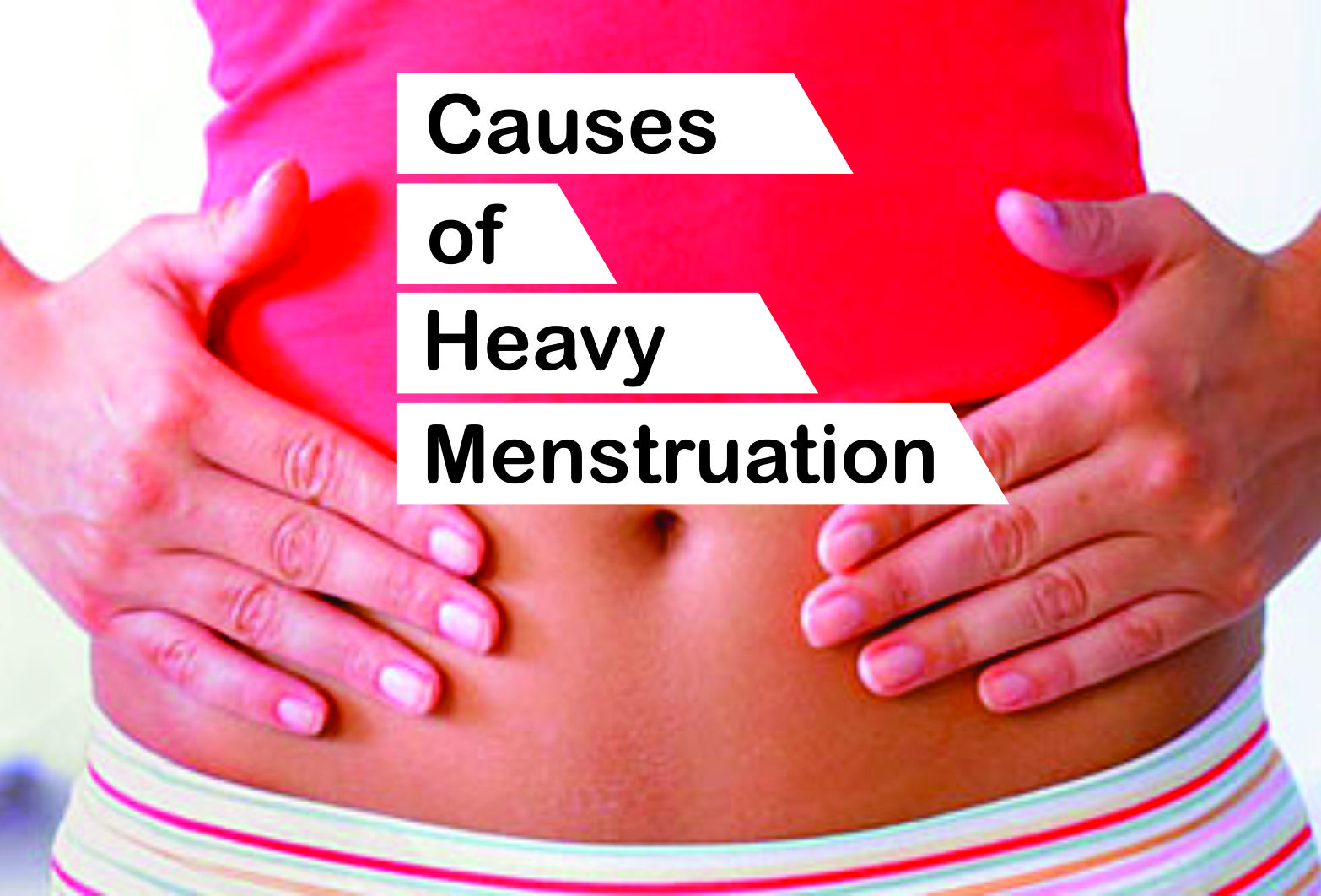
Nearly 30% of women worldwide experience heavy menstruation at some point in their lives, yet most suffer in silence. Understanding the causes of heavy menstruation empowers you to seek timely treatment and reclaim your quality of life. This comprehensive guide reveals the most critical factors behind abnormal menstrual bleeding.
What Defines Heavy Menstruation (Menorrhagia)?
Heavy menstruation, medically termed menorrhagia, occurs when menstrual bleeding exceeds normal limits. Clinically, healthcare providers diagnose heavy menstrual bleeding when you soak through one or more pads or tampons every hour for several consecutive hours. Additionally, periods lasting longer than seven days qualify as abnormally heavy. Passing blood clots larger than a quarter also indicates excessive bleeding.
However, objective measurements help clarify what truly constitutes heavy bleeding. According to [National Institutes of Health, 2022], losing more than 80 millilitres of blood per cycle defines menorrhagia. Most women lose between 30 to 40 millilitres during normal periods. Consequently, heavy bleeding often leads to iron deficiency anaemia, causing fatigue and weakness.
Self-assessment criteria help you identify problematic bleeding patterns. You likely have heavy menstruation if you need to change protection during the night, experience bleeding that interferes with daily activities, or notice flooding through clothes despite protection. Moreover, feeling dizzy or short of breath during your period suggests significant blood loss. These symptoms warrant immediate medical evaluation to determine the underlying causes of heavy menstruation.
In Nigeria, cultural barriers often prevent women from discussing menstrual concerns openly. Therefore, many endure debilitating symptoms without seeking help. Understanding what constitutes abnormal bleeding represents the first step toward proper diagnosis and treatment.
1. Uterine Fibroids: The Leading Structural Cause
Uterine fibroids stand as the most common structural cause of heavy menstruation worldwide. These benign tumours develop in the muscular wall of the uterus and affect up to 70% of women by age 50. Fibroids cause heavy bleeding through multiple mechanisms that disrupt normal menstrual function.
The increased surface area of the uterine lining creates more tissue to shed during menstruation. Consequently, women with fibroids often experience significantly heavier periods than their counterparts. Additionally, fibroids impair normal uterine contractions that typically limit blood flow during menstruation. This impairment allows blood vessels to remain open longer, resulting in prolonged and excessive bleeding.
Research from [World Health Organization, 2023] indicates that African women face disproportionately high fibroid rates. In Nigeria specifically, studies show prevalence rates exceeding 60% among women of reproductive age. This high incidence makes heavy menstruation and fibroids a critical health concern for Nigerian women.
Beyond heavy bleeding, fibroids produce additional symptoms that impact quality of life. Pelvic pressure, frequent urination, constipation, and back pain commonly accompany fibroid-related menorrhagia. Some women also experience painful periods and difficulty conceiving. Therefore, recognizing these associated symptoms helps identify fibroids as potential causes of heavy menstruation.
Fibroid size and location determine symptom severity and treatment approaches. Submucosal fibroids, which protrude into the uterine cavity, cause the heaviest bleeding. In contrast, subserosal fibroids growing outward from the uterus may produce minimal menstrual symptoms. Understanding these distinctions helps guide appropriate treatment selection.
2. Hormonal Imbalances: When Your Body’s Signals Go Awry
Hormonal imbalances represent another major category among causes of heavy menstruation. The delicate balance between estrogen and progesterone orchestrates normal menstrual cycles.
However, when this balance shifts, menstrual bleeding becomes unpredictable and often excessive.
Estrogen stimulates the growth of the uterine lining throughout the menstrual cycle. Progesterone, released after ovulation, stabilizes this lining and prepares it for potential pregnancy. Without sufficient progesterone, the endometrium grows excessively thick and sheds irregularly. Consequently, this imbalance produces heavy, prolonged menstrual bleeding.
Anovulation, or lack of ovulation, commonly triggers hormonal heavy menstruation. When ovaries fail to release eggs, progesterone production drops dramatically. According to [Centers for Disease Control and Prevention, 2024], anovulatory bleeding affects women most frequently during puberty and perimenopause. These transitional periods feature irregular ovulation patterns that disrupt hormonal equilibrium.
Thyroid disorders also contribute significantly to abnormal menstrual bleeding patterns. Both hyperthyroidism and hypothyroidism can cause heavy periods through their effects on reproductive hormones. Moreover, polycystic ovary syndrome (PCOS) creates hormonal chaos that leads to irregular, heavy bleeding. Women with PCOS produce excess androgens that interfere with normal
ovulation.
Different life stages present unique hormonal challenges that explain the causes of heavy menstruation in young women versus older adults. Teenagers experience heavy bleeding as their bodies establish regular ovulation patterns. In contrast, women over 40 face perimenopause-related hormonal fluctuations. Therefore, age-appropriate evaluation helps identify specific hormonal causes requiring targeted treatment.
Stress, rapid weight changes, and excessive exercise can also disrupt hormonal balance. These lifestyle factors affect the hypothalamic-pituitary-ovarian axis that controls menstruation. As a result, addressing underlying lifestyle issues sometimes resolves hormonally driven heavy bleeding.
3. Endometriosis and Adenomyosis: Tissue in the Wrong Places
Endometriosis and adenomyosis involve endometrial tissue growing where it should not exist. These conditions create distinct challenges and represent often-overlooked causes of heavy menstruation. Understanding their differences helps women recognize symptoms and seek an appropriate diagnosis.
Endometriosis occurs when tissue similar to the uterine lining grows outside the uterus. This misplaced tissue typically appears on the ovaries, fallopian tubes, or pelvic surfaces. During menstruation, this tissue bleeds internally, causing inflammation, scarring, and severe pain. Additionally, endometriosis increases menstrual flow volume through inflammatory mechanisms that affect normal uterine function.
Adenomyosis develops when endometrial tissue invades the muscular wall of the uterus itself. The uterus becomes enlarged, tender, and unable to contract effectively during menstruation. Consequently, periods become significantly heavier and more painful. [Healthline, 2023] reports that adenomyosis affects approximately 20% of women, though actual prevalence may be higher due to underdiagnosis.
Both conditions produce heavy bleeding accompanied by debilitating pelvic pain. However, their pain patterns differ slightly. Endometriosis causes pain throughout the month, worsening during menstruation. Adenomyosis typically produces pain primarily during periods, with a characteristic feeling of uterine heaviness or pressure.
Diagnostic challenges complicate the identification of these causes of heavy menstruation. Endometriosis requires surgical visualisation for definitive diagnosis, though imaging can suggest its presence. Adenomyosis shows characteristic features on ultrasound or MRI but often goes unrecognized. Therefore, many women endure years of symptoms before receiving accurate diagnoses.
From a patient perspective, these conditions dramatically impact daily functioning. Women describe planning activities around their periods, missing work or school, and experiencing anxiety about bleeding through protection. Moreover, chronic pain affects relationships, mental health, and overall quality of life. Recognizing these broader impacts emphasizes the importance of early diagnosis and treatment.
4. Blood Clotting Disorders: When Your Blood Won’t Stop
Blood clotting disorders represent an underdiagnosed yet significant cause of heavy menstruation, particularly in young women. These inherited conditions affect how blood coagulates, leading to prolonged bleeding during menstruation and other circumstances. Identifying these disorders early prevents complications and guides appropriate management.
Von Willebrand disease stands as the most common inherited bleeding disorder, affecting approximately 1% of the population. This condition involves deficiency or dysfunction of von Willebrand factor, a protein essential for blood clotting. Women with this disorder experience heavy periods from menarche onward. However, many remain undiagnosed because providers often attribute heavy bleeding to other causes.
Platelet function disorders also contribute to excessive menstrual bleeding. These conditions affect how platelets stick together to form clots. Consequently, blood vessels in the uterine lining bleed longer and more profusely during menstruation. According to [WebMD, 2024], up to 20% of women with heavy periods have underlying bleeding disorders.
Signs beyond menstruation help identify potential clotting disorders. Easy bruising that appears without trauma suggests impaired coagulation. Frequent nosebleeds lasting more than 10 minutes raise additional concerns. Moreover, prolonged bleeding after dental procedures or minor cuts indicates potential bleeding disorders requiring evaluation.
These disorders prove particularly important to diagnose in young women experiencing heavy bleeding from their first period. Starting menstruation with consistently heavy flow suggests an underlying bleeding disorder rather than a temporary hormonal imbalance. Therefore, teenagers with severe menorrhagia warrant screening for clotting abnormalities.
Family history provides crucial diagnostic clues. Women whose mothers or sisters experienced heavy bleeding likely carry genetic bleeding disorders. Additionally, bleeding complications during childbirth or surgery in family members suggest inherited coagulation problems. Sharing this information with healthcare providers facilitates appropriate testing and diagnosis.
5. Uterine Polyps and Structural Abnormalities
Uterine polyps and various structural abnormalities constitute additional causes of heavy menstruation that require medical attention. These growths and irregularities disrupt normal menstrual function through mechanical and hormonal mechanisms. Understanding these conditions helps women recognize when structural problems may underlie their symptoms.
Uterine polyps are benign growths that project from the inner uterine lining into the cavity. These soft, finger-like structures consist of endometrial tissue that responds to hormonal stimulation. Polyps cause heavy bleeding by increasing the surface area of tissue available to shed during menstruation. Additionally, they may bleed independently between periods, creating irregular spotting.
Cervical polyps develop on the cervix and can also contribute to abnormal bleeding. These growths typically cause bleeding after intercourse or between periods rather than heavy menstruation specifically. However, they sometimes coexist with endometrial polyps, compounding bleeding problems. Both types require medical evaluation to rule out rare malignant transformation.
Intrauterine devices (IUDs), while generally safe and effective, sometimes cause heavy menstrual bleeding as a side effect. Copper IUDs particularly increase menstrual flow volume and duration. The device creates local inflammation that enhances bleeding. However, this side effect often diminishes after several months as the body adjusts.
Uterine cancer, though rare, represents a critical structural cause requiring exclusion. Endometrial cancer typically affects postmenopausal women but occasionally develops in younger individuals. Any abnormal bleeding after menopause warrants immediate evaluation. Moreover, risk factors include obesity, diabetes, unopposed estrogen exposure, and family history. [National Cancer Institute, 2025] emphasizes prompt investigation of suspicious bleeding patterns.
Age-related risk factors influence which structural abnormalities most likely cause heavy menstruation. Polyps increase in frequency with age, particularly after 40. Similarly, endometrial cancer risk rises significantly after menopause. Therefore, older women experiencing heavy bleeding require a thorough structural evaluation, including endometrial sampling. In contrast, younger women more commonly face bleeding from fibroids or polyps rather than malignancy.
6. Medications and Medical Conditions That Trigger Heavy Bleeding
Certain medications directly influence the causes of heavy menstruation by interfering with blood clotting mechanisms. Anticoagulants such as warfarin and heparin prevent blood from clotting properly. Consequently, menstrual bleeding becomes heavier and longer. Anti-inflammatory drugs like ibuprofen and aspirin also thin the blood when used regularly. However, these medications serve important medical purposes.
Hormonal medications represent another significant category affecting menstrual flow. Intrauterine devices without hormones sometimes increase bleeding initially. Moreover, hormonal therapies for other conditions can disrupt menstrual patterns. Chemotherapy drugs also affect the menstrual cycle unpredictably. Therefore, women should discuss all medications with their healthcare provider.
Pelvic inflammatory disease (PID) stands among the leading infectious causes of heavy menstruation globally. This infection damages reproductive organs and causes irregular bleeding. WHO reports STIs affect millions annually, with PID being a common complication. Additionally, untreated PID leads to chronic pain and fertility problems.
Liver disease affects clotting factor production in the body. As a result, women with cirrhosis or hepatitis experience heavier periods. Kidney disease similarly impacts blood composition and clotting ability. Furthermore, these conditions require specialized medical management beyond gynecological care.
Cervical and endometrial cancers occasionally manifest as abnormal bleeding patterns. However, cancer remains a less common cause compared to benign conditions. Nevertheless, persistent heavy bleeding requires thorough evaluation to exclude malignancy. Early detection significantly improves treatment outcomes.
Drug interactions complicate the causes of heavy menstruation in women taking multiple medications. For instance, combining anticoagulants with anti-inflammatory drugs intensifies bleeding risk. Therefore, comprehensive medication reviews become essential. Women should inform their doctor about all supplements and over-the-counter products.
7. Lifestyle and Nutritional Factors Often Overlooked
Chronic stress profoundly affects hormonal balance and represents overlooked causes of heavy menstruation. Stress elevates cortisol levels, which disrupts estrogen and progesterone production. Consequently, menstrual cycles become irregular and heavier. Healthline’s 2023 review confirms stress impacts menstrual patterns through multiple hormonal pathways.
Extreme weight changes trigger hormonal imbalances that worsen menstrual bleeding. Rapid weight loss depletes fat stores needed for hormone production. In contrast, sudden weight gain increases estrogen levels, thickening the uterine lining. Both scenarios contribute to the causes of heavy menstruation through different mechanisms.
Iron deficiency creates a vicious cycle with heavy menstrual bleeding. Heavy periods deplete iron stores, causing anemia. However, iron deficiency itself may worsen bleeding by affecting platelet function. Therefore, addressing nutritional deficiencies becomes crucial for managing heavy menstruation effectively.
Vitamin K plays an essential role in blood clotting processes. Deficiency in this vitamin represents one of the natural causes of heavy menstrual bleeding. Moreover, vitamin K works synergistically with other clotting factors. Dietary sources include leafy greens, broccoli, and fermented foods.
Excessive exercise disrupts the hypothalamic-pituitary-ovarian axis in many women. Intense training reduces body fat below levels needed for regular cycles. Additionally, physical stress mimics psychological stress hormonally. Female athletes frequently experience irregular or heavy bleeding patterns.
Poor dietary habits contribute to the causes of heavy menstruation through multiple pathways. Processed foods high in inflammatory compounds worsen bleeding. Furthermore, inadequate protein intake impairs tissue repair and hormone synthesis. A balanced diet rich in whole foods supports menstrual health.
Sleep deprivation affects hormonal regulation similarly to chronic stress. Insufficient rest disrupts melatonin production, which influences reproductive hormones. As a result, women with poor sleep quality often report heavier periods. Therefore, lifestyle modifications must address sleep hygiene comprehensively.
When to See a Doctor: Critical Warning Signs
Soaking through menstrual protection hourly for several consecutive hours requires immediate medical attention. This level of bleeding indicates potential hemorrhage and iron depletion. Moreover, emergency evaluation becomes necessary to identify the underlying causes of heavy menstruation.
Bleeding between periods signals possible structural abnormalities or hormonal imbalances. Additionally, postmenopausal bleeding always warrants urgent investigation. These symptoms may indicate serious conditions requiring prompt diagnosis. CDC guidelines emphasize early evaluation of abnormal bleeding to prevent complications.
Severe pelvic pain accompanying heavy bleeding suggests conditions beyond normal menstruation. Fibroids, endometriosis, or infection may cause this combination of symptoms. Therefore, pain severity helps doctors prioritize diagnostic testing and treatment approaches.
Fainting or dizziness during periods indicates significant blood loss and anemia. These symptoms require immediate medical assessment and possible hospitalization. Furthermore, they suggest that current bleeding exceeds the body’s compensatory mechanisms.
Before appointments, women should track specific details about their bleeding patterns. Record the number of pads or tampons used daily. Additionally, note clot size, cycle length, and associated symptoms. This information helps doctors identify the causes of heavy menstruation more accurately.
Bleeding lasting longer than seven days consistently indicates menorrhagia requiring evaluation. Moreover, cycles shorter than 21 days prevent adequate recovery between periods. These patterns strain iron stores and quality of life significantly.
Treatment Options and How to Stop Heavy Menstruation
Hormonal treatments address many underlying causes of heavy menstruation by regulating endometrial growth. Combined oral contraceptives reduce menstrual flow by 40-50% in most women. Moreover, hormonal IUDs like levonorgestrel systems dramatically decrease bleeding. These devices release hormones locally, minimizing systemic side effects.
Tranexamic acid represents a non-hormonal medication that reduces bleeding by promoting clot formation. This treatment works within hours and reduces flow by approximately 40%. However, it requires proper dosing during menstruation only. WebMD’s 2024 treatment guide details tranexamic acid effectiveness for various causes of heavy menstruation.
NSAIDs like mefenamic acid reduce prostaglandin production, decreasing menstrual flow and cramping. These medications work best when started before bleeding begins. Additionally, they provide pain relief alongside bleeding reduction.
Endometrial ablation destroys the uterine lining through various techniques including heat or cold. This procedure permanently reduces or eliminates menstrual bleeding in many women. However, it’s only suitable for those who’ve completed childbearing. Success rates reach 80-90% for bleeding reduction.
Myomectomy removes fibroids while preserving the uterus for future fertility. Consequently, this surgery addresses specific structural causes of heavy menstruation. Recovery time varies depending on fibroid size and the surgical approach used.
Hysterectomy permanently eliminates menstruation by removing the uterus entirely. This definitive treatment suits women with severe symptoms unresponsive to other interventions. Moreover, it may be necessary when cancer represents the underlying cause.
Lifestyle modifications complement medical treatments in managing the causes of heavy menstruation and how to stop it. Stress reduction through meditation or yoga helps regulate hormonal balance. Furthermore, dietary changes supporting iron intake prevent anemia and improve energy levels.
Regional Considerations: Heavy Menstruation in Nigeria and Developing Regions
Healthcare access challenges significantly impact how women address the causes of heavy menstruation in Nigeria. Rural areas often lack specialized gynecological services and diagnostic equipment. Consequently, many women delay seeking treatment until symptoms become severe. A 2021 study in BMC Women’s Health highlights African healthcare disparities affecting menstrual health management.
Cultural factors influence how Nigerian women perceive and report menstrual problems. Some communities consider heavy bleeding a normal variation rather than a medical concern. Additionally, discussing reproductive health remains taboo in certain settings. Therefore, education initiatives must address these cultural barriers sensitively.
Fibroids occur at higher rates among women of African descent globally. Research indicates that up to 80% of African women develop fibroids by age 50. Moreover, fibroids tend to appear earlier and grow larger in this population. This genetic predisposition makes fibroids leading causes of heavy menstruation in Nigeria.
Nutritional deficiencies compound the causes of heavy menstruation in developing regions. Iron deficiency anemia affects approximately 50% of reproductive-age women in Nigeria. Furthermore, limited access to iron-rich foods perpetuates this cycle. Malaria and parasitic infections further deplete iron stores.
Traditional remedies remain popular for managing heavy bleeding across Nigeria. Herbal preparations using plants like bitter leaf or scent leaf are commonly used. However, scientific evidence supporting these treatments remains limited. Moreover, some traditional practices may delay necessary medical intervention.
The cost of medical care presents substantial barriers to treatment access. Many women cannot afford ultrasounds or hormonal medications regularly. Additionally, surgical interventions remain financially out of reach for most families. Therefore, preventive care and early intervention become even more critical.
Mobile health initiatives show promise in addressing the causes of heavy menstruation in Nigeria. Telemedicine consultations connect rural women with specialists in urban centers. Furthermore, text message campaigns raise awareness about warning signs requiring medical attention.
Frequently Asked Questions
What are the main causes of heavy menstrual bleeding?
The main causes of heavy menstruation include hormonal imbalances, uterine fibroids, polyps, and adenomyosis. Additionally, bleeding disorders and certain medications contribute to excessive flow. Thyroid dysfunction and PCOS also rank among common causes. However, some women experience heavy bleeding without identifiable underlying conditions.
When should I see a doctor for heavy periods?
Seek medical attention if you soak through protection hourly for consecutive hours. Additionally, consult a doctor for bleeding lasting over seven days consistently. Severe pain, fainting, or bleeding between periods requires prompt evaluation. Moreover, any postmenopausal bleeding demands
immediate investigation.
Can fibroids cause heavy menstruation?
Fibroids represent one of the most common causes of heavy menstruation worldwide. These benign tumors increase menstrual flow by enlarging the uterine cavity. Moreover, submucosal fibroids directly interfere with normal uterine contractions. Women with fibroids often experience prolonged periods with large clots.
Is heavy menstruation a sign of hormonal imbalance?
Hormonal imbalance frequently underlies the causes of heavy menstruation in women. Estrogen dominance thickens the uterine lining excessively before shedding. Additionally, progesterone deficiency prevents adequate lining stabilization. Thyroid disorders and PCOS create hormonal environments promoting heavy bleeding.
What medical conditions cause heavy periods?
Several medical conditions contribute to the causes of heavy menstruation beyond gynecological issues. Bleeding disorders like von Willebrand disease impair clotting ability. Furthermore, liver disease reduces clotting factor production. Pelvic inflammatory disease, endometriosis, and adenomyosis also cause heavy bleeding patterns.
Can stress cause heavy menstrual bleeding?
Chronic stress significantly impacts the causes of heavy menstruation through hormonal disruption. Elevated cortisol interferes with estrogen and progesterone balance. Consequently, stress can trigger irregular cycles with heavier flow. Moreover, stress affects immune function and inflammation, further influencing bleeding patterns.
Conclusion
Identifying the causes of heavy menstruation requires comprehensive evaluation of hormonal, structural, and lifestyle factors. Women experiencing persistent heavy bleeding should seek medical evaluation promptly. Modern treatment options effectively manage most cases when properly diagnosed. Moreover, addressing nutritional deficiencies and lifestyle factors enhances treatment outcomes significantly.
Regional considerations, particularly in Nigeria and developing countries, require culturally sensitive approaches. Access to quality healthcare remains essential for managing the causes of heavy menstruation effectively. Therefore, continued education and improved healthcare infrastructure will benefit countless women worldwide. Early intervention prevents complications and improves quality of life substantially.