Introduction
Reasons why you’re not getting pregnant go far beyond what most people expect. You track your cycle. Also, you time intercourse. You do everything right. Yet, every month brings a negative test.
You are not alone. According to the World Health Organization, about one in six people worldwide face infertility challenges. Understanding the root cause is the first step toward a solution.
This article breaks down the most common and overlooked medical, hormonal, and lifestyle reasons for not conceiving. It also covers what the science says about how to boost fertility naturally. If you want a credible overview, Johns Hopkins Medicine confirms that one in eight couples struggles to conceive.
Read on to find out why this is happening to you and what you can do about it today.
- You Are Not Ovulating Consistently
Ovulation problems are the most common reason women cannot get pregnant. Without a released egg, fertilization simply cannot happen.
The Cleveland Clinic explains that a pregnancy cannot occur if the ovary does not release an egg during the monthly cycle.
Irregular or absent periods are your body’s most visible signal. A cycle shorter than 21 days or longer than 35 days often points to an ovulation disorder. Even women with regular-looking periods can fail to ovulate each month.
Signs that you may not be ovulating include absent periods, very light or very short cycles, and a lack of mid-cycle discharge. Track your basal body temperature daily to detect whether ovulation actually occurs.
- PCOS Is Disrupting Your Hormonal Balance
Polycystic ovary syndrome (PCOS) ranks as one of the leading reasons why you are not getting pregnant in Nigeria and across the world. It affects roughly one in ten women of reproductive age.
PCOS causes the ovaries to produce excess androgens, which disrupts ovulation. Hertility Health notes that some women with PCOS ovulate only a few times per year, making natural conception more difficult.
Still, a PCOS diagnosis does not mean you cannot conceive. Many women with PCOS go on to have successful pregnancies, especially with early intervention and lifestyle support.
If your periods are irregular and you struggle to lose weight around your midsection, ask your doctor to test your androgen levels and perform a pelvic ultrasound.
- Blocked or Damaged Fallopian Tubes
Blocked fallopian tubes are the most common cause of infertility in African women. DatelineHealth Africa reports that pelvic inflammatory disease (PID) is the primary cause of this blockage.
Infections like chlamydia and gonorrhea damage the tubes silently. Many women do not know they have a blockage until they try to conceive.
In Nigeria specifically, post-abortion infections and untreated STIs contribute heavily to tubal damage. This makes early treatment of reproductive infections critically important.
A hysterosalpingogram (HSG) is a simple X-ray procedure that checks whether your tubes are open. Talk to your doctor about it if you have tried to conceive for over six months without success.
- Endometriosis Is Silently Blocking Conception
Endometriosis affects around half of all women who experience difficulty getting pregnant, according to Flo Health.
This condition causes uterine-like tissue to grow outside the uterus. It creates inflammation, scarring, and adhesions that can block the tubes or interfere with implantation.
Many women with endometriosis experience painful periods, pain during sex, and heavy bleeding. However, some women have no symptoms at all. That is why endometriosis often goes undiagnosed for years.
A laparoscopy is the only way to diagnose endometriosis definitively. If you have heavy, painful periods, bring this up with your gynecologist.
- Fibroids May Be Interfering with Implantation
Yes, fibroids can stop you from getting pregnant, depending on their size and location. Fibroids are non-cancerous growths inside or around the uterus.
According to the Mayo Clinic, structural problems in the uterus, including fibroids, can prevent a fertilized egg from implanting properly.
Submucosal fibroids, which grow inside the uterine cavity, are the most likely to affect fertility. They can block the fallopian tube openings or distort the uterine lining.
An ultrasound scan can detect fibroids quickly. Not all fibroids require treatment. However, those that distort the uterine cavity often need removal before conception becomes possible.
- Thyroid Disorders Are Disrupting Your Cycle
Your thyroid gland controls reproductive hormones. Both an overactive and an underactive thyroid can interfere with ovulation and conception.
The Mayo Clinic identifies thyroid disorders as a key cause of ovulation problems in women trying to conceive.
An underactive thyroid (hypothyroidism) often causes weight gain, fatigue, and irregular periods. An overactive thyroid (hyperthyroidism) can cause rapid weight loss and missed periods.
A simple blood test checks your TSH (thyroid-stimulating hormone) level. Many women discover thyroid disease only during fertility investigations. Treatment often restores normal ovulation quickly.
- Age Is Reducing Your Egg Quality and Quantity
Women are born with all the eggs they will ever have. Johns Hopkins Medicine explains that egg quality and quantity decline steadily and accelerate sharply around age 37.
By age 40, a woman has about a one in ten chance of conceiving each month. At 45, the chances fall even further. This is not a reason to panic. It is a reason to act.
Age-related infertility is one of the most common yet least discussed reasons why you are not getting pregnant after trying for months. Women over 35 should seek fertility evaluation after just six months of trying, not twelve.
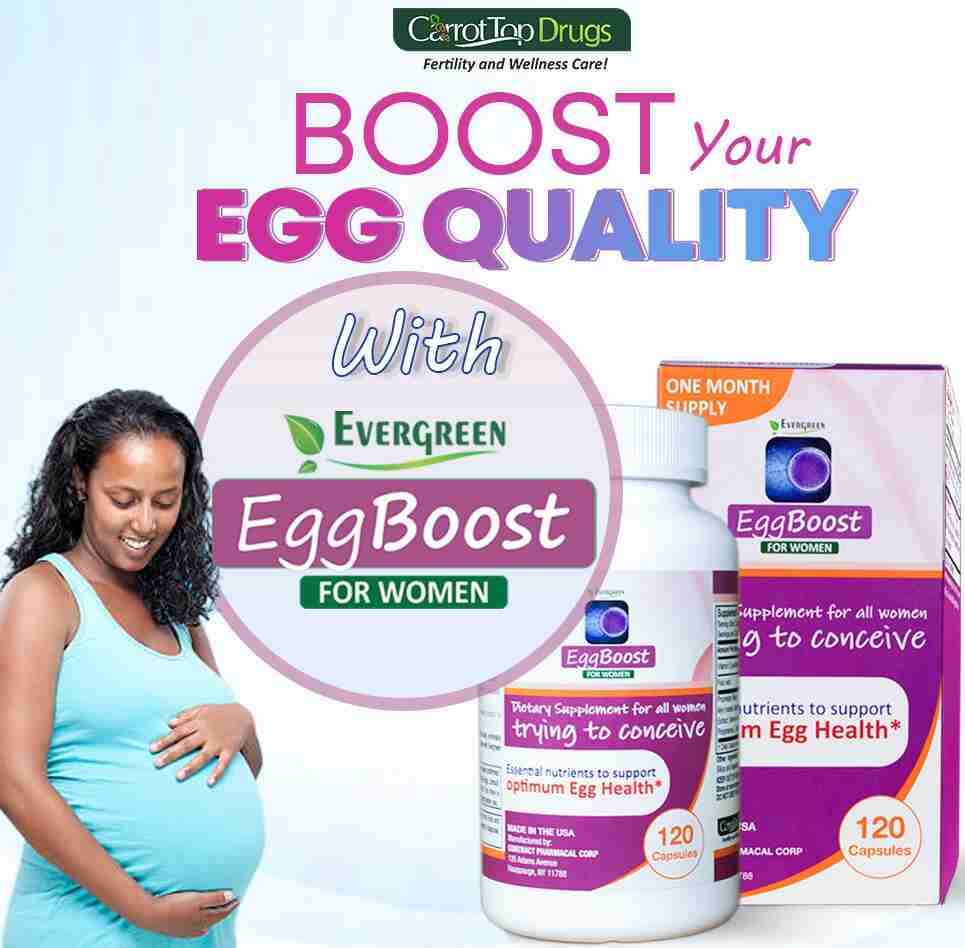
Egg quality supplements like Evergreen Eggboost can support the cellular environment in which eggs mature, particularly for women in their 30s and early 40s.
- How to Know If Your Husband Is the Reason You’re Not Getting Pregnant
Male factor infertility contributes to over 30 per cent of all infertility cases, according to Johns Hopkins Medicine. Low sperm count, poor motility, and abnormal shape all reduce the chance of fertilization.
A semen analysis is a painless and affordable test that your partner can take. It measures sperm count, movement, and shape. This test is the first thing fertility doctors check on the male side.
Habits like heavy alcohol use, smoking, wearing tight underwear, and exposure to heat reduce sperm quality. Chronic conditions like diabetes and varicocele also affect male fertility significantly.
If your husband has not had a semen analysis yet, that is the next step. Infertility is a couple’s issue, and both partners need evaluation.
- Wrong Timing Is One of the Most Overlooked Reasons for Not Conceiving
You can only get pregnant during your fertile window. That window lasts about five to six days per cycle, ending on ovulation day.
Research cited by Healthline shows that even a healthy 30-year-old woman has only about a 20 per cent chance of conceiving each cycle.
Many couples believe they are trying at the right time, but they miss the window by one or two days. Use an ovulation predictor kit to identify your LH surge. Have sex in the 24 to 36 hours that follow for the best results.
If you have regular periods but still cannot conceive, poor timing could be the reason. Do not assume you know when you ovulate without tracking it carefully.
- Can Stress Stop You from Getting Pregnant?
Chronic stress does affect fertility, but a single stressful week will not prevent pregnancy. The problem lies in long-term, ongoing stress that elevates cortisol over time.
According to Evvy Health, elevated cortisol disrupts the hormonal signals that trigger ovulation. High stress can lengthen the time to pregnancy and worsen underlying fertility issues.
One study found that 52 percent of women who joined a stress-reduction program conceived, compared to only 20 percent in the control group. That is a significant difference.
Mind-body practices like yoga, prayer, meditation, and adequate sleep all help regulate the stress response. Do not underestimate the link between your mental state and your hormonal balance.
- Lifestyle Factors That Reduce Your Chances of Getting Pregnant
Your daily habits matter more than most people realize. The following lifestyle factors directly affect your fertility.
- Smoking reduces the number of eggs that mature properly and speeds up ovarian aging.
- Excess alcohol disrupts hormonal balance and affects the menstrual cycle.
- Obesity raises the risk of ovulation disorders. Being underweight also suppresses ovulation.
- Extreme exercise with more than five hours of intense training per week decreases ovulation.
- Exposure to pesticides, plastics, and heavy metals can interfere with reproductive hormones.
The Mayo Clinic confirms that maintaining a healthy weight and quitting smoking are among the most impactful steps a woman can take to improve her fertility.
- Unexplained Infertility: When Tests Show Nothing Wrong
Sometimes all tests come back normal and doctors still cannot identify a cause. This is called unexplained or idiopathic infertility.
According to UnityPoint Health, underlying causes like poor egg quality, autoimmune conditions, or decreased ovarian reserve may exist but go undetected in standard testing.
This is not a dead end. Many couples with unexplained infertility conceive with nutritional support, lifestyle changes, and fertility-specific supplementation.
Evergreen Formula for Women was developed specifically for the dietary management of idiopathic infertility. It provides a complete micronutrient foundation for women whose fertility challenges have no clear diagnosis.
Reasons Why You Are Not Getting Pregnant in Nigeria
In Nigeria, infertility causes are largely infectious in origin. Hektoen International notes that female factors account for nearly 43 per cent of infertility cases in Nigerian studies.
Untreated STIs, post-abortion infections, and pelvic inflammatory disease are major drivers. Delayed treatment of these conditions leads to fallopian tube damage that prevents natural conception.
Social and cultural pressures also delay diagnosis. Many women first seek spiritual help before pursuing medical evaluation. This delay can allow treatable conditions to progress.
Whether the cause is medical or multifactorial, early evaluation and nutritional support give you the best chance of conceiving. Do not wait for two years before seeing a doctor if something feels wrong.
How to Boost Fertility Naturally with Targeted Nutritional Support
Proper nutrition is one of the most evidence-backed strategies for improving fertility outcomes. Two supplements stand out for women actively trying to conceive.
Evergreen Eggboost
Evergreen Eggboost promotes oocyte quality and supports healthy ovarian function in women who are actively trying to conceive.
It contains: Myo-Inositol, Folic Acid, Melatonin, Vitamin E, and Grape Seed Extract.
Myo-inositol is among the best-researched fertility nutrients. Research published by the RSC Bay Area shows it supports insulin sensitivity, improves ovulatory function, and enhances egg quality in women with PCOS.
Melatonin reduces oxidative stress in follicular fluid, directly protecting maturing eggs. Grape seed extract further reduces free radical damage in ovarian tissue. Vitamin E supports hormonal balance and uterine lining health.
Eggboost addresses the quality of the egg before fertilization. For women with PCOS, poor ovarian reserve, or age-related decline, this supplement offers targeted support at the cellular level.
Evergreen Formula for Women
Evergreen Formula for Women is a fertility adjuvant for the dietary management of idiopathic infertility in women.
It contains: Vitamins A, C, D3, E, B1, B2, B3, B6, Folic Acid, B12, Pantothenic Acid, Iron, Iodine, Magnesium, Zinc, Selenium, and Copper.
Taking a comprehensive prenatal multivitamin before conception reduces the time to pregnancy and improves ovulatory health. Progyny cites large-scale studies showing that women who start prenatal vitamins at least one month before conception have significantly higher pregnancy rates.
This formula fills micronutrient gaps that directly affect egg development, hormonal signaling, and uterine preparation. Zinc, selenium, and magnesium support the entire reproductive axis from the brain to the ovaries.
Together, Evergreen Eggboost and Evergreen Formula for Women offer a complete preconception support system. Use both under your doctor’s guidance for best results.
When to See a Doctor About Not Getting Pregnant
The Mayo Clinic recommends that women under 35 see a doctor after 12 months of unprotected sex without conception.
Women aged 35 to 40 should seek evaluation after six months. Women over 40 can seek evaluation right away. Do not wait if you have irregular periods, a history of STIs, or painful periods.
Early evaluation does not mean IVF. It means understanding what is happening in your body so you can address it effectively. Most causes of infertility respond well to treatment when caught early.
Frequently Asked Questions
What are the most common reasons for not getting pregnant?
The most common reasons include ovulation disorders, blocked fallopian tubes, PCOS, endometriosis, uterine fibroids, poor sperm quality, and poor timing of intercourse. Age and lifestyle factors like smoking and obesity also play a major role.
How long should you try before seeing a doctor about not getting pregnant?
Women under 35 should try for 12 months before seeking help. Also, women aged 35 to 40 should see a doctor after six months. Women over 40 should seek evaluation without delay. See a doctor sooner if you have irregular periods, pelvic pain, or a history of infections.
Can stress stop you from getting pregnant?
Chronic, long-term stress can disrupt ovulation by elevating cortisol levels. A single stressful event will not prevent pregnancy. However, ongoing stress makes conception harder and longer. Reducing stress through sleep, exercise, and mindfulness improves both hormonal balance and fertility outcomes.
What medical conditions can prevent pregnancy in Nigeria?
In Nigeria, the most common medical causes include pelvic inflammatory disease from untreated STIs, blocked fallopian tubes, PCOS, uterine fibroids, hormonal imbalances, and thyroid disorders. Post-abortion infections are also a significant contributor to female infertility in Nigeria.
How do I know if my husband is the reason we are not getting pregnant?
The only way to know is through a semen analysis. This test measures sperm count, motility (movement), and morphology (shape). Male factors cause over 30 percent of infertility cases. Both partners should be evaluated at the same time, not sequentially.
Can fibroids stop you from getting pregnant?
Yes, certain types of fibroids can stop you from getting pregnant. Submucosal fibroids that grow inside the uterine cavity are the most likely to interfere with implantation. Not all fibroids affect fertility. The location and size of the fibroid determine its impact. An ultrasound scan provides the clearest answer.
Why am I not getting pregnant even though I have regular periods?
Regular periods do not guarantee ovulation. Some women have cycles that appear normal but do not release an egg. Other causes include blocked tubes, poor egg quality, endometriosis, or a sperm issue. Tracking ovulation and getting a full fertility workup can identify the real cause.
Why is it hard to get pregnant with PCOS?
PCOS disrupts ovulation because excess androgens prevent eggs from maturing and being released properly. This makes timing intercourse difficult and reduces monthly conception chances. Weight management, myo-inositol supplementation, and ovulation-inducing medications improve outcomes significantly for women with PCOS.
What are signs of infertility in women?
Key signs include irregular or absent periods, very painful periods, pain during sex, recurrent miscarriages, excessive hair growth or acne linked to hormonal imbalance, and a history of pelvic infections. However, many women with infertility have no symptoms at all, which makes regular check-ups important.
What are spiritual and medical reasons why you are not getting pregnant?
Medically, infertility stems from ovulation problems, tube blockages, fibroids, PCOS, poor sperm quality, age, and unexplained factors. Spiritually, many Nigerian couples seek divine intervention alongside medical care, which is a personal decision. The key message is that spiritual support and medical treatment are not mutually exclusive. Seek medical evaluation alongside whatever spiritual practices you follow.
Final Thoughts
The reasons why you’re not getting pregnant are almost always identifiable and often treatable. Do not normalize the wait or assume it is spiritual without first ruling out the medical causes.
Start with a visit to a doctor. Get both partners evaluated. Address your lifestyle. And give your body the nutritional support it needs through evidence-based supplements like Evergreen Eggboost and Evergreen Formula for Women.
Your journey to conception is not over. The right information, the right medical support, and the right nutrients can make a real difference. Take action today.