Introduction
What are Evergreen Formula for Women ingredients? You already know the product name. Now you want the harder information. Does the science support each ingredient? And is the overall formula worth your time and money?
These are the right questions to ask before putting anything into your body for fertility support. Supplement labels can be dense. Marketing language can obscure whether real evidence exists for each component.
This article does the work for you. It breaks down every ingredient in Evergreen Formula for Women, explaining what each one is, why it was included, what the research says, and what you need to watch for. Each factual claim links directly to a peer-reviewed or authoritative source.
By the end, you will have a clear, evidence-informed view of what is in this formula and whether it aligns with your reproductive health goals.
What Is Evergreen Formula for Women?
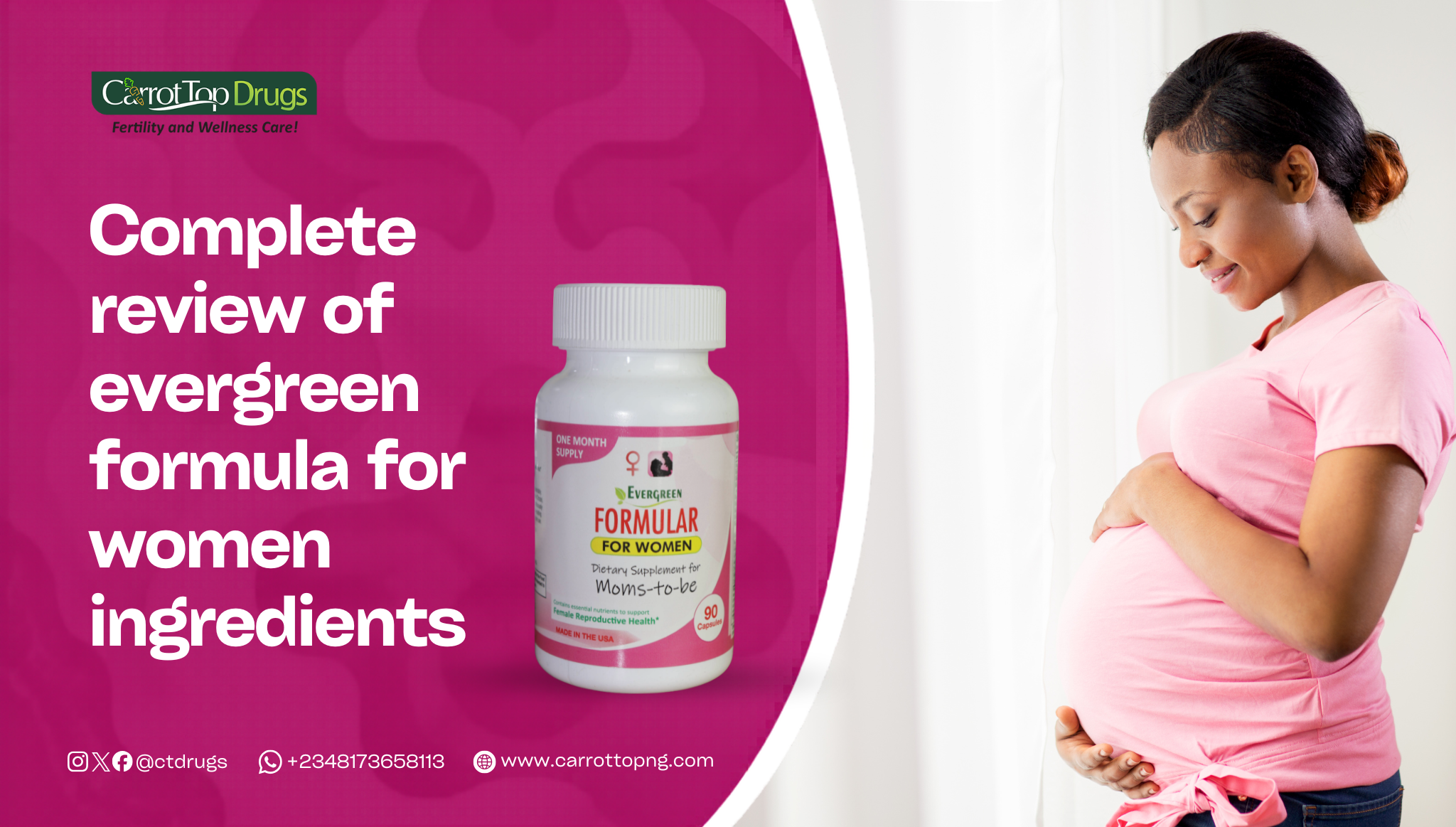
Evergreen Formula for Women is a comprehensive herbal and nutritional fertility supplement produced by Carrot Top Drugs Limited. It combines plant-based extracts with vitamins and minerals targeted at female reproductive health.
The formula comes in capsule form. Each bottle holds 90 capsules, a full one-month supply. The recommended dose is one capsule three times daily with meals.
Why an Ingredient Review Matters
The fertility supplement market is large and largely unregulated. Many products carry impressive ingredient lists without the evidence to back them up. An honest review helps you separate well-supported nutrients from those with a limited scientific basis. It also helps you identify potential interactions and ask better questions when speaking with your doctor.
Understanding Fertility-Supportive Nutrients
Vitamins
Vitamins regulate virtually every aspect of reproductive function. They support hormonal synthesis, protect egg cells from oxidative damage, facilitate DNA repair during cell division, and sustain the cellular energy systems the reproductive system depends on. Deficiencies in key vitamins link directly to irregular cycles, anovulation, and poor egg quality.
Minerals
Minerals serve as structural and enzymatic co-factors for hundreds of biological reactions. Zinc is essential for oocyte maturation. Iron supports ovulation. Iodine drives thyroid hormones that initiate the ovulatory cascade. Selenium and magnesium protect reproductive cells from oxidative damage and hormonal disruption respectively.
Antioxidants
Oxidative stress is one of the most damaging processes in the reproductive system. It directly damages egg cell membranes and DNA. Antioxidant compounds including vitamins C and E, selenium, and plant polyphenols neutralize these free radicals before they reach vulnerable egg cells.
Plant-Based Compounds
Several botanicals have a long history of traditional use for female reproductive health. Modern research has begun to confirm some of these uses, particularly for herbs like Vitex (chasteberry). These compounds often work on hormonal pathways, circulation, or the stress response systems that influence fertility indirectly.
Complete Ingredient Breakdown of Evergreen Formula for Women
The following section reviews every one of Evergreen Formula for Women ingredients using a consistent structure across all entries. This lets you compare ingredients and understand the full scope of the formula.
Vitex (Chasteberry)
What it is: Vitex agnus-castus is the dried berry of the chaste tree, native to the Mediterranean and widely used in European herbal medicine for over two thousand years.
Why it is included: Vitex targets the pituitary gland’s dopaminergic pathways, reducing excess prolactin and supporting the hormonal signals that trigger and regulate ovulation.
How it may support fertility: It normalizes the ratio of progesterone to estrogen, supports luteal phase length, and helps restore regular ovulatory cycles in women with hormonal disruption.
Evidence: A 2024 retrospective cohort study in PMC tracked 1,700 women with menstrual cycle disorders on Vitex extract. Irregular cycles dropped from 9.1% to near zero over three months. Fifteen women conceived during the study. A 2019 PMC trial combining Vitex with folate in 189 women showed improved cycle regularity versus placebo.
Potential benefits: Supports regular ovulation, normalizes progesterone, reduces luteal phase defect, may help women with PCOS-related hormonal disruption.
Considerations: Evidence is strongest for cycle regulation and prolactin normalization. Most trials are small. Vitex should not be combined with hormonal contraceptives or dopaminergic medications without guidance. Discontinue before IVF stimulation cycles.
Red Clover (Trifolium pratense)
What it is: Red Clover is a wild leguminous plant rich in isoflavones: biochanin A, formononetin, genistein, and daidzein. These plant compounds have structural similarities to estrogen.
Why it is included: It acts as a selective estrogen receptor modulator (SERM). It provides phytoestrogen support for women with estrogen deficiency without the risks of exogenous hormone therapy.
How it may support fertility: Red Clover isoflavones bind estrogen receptors and modulate their activity. Its antioxidant properties offer additional cellular protection for reproductive tissues. It also supplies calcium and magnesium, both important for reproductive function.
Evidence: A systematic review in PMC confirmed significant effects on estrogen receptor modulation. A meta-analysis in PMC found Red Clover had a significant positive effect on estrogen status. Animal studies in PMC showed raised estradiol and progesterone levels alongside antioxidant activity.
Potential benefits: Supports estrogen balance, antioxidant protection, hormonal modulation, provides reproductive minerals calcium and magnesium.
Considerations: Women with hormone-sensitive conditions such as a history of estrogen-receptor-positive breast cancer should consult a doctor before using phytoestrogen-containing supplements. Direct fertility evidence in women of reproductive age is more limited than menopause research.
Siberian Ginseng (Eleutherococcus senticosus)
What it is: Siberian Ginseng is an adaptogenic herb from Northern Asia. Its active compounds, eleutherosides, support the body’s resilience under physical and psychological stress.
Why it is included: Fertility is deeply sensitive to stress. Elevated cortisol disrupts the hormonal axis controlling ovulation. As an adaptogen, Siberian Ginseng helps the body manage stress more efficiently, protecting hormonal balance indirectly.
How it may support fertility: In vitro studies at Memorial Sloan Kettering confirm eleuthero contains chemicals that bind to estrogen and progesterone receptors. Traditional herbalism and early Russian research note uterine toning and menstrual regulatory effects.
Evidence: Siberian Ginseng has over 2,000 years of traditional use and extensive Russian adaptogen research. Its receptor-binding activity is confirmed in vitro. Human fertility-specific clinical trials are limited; the evidence base is stronger for stress adaptation and general vitality than direct fertility outcomes.
Potential benefits: Stress adaptation, adrenal support, uterine toning, general vitality, indirect hormonal support through cortisol modulation.
Considerations: Do not confuse with Panax ginseng. Ensure product authenticity as past adulteration cases have been reported. Consult your doctor if you use immunosuppressants or anticoagulants.
Ginkgo Biloba
What it is: Ginkgo biloba extract comes from the maidenhair tree, one of the oldest living tree species. It is researched for its vasoregulatory and antioxidant properties.
Why it is included: Poor circulation to the uterus and ovaries reduces oxygen and nutrient delivery to reproductive tissues. Ginkgo biloba improves peripheral blood flow, potentially supporting endometrial receptivity.
How it may support fertility: Ginkgo acts on nitric oxide pathways to promote vasodilation and improve blood flow to peripheral reproductive organs. Its antioxidant flavonoids and terpenoids protect reproductive cells from oxidative damage.
Evidence: A Fertility and Sterility prospective study03709-3/fulltext) of 45 women with reduced uterine blood flow found Ginkgo extract improved pulsatility index in uterine and ovarian arteries. A 2021 ScienceDirect review confirmed biologically active molecules in Ginkgo affect circulation and oxidative processes in reproductive tissue.
Potential benefits: Improved uterine and ovarian blood flow, antioxidant protection for reproductive tissue, potential endometrial support.
Considerations: The fertility research picture is mixed. High-dose Ginkgo raised concerns in animal models. Do not use in high doses or during early pregnancy without medical guidance. Women on blood-thinning medications should consult their doctor before use.
PABA (Para-Aminobenzoic Acid)
What it is: PABA is a naturally occurring compound structurally related to folic acid. It is classified as a B-complex-associated nutrient found in grains, eggs, meat, and some vegetables.
Why it is included: PABA’s inclusion reflects its historical use as a fertility-supportive nutrient and its role in estrogen metabolism and cellular protein metabolism relevant to reproductive health.
How it may support fertility: PABA may enhance the ability of estrogen to facilitate conception by influencing hormone metabolism pathways. It is a cofactor in folate synthesis in bacteria and plays roles in cellular oxidation and protein metabolism.
Evidence: A 1942 clinical report by Sieve found 12 of 16 previously infertile women conceived after PABA supplementation over several months. This remains the primary clinical fertility reference. Current sources including WebMD acknowledge the historical claim while noting the absence of modern replication.
Potential benefits: Historical support for fertility in estrogen-related infertility, B-complex synergy, folate metabolism co-factor activity.
Considerations: Modern clinical fertility evidence is limited. Do not combine with sulfonamide antibiotics as PABA may reduce their effectiveness. High-dose PABA has been linked to rare cases of liver toxicity. At nutritional doses within this formula, safety is generally acceptable.
Folic Acid (Vitamin B9)
What it is: Folic acid is the synthetic form of folate, a water-soluble B vitamin essential for DNA synthesis, cell division, and methylation throughout the body.
Why it is included: Folic acid supports egg maturation, DNA integrity in developing oocytes, and early embryo formation. It is universally recommended for women trying to conceive.
How it may support fertility: Higher follicular folate levels are directly linked to better oocyte maturity. Folic acid also lowers homocysteine in follicular fluid, creating a more favorable environment for egg development and fertilization.
Evidence: A prospective cohort study in PMC found greater folate intake was associated with reduced sporadic anovulation. A 2022 PMC study linked higher folate levels to better ovarian reserve and oocyte quality. Folic acid also reduces neural tube defects by more than 70% in early pregnancy.
Potential benefits: Supports regular ovulation, improves egg quality and DNA integrity, reduces neural tube defect risk, supports embryo development.
Considerations: Avoid mega-dosing folic acid beyond the recommended dose. Women with MTHFR gene variants may benefit more from methylfolate. If you take anti-epileptic medications, discuss folic acid dose with your doctor before starting.
Vitamin A
What it is: Vitamin A is a fat-soluble vitamin involved in vision, immune function, and cellular differentiation. In reproduction, it plays a direct role in oocyte development.
Why it is included: Vitamin A supports the integrity of the cumulus-oocyte complex, the cellular layer that surrounds and nourishes the developing egg throughout maturation.
How it may support fertility: Vitamin A regulates gene expression in ovarian cells and reduces oxidative stress in ovarian tissue. It acts synergistically with Vitamins C and E to protect oocytes from free radical damage.
Evidence: A 2024 review in PMC confirmed that Vitamin A supports cumulus-oocyte complex integrity and reduces oxidative stress in ovarian tissue. It is part of the essential antioxidant layer alongside Vitamins C and E in fertility contexts.
Potential benefits: Oocyte protection, endometrial cell health, immune support, cumulus-oocyte complex integrity.
Considerations: This is the most critical caution in the formula. Excess Vitamin A is teratogenic. Do not supplement additional Vitamin A beyond this formula. Once pregnancy is confirmed, inform your doctor and review all supplements for total Vitamin A content immediately.
Vitamin C
What it is: Vitamin C (ascorbic acid) is a water-soluble antioxidant vitamin essential for collagen synthesis, immune function, and neutralizing oxidative stress.
Why it is included: Oxidative stress is a leading cause of egg quality decline. Vitamin C neutralizes reactive oxygen species before they damage egg cell membranes and DNA. It also supports progesterone production.
How it may support fertility: Vitamin C directly scavenges free radicals in follicular fluid. It regenerates Vitamin E after it neutralizes a free radical, making the antioxidant system more efficient. It also supports collagen in endometrial tissue.
Evidence: A 2023 PMC review on antioxidants and female reproduction confirmed Vitamin C plays a role in oocyte metabolism and endometrial maturation. Research confirms combined Vitamin C and E supplementation reduces reproductive oxidative damage more effectively than either nutrient alone.
Potential benefits: Egg cell protection, antioxidant defense, progesterone synthesis support, endometrial health, immune support.
Considerations: Water-soluble and generally safe at standard supplemental doses. Very high doses may occasionally cause digestive discomfort. No major contraindications at nutritional doses in this formula.
Vitamin D3 (Cholecalciferol)
What it is: Vitamin D3 is the active form of vitamin D, synthesized in skin from sunlight. It functions as a steroid hormone, influencing hundreds of biological processes.
Why it is included: Vitamin D receptors exist in ovarian tissue, the uterus, and the pituitary gland, making it directly relevant to hormonal regulation, follicular development, and endometrial function.
How it may support fertility: Vitamin D3 supports follicle-stimulating hormone signaling, anti-Mullerian hormone levels, and endometrial receptivity. It also has anti-inflammatory properties that protect the reproductive environment.
Evidence: A 2024 meta-analysis in PMC found women with adequate Vitamin D had significantly higher live birth rates and clinical pregnancy rates after assisted reproduction. A 2024 IVF study found Vitamin D supplementation improved embryo quality independently of baseline levels.
Potential benefits: Ovarian reserve support, improved IVF and natural conception outcomes, hormonal balance, anti-inflammatory effects on reproductive tissue.
Considerations: Fat-soluble and accumulates in tissue. Do not add extra high-dose Vitamin D alongside this formula without blood testing. Women in sun-deficient environments or with darker skin tones are often deficient and may need additional assessment.
Vitamin E (Tocopherol)
What it is: Vitamin E is a fat-soluble antioxidant found in nuts, seeds, and vegetable oils. It protects cell membranes from lipid peroxidation caused by free radicals.
Why it is included: Egg cells have high fat content in their membranes, making them especially vulnerable to oxidative damage. Vitamin E is the primary membrane-protective antioxidant for oocytes.
How it may support fertility: Vitamin E is embedded in cell membranes, intercepting free radicals at the site of potential damage before they can harm the egg’s structural integrity or DNA.
Evidence: A 2020 PMC study found Vitamin E reduced oxidative stress markers in women with PCOS undergoing ovulation induction. A 2023 PMC review confirms Vitamin E plays a key role in oocyte metabolism and endometrial maturation, acting synergistically with Vitamin C.
Potential benefits: Oocyte membrane protection, oxidative stress reduction, endometrial support, PCOS-related ovulation support.
Considerations: Fat-soluble. Avoid very high supplemental doses beyond this formula while trying to conceive. Do not combine with blood-thinning medications without medical guidance, as Vitamin E has mild antiplatelet effects at high doses.
B Vitamins: B1, B2, B3, B6 and Pantothenic Acid
What it is: This group comprises thiamine (B1), riboflavin (B2), niacin (B3), pyridoxine (B6), and pantothenic acid (B5). Together they form the active B-complex of the formula.
Why it is included: B vitamins are co-factors for enzymatic reactions that produce energy, synthesize hormones, regulate neurotransmitters, and support DNA repair throughout the menstrual cycle.
How it may support fertility: Vitamin B6 directly regulates estrogen and progesterone synthesis enzymes. Pantothenic acid supports adrenal hormone synthesis, relevant to cortisol and stress-related cycle disruption. B2 and B3 support the cellular energy systems the reproductive system depends on.
Evidence: A 2025 umbrella review in PMC confirmed multi-micronutrient formulas containing thiamine, riboflavin, niacin, B6, and pantothenic acid improved ovulation-related outcomes compared to controls. B6 supplementation has independently been linked to improved luteal phase hormone profiles.
Potential benefits: Hormonal synthesis and regulation, cellular energy production, adrenal stress support, nervous system health for cycle control.
Considerations: B vitamins are water-soluble and excess is generally excreted safely. Isolated high-dose B6 over long periods has been linked to peripheral neuropathy; this is not a concern at the nutritional doses in a multivitamin formula.
Iron
What it is: Iron is an essential mineral required for hemoglobin production and oxygen transport. It also acts as a co-factor for hormone synthesis enzymes in reproductive tissue.
Why it is included: Iron deficiency impairs the oxygen-dependent reactions that support ovulation and hormonal synthesis. Women of reproductive age are particularly prone to iron deficiency due to menstrual losses.
How it may support fertility: Iron supports the enzymatic processes that produce LH, FSH, and estrogen in the ovarian follicle. It also supports healthy endometrial blood supply and lining development.
Evidence: A 2024 systematic review in PMC found iron supplementation consistently improved fertility outcomes and linked adequate iron levels to reduced risk of ovulatory infertility. A 2024 PMC narrative review confirmed iron directly regulates ovarian hormones and the menstrual cycle.
Potential benefits: Ovulation support, hormone synthesis co-factor, reduced risk of ovulatory infertility, correction of deficiency-related cycle disruption.
Considerations: Iron excess can be harmful. Do not combine with additional iron supplements unless advised by your doctor. Take with Vitamin C-rich food to improve absorption. Avoid taking iron alongside calcium or dairy within two hours.
Iodine
What it is: Iodine is a trace mineral essential exclusively for the production of thyroid hormones: thyroxine (T4) and triiodothyronine (T3).
Why it is included: Thyroid hormones regulate the entire ovulatory cascade. Even mild iodine deficiency can silently disrupt ovulation without obvious symptoms. Iodine is one of the most common nutrient deficiencies in women of reproductive age.
How it may support fertility: Adequate iodine supports normal thyroid hormone production, which in turn maintains the hormonal signals that trigger regular ovulation, regulate cycle length, and sustain early pregnancy.
Evidence: A 2021 Nutrients review identified iodine as one of the most common deficiencies in women of reproductive age. Thyroid dysfunction driven by iodine deficiency is a well-established cause of ovulatory disruption and cycle irregularity in the clinical literature.
Potential benefits: Thyroid hormone production, indirect ovulatory regulation, cycle length normalization, early pregnancy support.
Considerations: Excess iodine can paradoxically impair thyroid function. Do not add extra iodine supplementation beyond this formula. Women with existing thyroid conditions should consult their doctor before starting.
Magnesium
What it is: Magnesium is the fourth most abundant mineral in the body and a co-factor for over 300 enzymatic reactions. It plays a direct role in stress hormone regulation.
Why it is included: High cortisol from chronic stress depletes magnesium. Low magnesium amplifies the cortisol response, worsening hormonal disruption. Supplementing magnesium helps break this cycle.
How it may support fertility: Magnesium modulates cortisol secretion, supports insulin sensitivity, and participates directly in ovarian steroidogenesis. It also regulates smooth muscle tone in the uterus.
Evidence: A 2024 PMC review confirmed magnesium plays a role in regulating ovarian steroidogenesis and cycle regularity. It also improves insulin sensitivity, directly relevant for women with PCOS whose cycles are disrupted by insulin resistance.
Potential benefits: Cortisol modulation, stress resilience, menstrual cycle regularity, insulin sensitivity support, ovarian hormone regulation.
Considerations: Generally well-tolerated. High doses may cause loose stools. Take with food to reduce digestive effects. Avoid additional magnesium supplements unless deficiency is confirmed by testing.
Zinc
What it is: Zinc is an essential trace mineral and co-factor for over 300 enzymes. It is critical for cellular growth, immune function, and reproductive biology.
Why it is included: Zinc is essential for oocyte maturation. It regulates the LH surge that triggers ovulation and supports steroidogenesis in the ovarian follicle.
How it may support fertility: Zinc controls the maturation-promoting factor in developing eggs. It prevents premature egg activation and ensures the oocyte reaches the correct developmental stage before ovulation.
Evidence: A 2019 PMC study found lower zinc concentrations were associated with a median 0.6-month longer time to pregnancy in reproductive-age women. A 2024 PMC review confirmed zinc is necessary for forming a fertilization-ready egg and controlling the ovulation cycle.
Potential benefits: Oocyte maturation, LH surge regulation, steroidogenesis support, fertilization readiness, cycle regularity.
Considerations: Safe at nutritional doses. Chronic high-dose zinc can interfere with copper absorption. This formula includes copper specifically to balance zinc intake. Do not add separate high-dose zinc supplements alongside this formula.
Selenium
What it is: Selenium is a trace mineral incorporated into selenoproteins that act as powerful antioxidant enzymes, particularly glutathione peroxidase.
Why it is included: Selenium protects egg cells from oxidative damage and supports the follicular environment in which eggs mature. It is positively linked to ovarian reserve and oocyte quality.
How it may support fertility: Selenium activates glutathione peroxidase inside follicular fluid, neutralizing hydrogen peroxide and lipid peroxides that would otherwise damage the developing oocyte.
Evidence: A systematic review in PMC found selenium intake below recommended levels was associated with a 2.66-fold increased risk of anovulation. A 2024 systematic review confirmed selenium is essential for reproductive health and positively associated with pregnancy and live birth outcomes.
Potential benefits: Antioxidant enzyme activation, oocyte quality protection, anovulation risk reduction, ovarian reserve support.
Considerations: Selenium has a narrow therapeutic window. Excess selenium (selenosis) is toxic. Do not add extra selenium supplementation alongside this formula. Signs of excess include brittle nails, hair loss, and neurological symptoms.
Copper
What it is: Copper is a trace mineral that functions as a cofactor for several antioxidant enzymes, including superoxide dismutase (SOD). It is also essential for iron metabolism.
Why it is included: Copper is included partly to balance zinc intake. The zinc-to-copper ratio matters for enzymatic function and immune activity. It also supports collagen formation in endometrial tissue.
How it may support fertility: Copper supports superoxide dismutase activity, a key antioxidant enzyme in ovarian tissue. It also facilitates iron absorption and transport, supporting the iron-dependent processes in the formula.
Evidence: A 2024 systematic review confirmed copper is essential for reproductive health and embryo development. Copper supports SOD activity in ovarian tissue and is required for proper iron metabolism throughout the reproductive cycle.
Potential benefits: Antioxidant enzyme support, zinc balance, iron metabolism facilitation, endometrial tissue integrity.
Considerations: Copper excess is harmful and has been associated with PCOS in some studies. The dose in this formula is designed to balance zinc rather than supplement copper independently. Do not add extra copper without testing confirming deficiency.
How the Evergreen Formula for Women Ingredients Work Together
- Supporting Egg Quality
Vitamins C, E, and A work as a layered antioxidant system. Vitamin E protects egg cell membranes. Vitamin C regenerates Vitamin E after it neutralizes a free radical. While, Vitamin A supports the cumulus-oocyte complex surrounding the developing egg. Selenium activates glutathione peroxidase inside the follicular fluid. Folic acid supports DNA integrity during maturation. Zinc ensures the oocyte is formation-ready for fertilization.
- Supporting Ovulation
Vitex targets the pituitary-hormonal axis to normalize the signals that trigger ovulation. Iodine underpins thyroid hormone production, which drives the hormonal cascade initiating the cycle. Folic acid reduces anovulation risk. Iron supplies the enzymatic machinery for hormone synthesis. B vitamins support the cellular energy pathways that keep the hypothalamic-pituitary-ovarian axis functioning.
- Supporting Hormonal Balance
Red Clover isoflavones modulate estrogen receptors for women with estrogen deficiency. Vitex normalizes the progesterone-to-estrogen ratio. Vitamin B6 is directly involved in estrogen and progesterone enzyme reactions. Magnesium modulates the cortisol response that disrupts hormonal balance under stress. Siberian Ginseng provides adaptogenic support that reduces the adrenal stress impact on reproductive hormones.
- Supporting Reproductive Wellness
Ginkgo Biloba improves blood flow to the uterus and ovaries. Siberian Ginseng nourishes overall body vitality. The full mineral panel , zinc, iron, iodine, magnesium, selenium, and copper , fills the nutritional gaps that silently impair reproductive function in many women. Together, these components create a multi-layered support system rather than targeting a single mechanism.
The Science Behind Evergreen Formula for Women’s Ingredients
Clinical Research on Fertility Nutrients
A 2025 umbrella review in PMC synthesized four meta-analyses on nutrient supplements and female infertility. Multiple micronutrients and antioxidants increased live birth rates compared to placebo. The combination of micronutrients including thiamine, riboflavin, niacin, B6, folate, vitamins C, A, D, iron, zinc, selenium, iodine, magnesium, copper, and pantothenic acid mirrors the core nutritional profile in Evergreen Formula for Women.
Research on Antioxidants and Egg Quality
A 2025 ScienceDirect review confirmed that oxidative stress is a critical factor in oocyte quality and female fertility. Antioxidant-based interventions offer meaningful avenues for improving egg viability. The combination of Vitamins C, E, and selenium within a single formula addresses multiple antioxidant pathways simultaneously, which research suggests is more effective than any single antioxidant alone.
What Current Studies Suggest
The evidence supports the principle that multi-micronutrient supplementation in women of reproductive age can support fertility outcomes. The specific combination in Evergreen Formula for Women covers the core nutritional gaps most commonly identified in fertility research. No single supplement guarantees pregnancy. Results depend on individual health status, age, and the underlying cause of fertility challenges.
⚠ Note: Fertility supplements support the biological environment for conception. They are not substitutes for medical diagnosis or treatment of underlying conditions such as blocked tubes, severe hormonal disorders, or male factor infertility.
Strengths of Evergreen Formula for Women Ingredients
Evidence-Based Core Nutrients
Folic acid, Vitamin D3, Vitamins C and E, iron, zinc, selenium, and iodine are among the most research-supported nutrients in fertility supplementation. Each has consistent evidence from systematic reviews, meta-analyses, and clinical trials. Their inclusion in Evergreen Formula for Women ingredients reflects current nutritional science.
Comprehensive Nutritional Coverage
The formula covers all major fertility-relevant nutrient categories: fat-soluble vitamins, water-soluble B vitamins, antioxidants, and essential minerals. Few standalone fertility products address this breadth in a single formula. This comprehensiveness is a genuine strength for women with multiple nutritional gaps.
Botanical-Nutritional Synergy
The inclusion of Vitex alongside the vitamin and mineral profile creates a two-pronged approach. Vitex targets hormonal regulation directly. The vitamin and mineral base supports the cellular and biochemical environment in which hormones operate.
Multi-Mechanism Approach
Rather than targeting a single fertility factor, the formula addresses egg quality, ovulation, hormonal balance, circulation, and nutritional deficiency correction simultaneously. This system-wide approach aligns with how modern reproductive medicine understands infertility as a multi-factorial condition.
Potential Limitations of the Formula
Not a Guaranteed Fertility Treatment
No supplement is. Fertility depends on many interacting factors including tubal health, uterine structure, sperm quality, immune function, and age-related egg reserve. This formula supports the nutritional and hormonal environment. It cannot override structural or severe medical causes of infertility.
Some Ingredients Have Limited Modern Evidence
PABA, Siberian Ginseng, and Ginkgo Biloba each carry caveats. PABA’s fertility evidence rests primarily on a single 1942 study. Siberian Ginseng lacks modern fertility-specific trials. Ginkgo biloba has a mixed research profile for reproductive outcomes. Their inclusion reflects traditional use and plausible mechanisms, but users should hold expectations proportionate to the evidence.
Absence of CoQ10 and Myo-Inositol
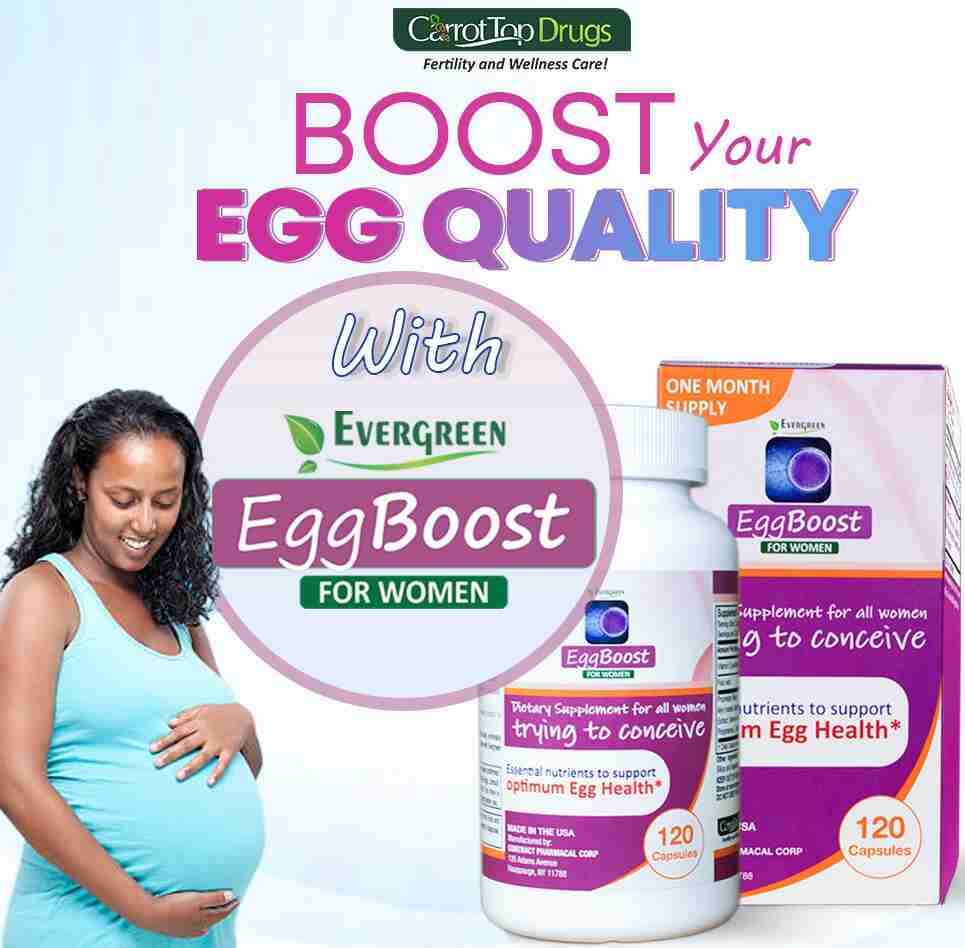
CoQ10 has strong mitochondrial energy evidence for egg quality, especially in women over 35. Myo-inositol has robust evidence for insulin sensitivity and ovulation in PCOS. Neither appears in Evergreen Formula for Women. Women with PCOS may wish to discuss adding Evergreen Eggboost, which contains myo-inositol, alongside this formula.
→ Read more: Evergreen Eggboost for PCOS and Egg Quality.
Medical Evaluation Remains Essential
This formula is most effective as part of a broader fertility strategy. A full fertility workup including hormone panels, ovarian reserve testing, and partner evaluation provides the context needed to understand whether nutritional support is the right primary intervention.
Who May Benefit Most from These Ingredients?
- Women trying to conceive naturally who want broad nutritional support across the full range of fertility mechanisms.
- Women with confirmed nutritional deficiencies in folate, Vitamin D, iron, iodine, or selenium, where correcting those gaps directly improves fertility outcomes.
- Women over 35 who need enhanced antioxidant protection for aging eggs and want to close nutritional gaps that widen with age.
- Women preparing for IVF during the preconception window, when improving egg quality and nutritional status is most impactful.
- Women with irregular cycles or hormonal imbalances who may benefit from Vitex, B6, magnesium, and iodine working together on the cycle.
- Women with PCOS who need hormone-modulating support alongside their medical management plan.
How to Evaluate Fertility Supplement Ingredients Like a Professional
Look for Evidence-Based Ingredients
Every core ingredient should have at least one published human study in a fertility context. Folic acid, Vitamin D, zinc, selenium, and Vitamins C and E all meet this standard. Ingredients relying solely on animal studies or traditional use deserve more cautious expectations.
Check That Doses Are Disclosed
An ingredient list means nothing without the individual doses. Ask your doctor whether the specific amounts in the formula align with therapeutic ranges in published research. Underdosed ingredients produce no biological effect regardless of how well-researched they are.
Assess Product Transparency and Manufacturing Accountability
Reputable manufacturers provide full ingredient disclosure and are traceable to a verifiable company. Carrot Top Drugs Limited is a registered Nigerian pharmaceutical company. This level of accountability is a basic but important quality marker.
Consult Your Doctor Before Starting
This applies to every supplement. Your doctor can check for interactions with existing medications, identify nutrients where you are actually deficient, and help you set realistic expectations. Supplement use is safest and most effective when integrated into a supervised fertility care plan.
Frequently Asked Questions
What ingredients are in Evergreen Formula for Women?
The formula contains Vitex (chasteberry), Red Clover, Siberian Ginseng, Ginkgo Biloba, PABA, folic acid, Vitamins A, C, D3, E, B1, B2, B3, B6, pantothenic acid, iron, iodine, magnesium, zinc, selenium, and copper. It combines herbal botanicals with a comprehensive vitamin and mineral profile targeting female reproductive health.
Which ingredient in Evergreen Formula for Women supports egg quality?
Several ingredients support egg quality through different mechanisms. Vitamins C and E are the primary antioxidants protecting egg cell membranes. Selenium activates antioxidant enzymes inside follicular fluid. Folic acid supports DNA integrity during egg maturation. Vitamin A protects the cumulus-oocyte complex. Zinc ensures oocyte formation-readiness. Vitamin D3 supports ovarian reserve markers.
Does Evergreen Formula for Women contain CoQ10?
No. CoQ10 is not listed among the ingredients. CoQ10 has strong evidence for mitochondrial energy support in egg cells, especially in women over 35. If this is a priority for your situation, discuss adding CoQ10 separately with your doctor.
Does Evergreen Formula for Women contain Myo-Inositol?
No. Myo-inositol is not listed in the ingredients. Myo-inositol has strong evidence for women with PCOS, improving insulin sensitivity and ovulation rates. Women with PCOS may wish to discuss Evergreen Eggboost, which contains myo-inositol, as a complementary option.
Are the ingredients scientifically supported?
The core vitamin and mineral ingredients , folic acid, Vitamin D3, Vitamins C and E, zinc, selenium, iron, iodine, and magnesium , are among the most well-researched fertility nutrients, backed by systematic reviews and meta-analyses. Vitex has meaningful clinical evidence for cycle regulation. PABA, Siberian Ginseng, and Ginkgo Biloba have more limited or older human evidence. The overall formula aligns with multi-micronutrient approaches shown to improve fertility outcomes in research.
Are the ingredients safe for long-term use?
The formula is generally well-tolerated for sustained use. Fat-soluble vitamins A, D, and E accumulate in tissue and should not be taken in excess beyond the recommended dose. Selenium also has a narrow safe range. Stay at the prescribed three-capsule-per-day dose and do not add separate high-dose supplements in these nutrients. Always inform your doctor.
Which ingredients help with ovulation?
Vitex works directly on the pituitary hormonal axis to support regular ovulation. Folic acid reduces anovulation risk. Iodine supports thyroid hormones that trigger the ovulatory cascade. Iron is a co-factor for hormone synthesis. Vitamin B6 regulates the enzyme reactions that drive hormonal balance throughout the cycle.
Which ingredients help with hormonal balance?
Vitex normalizes pituitary function and the progesterone-to-estrogen ratio. Red Clover modulates estrogen receptor activity. Vitamin B6 supports hormone synthesis enzymes. Magnesium reduces the cortisol response that disrupts hormonal balance. Siberian Ginseng provides adaptogenic support that protects the reproductive hormonal axis from stress.
Can these ingredients help women over 35?
Yes. Women over 35 benefit most from the antioxidant layer: Vitamins C, E, A, and selenium all protect egg quality against oxidative damage that accelerates with age. Vitamin D3 supports ovarian reserve. Zinc and folic acid support egg maturation. Starting at least three to six months before attempting conception maximizes the antioxidant protection window.
Are there any ingredients women should be cautious about?
Vitamin A requires the most attention. It is teratogenic in excess and once pregnancy is confirmed, total Vitamin A intake from all supplements must be reviewed with your doctor. Selenium is effective at nutritional doses but toxic at high supplemental doses. Ginkgo biloba has mixed reproductive evidence and should not be used in high doses during early pregnancy. PABA interferes with sulfonamide antibiotics. Always review the full formula with your doctor before starting.
Final Thoughts
Evergreen Formula for Women ingredients combine a solid nutritional foundation with targeted botanical support for female reproductive health. The core vitamin and mineral profile aligns well with scientific evidence on fertility nutrition. Vitex adds clinically-supported hormonal regulatory action. The antioxidant combination addresses one of the most damaging processes affecting egg quality.
No formula is perfect. PABA, Siberian Ginseng, and Ginkgo Biloba carry caveats worth knowing. The absence of CoQ10 and myo-inositol is a meaningful limitation for some users, particularly those with PCOS or significant age-related egg quality concerns.
Overall, the ingredient profile reflects a thoughtfully constructed, multi-mechanism fertility supplement grounded in nutritional science and botanical tradition. For women navigating fertility challenges with nutritional or hormonal components, it offers broad and meaningful support when used consistently under medical supervision.