Introduction
Imagine a mineral so essential that it affects hormone balance, ovulation, menstrual cycles, and overall fertility health, yet most women don’t get enough of it. That is magnesium — one of the most under-appreciated nutrients for reproductive wellness.
In this article, we dive deep into magnesium for fertility, its role in hormones, cycle support, and how it may influence ovulation. Then, we answer your key questions with concise, evidence-backed facts.
Let’s make this simple. Let’s make it practical. And most of all — let’s make it true.
What Is Magnesium and Why It Matters
Magnesium is a mineral the body needs for over 300 biochemical reactions. It helps regulate:
- Hormone production
- Muscle and nerve function
- Blood sugar control
- Stress responses
It also contributes to enzymes tied to estrogen and progesterone functions in the body.
Magnesium influences how the body uses hormones and manages reproductive processes. But despite its importance, many diets fall short of magnesium needs. This makes it a useful focus when discussing magnesium for fertility.
Magnesium and Hormone Balance
Hormone balance drives every stage of the reproductive cycle. Estrogen, progesterone, FSH, and LH must all rise and fall at the right times for ovulation to occur. Magnesium plays a role in many of these pathways.
For example:
- It helps support stress responses, and stress hormones like cortisol can disrupt ovulation when high.
In other words, magnesium helps keep the hormonal orchestra in tune — and that’s critical for magnesium cycle support and fertility.
Magnesium and Ovulation: The Link
Scientific reviews show magnesium plays a role in ovarian function and cycle regulation:
- By reducing oxidative stress, magnesium protects egg cells and may support follicle quality.
Adequate magnesium is associated with healthier cycles and fewer irregularities.
While research specifically testing magnesium’s direct effect on ovulation is limited, mechanistic evidence strongly suggests it plays a part in the hormonal environment needed for ovulation.
This is important if you’re tracking fertility signs or using ovulation predictor kits. Magnesium may support the ovulation phase of your cycle by stabilising the hormonal signals that trigger egg release.
How Magnesium Compares to Other Fertility Supports
Supplements, irrespective of how good they are, are simply just that — supplements.. Most fertility clinicsemphasize prescription medications like letrozole or clomiphene to induce ovulation. That’s fair, because these drugs have a large clinical trial backing.
Yet, they often under-emphasize minerals. Here’s where magnesium stands out:
Natural Hormone Support
Magnesium supports hormone function at a foundational level, much like nutrients such as vitamin D and zinc.
Cycle Regulation
Magnesium helps with cycle symptoms like cramps and PMS — which many women find disrupt their ovulation timing.
Stress & Fertility
Unlike drugs that act directly on ovaries, magnesium supports the body’s stress responses and insulin balance — both critical in fertility. Stress can delay ovulation, so this broader impact matters.
Fewer Side Effects
At typical doses, magnesium is safe for most women — though always consult a clinician if you are on medication or have medical conditions.
Compared to medication-only approaches, magnesium is more supportive than transformative. Yet, supportive care matters when working toward balanced cycles and ovulation. That’s why leading fertility platforms are now highlighting the role of nutrition alongside medication.
Magnesium for Hormones and Ovulation
Here’s how magnesium plays into reproductive hormones and ovulation:
Estrogen metabolism
Magnesium is involved in estrogen pathways, helping maintain appropriate estrogen levels needed for follicle growth and ovulation. Magnesium supports hormone balance indirectly but importantly. It works mainly by improving how your body uses insulin. This is crucial because high insulin can disrupt ovulation and estrogen patterns. Research shows that for women with PCOS, lower magnesium levels are linked to worse insulin resistance.
Some evidence suggests magnesium may influence testosterone, too. One study of 1,000 women found that lower magnesium correlated with higher testosterone levels. Managing both insulin and testosterone can help create a better hormonal environment. This supports regular cycles and follicle development.
Progesterone influence
Magnesium creates a healthier foundation for hormonal balance, which can support your body’s natural progesterone production. Progesterone is a crucial hormone after ovulation, essential for a healthy uterine lining. Women with PCOS often experience chronic progesterone deficiency due to irregular or absent ovulation. Optimizing your magnesium status may help address some of the underlying factors that make ovulation and progesterone production difficult.
It achieves this mainly by improving how your cells respond to insulin. High insulin is a common PCOS issue that can block regular ovulation, the event that triggers progesterone release. Some research has found that lower magnesium levels in women with PCOS are strongly linked to worse insulin resistance. By enhancing insulin sensitivity, magnesium may help restore more regular ovulatory cycles, allowing for natural progesterone production.
However, it is essential to understand the evidence. A 2025 systematic review found magnesium supplements alone did not significantly change key hormone levels in women with PCOS. This suggests magnesium is a supportive player, not a direct hormonal cure. For targeted progesterone support, always work with a healthcare professional. They can recommend strategies tailored to your specific needs.
Insulin sensitivity
Better insulin balance helps keep reproductive hormones stable — especially in women with PCOS or irregular cycles. Your body’s insulin balance is the hidden conductor of your reproductive hormones. In women with PCOS, insulin resistance (where cells don’t respond well to insulin) is a central feature, present in a majority of cases. High insulin then directly stimulates your ovaries to produce excess androgens, or “male” hormones, which block ovulation. This is how blood sugar problems so effectively disrupt your menstrual cycle and fertility.
Better insulin sensitivity breaks this destructive cycle. When your cells use insulin efficiently, your pancreas doesn’t need to pump out high amounts. Lower insulin levels allow your ovaries to function normally, reducing excessive androgen production. Research shows that improving insulin sensitivity can increase pregnancy rates in women with PCOS, regardless of changes in body weight. Restoring this balance is therefore key to stabilising ovulation and hormone levels.
You can take charge of this insulin-hormone connection through simple lifestyle changes. Combining a nutritious diet and regular exercise helps your body use insulin better. For many, a doctor may also recommend the insulin-sensitizing medication metformin. Supplements like inositol and magnesium, which are found in Evergreen Eggboost and Evegreen Formular for Women may offer additional support for metabolic health. Focusing on insulin health is a powerful, proactive step toward regulating your cycle and improving fertility.
Stress hormones
Magnesium is a natural ally against stress. It helps calm your nervous system by regulating neurotransmitters. This process supports your body’s relaxation response. When stress is high, cortisol levels rise. Chronically elevated cortisol can directly disrupt your reproductive hormones. This imbalance may delay or prevent ovulation.
By helping manage stress, magnesium protects ovulation timing. A calmer nervous system supports regular hormone signaling. This creates a better environment for your menstrual cycle. However, magnesium doesn’t directly lower cortisol on its own. It works best within a holistic stress management plan. Think of it as foundational support for your body’s stress defenses.
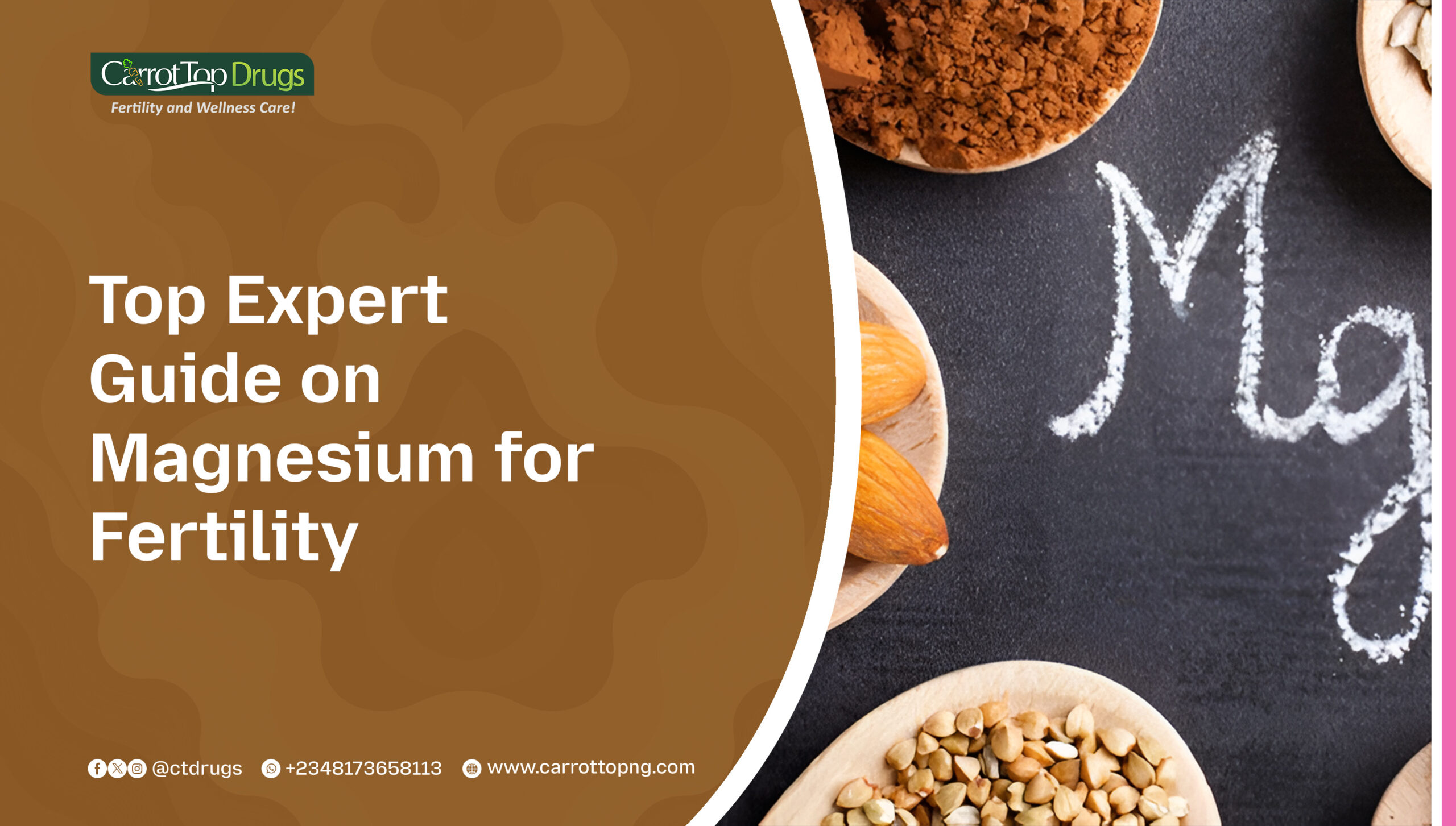
Consider adding magnesium to your routine for hormonal health. Good food sources include spinach, almonds, and black beans. A doctor may suggest a magnesium glycinate supplement. Always consult a healthcare provider before starting new supplements. Pairing magnesium with other stress-reduction techniques offers the greatest benefit for hormone balance.
What the Science Says (Straight Up)
Here’s what recent research clarifies:
📌 Magnesium is essential for hormonal regulation and reproductive health. It helps many enzymes involved in hormone pathways.
📌 Magnesium helps maintain cycle regularity and may influence ovulation pathways. Though direct clinical trials on ovulation outcomes are limited, biological evidence suggests benefit.
📌 Magnesium levels interact with insulin and metabolic health, which indirectly affect fertility, especially in conditions like PCOS.
📌 Studies specifically focused on PCOS show mixed results for magnesium supplementation affecting hormones directly, though more research is needed. Some meta-analyses did not find clear hormonal benefits from magnesium supplements alone.
That doesn’t mean magnesium isn’t useful. It simply means we need more targeted research on magnesium for fertility outcomes.
How to Use Magnesium for Cycle Support & Fertility
1. Food First
Include magnesium-rich foods:
- Leafy greens
- Nuts and seeds
- Whole grains
- Beans and legumes
These help support hormone balance and cycle health.
2. Supplement Wisely
Many women use magnesium glycinate or citrate. Clinicians often recommend 200–400 mg daily depending on dietary intake and symptoms. CarrotTop Drug’s Evergreen Formular for Women contains just the right amount of magnesium required.
3. Timing
Taking magnesium consistently throughout your cycle — rather than only during symptoms — gives the body a better chance to steady hormone signals and support ovulation.
4. Combined Nutrients
Magnesium works well with other nutrients like zinc, vitamin D, and omega-3 fats for reproductive health.
Always check with a healthcare provider before starting supplements — especially if you are pregnant, breastfeeding, or on medication.
FAQs About Magnesium for Fertility
1. What does magnesium do for fertility?
It helps hormone balance and supports the overall reproductive system.
2. Can magnesium improve ovulation?
Evidence suggests it supports the hormonal context needed for ovulation.
3. How much magnesium should I take?
Typical doses range from 200 to 400 mg daily; however, consult with your clinician first.
4. Is magnesium safe?
Generally yes, for most women at recommended doses. Discuss with your doctor if pregnant or medicated.
5. Does magnesium affect menstrual cycles?
Yes, it may help reduce cramps and stabilize cycles.
6. Should I take magnesium every day?
Consistent intake usually works better than sporadic use.
7. Does magnesium help with PMS?
It may ease symptoms like cramps and mood swings.
8. Does magnesium boost egg quality?
Evidence on direct egg quality impacts is limited but promising through oxidative stress reduction.
9. How quickly will I notice effects?
It may take several weeks to months to see cycle support or symptom changes.
10. Can partners take magnesium for fertility?
Yes — magnesium also plays roles in male reproductive health and sperm quality.
Conclusion
Magnesium for fertility isn’t a miracle cure. But it is a foundational support for hormones, cycle balance, and ovulation processes that many women overlook.
Unlike medical interventions that target specific blocks in ovulation, magnesium works broadly and gently across systems. That makes it a powerful partner in any fertility plan.
Evergreen Formular for Women contains the right amount of magnesium for a woman trying to conceive.