Introduction
When it comes to fertility, misinformation abounds. Many couples struggling to conceive often encounter a barrage of fertility myths that can lead to confusion, frustration, and even poor decision-making. Understanding the truth about conception is crucial for anyone trying to start or expand their family.
This article will debunk common fertility myths and provide science-backed facts to help you navigate your fertility journey with confidence. We’ll explore 10 widespread misconceptions and reveal the reality behind each one, ensuring you have accurate information to optimize your chances of getting pregnant.
Relevant Statistics
- Around 1 in 8 couples (12%) experience fertility challenges.
- About 30% of infertility cases are due to female factors, 30% to male factors, and the rest are either combined or unexplained.
- Women over 35 face a decline in fertility, with only a 15-20% chance of conceiving per cycle, compared to 25-30% for women under 35.
10 Fertility Myths vs. The Reality
Myth 1: You Can Get Pregnant Any Time During Your Cycle
- The Myth: Many believe that pregnancy can happen at any point in a woman’s menstrual cycle.
- The Reality: Conception is only possible during a short fertile window, typically 5-6 days per cycle—the 5 days before ovulation and the day of ovulation itself. Sperm can survive for up to 5 days, but the egg only lives for 12-24 hours after release. Missing this window significantly reduces chances of pregnancy.
- What You Should Do: Track ovulation using basal body temperature (BBT), ovulation predictor kits (OPKs), or cervical mucus changes. We recommend the Predicte Digital Ovulation Test. Timing intercourse during the fertile window maximizes conception odds.
Myth 2: Infertility Is Always a Woman’s Problem
- The Myth: Society often blames women for fertility struggles, assuming they’re the sole cause when conception doesn’t happen.
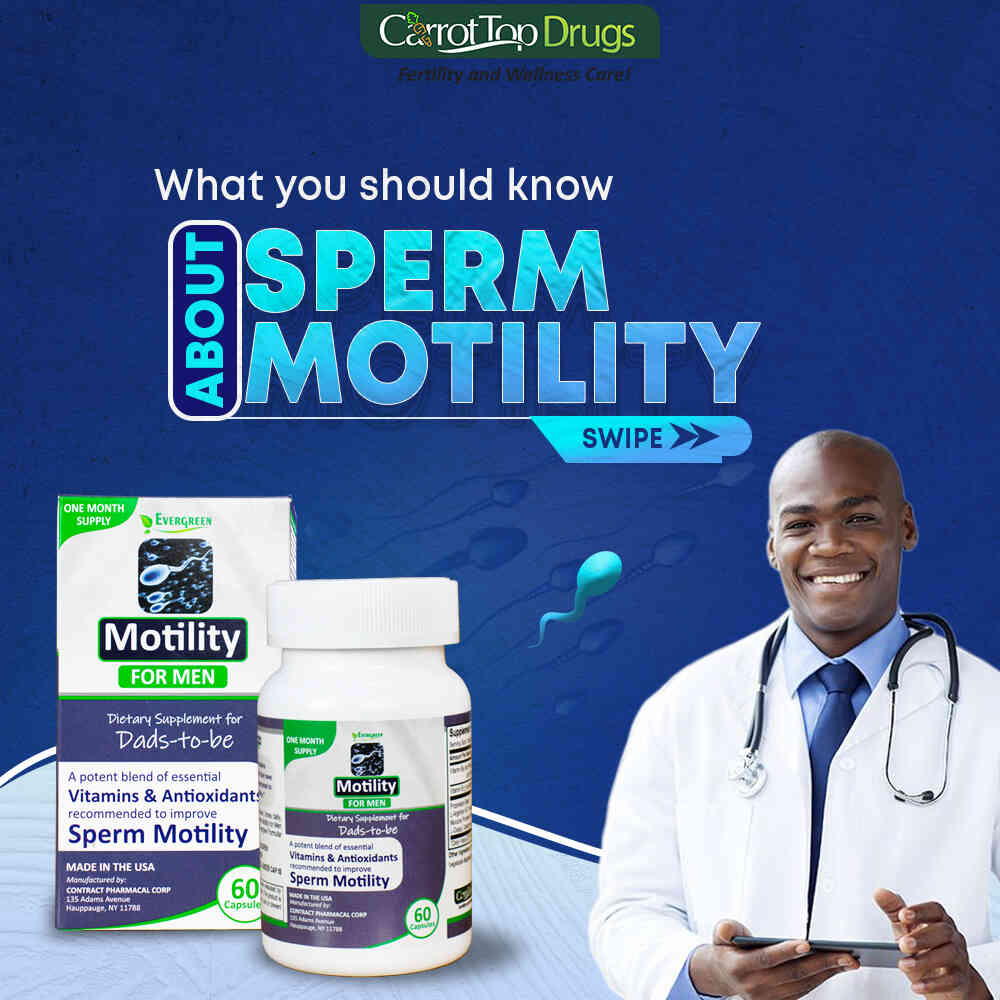
- The Reality: Male infertility contributes to 50% of cases, with issues like low sperm count, poor motility, or abnormal morphology. Factors like smoking, excessive alcohol, obesity, and stress affect sperm health just as much as female fertility.
- What You Should Do: Both partners should undergo fertility testing early. A semen analysis is a simple, non-invasive test that can identify male-factor infertility and guide treatment.
Myth 3: Having Sex Every Day Increases Chances of Pregnancy
- The Myth: Some couples believe that frequent sex (daily or multiple times a day) boosts fertility.
- The Reality: While regular sex is important, overdoing it can lower sperm count and quality. Experts recommend every other day during the fertile window to maintain optimal sperm health.
- What You Should Do: Focus on timed intercourse—having sex every 1-2 days around ovulation—rather than daily sessions. This ensures healthy sperm concentration while covering the fertile period.
Myth 4: Birth Control Pills Cause Long-Term Infertility
- The Myth: Many fear that long-term hormonal contraceptive use leads to infertility.
- The Reality: Birth control pills do not cause permanent infertility. Fertility typically returns within 1-3 months after stopping, though some women may take slightly longer.
- What You Should Do: If pregnancy doesn’t occur within 6-12 months post-pill (depending on age), consult a fertility specialist—but don’t blame the pill.
Myth 5: Lying Down After Sex Helps Sperm Reach the Egg
- The Myth: Some believe staying horizontal after sex helps sperm swim toward the egg.
- The Reality: Sperm reach the cervix within minutes, and gravity has little effect. There’s no scientific proof that lying down improves conception odds.
- What You Should Do: Relax and enjoy intimacy without stressing over post-sex positions—it won’t make or break your chances.
Myth 6: Stress Is the Primary Cause of Infertility
- The Myth: Many assume stress alone prevents pregnancy.
- The Reality: While chronic stress can disrupt hormones, it’s rarely the sole cause of infertility. Underlying medical conditions (PCOS, endometriosis, blocked tubes) are more common culprits.
- What You Should Do: Manage stress with mindfulness, exercise, or therapy—but also seek medical evaluation if struggling to conceive.
Myth 7: Fertility Declines Only After 35
- The Myth: Women think fertility drops suddenly at 35.
- The Reality: Decline starts as early as late 20s, with a sharper drop after 35 and 40. Male fertility also declines with age.
- What You Should Do: If you’re over 30 and trying for 6+ months without success, consult a doctor sooner rather than later.
Myth 8: Certain Sex Positions Boost Fertility
- The Myth: Some believe positions like “missionary” help sperm reach the egg faster.
- The Reality: No scientific evidence supports this. Sperm swim independently of gravity or position.
- What You Should Do: Focus on enjoyable, frequent sex during the fertile window rather than specific positions.
Myth 9: You Can’t Get Pregnant While Breastfeeding
- The Myth: Exclusive breastfeeding prevents ovulation.
- The Reality: While breastfeeding can delay ovulation, it’s not foolproof. Many women ovulate before their first postpartum period.
- What You Should Do: Use contraception if avoiding pregnancy while breastfeeding.
Myth 10: Herbal Supplements Always Improve Fertility
- The Myth: Natural remedies like maca root or vitex guarantee pregnancy.
- The Reality: Some herbs may help, but others can interfere with hormones. Always consult a doctor before use.
- What You Should Do: Stick to evidence-based treatments like folic acid, CoQ10, or prescribed fertility meds.
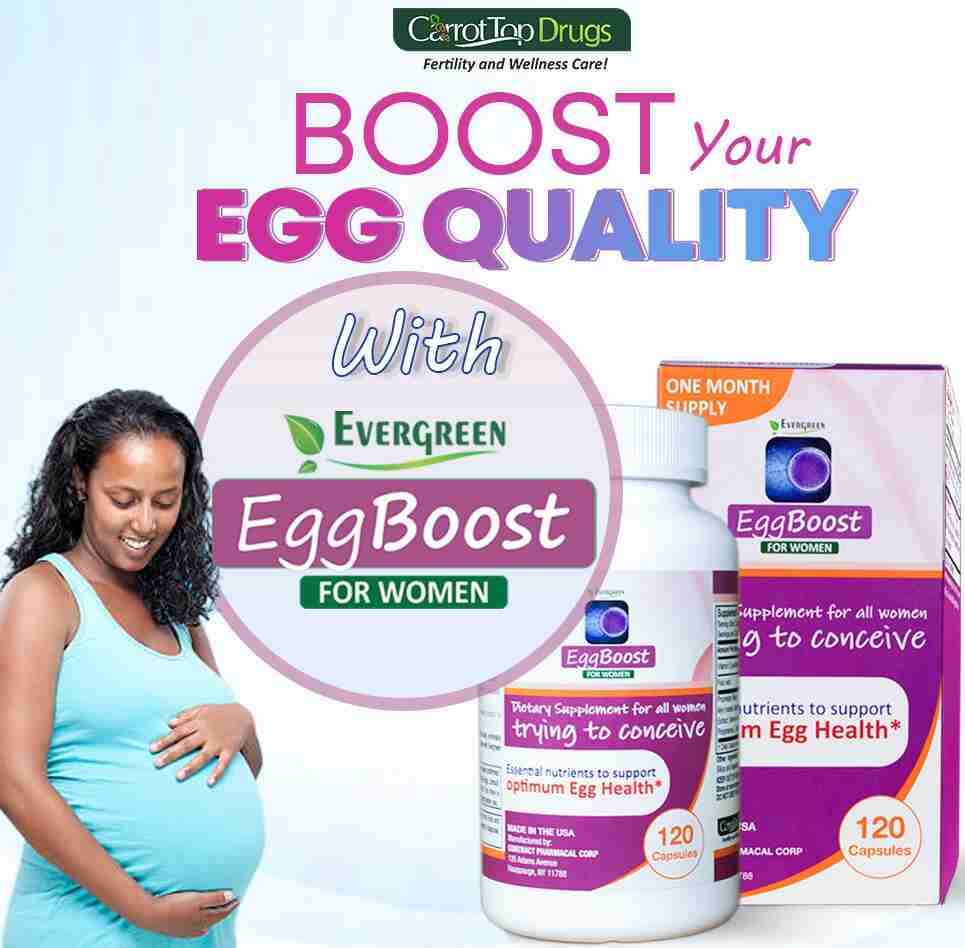
Our Evergreen Formular for Women and Evergreen EggBoost contains all of these nutrients that are known to improve fertility
Conclusion
Debunking fertility myths is essential for making informed decisions on your conception journey. Whether it’s timing intercourse correctly, understanding male fertility’s role, or avoiding unproven remedies, knowing the facts improves your chances.
If you’ve been trying without success, consult a fertility specialist—don’t let myths delay your path to parenthood.
FAQs
1. How long should we try before seeing a fertility doctor?
Under 35: Try for 12 months.
Over 35: See a doctor after 6 months.
Over 40: Seek help immediately.
2. Does diet affect fertility?
Yes! A balanced diet (rich in antioxidants, healthy fats, and whole foods) supports reproductive health.
3. Can men improve sperm health?
Absolutely—avoid smoking, limit alcohol, maintain a healthy weight, and take supplements like zinc and folate.
4. Do fertility treatments always work?
Success varies by age, cause of infertility, and treatment type. IVF has a 40-50% success rate for women under 35.
5. Can you get pregnant during your period?
It’s rare but possible if you ovulate early or have a short cycle.