Introduction
Polycystic Ovary Syndrome (PCOS) is one of the most common causes of female infertility. Affecting around 1 in 10 women of reproductive age, PCOS can make it difficult for women to conceive due to hormonal imbalances, irregular ovulation, and other related complications. However, despite the challenges, many women with PCOS do conceive successfully with the right approach and lifestyle changes.
In this article, we will explore effective methods for conceiving with PCOS, providing you with actionable tips, lifestyle changes, and medical interventions that can improve fertility. Whether you’ve just been diagnosed or have been struggling with infertility for some time, understanding the factors that affect conception and exploring how to manage PCOS effectively can significantly enhance your chances of pregnancy.
Definition of PCOS
Polycystic Ovary Syndrome (PCOS) is a hormonal disorder that affects women during their reproductive years. It is characterized by the presence of multiple small cysts on the ovaries, which results from the underdeveloped follicles that fail to release eggs properly. This leads to irregular or absent ovulation, which directly affects a woman’s ability to conceive.
Common symptoms of PCOS include irregular or absent menstrual cycles, excess androgen (male hormones), acne, weight gain, and thinning hair. Women with PCOS often have elevated levels of insulin, which can lead to insulin resistance and further exacerbate fertility challenges.
Relevant Statistics
PCOS is one of the most common hormonal disorders in women, with the following statistics:
– According to the American College of Obstetricians and Gynecologists (ACOG), about 5-10% of women of reproductive age have PCOS.
– It’s estimated that 70% of women with PCOS are undiagnosed, as the symptoms can often be subtle or misattributed to other causes.
– Around 70% of women with PCOS experience difficulty with fertility, although many can still conceive with the right treatment.
Symptoms of PCOS
PCOS presents with various symptoms, some of which may make conception difficult. Common symptoms include:
1. Irregular or Absent Periods: One of the main characteristics of PCOS is irregular menstrual cycles. Women with PCOS may have infrequent periods or may not have them at all.
2. Ovulatory Dysfunction: Many women with PCOS do not ovulate regularly, which means they are less likely to release an egg every month. This can lead to infertility.
3. Excess Androgen Levels: Elevated levels of male hormones (androgens) can cause symptoms such as excess facial or body hair, acne, and scalp thinning.
4. Polycystic Ovaries: Many women with PCOS have multiple small cysts in their ovaries that are visible through an ultrasound. These cysts contain undeveloped follicles that have failed to release eggs.
5. Weight Gain: Insulin resistance often associated with PCOS can lead to weight gain or difficulty losing weight, which can further impact fertility.
Causes of PCOS
The exact cause of PCOS is not fully understood, but several factors are believed to contribute to its development:
1. Hormonal Imbalance: Women with PCOS often have an imbalance in reproductive hormones, including high levels of androgens, which prevent the ovaries from releasing eggs (ovulation).
2. Insulin Resistance: Many women with PCOS have insulin resistance, meaning their body doesn’t use insulin effectively. This can lead to higher levels of insulin in the blood, which can interfere with ovulation and increase androgen production.
3. Genetics: There is a genetic component to PCOS, meaning that if a close family member (such as a mother or sister) has PCOS, you may be at a higher risk of developing the condition.
4. Inflammation: Some studies suggest that chronic low-grade inflammation may play a role in the development of PCOS and its symptoms.
How to Conceive with PCOS
While PCOS can make it more challenging to conceive, many women with the condition go on to have successful pregnancies. Here are several strategies and tips to help improve fertility and increase the chances of conception:
1. Maintain a Healthy Weight
Maintaining a healthy weight is one of the most important things you can do to improve fertility with PCOS. Being overweight or obese can exacerbate insulin resistance and hormonal imbalances, which can further interfere with ovulation.
– How to Maintain a Healthy Weight: Focus on a balanced diet, regular exercise, and portion control. A diet high in fiber, healthy fats, and low in processed foods can help balance hormones and improve insulin sensitivity. Aim for 30 minutes of moderate exercise at least 5 days a week.
2. Dietary Changes and Nutritional Supplements
Certain dietary changes can help manage PCOS symptoms and improve fertility. Focus on eating whole, nutrient-dense foods such as:
– Fruits and Vegetables: These are rich in antioxidants and vitamins, which support hormonal balance.
– Whole Grains: Foods like quinoa, brown rice, and oats can help regulate insulin levels.
– Lean Protein: Incorporate protein-rich foods like chicken, tofu, and beans into your meals.
– Healthy Fats: Omega-3 fatty acids, found in foods like salmon, walnuts, and flaxseeds, can help reduce inflammation and support fertility.
Additionally, some women with PCOS may benefit from nutritional supplements such as:
– Inositol: A study published in Fertility and Sterility showed that inositol can help regulate menstrual cycles and improve ovulation in women with PCOS.
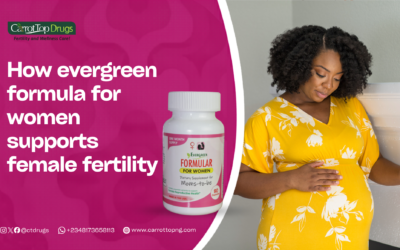
– Vitamin D: Women with PCOS are often deficient in vitamin D, which plays a role in hormone regulation and insulin sensitivity. Evergreen Formular for Women can provide women the perfect blend of nutrients such as Vitamin D.
– Folic Acid: Folic acid is essential for women trying to conceive, as it helps prevent birth defects.
3. Manage Insulin Resistance
Insulin resistance is a common issue for women with PCOS, and addressing it can significantly improve fertility. Insulin resistance can be managed through:
– Medication: Metformin, a drug commonly used to manage type 2 diabetes, can help improve insulin sensitivity in women with PCOS and promote ovulation.
– Dietary Changes: Avoiding sugary foods and refined carbs can help regulate insulin levels. Focus on low-glycemic index foods that don’t cause spikes in blood sugar.
4. Ovulation Induction Medications
In many cases, women with PCOS may require medication to induce ovulation. The most common medications used to stimulate ovulation include:
– Clomiphene Citrate (Clomid): This oral medication is often the first-line treatment for women with PCOS who are struggling to ovulate.
– Letrozole: This medication is used as an alternative to Clomid for inducing ovulation, especially for women who do not respond to Clomid.
– Gonadotropins: Injectable fertility hormones may be used for women who do not respond to oral medications.
5. Intrauterine Insemination (IUI)
In cases where ovulation induction medications are not enough, intrauterine insemination (IUI) may be considered. IUI involves placing sperm directly into the uterus during ovulation to increase the chances of fertilization.
6. In Vitro Fertilization (IVF)
If other methods of conception are unsuccessful, IVF may be an option. IVF involves fertilizing eggs outside the body and then implanting them into the uterus. IVF is typically considered when other fertility treatments have failed or in cases of severe male factor infertility.
7. Monitor Your Ovulation
Tracking your ovulation is crucial for women with PCOS, as it helps determine the best time to try to conceive. Ovulation predictor kits, basal body temperature charting, or monitoring cervical mucus can help identify when ovulation occurs.
8. Reduce Stress
Stress can disrupt hormonal balance and make it even more difficult to conceive. Consider stress-reducing techniques such as yoga, meditation, deep breathing exercises, or other forms of relaxation to support overall health and fertility.
When to Seek Medical Help
If you have been trying to conceive for over a year without success, it may be time to consult a fertility specialist. A doctor can perform tests to evaluate ovulation, sperm health, and other fertility factors. Early intervention can help you access the right treatments and improve your chances of pregnancy.
Conclusion
Conceiving with PCOS can be challenging, but it is far from impossible. By making lifestyle changes, maintaining a healthy weight, managing insulin resistance, and seeking medical advice when necessary, many women with PCOS go on to have healthy pregnancies. While PCOS may present some obstacles, with the right approach, you can take control of your fertility and improve your chances of conception.
Relevant FAQs
1. Can women with PCOS conceive naturally?
Yes, many women with PCOS can conceive naturally, especially with lifestyle changes and ovulation management.
2. How long does it take to get pregnant with PCOS?
The time it takes to conceive with PCOS varies from woman to woman. With the right treatment, many women conceive within 6-12 months.
3. What medications can help with PCOS and pregnancy?
Medications like Clomid, Letrozole, and Metformin are commonly used to help induce ovulation and improve fertility in women with PCOS.
4. Can diet and exercise help me get pregnant with PCOS?
Yes, maintaining a healthy weight, eating a balanced diet, and exercising regularly can help improve hormonal balance and increase your chances of pregnancy.
5. Should I see a fertility specialist if I have PCOS?
If you have been trying to conceive for more than a year without success, it is a good idea to consult with a fertility specialist who can offer targeted treatment options.