Hypoandrogenism in Men: Causes, Symptoms, Diagnosis, and Treatment
Introduction
Hypoandrogenism in men is a condition of low androgen levels, especially testosterone. Testosterone is the primary male sex hormone. It plays a key role in sexual function, muscle mass, and bone density. Additionally, it affects mood regulation and overall vitality. Low testosterone levels can cause various symptoms. These symptoms impact both physical and psychological health. Hypoandrogenism is becoming a significant health concern, especially with aging.
Definition of Hypoandrogenism
Hypoandrogenism, or testosterone deficiency, occurs when the body produces too little testosterone. This condition can result from issues in the testes, which produce testosterone. Problems in the hypothalamus or pituitary gland can also disrupt testosterone regulation. These glands control testosterone production through a hormonal feedback loop. Blood tests are used to measure testosterone levels. Levels below 300–1,000 ng/dL usually indicate hypoandrogenism.
Statistics on Hypoandrogenism in Men
Hypoandrogenism is more prevalent than many realize. It is estimated that approximately 2 to 6% of men worldwide experience clinically significant low testosterone levels, with this prevalence increasing significantly with age. By the time men reach 60 years of age, as many as 20% may have testosterone levels that fall below the normal range. A study showed that by 80 years, the incidence of testosterone deficiency can rise up to 50%. Additionally, around 30% of men aged 40 to 79 report symptoms consistent with testosterone deficiency, including fatigue, reduced libido, and decreased muscle mass.
Symptoms of Hypoandrogenism in Men
Hypoandrogenism presents a range of symptoms, some overlapping with other conditions. Severity depends on testosterone levels and the rate of decline.
- Reduced Libido: Low testosterone often causes a significant drop in sexual desire. This can strain relationships and affect quality of life.
- Erectile Dysfunction (ED): Testosterone deficiency can impair erections, as testosterone supports erectile function. While other factors cause ED, low testosterone is a contributor.
- Fatigue and Low Energy: Men with hypoandrogenism often feel persistently tired. This impacts daily activities, motivation, and productivity.
- Muscle Loss and Weakness: Testosterone is essential for muscle maintenance. Its deficiency leads to reduced muscle mass, strength, and increased body fat.
- Mood Changes and Depression: Low testosterone often causes mood disturbances like depression, irritability, and anxiety. Men may also struggle with focus and a reduced sense of well-being.
- Reduced Bone Density: Testosterone supports bone health. Low levels increase the risk of osteoporosis or fractures due to weakened bones.
- Hot Flashes: Though associated with menopause, men with very low testosterone may also experience hot flashes, including sweating and warmth.
- Sleep Problems: Low testosterone is linked to sleep disturbances like insomnia and disrupted patterns. This worsens fatigue and mood issues.
Complications of Hypoandrogenism
Untreated hypoandrogenism can lead to several significant long-term health complications. Testosterone deficiency can have widespread effects on various organ systems and lead to major quality of life issues. Some of the key complications include:
- Cardiovascular Disease: Research suggests that men with low testosterone levels are at a higher risk of developing cardiovascular diseases, including coronary artery disease. Testosterone deficiency may contribute to the development of atherosclerosis (hardening of the arteries) and other heart-related conditions. This can increase the chances of heart attacks, strokes, and other cardiovascular problems.
- Type 2 Diabetes: Testosterone deficiency is often linked to insulin resistance, which is a precursor to type 2 diabetes. Low testosterone levels may worsen obesity and fat accumulation, particularly around the abdomen. This increased abdominal fat further raises the risk of developing diabetes. Over time, this can lead to a higher likelihood of developing full-blown type 2 diabetes and its associated complications.
- Obesity: Men with hypoandrogenism often experience an increase in body fat, particularly in the abdominal area. This excess fat can create a vicious cycle, as abdominal fat can further lower testosterone levels. In addition, the increase in body fat may contribute to other health problems such as metabolic syndrome, high blood pressure, and an increased risk of heart disease, leading to overall poor health.
- Decreased Quality of Life: The combination of physical, emotional, and cognitive symptoms caused by hypoandrogenism can significantly lower a man’s overall quality of life. Decreased libido, erectile dysfunction, fatigue, and mood disturbances such as depression and irritability can impact relationships, work performance, and general happiness. These issues can result in feelings of frustration, low self-esteem, and social isolation, affecting overall well-being.
- Infertility: Low testosterone levels can negatively impact sperm production, leading to infertility. In men with hypoandrogenism, the testes may not produce enough sperm, which makes it difficult to conceive. This is a major concern for men who are looking to start or grow their families. Testosterone deficiency can reduce sperm quality, count, and motility, all of which are critical for successful conception.
Causes of Hypoandrogenism in Men
Hypoandrogenism can arise from a variety of underlying causes, and these causes are generally classified into two categories: primary and secondary hypogonadism.
1. Primary Hypogonadism
Primary hypogonadism occurs when the testes are unable to produce adequate amounts of testosterone due to inherent problems with the testes themselves. Some common causes include:
Klinefelter Syndrome: A genetic condition where men are born with an extra X chromosome, leading to underdeveloped testes and low testosterone production.
Testicular Injury or Trauma: Physical damage to the testes, whether from accidents, surgeries, or infections, can impair testosterone production.
Varicocele: The enlargement of veins within the scrotum can negatively impact testicular function and lead to low testosterone levels.
Testicular Cancer: Cancer of the testes can damage the tissue responsible for producing testosterone, resulting in low levels of the hormone.
Aging: Testosterone naturally declines with age, typically starting around the age of 30. By age 70, testosterone levels in many men may be significantly lower than in their younger years.
2. Secondary Hypogonadism
Secondary hypogonadism occurs when the problem lies in the hypothalamus or pituitary gland, which are responsible for signaling the testes to produce testosterone. Causes of secondary hypogonadism include:
Pituitary Disorders: Tumors or diseases affecting the pituitary gland, such as pituitary adenomas, can disrupt the production of hormones that regulate testosterone production.
Hypothalamic Disorders: Conditions that affect the hypothalamus, which regulates the pituitary gland’s hormone production, can also lead to low testosterone.
Medications: Certain medications, particularly those that affect the endocrine system, such as corticosteroids or opioids, can interfere with testosterone production. Long term use of anabolic steroids can also suppress the body’s natural testosterone production.
Obesity: Excess body fat, particularly visceral fat, is associated with increased aromatase activity, an enzyme that converts testosterone into estrogen, which can lead to reduced testosterone levels.
Management Options for Hypoandrogenism
The management of hypoandrogenism depends on its underlying cause, the severity of symptoms, and the patient’s overall health. The goal of treatment is to restore testosterone levels to the normal range and alleviate symptoms. Treatment options include:
1. Testosterone Replacement Therapy (TRT)
The primary treatment for hypoandrogenism is testosterone replacement therapy (TRT). TRT can be administered through various methods, including:
Injections : Testosterone is injected directly into the bloodstream, usually every 1 to 2 weeks. This method is highly effective but requires regular visits to a healthcare provider.
Topical Gels or Creams : These are applied to the skin daily and absorbed through the skin into the bloodstream. They are a convenient option but can be messy and require caution to avoid transferring the hormone to others.
Patches : Testosterone patches are worn on the skin and release the hormone gradually throughout the day.
Implants : Small pellets containing testosterone can be implanted under the skin and release the hormone over several months.
2. Lifestyle Modifications
In addition to medical treatment, lifestyle changes can help manage hypoandrogenism. These include:
Weight Loss : Losing excess weight, particularly abdominal fat, can help increase testosterone levels and improve overall health.
Exercise : Regular physical activity, particularly strength training, has been shown to boost testosterone production.
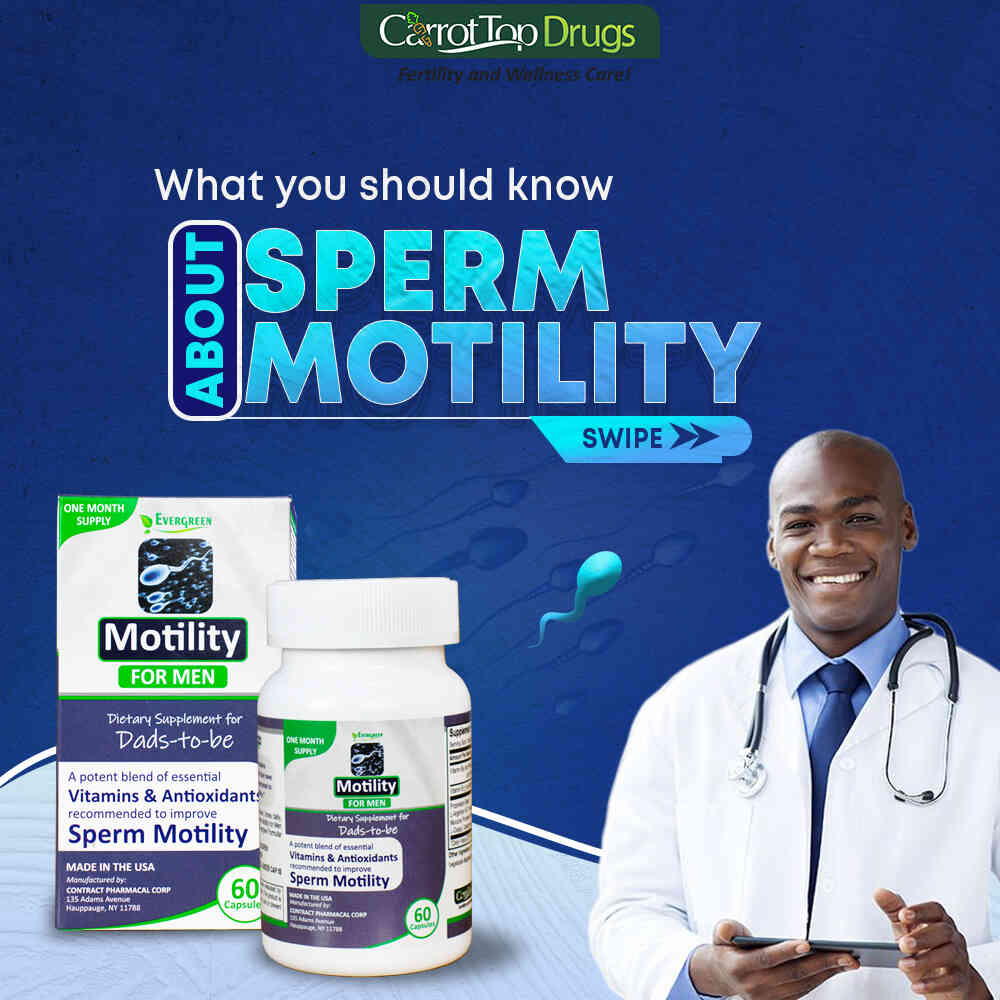
Healthy Diet : A balanced diet rich in vitamins and minerals, particularly zinc and vitamin D, can help support healthy testosterone levels. Taking Evergreen Formular for Men can also help support testosterone levels in men.
3. Addressing Underlying Health Conditions
Treating underlying conditions such as obesity, diabetes, or pituitary disorders can help improve testosterone production. In cases where medications are contributing to low testosterone, switching to alternatives or adjusting dosages may be necessary.
Conclusion
Hypoandrogenism is a common but often underdiagnosed condition that can have significant physical, emotional, and cognitive effects on men. Low testosterone levels can lead to a variety of symptoms such as reduced libido, fatigue, muscle loss, and mood disturbances. If left untreated, it can result in long-term health complications, including infertility and cardiovascular disease. Fortunately, hypoandrogenism is manageable, and testosterone replacement therapy is the cornerstone of treatment. With early diagnosis and a comprehensive approach to care, men can regain their vitality, improve their quality of life, and mitigate the risks associated with this condition. Taking prompt action helps prevent the progression of complications and restores overall well-being.
.
Frequently Asked Questions (FAQs)
1. What are the main symptoms of hypoandrogenism?
Common symptoms of hypoandrogenism include reduced libido, erectile dysfunction, fatigue, loss of muscle mass, mood changes, and reduced bone density.
2. Can hypoandrogenism be treated?
Yes, hypoandrogenism can be treated with testosterone replacement therapy (TRT), lifestyle changes, and management of underlying health conditions.
3. Can low testosterone levels cause infertility?
Yes, low testosterone can affect sperm production and lead to infertility in men.
4. Is testosterone replacement therapy safe?
Testosterone replacement therapy is generally safe when prescribed and monitored by a healthcare provider. However, it may have side effects, including an increased risk of sleep apnea, blood clots, or prostate issues.
5. How do I know if I have hypoandrogenism?
Hypoandrogenism is diagnosed through blood tests to measure testosterone levels, typically confirmed by a healthcare provider based on symptoms and medical history.